
Carriers Shift, Courts Push Back and a Storm-Weary Summer Tests the U.S.
America’s top stories today centered on strain: military strain from the expanding Iran conflict, household strain from still-elevated prices, legal strain over election administration, and environmental strain from a punishing summer. Federal crime data offered one of the day’s more encouraging national indicators, even as a campus shooting in Virginia underscored the uneven reality of public safety across the country.
U.S. Carrier Move Signals Strain From Iran War
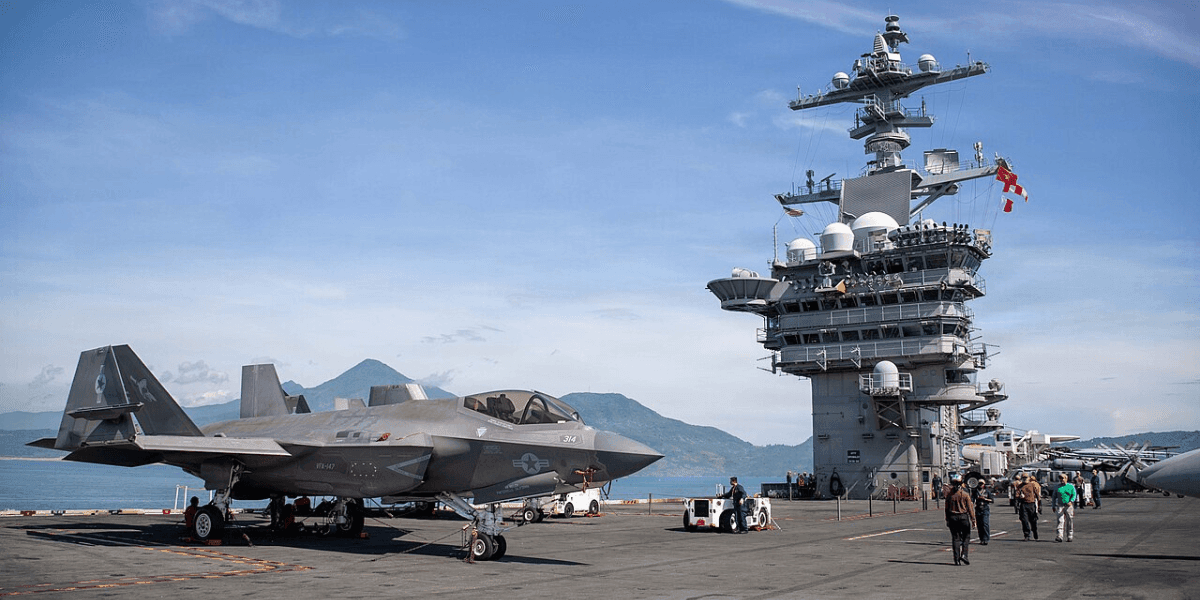
The United States is moving the USS George Washington out of the Pacific to replace the long-deployed USS Abraham Lincoln in the Middle East, a shift that temporarily leaves the western Pacific without one of the Navy’s major aircraft carriers. The redeployment reflects the pressure President Donald Trump’s war against Iran is putting on U.S. naval operations, while also raising concern among allies watching China’s military activity near Japan, the Philippines and contested waters in the South China Sea.
The move has broader strategic implications. Defense analysts quoted by AP said the absence of a carrier may be short-lived, but it feeds a perception that Washington is increasingly distracted by the Middle East at a time when the administration had said the Pacific would remain a high priority. U.S. officials sought to reassure allies, with Adm. Frank Bradley saying American forces could still project power globally and would reorient after the Middle East threat is addressed.
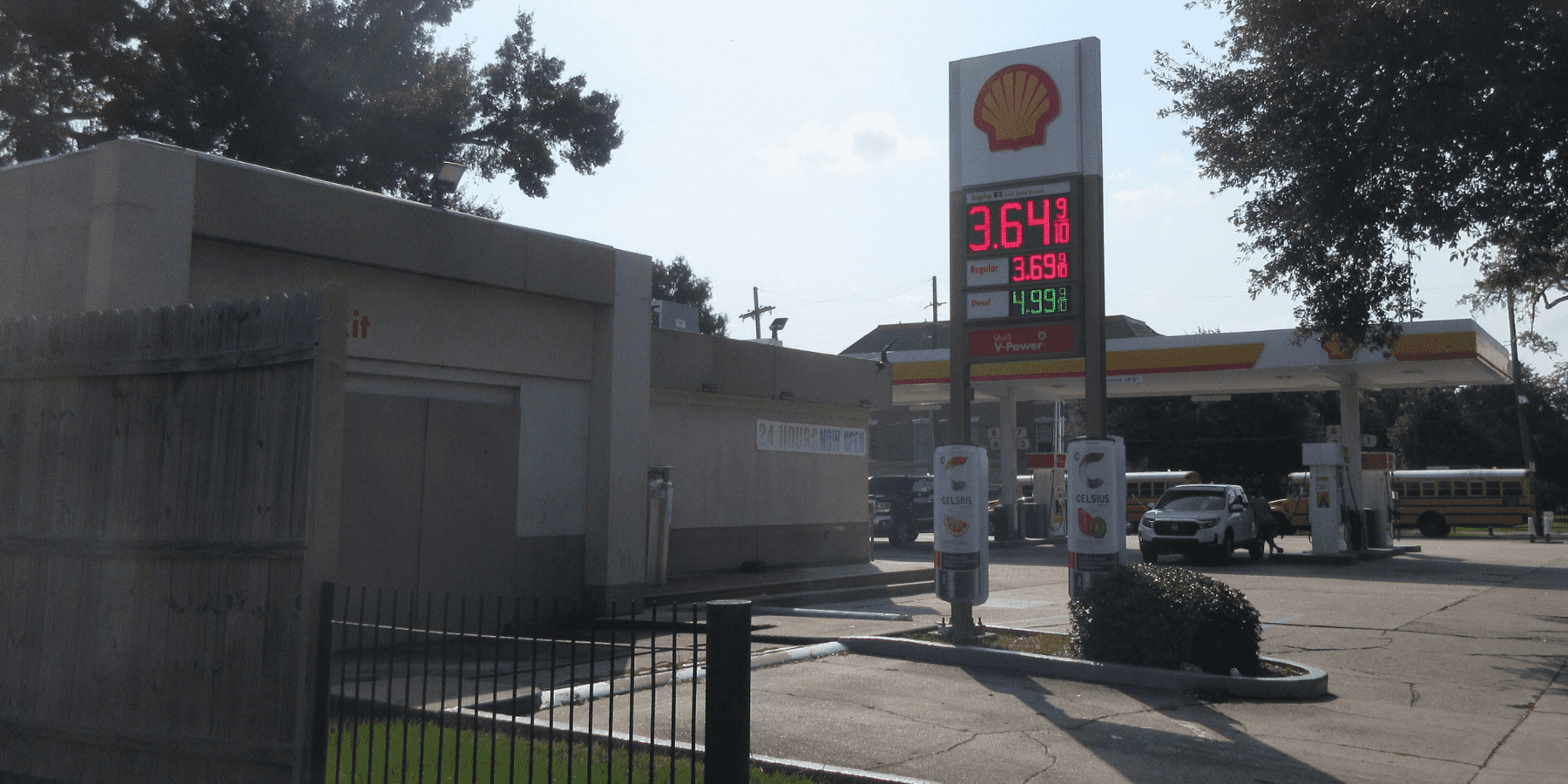
Photo Credit: Infrogmation/Wikimedia (Cropped)
Inflation Cools, but Household Pressure Lingers
The latest federal inflation report showed modest relief, with the Consumer Price Index rising 0.1% in July and 3.4% over the previous 12 months, down slightly from June’s 3.5% annual pace. Core inflation, excluding food and energy, rose 2.5% year over year, while energy prices remained 14.7% higher than a year earlier.
The numbers were not enough to end the affordability debate. AP reported that gas and grocery prices eased in July, but airfares, computers and used cars rose, with the Iran war, tariffs and AI-related infrastructure demand all contributing to uneven price pressure. The report leaves the Federal Reserve with a delicate choice: inflation is easing, but prices remain above the Fed’s 2% target and continue to outpace many household budgets.
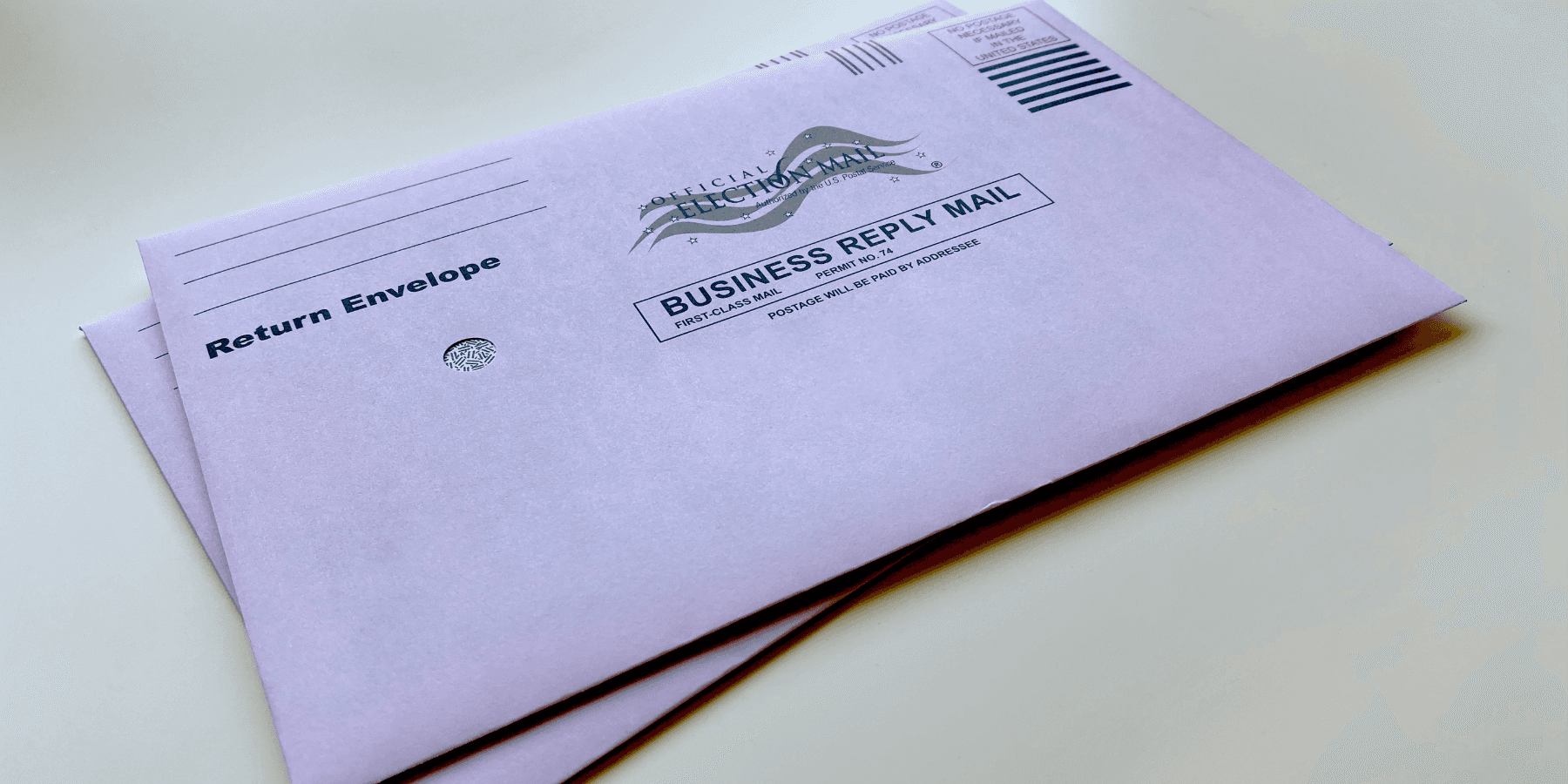
Photo Credit: Tiffany Tertipes/Unsplash
Judge Blocks Trump’s Mail-Voting Order Before Midterms
A federal judge in Boston again blocked the Trump administration from implementing an executive order that sought to create a federal voter list and directly involve the U.S. Postal Service in election operations. U.S. District Judge Indira Talwani wrote that the timing, less than 90 days before the November 3, 2026 midterm elections, made an injunction especially important to avoid changing election rules on the eve of voting.
The ruling is a major legal setback for the administration’s attempt to reshape election procedures through executive action. Talwani wrote that the executive branch has no authority to regulate elections, while voting-rights groups argued that power rests with states and Congress. The administration has asked the Supreme Court to halt lower-court decisions blocking related election changes, keeping the issue alive as the midterm campaign enters its final stretch.
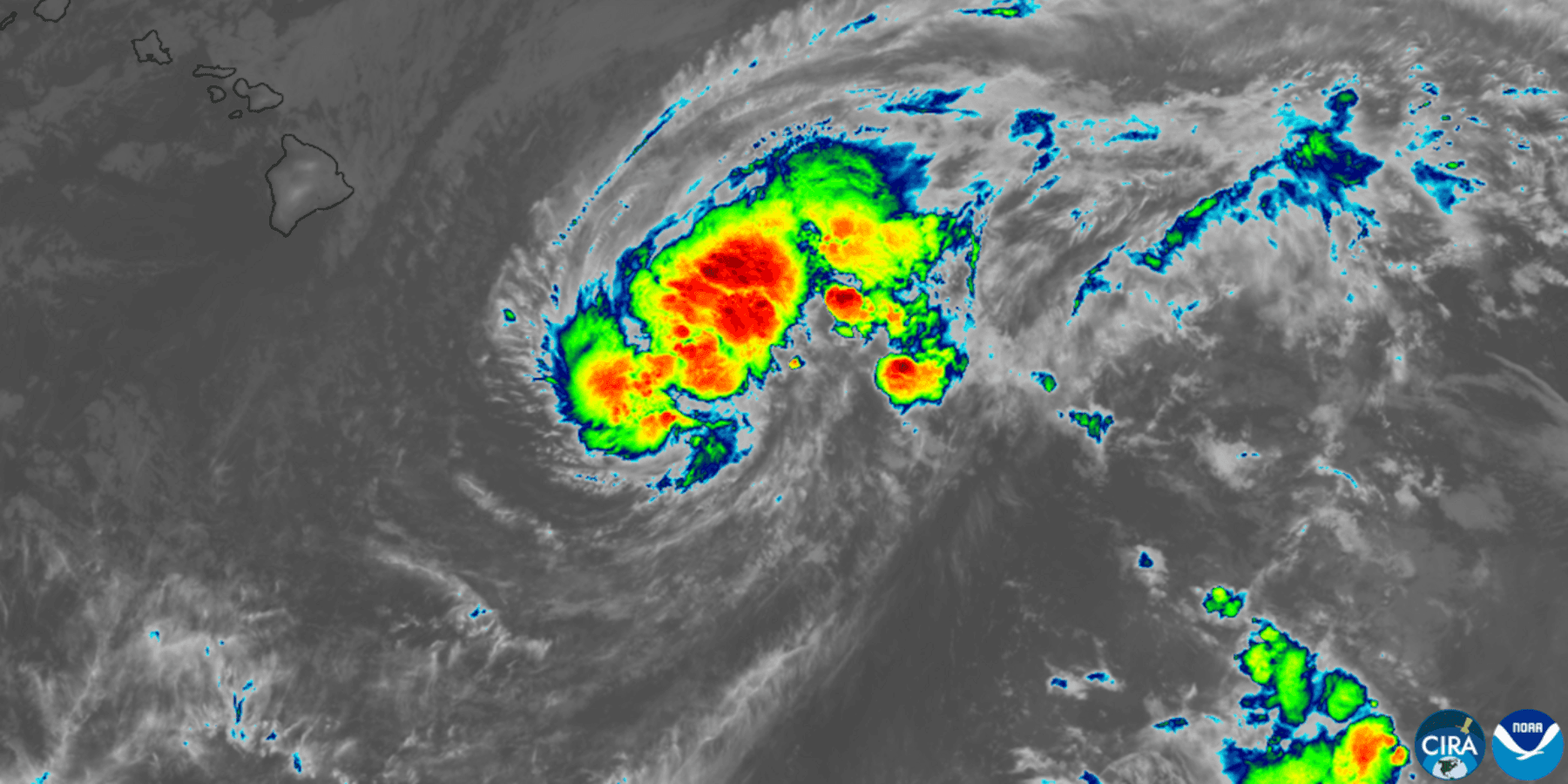
Photo Credit: GOES imagery: CSU/CIRA & NOAA/Wikimedia
Lala Drenches Hawaii as Record Heat Frames the Season
Tropical Storm Lala continued to batter Hawaii after weakening from hurricane status, bringing flooding, mudslides, downed trees and power outages across the island chain. Authorities said flash floods swept occupied homes off foundations in communities near the Big Island’s southern tip, and at least one person died in a vehicle wreck in the South Point area. More than 200,000 homes and businesses were without power Sunday morning across Hawaii’s three largest islands, according to AP.
The storm hit during a summer already defined by extremes. NOAA said July was the hottest month ever recorded across the contiguous United States, with the Lower 48 averaging 76.89 degrees Fahrenheit and surpassing the Dust Bowl-era record from July 1936. Scientists cited by AP said the record reflected the climate signal of a warming atmosphere, especially hotter nighttime temperatures that increase heat stress.
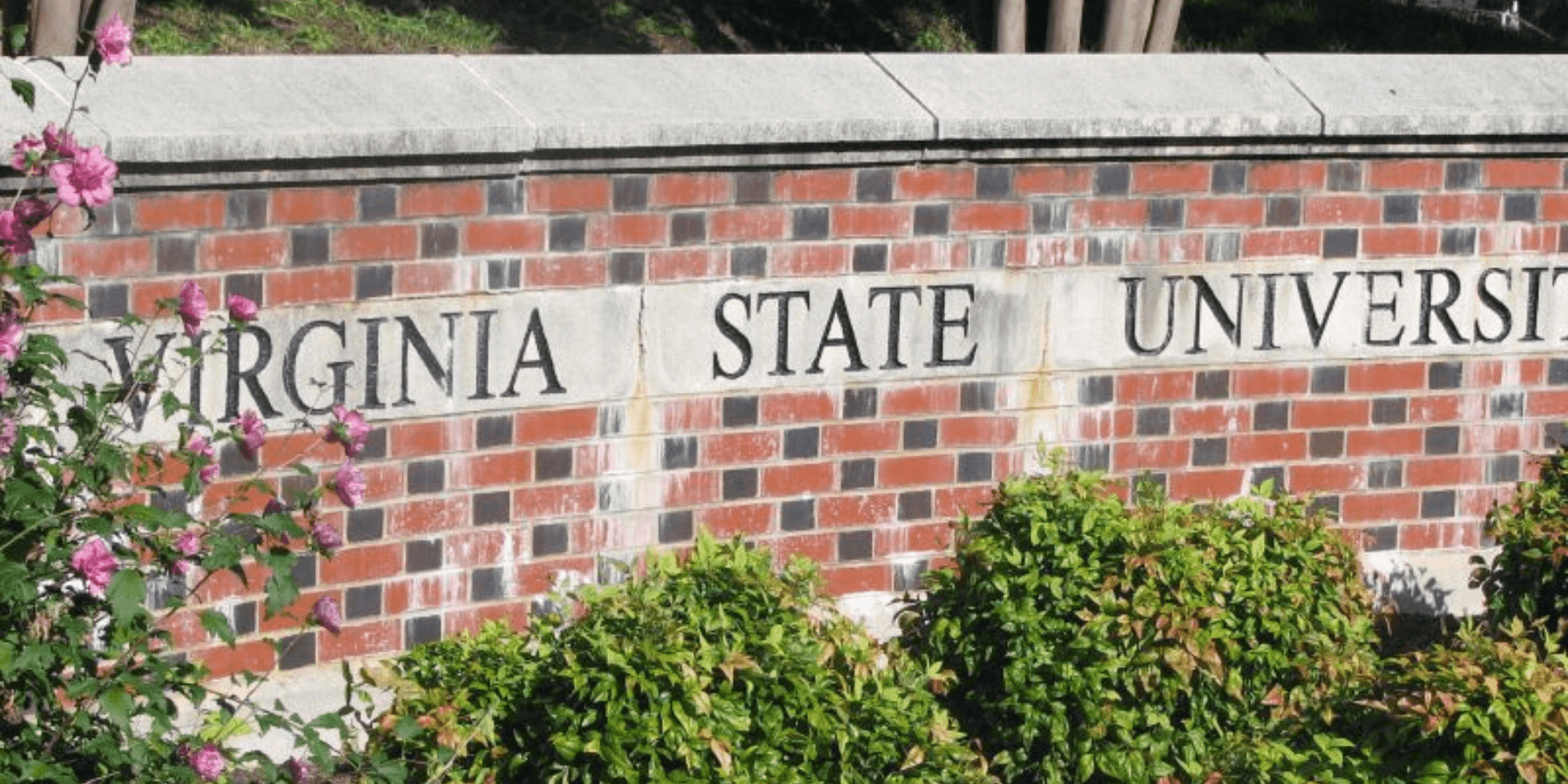
Photo Credit: Kevin Coles/Wikimedia (Cropped)
Crime Data Drops Sharply as Campus Shooting Shakes Virginia
The FBI’s 2025 crime report showed a sharp national decline in violent crime, with the overall violent crime rate down 9.3% and murder and nonnegligent manslaughter down 18.1%. The FBI said the 2025 murder rate of 4.1 per 100,000 inhabitants tied 1955 and 1956 for the lowest rate since 1900, while property crime and reported hate-crime incidents also declined.
Even with that national decline, a shooting at Virginia State University kept campus safety in the headlines. Police arrested 19-year-old Camron Harris of Henrico, Virginia, after five people were wounded near campus dormitories, including one person critically injured. Authorities said Harris was found hiding in a dormitory closet, was not a student, and faces felony warrants including malicious wounding and use of a firearm in the commission of a felony.
Looking Ahead
The next several days will test whether today’s pressures deepen or ease. U.S. allies will watch for how quickly the Navy restores carrier presence in the Pacific, while markets and households will look for signals from the Federal Reserve after the latest inflation data. Election-law fights may move closer to the Supreme Court as the midterms approach, and Hawaii’s recovery from Lala will unfold against a broader national reckoning with record heat. Public-safety attention will turn both to the FBI’s longer-term crime trend and to the investigation at Virginia State University.