
Congress Stalls on Healthcare, Trump Escalates Foreign Pressure, and Political Tensions Rise in Washington
The nation grapples with rising political and policy challenges as Congress fails to extend key healthcare subsidies, sparking concerns for millions of Americans reliant on Affordable Care Act support. President Donald Trump uses a primetime address to defend his agenda while intensifying diplomatic pressure on Venezuela and unveiling new military assistance abroad. Domestic political power plays reveal fractures within the GOP and persistent legal controversies surround the White House. Broader social and economic currents, from wage increases to environmental policy shifts, underscore a year-end atmosphere of heightened stakes and public debate across the country.
House Blocks Healthcare Subsidy Extension, Millions Face Higher Costs
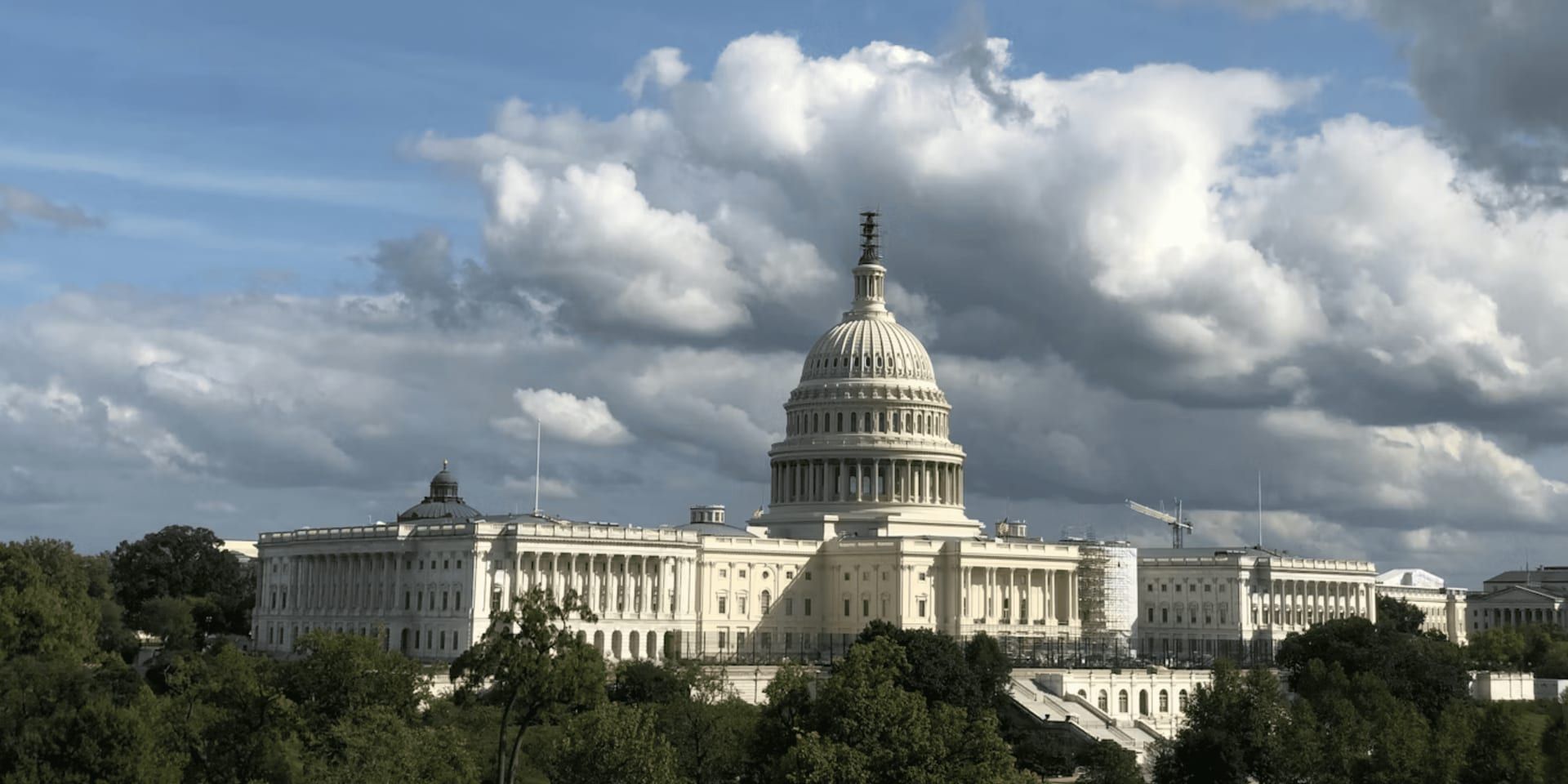
On December 17, the U.S. House of Representatives votes narrowly to block a last-minute Democratic effort to extend an expanded Affordable Care Act subsidy that is set to expire on December 31. House Republicans end debate and halt the motion in a 204–203 vote, thwarting a push that drew bipartisan support from a handful of GOP members. Democrats protest the maneuver as premature and risky, warning that without action, roughly 24 million Americans who purchase insurance through the ACA marketplace could confront significantly higher costs starting January 1. The Senate has already rejected separate proposals to address the subsidy issue, leaving nationwide healthcare costs and coverage levels hanging as lawmakers prepare to adjourn for the holidays.
Trump Addresses Nation With Mixed Messaging on Economy and Security
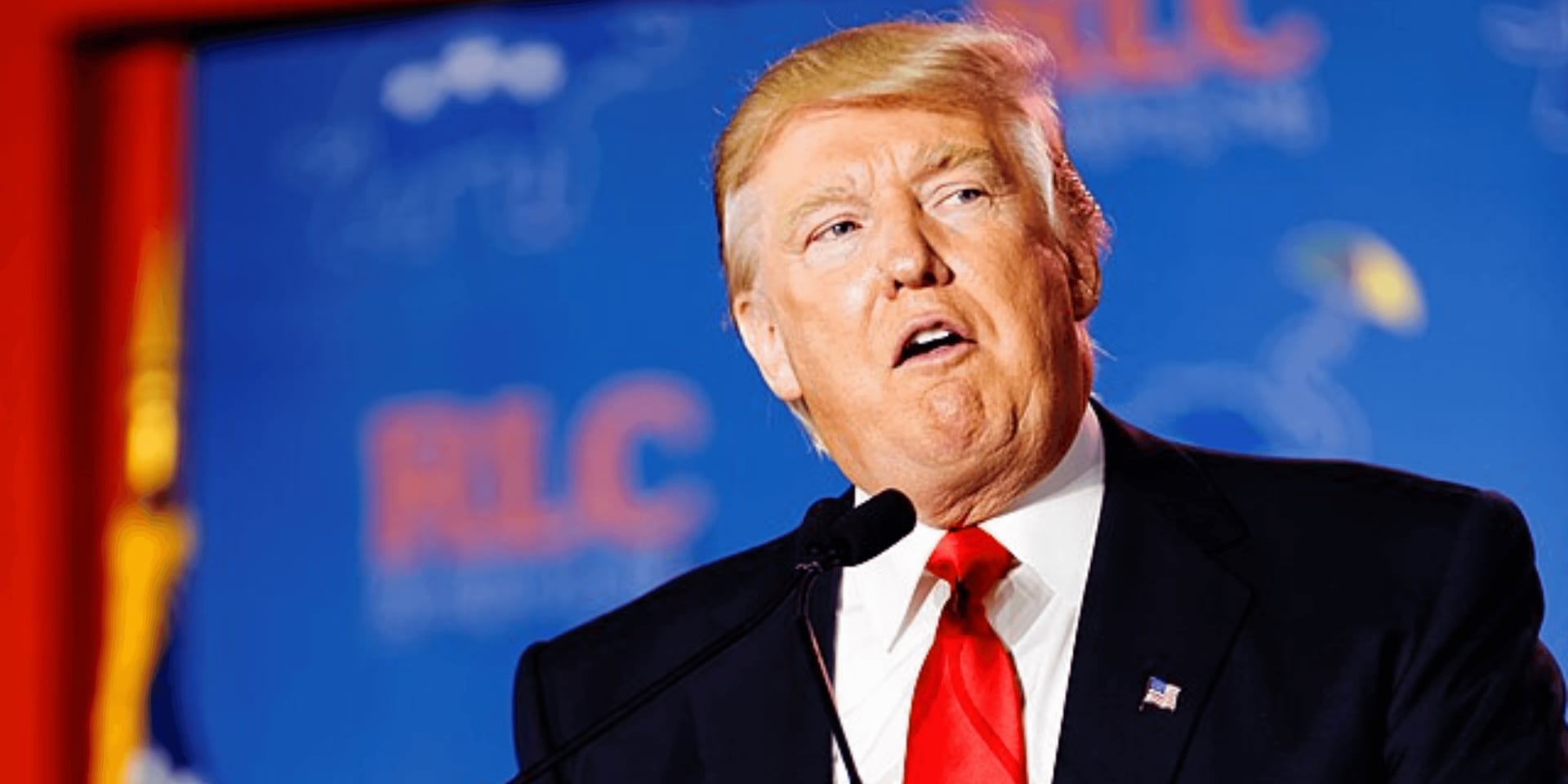
President Donald Trump delivers a live national address from the White House that blends affirmations of his economic stewardship with controversial policy assertions. In a speech focusing on immigration, energy, and national security, the president highlights what he describes as economic progress and announces initiatives aimed at boosting military morale, including a so‑called “warrior dividend” for service members funded by tariff revenues. While promoting housing plans and tariff outcomes, Trump makes inaccurate claims about energy cost declines and frames his immigration policies as decisive. Internationally, he reiterates firm stances that have drawn criticism for escalating tensions with China and Venezuela. Domestic policy controversies around healthcare funding and climate research further underscore the political crosscurrents defining Washington’s year‑end agenda.

U.S. Military Action in Pacific Draws Scrutiny and Heightens Tension With Venezuela
The Pentagon reports that U.S. forces conduct a lethal strike on a vessel in the eastern Pacific allegedly linked to drug trafficking, resulting in four deaths. This action forms part of an expanded U.S. naval and aerial campaign near Venezuela that the administration frames as anti‑narcotics operations but that critics and international observers denounce as lacking transparent evidence and potentially constituting extrajudicial force. The Trump administration’s broader pressure campaign against Venezuelan President Nicolás Maduro includes sweeping restrictions and a de facto blockade of sanctioned oil tankers—a move Caracas calls “warmongering.” Human rights groups and the United Nations raise alarms about civilian harm and calls for accountability as the operation continues.
Military Aid to Taiwan Signals Sharper U.S. Stance Toward China
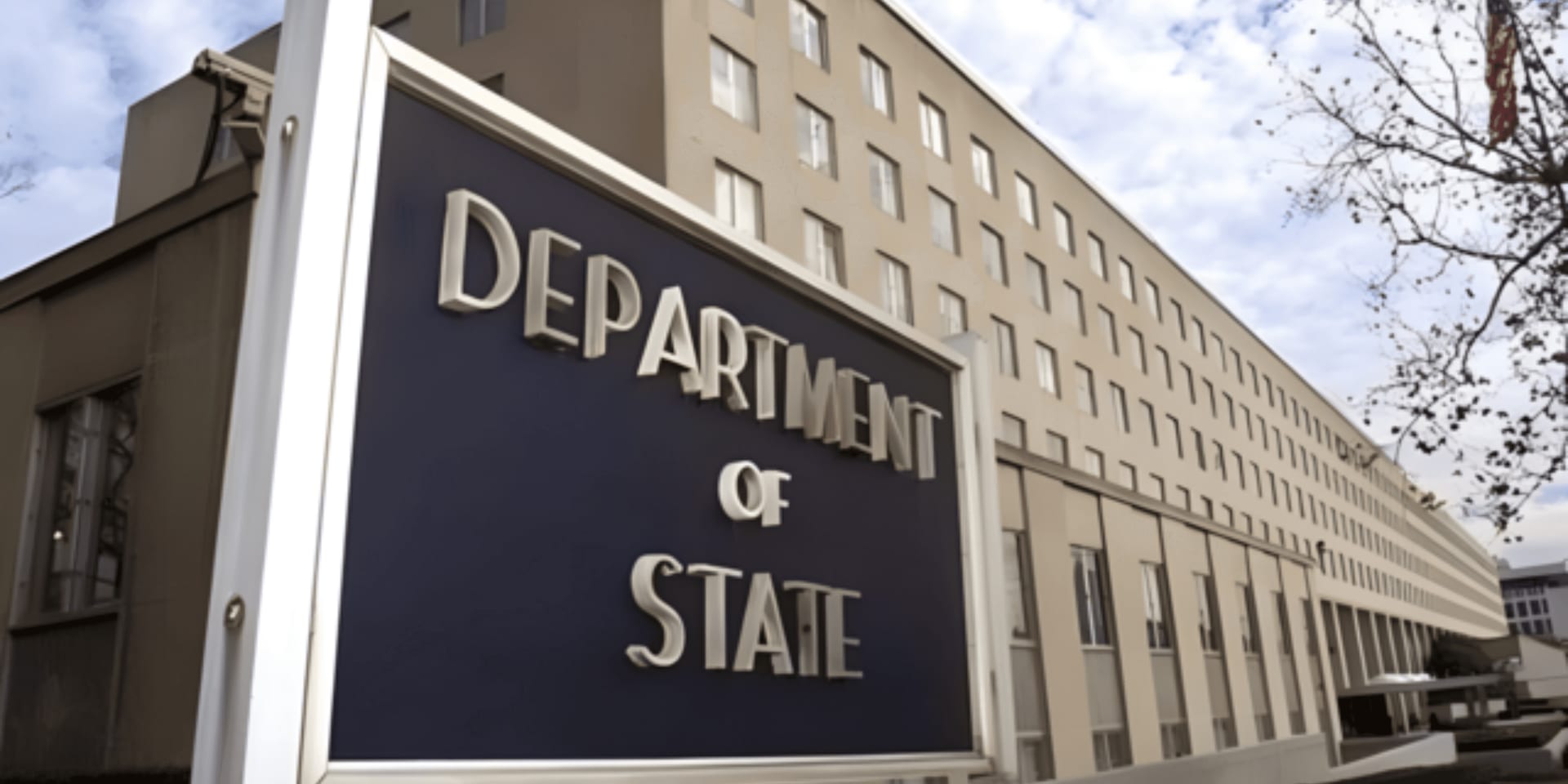
The State Department announces an $11 billion military aid package to Taiwan that includes long‑range rockets, drones, howitzer artillery, and anti‑tank weaponry, marking one of the largest U.S. defense commitments to Taipei in decades. The move reflects growing U.S. concern over Chinese military pressure in the region and aims to bolster Taiwan’s defensive capabilities with systems battle‑tested in other conflicts. Beijing condemns the announcement as a breach of its core interests, warning of serious repercussions for bilateral relations. Washington frames the assistance as part of its commitment to peace and deterrence in the Taiwan Strait amid intensifying regional tensions.

Minimum Wage Increases and Political Turnover Reflect Domestic Shifts
Across the country, economic changes continue to unfold as minimum wage increases take effect in 22 states and the District of Columbia, raising the nationwide average hourly wage. This development signals shifting labor market dynamics and rising living cost pressures ahead of the New Year. Meanwhile, a notable wave of congressional retirements emerges: approximately 50 members of Congress announce they will not seek re‑election in 2026, the highest number at this stage since 2018. These trends reveal evolving political landscapes at both the state and federal levels, shaping party strategies and electoral battlegrounds for the upcoming cycle.
Looking Ahead
As December draws to a close, lawmakers face urgent deadlines on healthcare subsidies and budget negotiations that could reverberate across federal programs and individual insurance markets. The Trump administration’s international posture on China, Venezuela, and broader defense relationships will remain in focus as regional tensions and congressional reactions evolve. Domestically, the approaching holiday season offers only a brief respite before competitive midterm campaigns and policy battles resume in early 2026, with economic pressures, labor shifts, and political realignment shaping the national outlook.