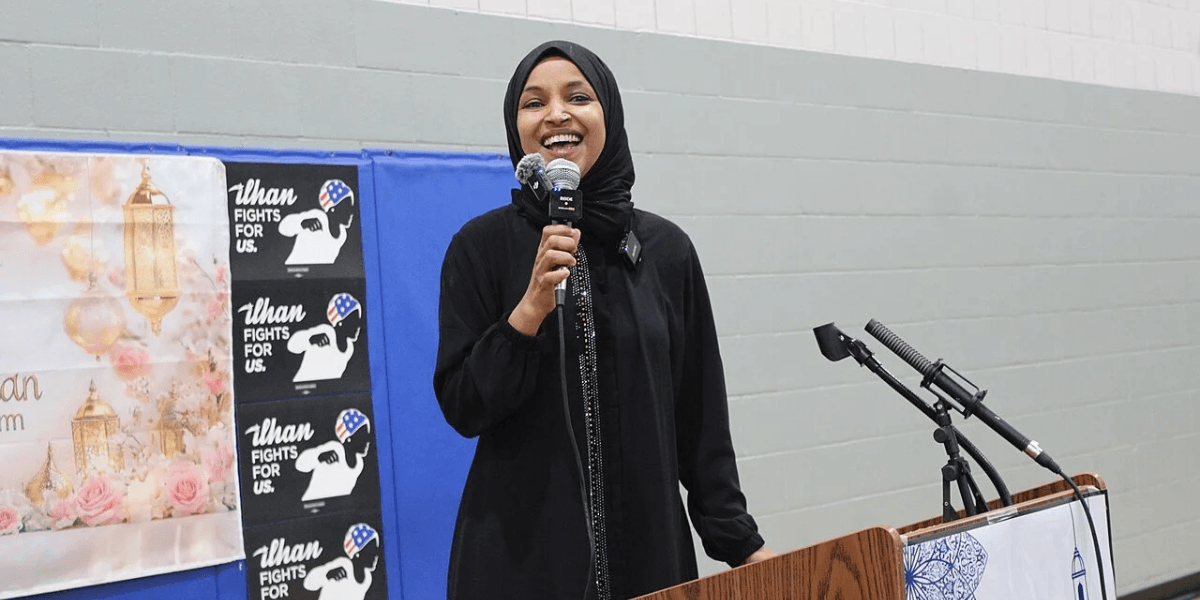
Middle East War Fallout, Domestic Strains, and Extreme Weather Test America
The United States deeply engaged on multiple fronts as the war involving Iran, Israel, and U.S. forces continued to dominate headlines with escalating regional conflict, surging oil prices, and domestic political contention. Severe weather across the central U.S. brought deadly tornado outbreaks, compounding a sense of national strain. In Washington, President Trump pressed Congress on his voter ID legislation while public protests intensified over America’s role in the Middle East. Cultural touchpoints including the World Baseball Classic and entertainment programming provided people‑level relief amid a fraught news cycle.
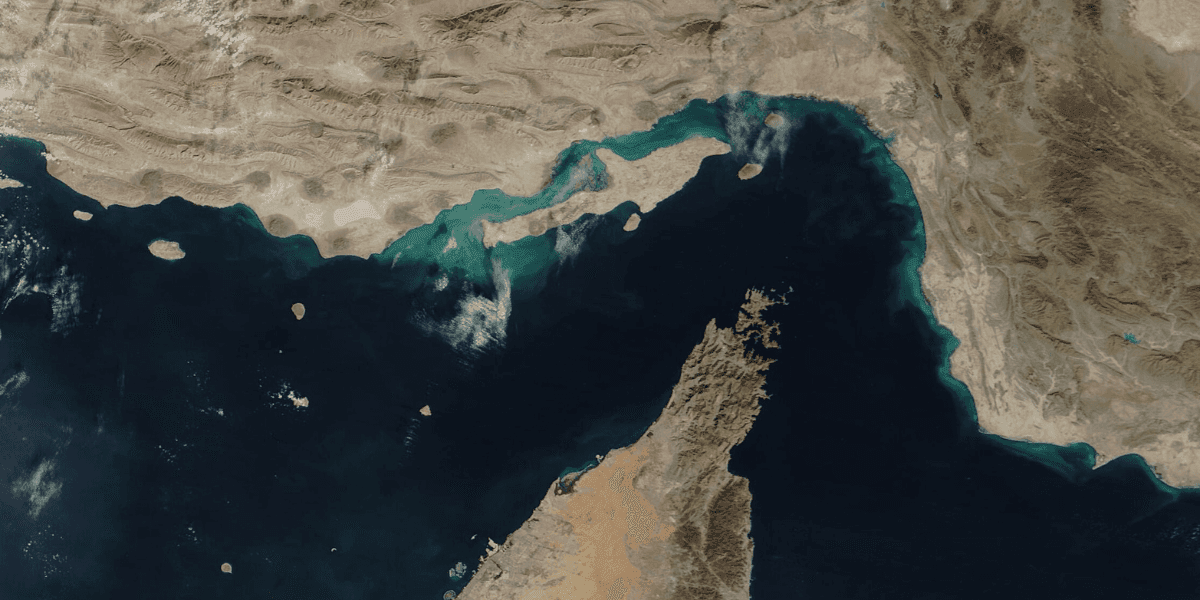
Middle East War Escalates, Pressuring U.S. Strategy and Global Markets
The conflict between Iranian forces and the combined military actions of the U.S. and Israel entered its 10th day with significant humanitarian and economic consequences. Iran’s Revolutionary Guard declared it would “determine the end of the war” as continued strikes caused mounting casualties and infrastructure damage, including reported attacks on schools and energy facilities. Global oil prices surged above $100 per barrel, driven by disruptions around the Strait of Hormuz and concerns over sustained supply interruptions, with the U.S. and G7 considering strategic reserve releases to ease market pressure. The White House reiterated there were no current plans for U.S. ground troops in Iran, but did not rule out future adjustments in military posture as the situation evolved.
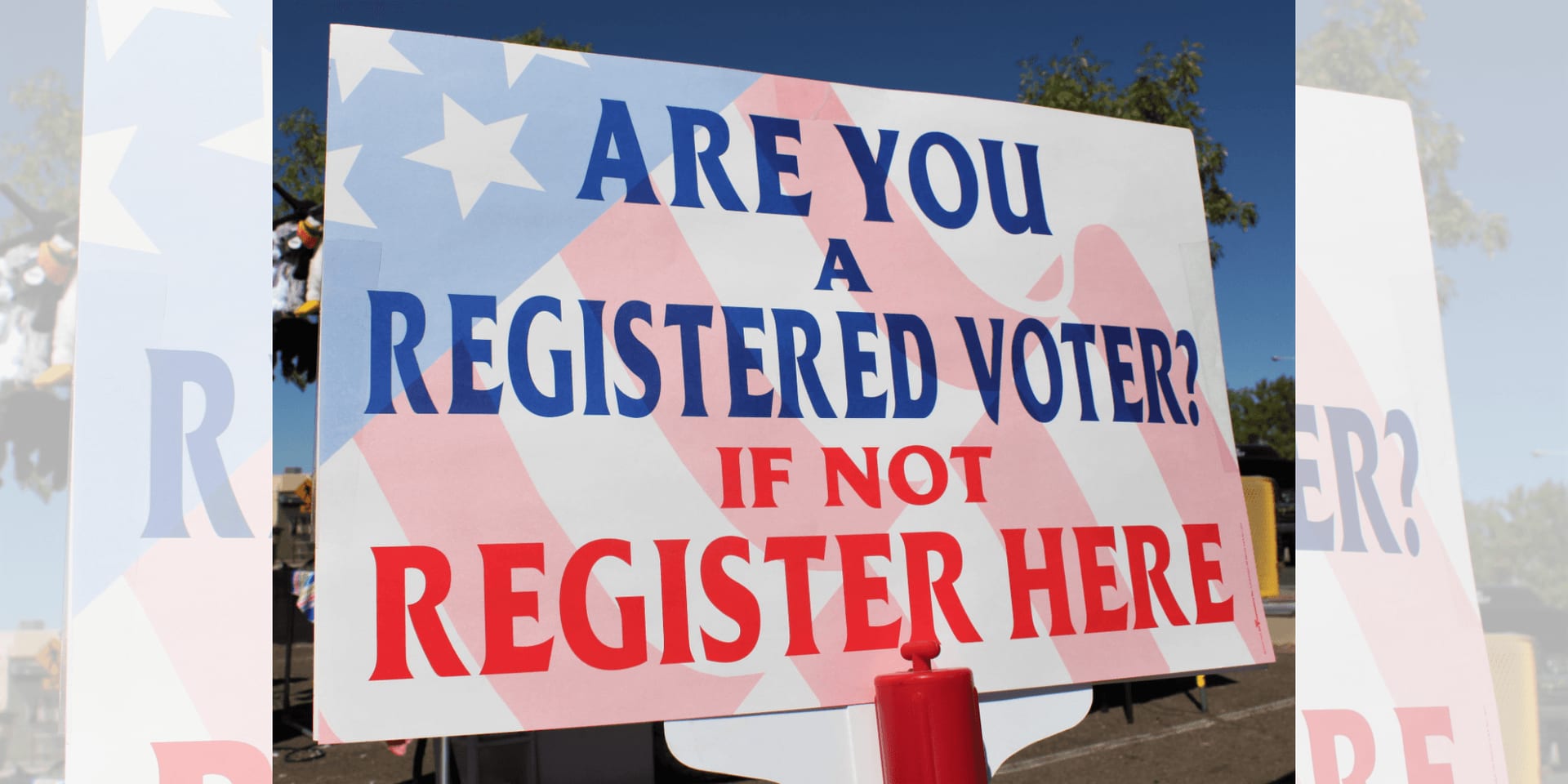
Trump Issues Voter ID Ultimatum Amid Broader Legislative Stalemate
On the domestic political front, President Donald Trump intensified his push for a controversial voter ID bill — part of his broader “Save America Act” — obligating stricter proof of citizenship for voting eligibility and tightening mail‑in ballot access. Trump warned he would withhold support for other legislative priorities until Congress approved the measure, framing it as essential to election integrity. Critics, including multiple voting rights advocacy groups, contend the plan would disenfranchise vulnerable communities and pose barriers for legally eligible voters. The standoff highlighted ongoing partisan gridlock in Washington and raised questions about legislative prospects ahead of 2026 midterms.
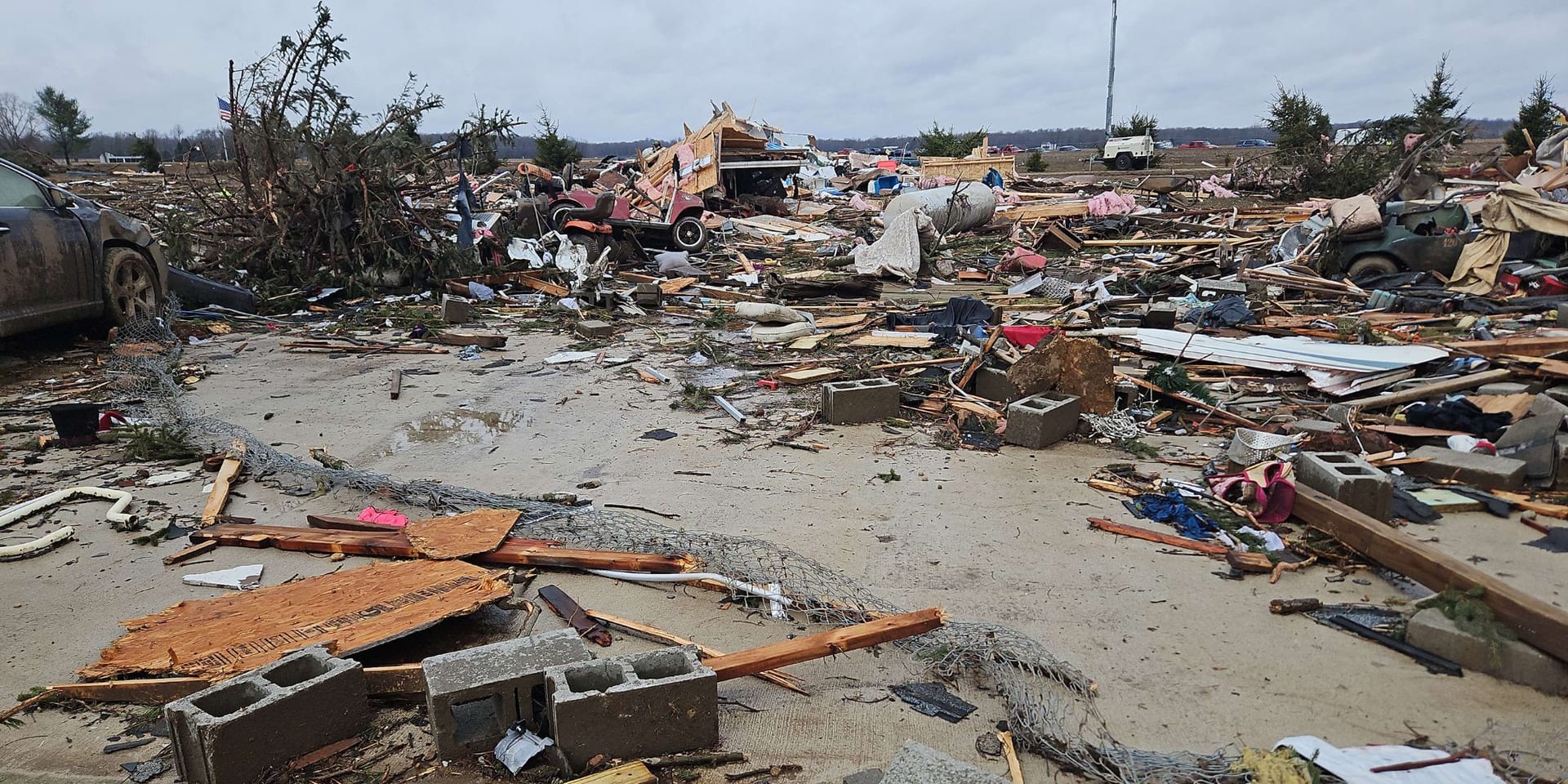
Severe Weather in Central U.S. Leaves Death and Devastation
A destructive outbreak of tornadoes ripped across parts of the central United States over the weekend and into Monday, causing at least eight confirmed deaths and injuring dozens more. Hardest hit were communities in Michigan and Oklahoma, where EF2 and EF3‑rated twisters left neighborhoods in ruins and prompted emergency declarations. Michigan Governor Gretchen Whitmer conducted aerial damage assessments and pledged state resources to recovery efforts. The outbreak, part of an active severe weather pattern, underscored concerns about increasing frequency of intense storms in the U.S. amid broader climate risk discussions.
Public Protests Reflect Divided Views on U.S. Military Action
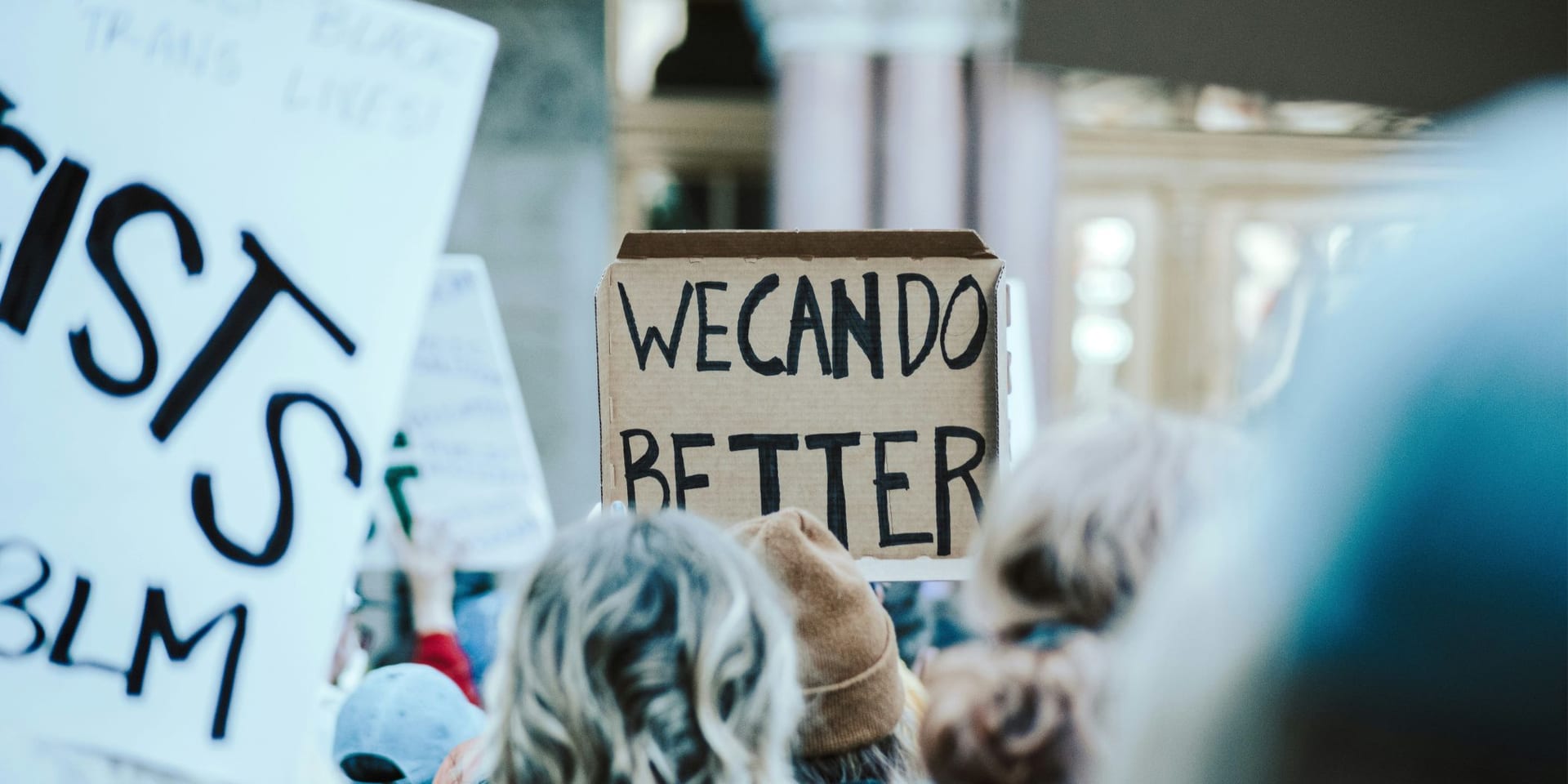
Across U.S. cities, demonstrations continued on March 9 related to American involvement in strikes on Iran and the killing of Iranian Supreme Leader Ali Khamenei. The protests, organized by diverse coalitions opposed to the military campaign, brought calls for de‑escalation and withdrawal of U.S. support for ongoing operations. These events reflected a wider cultural and political divide within the United States over foreign policy and the costs of military engagement abroad, adding pressure on administration policymakers to justify strategic priorities to domestic audiences.
Sports and Culture: Team USA Shines in World Baseball Classic
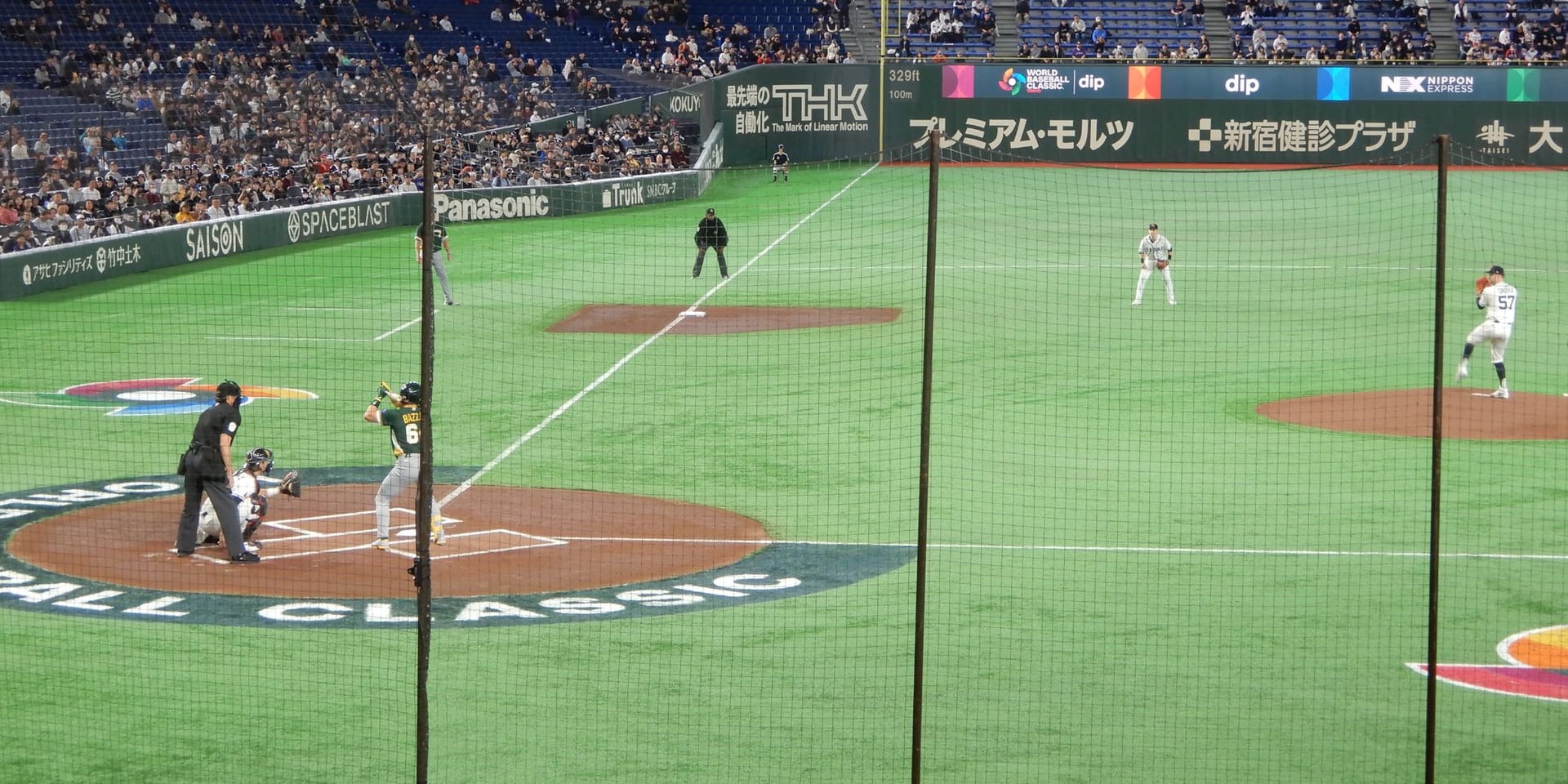
In lighter news that engaged many Americans amid a heavy news cycle, Team USA continued its strong showing at the 2026 World Baseball Classic. On March 9, the U.S. squad secured an undefeated record with a key victory over Mexico, highlighted by standout performances from pitchers and sluggers alike. The matchup drew national interest not just for its competitive implications in Pool B but for its celebration of American baseball on the international stage.
Looking Ahead:
As March progresses, the trajectory of the conflict in the Middle East will remain a central focus for U.S. foreign policy and economic stability, particularly with oil markets and global alliances under stress. Domestically, the Trump administration’s legislative priorities, especially on election law and funding issues, are poised to challenge Congress and shape political narratives into spring. Severe weather patterns in the Midwest will continue to demand federal, state, and local coordination for recovery and preparation ahead of peak storm season.