
War Abroad, Power Struggles at Home: America Confronts Escalation and Political Strain
The United States grappling with a turbulent convergence of international conflict, domestic political disputes, and mounting economic concerns. The ongoing U.S. military campaign against Iran continues to dominate headlines, while tensions in Washington intensify over presidential power, election legislation, and the role of the Supreme Court. At the same time, Americans face rising gas prices and new severe weather threats across multiple states. Together, these developments reflect a nation navigating both global confrontation and internal political strain.
U.S. Military Campaign Against Iran Intensifies
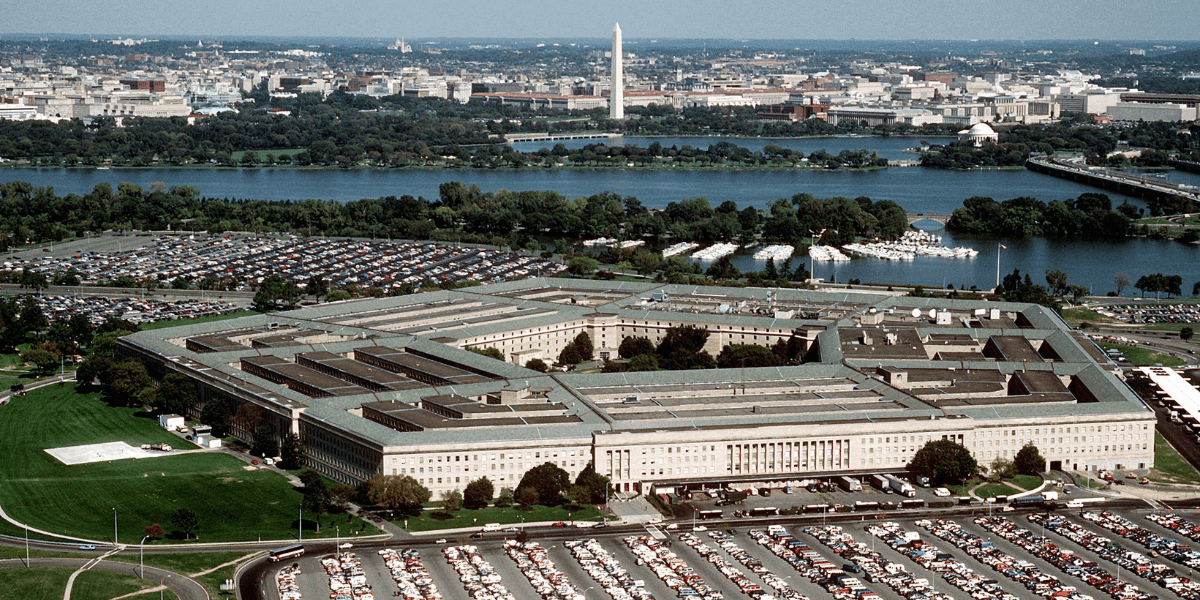
The U.S. military campaign against Iran, launched in coordination with Israel late last month, remains the most consequential issue shaping national policy and global attention. The Trump administration has continued large-scale airstrikes under the operation known as “Epic Fury,” targeting military infrastructure and strategic facilities across Iran. Pentagon officials say the strikes aim to weaken Iran’s military capabilities and deter future threats to U.S. interests in the region.
However, the conflict has already imposed a substantial human and financial toll. The Pentagon confirmed that roughly 140 U.S. service members have been injured during the operation, and billions of dollars’ worth of munitions have been used in the campaign’s opening days. Critics in Congress from both parties have questioned the administration’s strategy and the absence of a clear congressional authorization for the war, raising concerns about executive authority in matters of military engagement.
The conflict’s ripple effects are also being felt domestically. Rising energy prices and economic uncertainty tied to the conflict have increased pressure on the White House, while international calls for de-escalation have grown louder.
Gas Prices Rise as White House Promises Relief
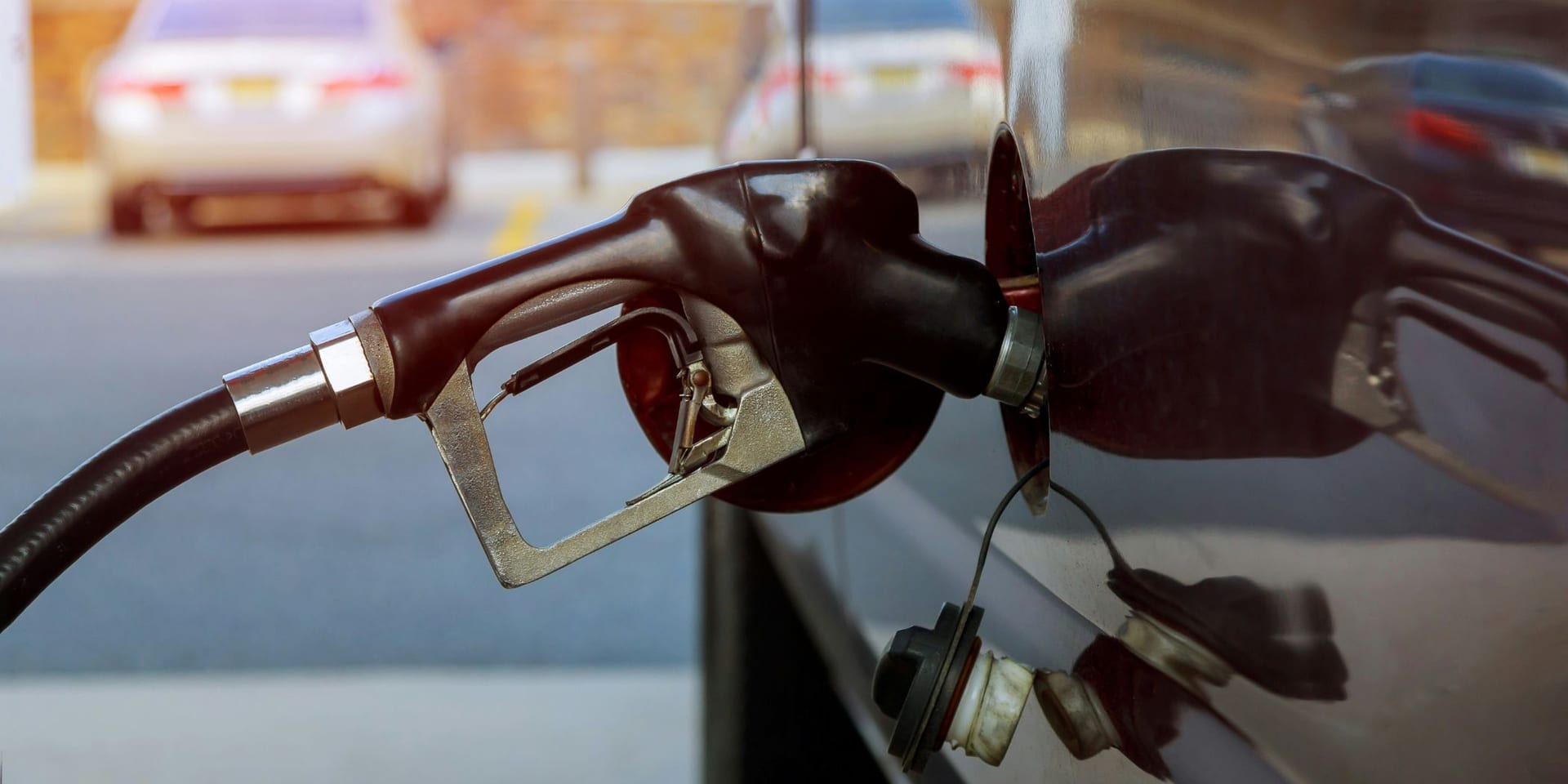
Americans are seeing the economic impact of the Middle East conflict most immediately at the gas pump. Fuel prices have risen in recent days, prompting concerns about inflation and broader economic pressures. The White House has acknowledged the spike but insists the increase will be temporary.
Press Secretary Karoline Leavitt said the administration expects energy prices to fall quickly once military objectives are achieved and global markets stabilize. Officials argue that current volatility reflects short-term geopolitical disruptions rather than long-term supply issues.
Economists remain cautious. Analysts note that oil markets often react sharply to geopolitical conflict, and any prolonged instability in the region could sustain higher prices. For American consumers and businesses—particularly transportation and agriculture sectors—continued volatility could translate into higher costs across the economy.

Trump Pressures Congress on Controversial Voter ID Bill
Domestic political tensions escalated as President Donald Trump intensified pressure on Congress to pass the “Save America Act,” a sweeping voter ID measure requiring proof of citizenship to vote and placing new limits on mail-in ballots. The president has warned lawmakers that he will refuse to sign other legislation until the bill reaches his desk.
Supporters argue the legislation would strengthen election security and restore public confidence in the voting system. Critics, including voting rights advocates and many Democrats, say the proposal could create barriers for millions of eligible voters—particularly those whose legal documents may not easily match current names or addresses.
The proposal has become a flashpoint in Washington, highlighting the ongoing partisan divide over election laws and voting access. With Congress already struggling to pass routine legislation, the standoff threatens to deepen gridlock on Capitol Hill.
Debate Over Presidential Power and Congressional Authority
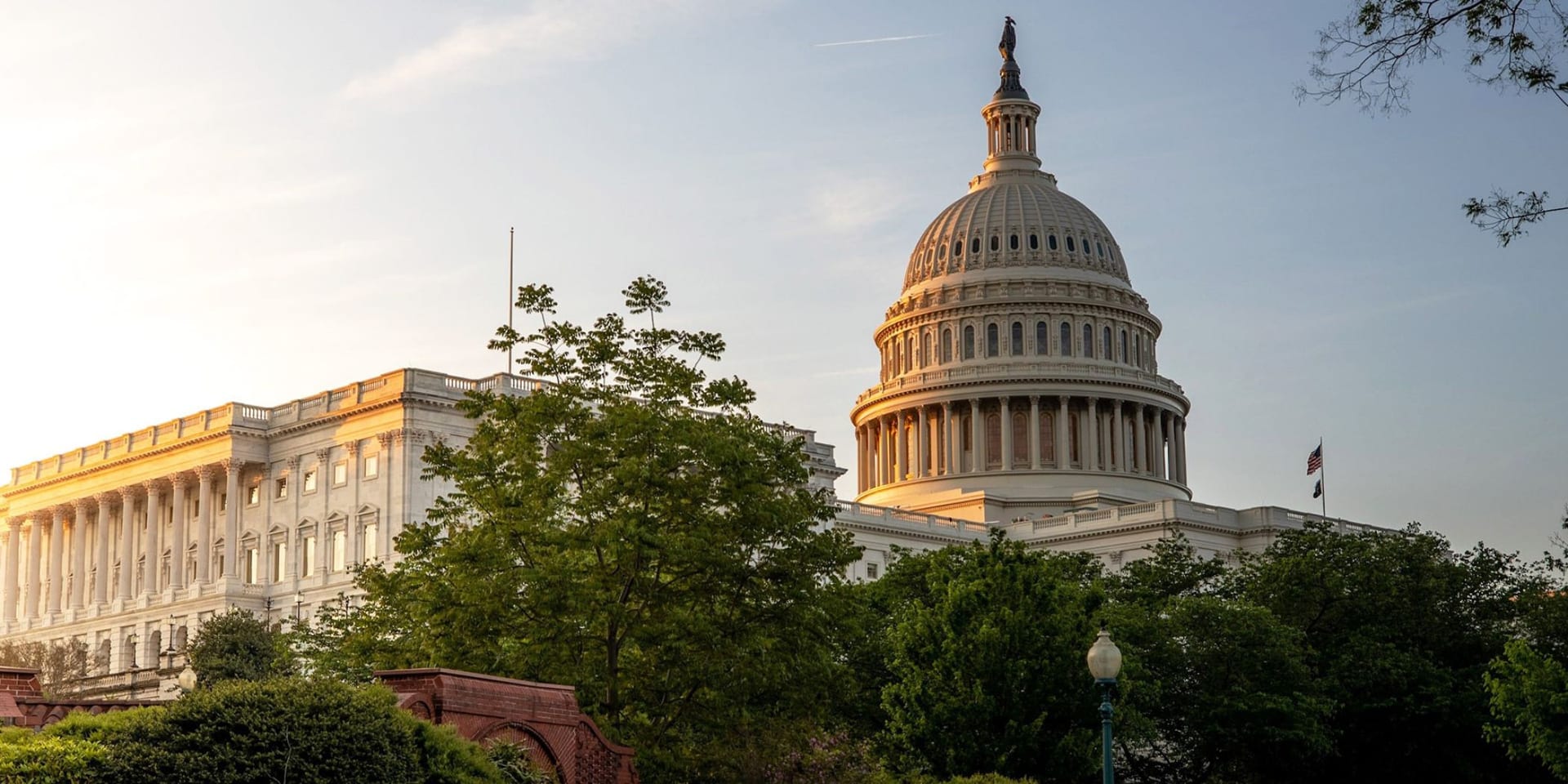
At the same time, a broader debate is unfolding in Washington about the balance of power between Congress and the presidency. Observers note that lawmakers have increasingly deferred to the executive branch in areas ranging from war powers to trade policy and regulatory authority.
During Trump’s current term, the administration has relied heavily on executive orders and emergency authorities to implement policy changes. Some lawmakers from both parties worry that this trend weakens Congress’s constitutional role and sets long-term precedents that future presidents may exploit.
A small group of legislators has begun pushing to reclaim some legislative authority, including efforts to challenge tariffs and reassert oversight of military operations. Still, many analysts say partisan polarization and political incentives continue to discourage Congress from confronting the White House directly.

Supreme Court Debate Highlights Judicial Tensions
Tensions within the judiciary were also on display this week as Supreme Court Justices Ketanji Brown Jackson and Brett Kavanaugh publicly debated the Court’s growing use of emergency rulings. The discussion centered on the so-called “emergency docket,” which allows the Court to quickly approve or block policies without full briefing and argument.
Justice Jackson criticized the increasing reliance on emergency orders, arguing that it risks allowing sweeping policy changes to take effect before courts have fully examined their legality. She warned that the practice could undermine transparency and public trust in the judicial system.
Justice Kavanaugh defended the approach, saying emergency appeals have grown more common as administrations increasingly implement major policies through executive action rather than legislation. The exchange reflects deeper ideological divisions within the Court over the limits of judicial intervention and the evolving relationship between the judiciary and the executive branch.
Severe Weather Threatens Millions Across the Central U.S.
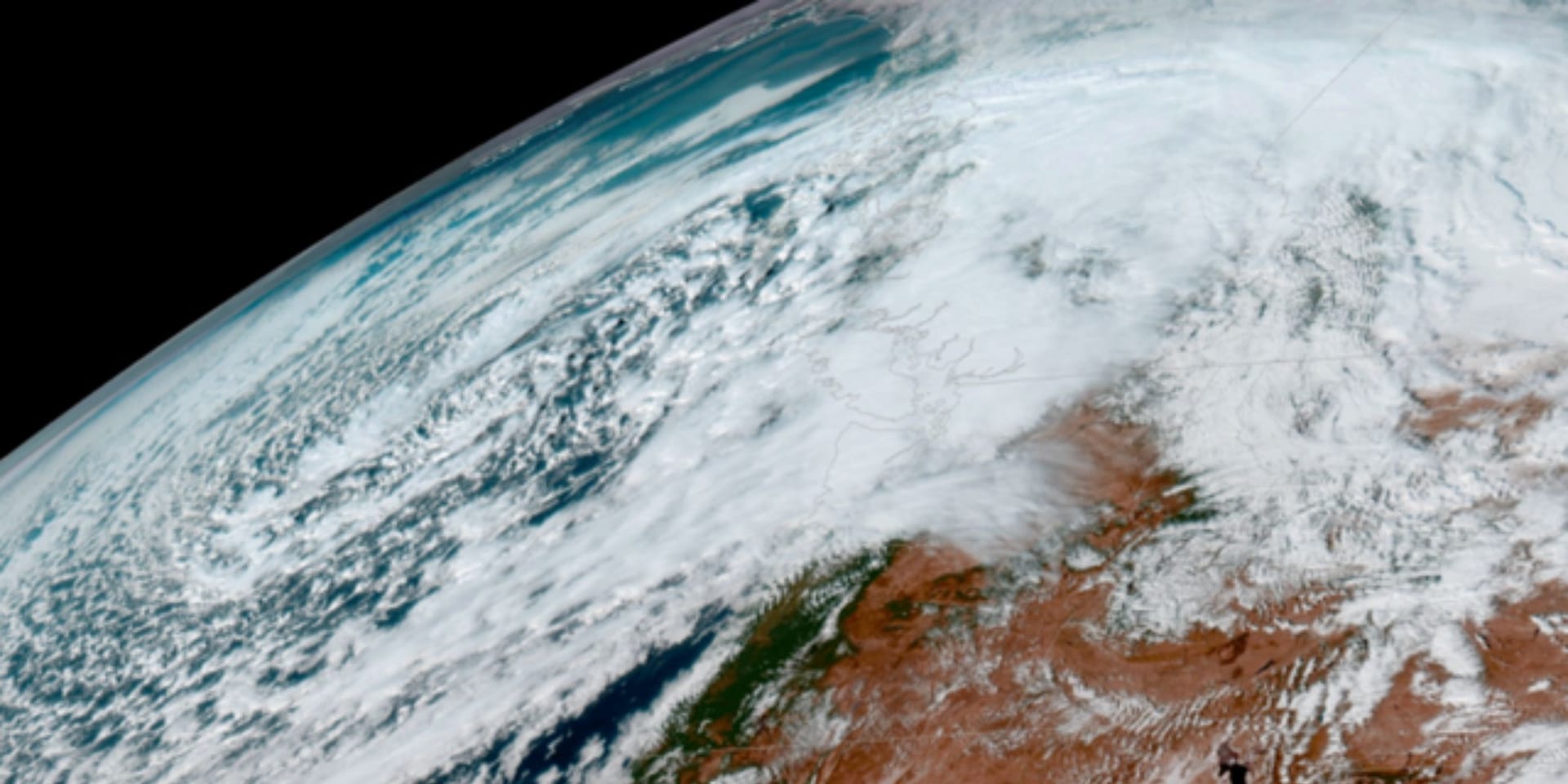
While political battles dominate Washington, severe weather is threatening large parts of the country. Meteorologists warn that millions of residents across more than ten states—from Texas to Michigan—are facing a heightened risk of tornadoes, large hail, and damaging winds.
The new storm system arrives just days after a deadly outbreak that killed several people and caused widespread destruction. Forecasters say atmospheric conditions, including warm Gulf air colliding with colder systems from the north, could produce powerful supercell thunderstorms capable of generating EF-2 or stronger tornadoes.
Emergency officials in multiple states have urged residents to prepare for rapidly changing weather conditions, particularly in areas already recovering from earlier storms.
Looking Ahead
The coming days will test the United States on several fronts. The trajectory of the conflict with Iran—and whether Congress moves to assert authority over the war—will remain a central question in Washington. Lawmakers must also decide whether the contentious voter ID proposal will move forward amid mounting partisan pressure.
Meanwhile, the economic impact of global tensions and rising energy prices could shape public sentiment nationwide. As severe weather threatens the central United States and political debates intensify in the capital, the nation enters the second half of March confronting both international uncertainty and domestic political upheaval.