Courts, Campaigns, and Economic Strains Drive a Turbulent Day in America
The United States faced another politically and legally charged day as Supreme Court battles over executive authority, election disputes, and economic uncertainty dominated national headlines. Ongoing fallout from overturned tariffs, intensifying scrutiny of federal law enforcement actions, and renewed conflicts over voting rights highlighted deep institutional tensions shaping the country ahead of the 2026 midterm elections. Across Washington and state governments alike, debates over presidential power, constitutional limits, and public trust continued to define the national conversation.
Supreme Court Cases Keep Executive Power in Focus
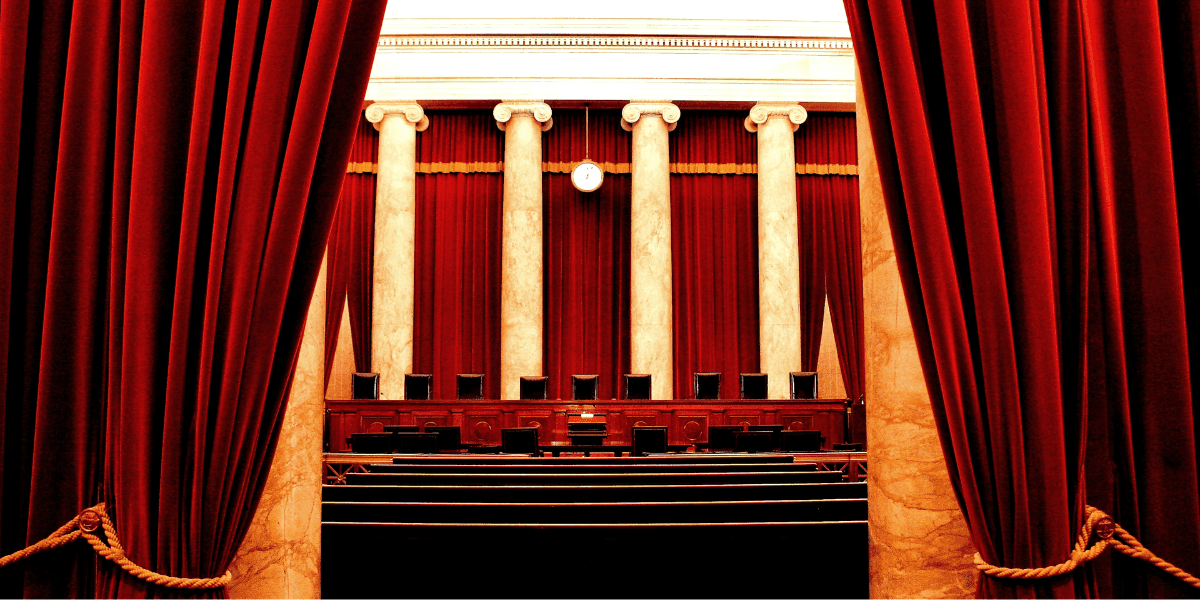
Attention remained fixed on the Supreme Court as several pending cases involving presidential authority and independent federal agencies moved closer to decisions. Among the most closely watched disputes are challenges related to birthright citizenship, immigration enforcement, and the president’s authority to remove leaders of independent agencies such as the Federal Trade Commission. Legal analysts widely view the current term as one of the most consequential in decades for the separation of powers between the executive branch and Congress.
The Court’s docket also reflects broader national debates over immigration policy, federal regulation, and constitutional protections. Cases concerning asylum seekers, geofence warrants, and the authority of administrative agencies are expected to produce rulings with lasting implications for federal governance and civil liberties. Recent decisions have already strengthened presidential influence in some areas while narrowing executive authority in others, particularly on trade policy and tariff powers.
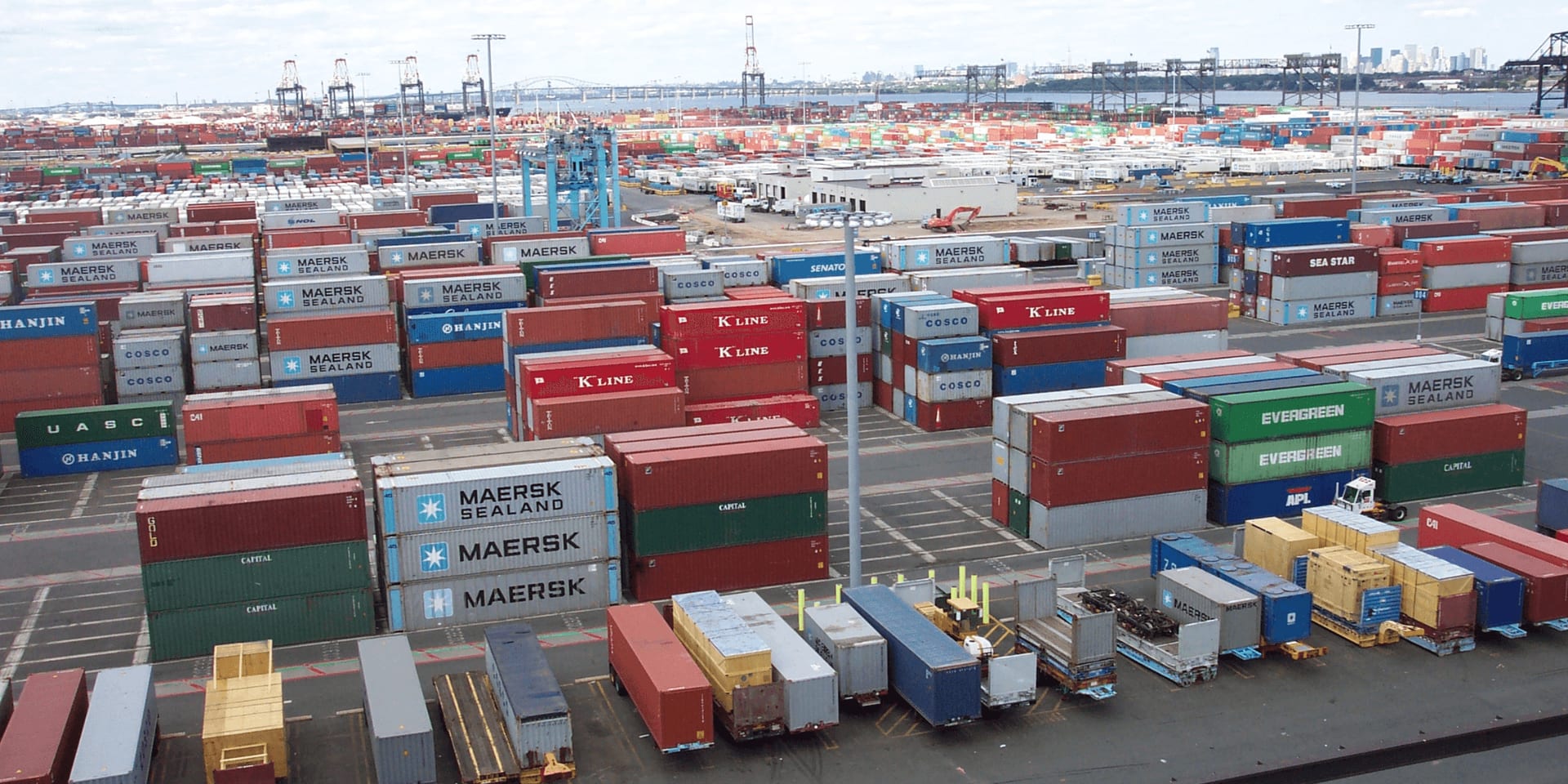
Thousands of shipping containers at the terminal at Port Elizabeth, New Jersey.
Photo Credit: Captain Albert E. Theberge, NOAA Corps (ret.)/Wikimedia
Tariff Refunds Continue After Major Court Defeat
The economic fallout from the Supreme Court’s earlier decision striking down broad Trump-era tariffs continued to ripple through American businesses and markets today. Federal officials confirmed that more than $20 billion in tariff refunds have already been distributed to importers, with tens of billions more still expected. The ruling determined that the administration exceeded its authority under the International Emergency Economic Powers Act when imposing sweeping tariffs on imports from multiple countries.
Businesses across retail, manufacturing, and transportation sectors continue to seek reimbursement for costs tied to the tariffs, which many economists argued contributed to higher consumer prices over the past year. Although the administration has attempted to preserve portions of its tariff agenda through alternate legal mechanisms, the ruling marked a major constitutional setback for executive trade authority.
The broader economic picture also remained challenging. New inflation data showing rising prices complicated expectations for potential interest-rate reductions later this year. Analysts warned that ongoing legal uncertainty surrounding trade policy could continue to affect consumer confidence and business investment heading into the summer.
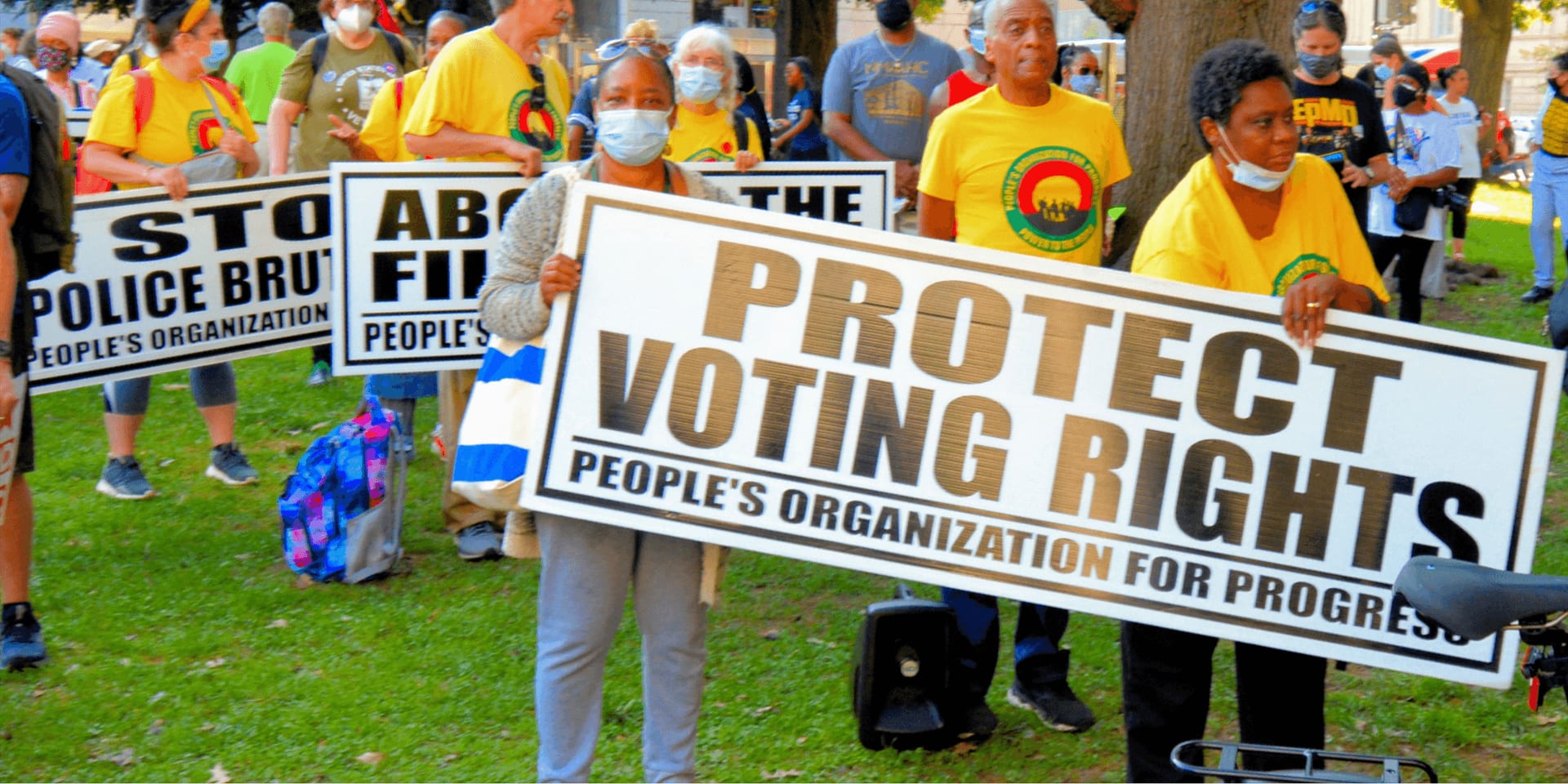
Voting Rights March on August 27, 2021
Photo Credit: Edward Kimmel/Wikimedia
Election Integrity Battles Intensify Ahead of Midterms
Election administration and voting rights disputes escalated further today as concerns mounted over federal investigations involving ballots from previous elections. Reports detailing ballot seizures in multiple states by federal authorities have triggered alarm among election officials and voting-rights advocates, who argue the actions risk undermining confidence in future elections.
The investigations, reportedly tied to allegations of voter fraud, have expanded into several battleground jurisdictions. Critics say the seizures rely on debunked conspiracy claims and could create confusion ahead of the 2026 midterm cycle. Election experts warned that unprecedented federal intervention into local ballot storage and certification procedures could increase tensions between state and federal authorities.
At the same time, a federal court blocked Alabama from using a newly drawn congressional map after judges ruled it intentionally discriminated against Black voters. The decision represented another major chapter in the ongoing national battle over redistricting and voting rights following recent Supreme Court rulings that weakened portions of the Voting Rights Act. Together, the cases underscored how election law remains one of the country’s most contested legal battlegrounds.
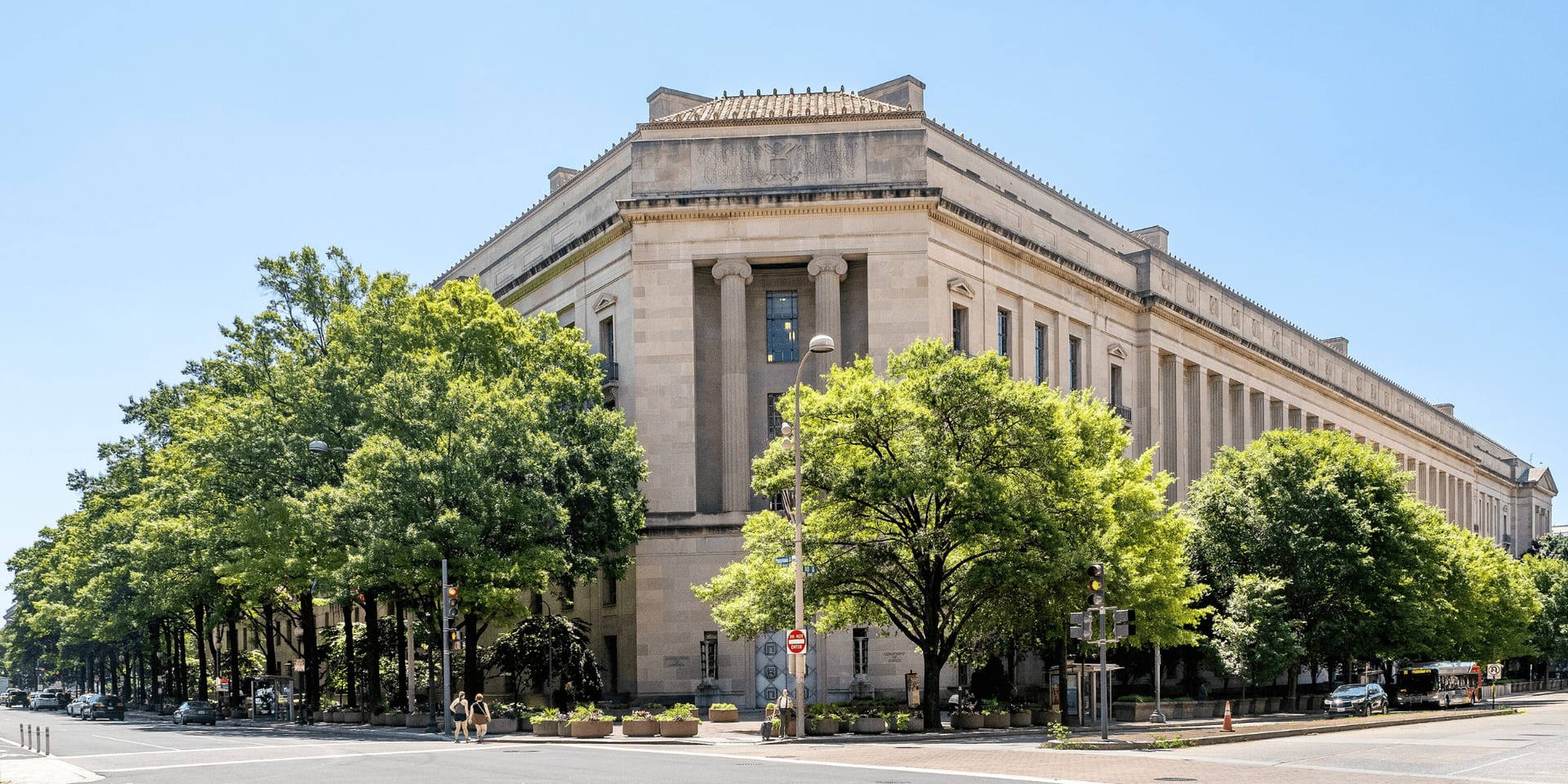
Photo Credit: ajay_suresh/Wikimedia
Justice Department Faces Questions Over Politicization
The Justice Department again found itself under scrutiny amid accusations that federal prosecutions are increasingly entangled with political disputes. A recent federal court decision dismissing criminal charges against Kilmar Abrego García continued to reverberate through legal circles after the judge characterized the prosecution as politically vindictive.
The ruling intensified criticism from civil-liberties groups and legal scholars who argue the administration has blurred lines between immigration enforcement and political retaliation. Internal communications cited during court proceedings suggested unusually high-level involvement in prosecutorial decisions, fueling concerns about independence inside the department.
Separately, reports emerged that federal investigators have opened a new inquiry involving writer E. Jean Carroll, whose civil lawsuits against Donald Trump previously resulted in major judgments against the president. The investigation centers on statements regarding litigation financing, though critics argue the timing raises additional concerns about selective enforcement and political influence inside federal law enforcement agencies.
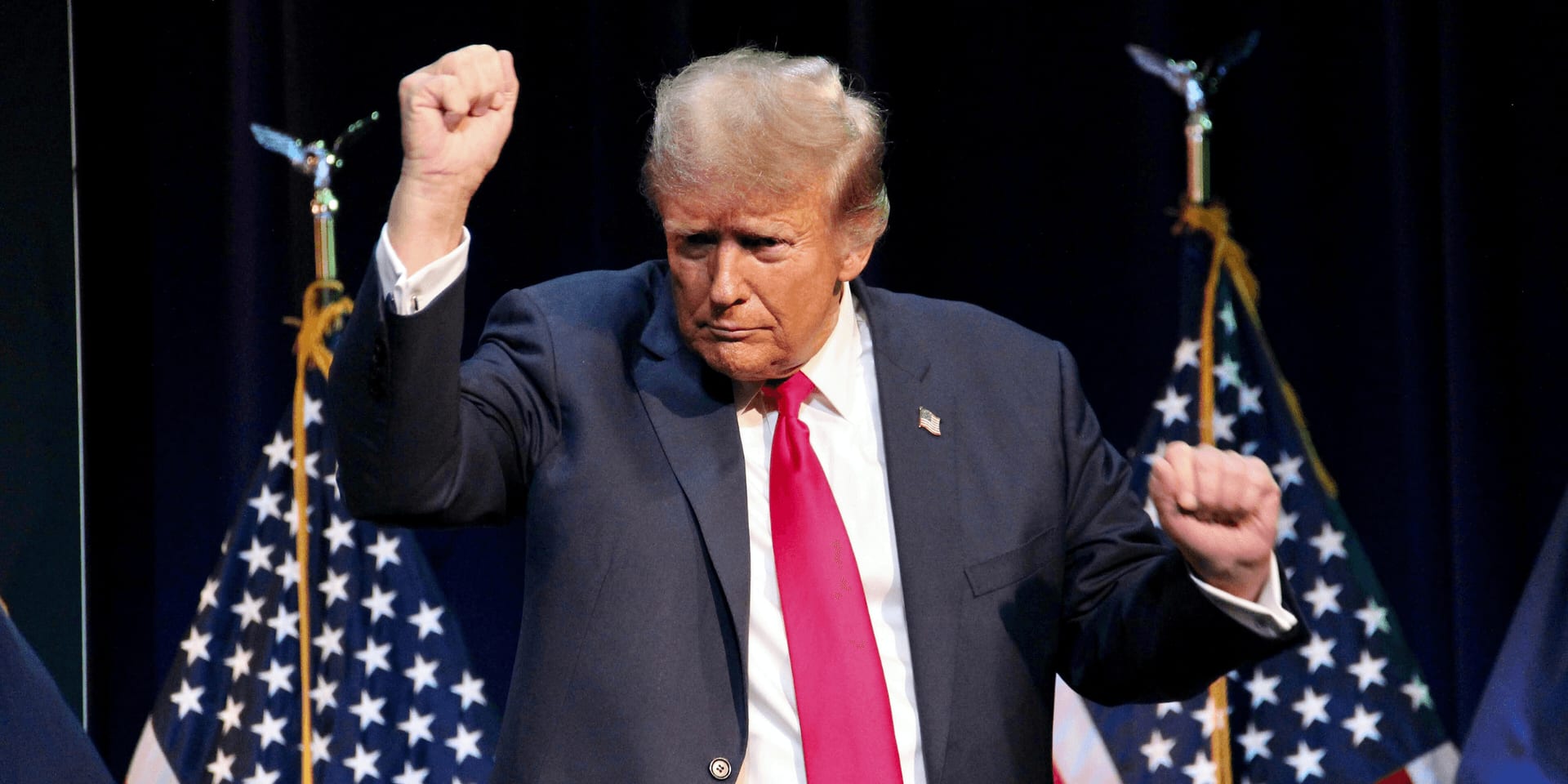
President Donald Trump holds campaign rally at the Rochester Opera House in Rochester, New Hampshire, on Sunday, January 21, 2024.
Photo Credit: Liam Enea/Wikimedia
Political Tensions Deepen Across Washington
Political conflict in Washington intensified as both parties sharpened messaging ahead of the midterms. Former President Donald Trump refiled a multibillion-dollar defamation lawsuit against The Wall Street Journal over reporting connected to Jeffrey Epstein, escalating his ongoing legal and media battles. The lawsuit adds to a growing list of aggressive legal actions against news organizations and political opponents.
Meanwhile, disputes over federal voting rules, immigration enforcement, and economic policy continued to divide lawmakers. Several Republican-led efforts to tighten election procedures survived early legal challenges, while Democrats accused the administration of attempting to centralize authority over voting systems.
Foreign policy tensions also added pressure to the administration after renewed instability in the Middle East contributed to volatility in energy markets. Combined with persistent inflation and domestic legal battles, the developments reinforced the sense of a politically volatile period in American governance.
Looking Ahead
The coming weeks are expected to bring several pivotal Supreme Court rulings that could redefine executive authority, immigration policy, and the structure of independent federal agencies. Economic attention will remain focused on inflation trends and the long-term consequences of the tariff rollback. Meanwhile, disputes over voting rights, election administration, and federal law enforcement are likely to intensify as the 2026 midterm elections draw closer. With major legal, political, and economic questions unresolved, Washington appears headed into another highly contentious summer.