
Pressure Points From Hormuz to the Heartland
The news cycle was defined by pressure on multiple fronts: a widening national-security standoff abroad, court rulings at home, economic uncertainty, cultural conflict in Washington, and severe weather across the Midwest. Together, the day’s top stories showed a country navigating overlapping tests of executive power, public safety, market confidence, and institutional trust.
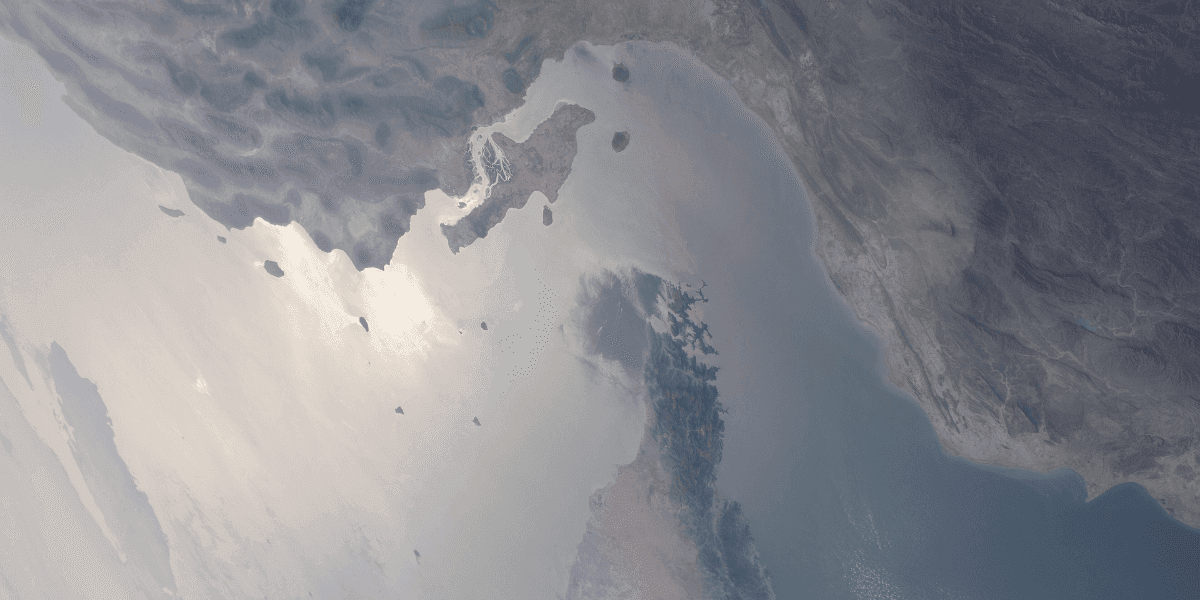
Trump’s Hormuz Claim Raises Stakes in Iran Standoff
President Donald Trump said the United States had “total control” over the Strait of Hormuz and suggested the U.S. might “keep it,” a claim Iran disputed as shipping traffic through the critical oil corridor remained severely reduced. CBS News reported that the number of tracked vessels transiting the strait had fallen to eight, compared with roughly 130 ships a day before the war began on February 28, underscoring the disruption to global energy flows and the strategic risks facing Washington.
The dispute carried direct domestic implications because the strait remains central to global oil supply and fuel prices. Reuters reported that Washington and Tehran were trading accusations over reopening the waterway, while oil prices fell more than 2% Thursday as higher inventories and lower demand forecasts offset geopolitical concerns.
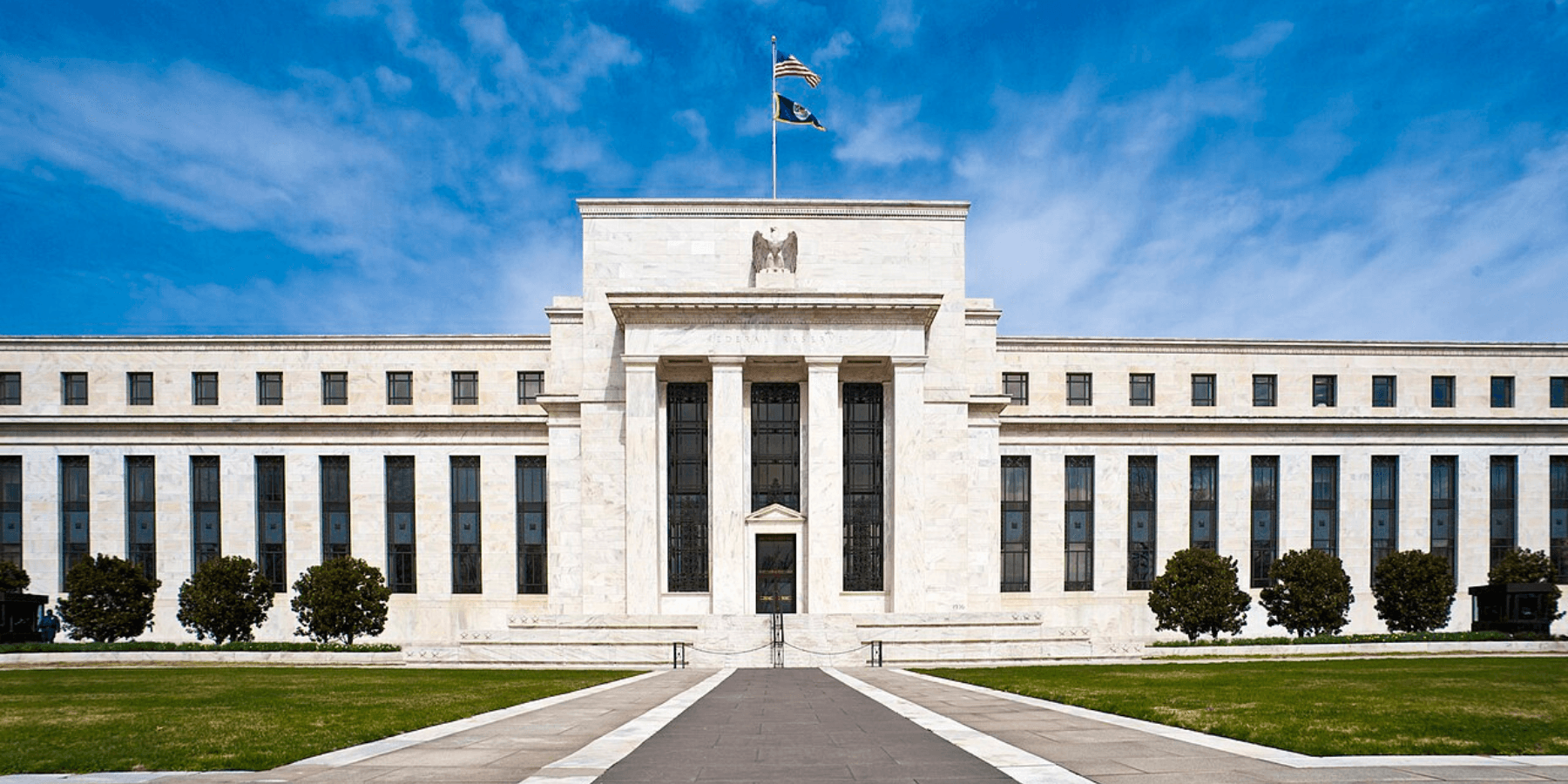
Photo Credit: Federalreserve/Wikimedia
Markets Rally as Fed Rate-Hike Bets Ease
Wall Street rose after July producer-price data came in unchanged, reducing expectations that the Federal Reserve would raise rates at its September meeting. A Reuters-carried market report said the S&P 500 gained 0.65%, the Nasdaq rose 0.81%, and traders priced a 65% chance that the Fed would stay on hold next month, up from 50% the day before.
Federal Reserve officials, however, remained divided over whether inflation was cooling fast enough. Richmond Fed President Tom Barkin said it was still an “open question” whether the Fed would need to raise rates to return inflation to its 2% target, pointing to tariff, oil-price, and artificial-intelligence investment pressures as factors that could either fade or become more embedded.
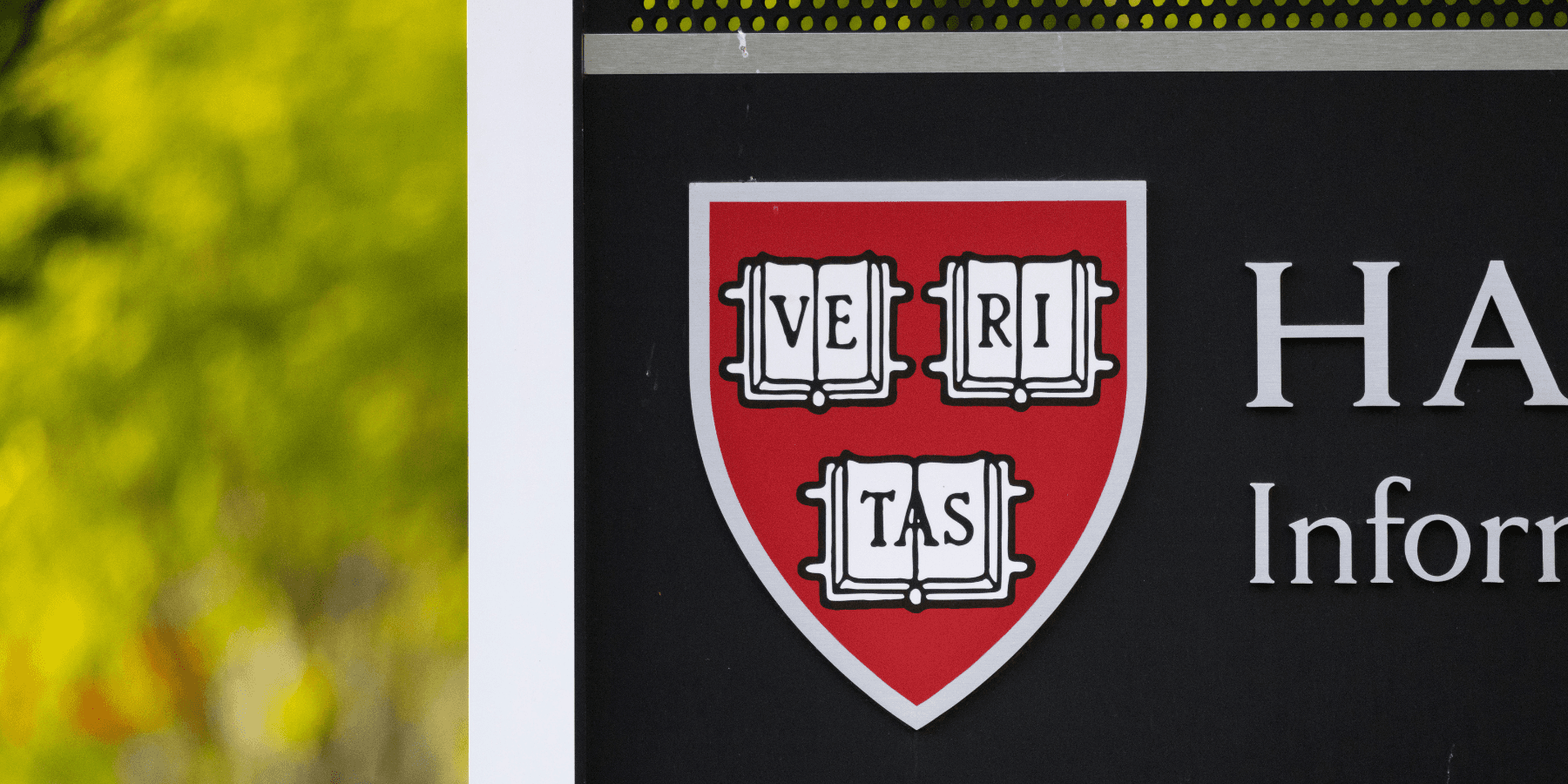
Photo Credit: Xiangkun ZHU/Unsplash
Federal Judge Dismisses Harvard Antisemitism Suit
A federal judge in Boston dismissed the Trump administration’s lawsuit accusing Harvard University of failing to protect Jewish students from harassment. U.S. District Judge Richard G. Stearns ruled that the administration had not shown an ongoing violation of federal civil-rights law, saying the cited incidents were too “isolated and episodic” to establish persistent noncompliance.
The ruling marked a significant legal setback for one of the administration’s most aggressive actions against elite universities. The lawsuit had sought sweeping remedies, including future funding restrictions and the clawback of nearly $1 billion in federal grants, while Harvard argued that it had taken steps to address antisemitism and reform campus discipline procedures.
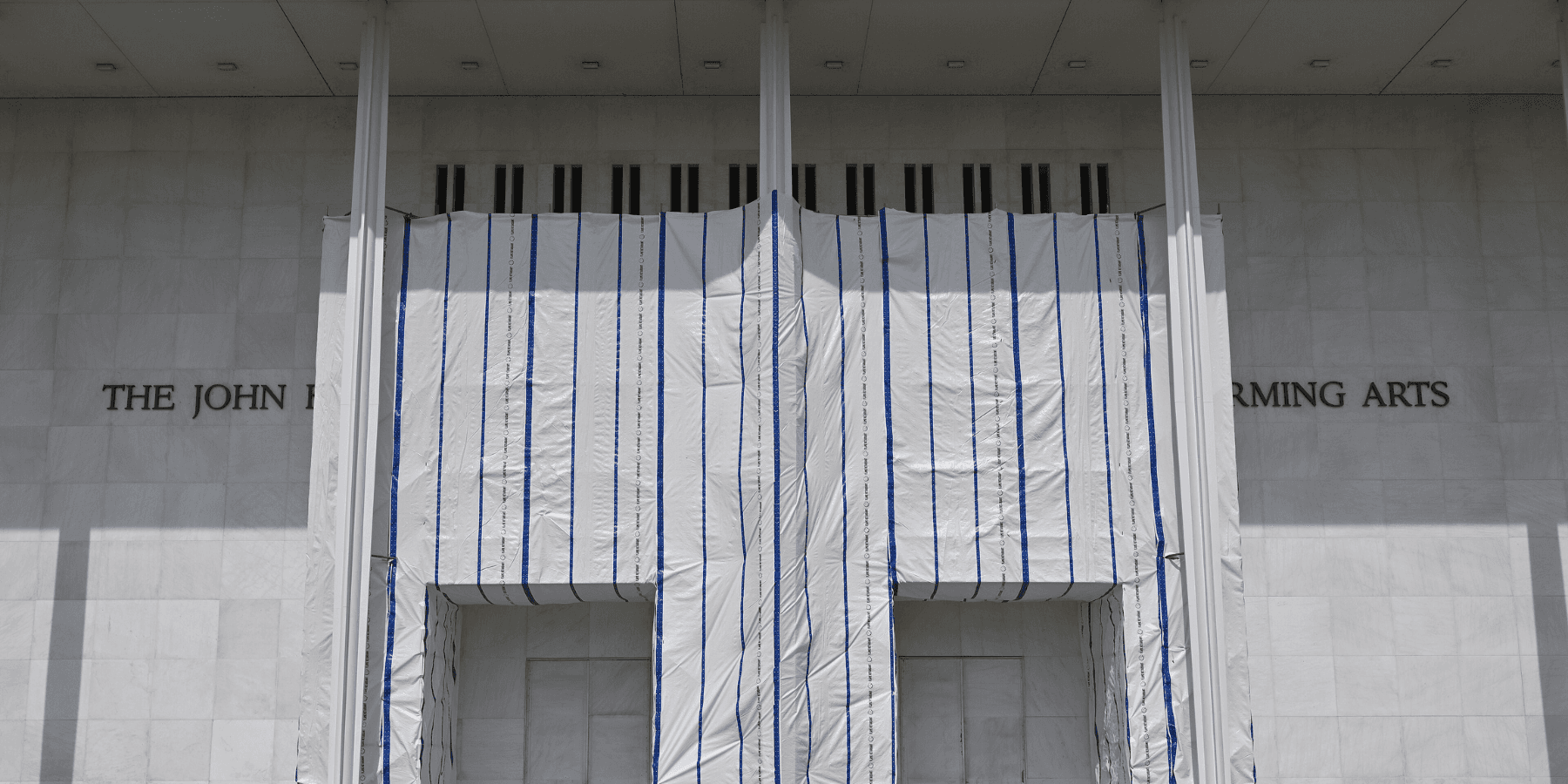
Photo Credit: G. Edward Johnson/Wikimedia (Cropped)
Kennedy Center Board Votes Again for Closure and Trump Inscription
The Kennedy Center’s board voted to move forward with a two-year closure for renovations and to add Trump’s name to the building’s facade, escalating a legal and cultural fight over one of Washington’s most prominent arts institutions. AP reported that the decision followed an earlier federal court order blocking a planned closure and that the board is largely composed of Trump allies.
The move placed the performing arts center back at the center of a broader debate over presidential influence on civic institutions and federal landmarks. Critics questioned whether the closure and inscription were politically driven, while supporters framed the renovations as necessary safety and infrastructure work.
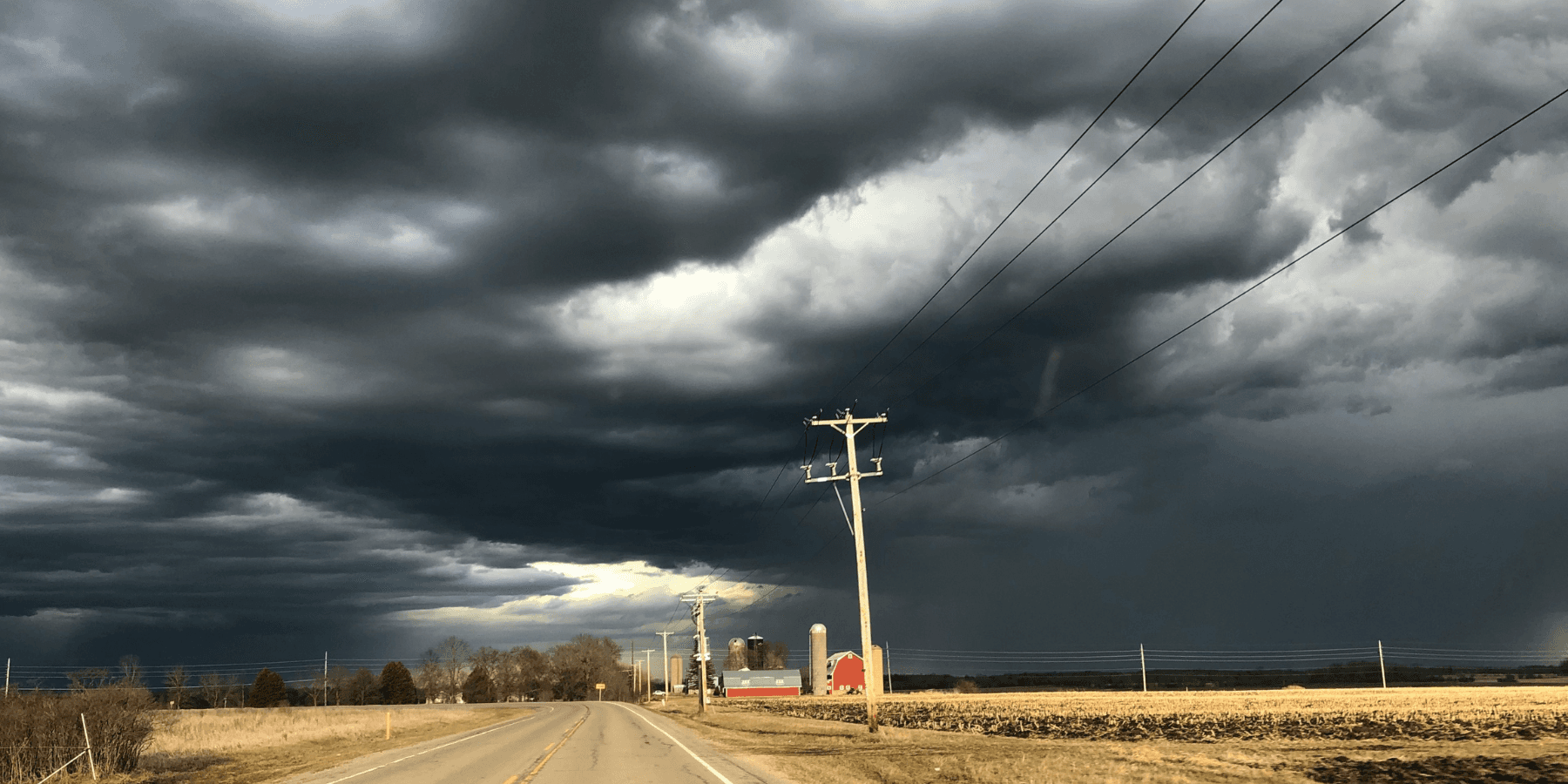
Photo Credit: Becky Sell/Unsplash
Midwest Flooding Triggers Rescues and Emergency Declarations
Severe storms and flooding battered parts of the Midwest, with Indiana among the hardest-hit states. The National Weather Service in Indianapolis said multiple rounds of strong to severe thunderstorms produced a tornado, downed trees and power lines, property damage, and catastrophic flooding, with more than 11 inches of rain reported in some areas during the multi-day event.
CNN reported that the region was facing a sixth straight day of flooding rain, with officials conducting water rescues, ordering evacuations, and mobilizing the Indiana National Guard after parts of the state experienced rainfall described as a 1-in-1,000-year event. Millions remained under flood watches as additional storms threatened already saturated communities.
Looking Ahead
The next several days will test whether the U.S.-Iran standoff can ease without further disruption to shipping and fuel markets, while investors will watch incoming inflation data for signals ahead of the Fed’s September decision. Courts will remain central to the domestic agenda, with the Harvard case likely to influence other higher-education disputes and the Kennedy Center vote potentially returning to judicial review. The Supreme Court also faces a Trump administration emergency request involving mail-ballot restrictions ahead of the November midterms, adding election law to an already crowded national docket.