
A Friday of Pressure Points: Consumers Pull Back, Courts Step In, and the Iran War Strains the Fleet
The day brought together several pressure points in American public life: a softer consumer economy, a widening debate over the costs of the Iran war, new federal crime data, and two high-profile legal developments. The day’s headlines showed an administration trying to project control on public safety and national security while courts, markets, and prosecutors shaped the broader national conversation.
Retail Sales Slump Signals a More Cautious Consumer
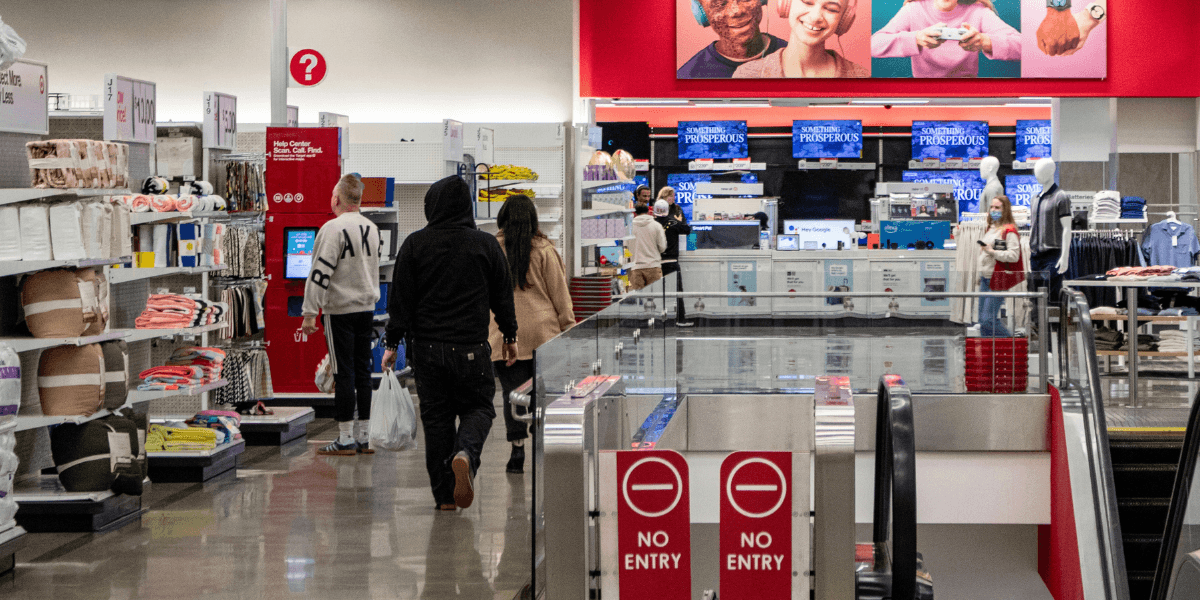
U.S. retail and food services sales fell 0.6 percent in July to $763.6 billion, according to the Census Bureau’s advance report released Friday. The decline was worse than economists had expected and still left sales 5.0 percent above July 2025 levels, underscoring a mixed picture: households are still spending more than a year ago, but the month-to-month pullback suggested consumers are becoming more selective after a period of stronger spending.
Reuters reported that the drop was the first monthly decline in nine months, with weakness led by online retailers and motor vehicle dealers. The data added to concerns that higher living costs and fading temporary boosts from earlier tax refunds were weighing on household demand, while also strengthening expectations that the Federal Reserve would remain cautious at its September meeting.

Photo Credit: U.S. Navy photo by Photographer’s Mate Airman Joan Kretschmer/Wikimedia
Carrier Rotation Exposes Strain of the Iran War
The U.S. Navy began moving the USS George Washington toward the Middle East to relieve the USS Abraham Lincoln, which has been supporting operations in the U.S. war with Iran after a record-setting stretch at sea. Reports of mental health concerns, supply problems and exhaustion aboard the Lincoln prompted Democratic lawmakers to seek accountability from the Pentagon, while Defense Secretary Pete Hegseth said the conditions had been “completely misrepresented.”
President Donald Trump sharpened the controversy later Friday when he said the Lincoln’s long deployment had been “not nearly long enough,” even as the administration continued to enforce a blockade tied to the Strait of Hormuz. The issue has widened from a naval logistics question into a national debate over the human and material costs of a conflict whose endgame remains unclear.
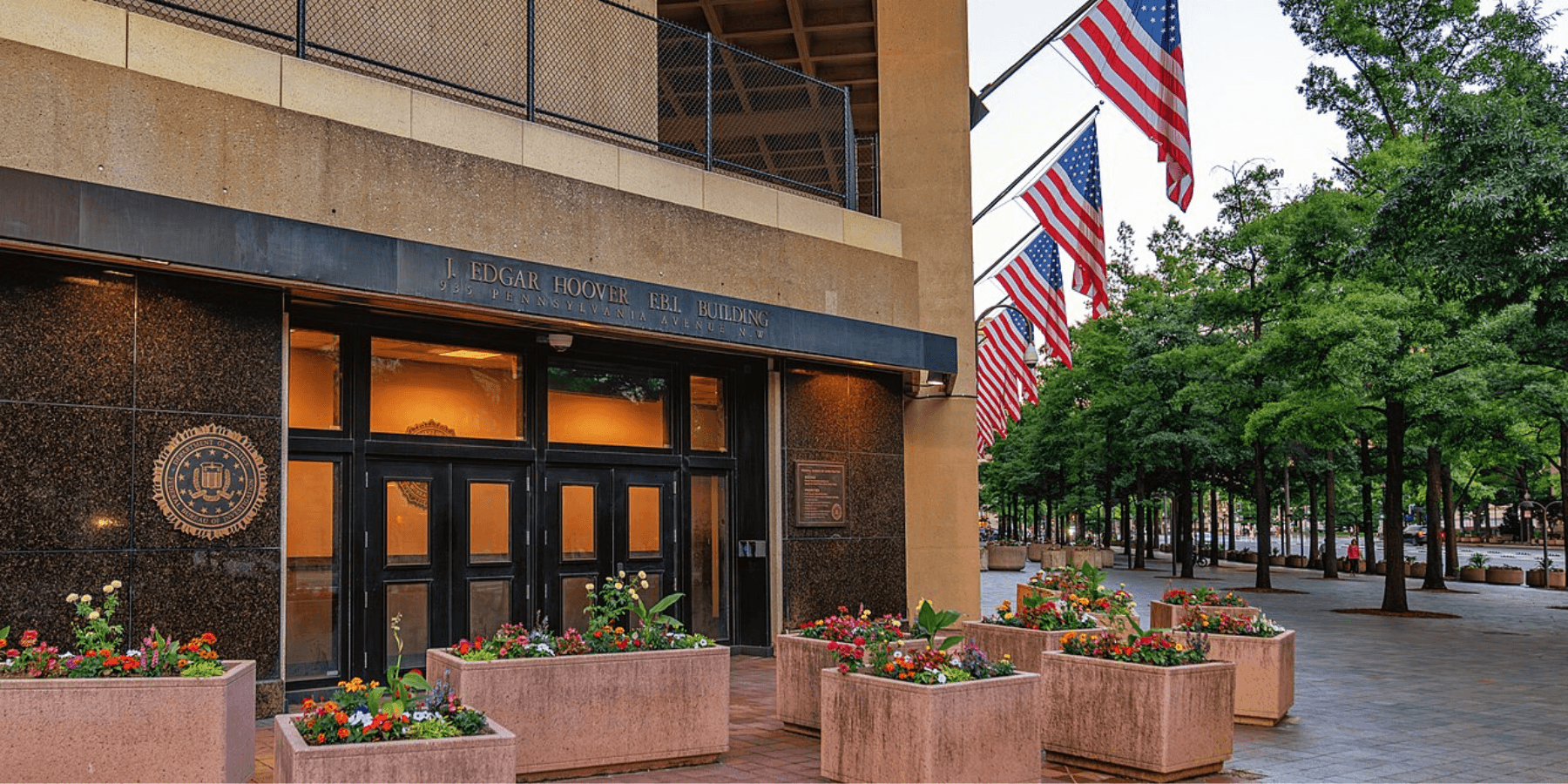
Photo Credit: Tony Webster/Wikimedia (Cropped)
FBI Crime Report Gives Trump a Public-Safety Platform
The FBI reported that homicides fell 18.1 percent in 2025, bringing the national homicide rate to 4.1 per 100,000 people, its lowest level since the mid-1950s. Overall violent crime declined 9.3 percent, while property crime fell 12.4 percent, according to the data highlighted Friday.
Trump used the figures during a law-enforcement event in New York to argue that his public-safety agenda was working. Criminologists cited by AP cautioned that the causes of the decline remain difficult to isolate, noting that violent crime has fallen across jurisdictions with different policing strategies, political leadership and local conditions.
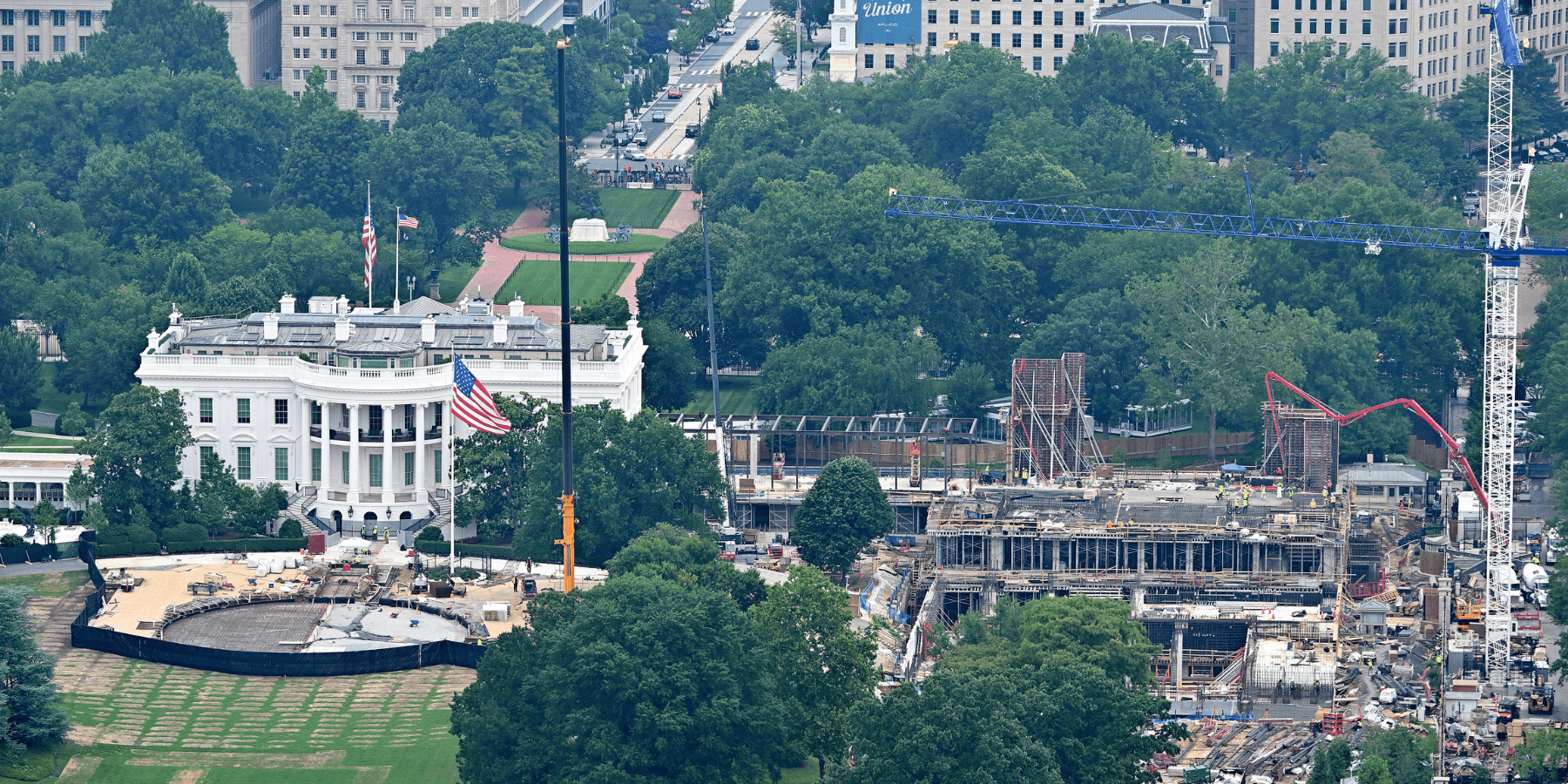
Photo Credit: G. Edward Johnson/Wikimedia (Cropped)
White House Ballroom Fight Reaches the Supreme Court
The Trump administration asked the Supreme Court to allow construction to continue on a $400 million White House ballroom project while it appeals lower-court rulings that halted above-ground work. A divided D.C. Circuit panel had ruled that the administration lacked authority to proceed without congressional approval, and the government asked the justices to act before the injunction takes effect on August 21.
Solicitor General D. John Sauer framed the project as a national-security necessity, while opponents argued that the administration was trying to avoid congressional control over federal property and spending. The case now stands as another test of executive power, judicial oversight and the limits of presidential control over the White House complex itself.
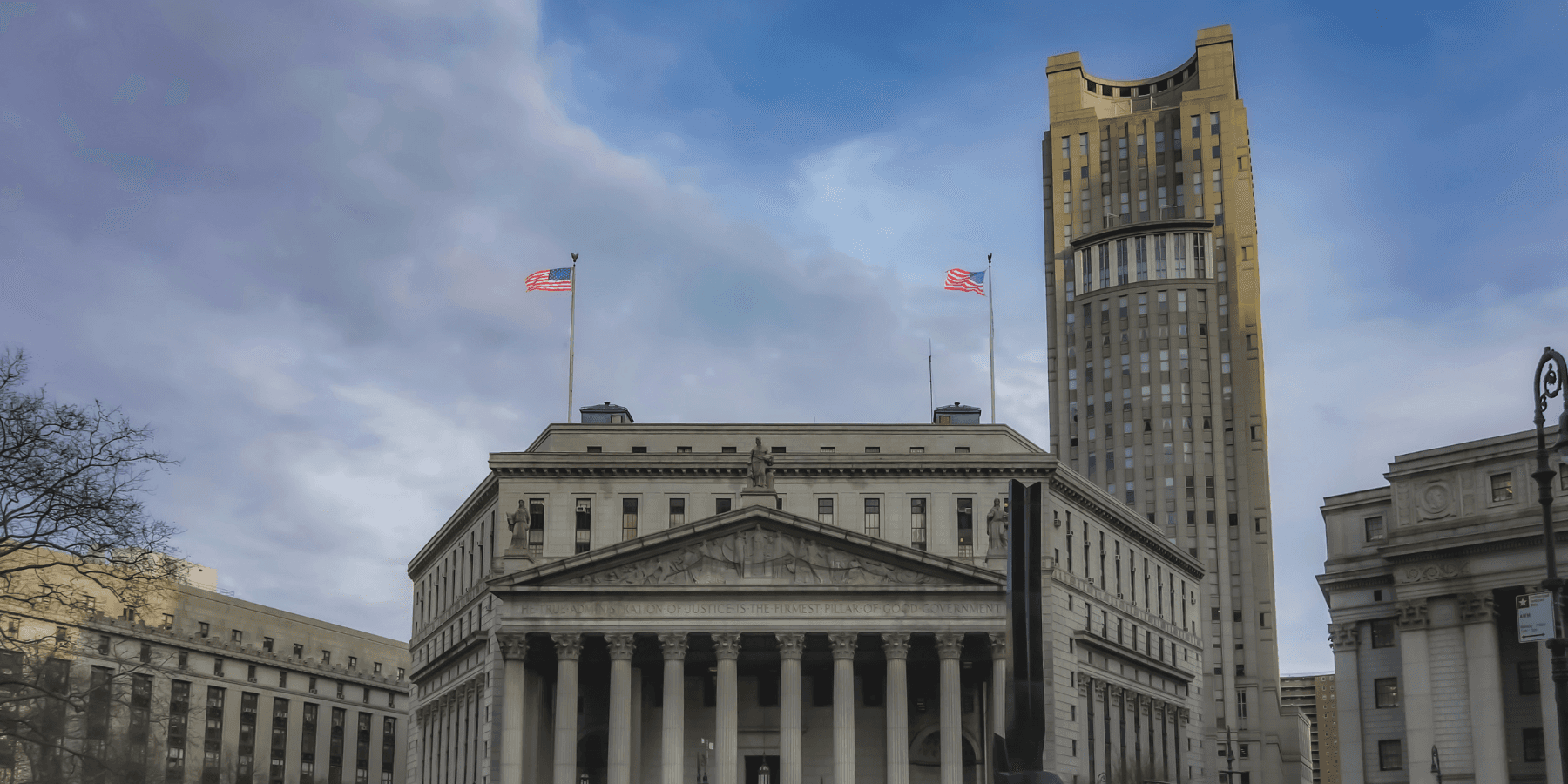
Photo Credit: Snap Wander/Unsplash
Mangione Pleads Guilty in UnitedHealthcare CEO Killing
Luigi Mangione pleaded guilty in federal court to two stalking counts connected to the December 2024 killing of UnitedHealthcare CEO Brian Thompson in Midtown Manhattan. The Justice Department said Mangione admitted responsibility before U.S. District Judge Margaret Garnett, and sentencing was scheduled for December 18, 2026.
The plea marked a major turn in a case that drew national attention because of both the targeted killing of a corporate executive and the public anger it exposed toward the U.S. health insurance system. Mangione still faces state charges in New York, and his lawyers moved to dismiss those charges under state double-jeopardy arguments after the federal plea.
Looking Ahead
The next phase of the news cycle will center on whether the Supreme Court acts before the White House construction injunction takes effect, how the Pentagon responds to scrutiny over carrier deployments, and whether new economic data confirm a broader consumer slowdown. Retailers’ upcoming earnings, the September retail-sales report, and the Federal Reserve’s next rate decision will sharpen the economic picture, while Mangione’s sentencing and the unresolved state case will keep one of the country’s most closely watched criminal prosecutions in the spotlight.