
Courts, Protests, and Policy Clashes Define a Divided America
The United States entered the final stretch of May amid intensifying political and legal battles over presidential authority, immigration enforcement, and the future of the federal workforce. Court rulings, executive actions, and nationwide protests highlighted deep divisions over trade policy, economic management, and the expanding power of the executive branch, while growing uncertainty across financial markets and government agencies added to a sense of institutional strain throughout the country.
Supreme Court Decisions Continue to Reshape Federal Authority
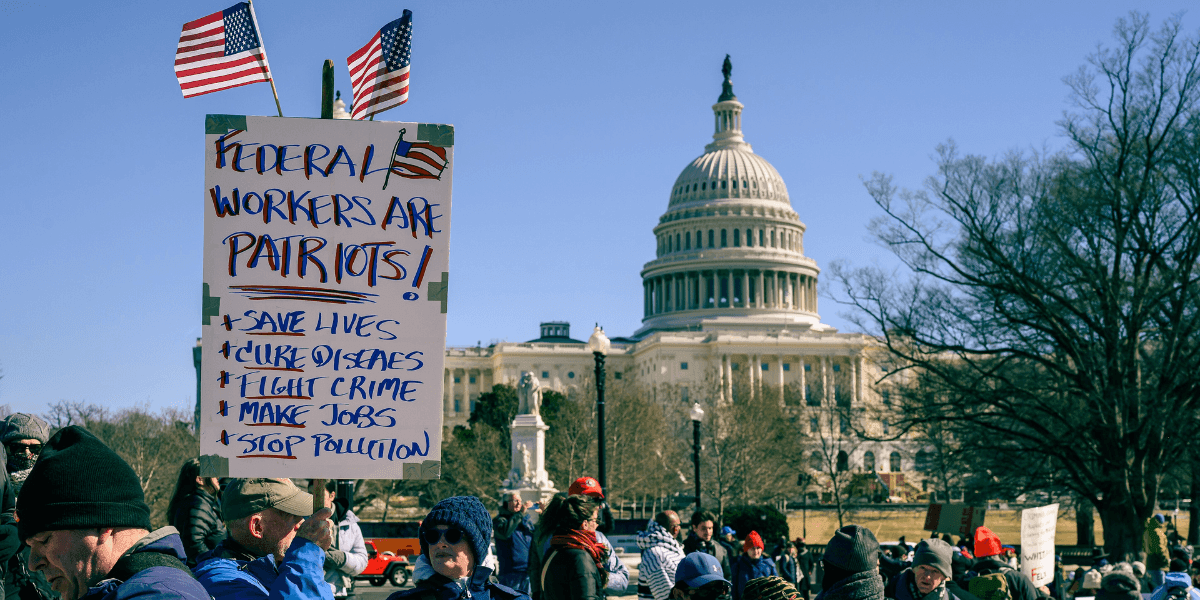
The Supreme Court remained at the center of national political debate as the effects of several major rulings continued to reverberate through the federal government. Earlier decisions clearing the way for large-scale reductions in force across federal agencies have accelerated restructuring plans inside departments ranging from Health and Human Services to the Treasury Department.
Administration officials have defended the cuts as necessary efforts to streamline government operations and reduce spending. Labor unions and Democratic lawmakers, however, argue that the layoffs threaten critical public services and bypass congressional authority. Tens of thousands of federal workers remain vulnerable to dismissal as agencies prepare new rounds of workforce reductions.
The Court’s broader posture toward executive authority has also drawn national attention following its earlier ruling against several Trump-era tariff measures. Legal scholars increasingly view the Court as a decisive force in determining how far presidents may go in reshaping economic and administrative policy without direct congressional approval.
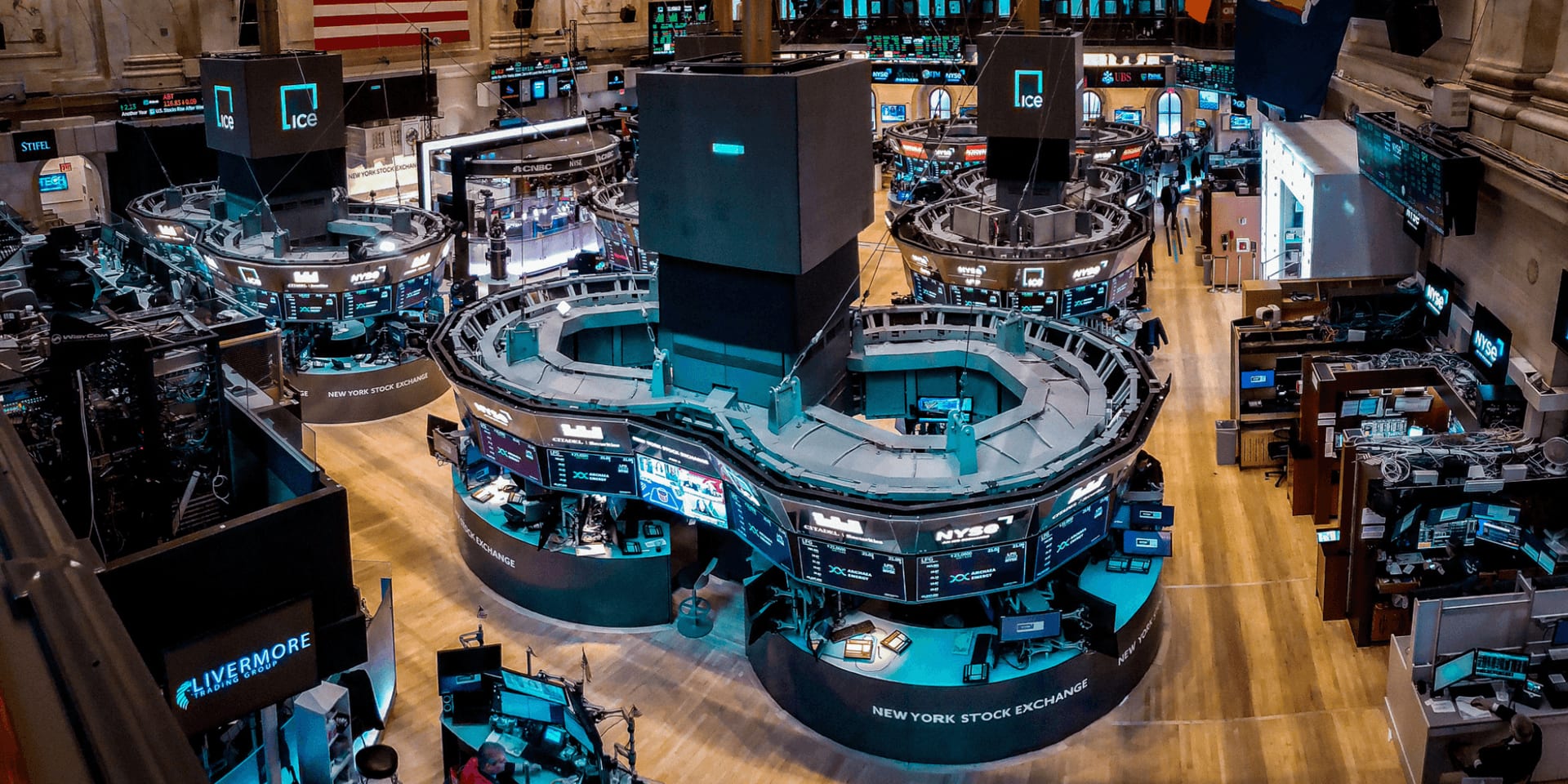
The New York Stock Exchange in 2022, as seen from a vantage point inside the main trading hall.
Photo Credit: Tobias Deml/Wikimedia
Economic Anxiety Persists After Tariff Battles
Economic concerns continued to dominate national discussion following months of legal and political conflict surrounding U.S. trade policy. Markets previously rallied after the Supreme Court struck down broad tariffs imposed under emergency powers, but uncertainty remains over what replacement measures the administration may pursue.
President Trump has vowed to continue pursuing aggressive trade actions using alternative legal authorities, maintaining that tariffs remain central to protecting domestic manufacturing and reducing trade imbalances. Economists remain divided over whether renewed tariff policies would strengthen American industry or intensify inflationary pressures already affecting consumers and businesses.
Meanwhile, broader concerns about layoffs and automation continued to weigh on workers nationwide. Corporate restructuring tied to artificial intelligence adoption and shifting global supply chains has contributed to rising anxiety among white-collar employees across multiple industries.

U.S. Immigration and Customs Enforcement (ICE) Enforcement and Removal Operations' (ERO) officers in West Palm Beach, Florida on February 14, 2025
Photo Credit: usicegov/Wikimedia
Immigration Enforcement Sparks Renewed Protest Movement
Immigration policy again emerged as one of the country’s most divisive issues as protests against federal enforcement operations continued in several major cities. Activists interrupted a Trump rally in New York state on Friday, accusing the administration of escalating deportation efforts and expanding detention operations.
The demonstrations are part of a broader anti-ICE protest movement that has spread nationally throughout 2026 following several controversial enforcement incidents earlier this year. Organizers have called for immigration policy reforms, increased oversight of federal agents, and reductions in detention operations.
The administration has rejected criticism of its policies, arguing that stronger enforcement is necessary to restore border security and uphold federal law. Republican officials have largely aligned behind the White House approach, while civil rights organizations and immigrant advocacy groups continue pressing legal and political challenges against enforcement tactics.
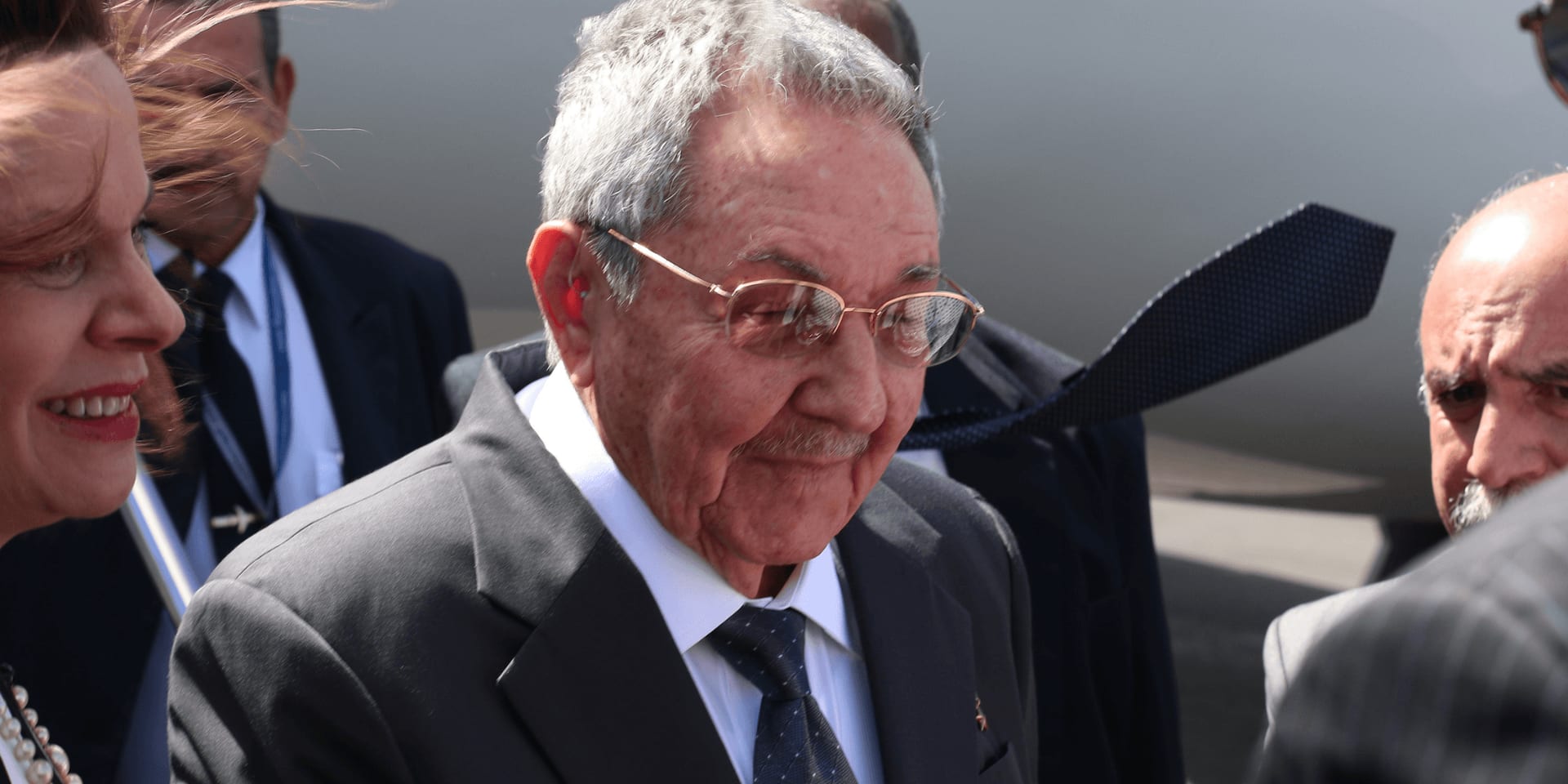
Photo Credit: Gobierno de Costa Rica/Wikimedia
Foreign Policy Tensions Deepen With Cuba and Iran
International tensions also remained elevated as the United States continued to navigate confrontations involving both Cuba and Iran. The Justice Department’s indictment of former Cuban leader Raúl Castro earlier this week significantly escalated diplomatic friction between Washington and Havana.
Federal prosecutors accused Castro and other officials of involvement in the 1996 downing of humanitarian aircraft flown by a U.S.-based exile organization. The move was praised by anti-communist groups but criticized by others as a step likely to worsen already strained relations between the two countries.
At the same time, the administration continued monitoring instability tied to military operations near the Strait of Hormuz following recent confrontations involving Iran. The White House has defended U.S. naval actions in the region as necessary to protect commercial shipping lanes and international trade.
Foreign policy analysts warn that the overlapping crises could increase economic risks globally, particularly if disruptions affect energy markets or maritime trade routes.
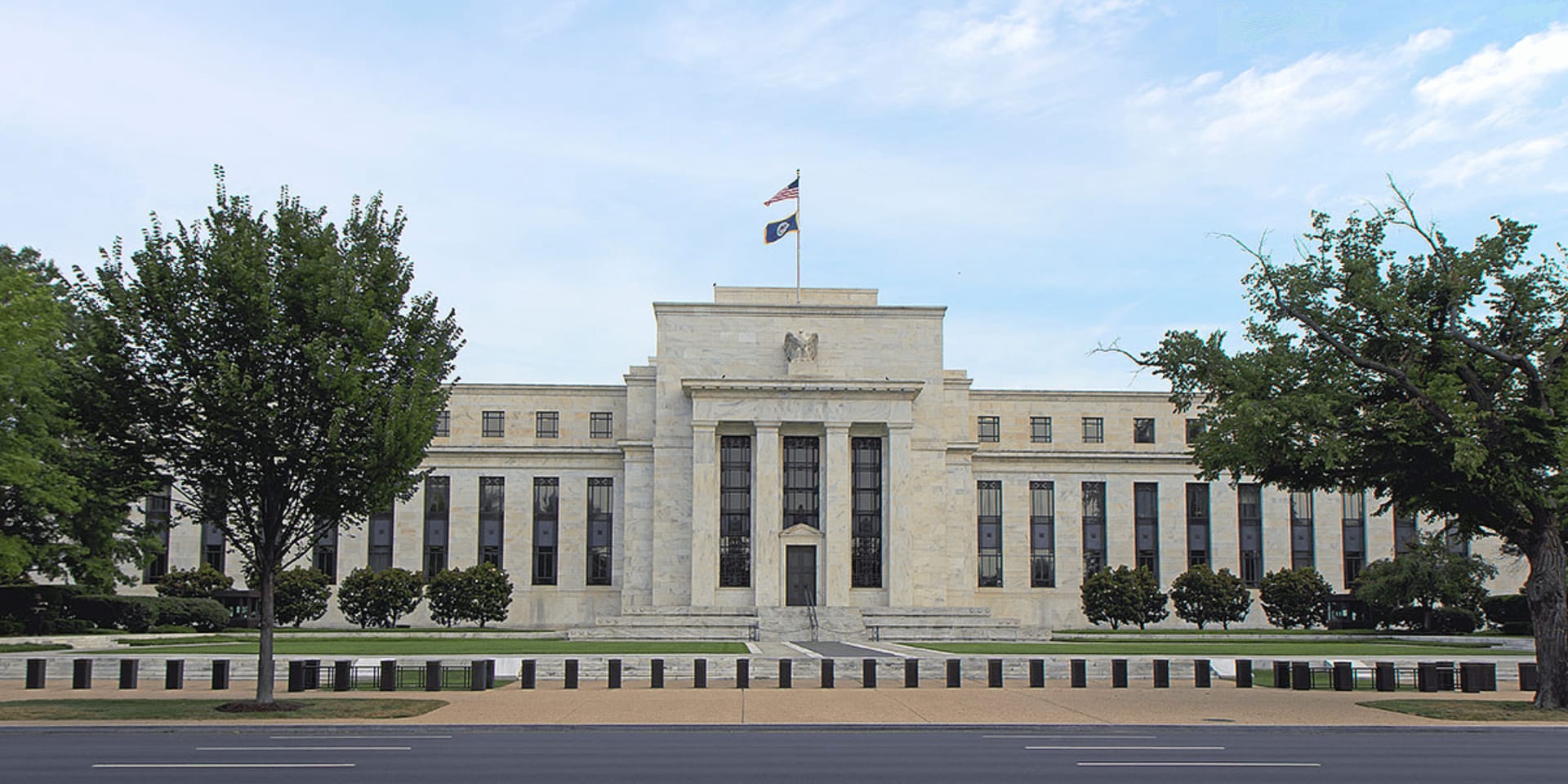
Federal Reserve, Washington D.C.
Photo Credit: Stefan Fussan/Wikimedia
Federal Reserve Leadership Shift Signals Economic Policy Changes
Another major development came with the formal installation of Kevin Warsh as Federal Reserve chair. During remarks at the White House, Warsh pledged to pursue a “reform-oriented” Federal Reserve focused on inflation control, economic growth, and labor market stability.
The appointment reflects the administration’s growing effort to reshape economic institutions around a more nationalist and production-focused agenda. President Trump used the event to criticize previous Federal Reserve leadership and what he described as excessive focus on climate-related financial policies.
Financial analysts are closely watching how the Fed may adjust interest-rate policy in response to inflation concerns, trade uncertainty, and slowing employment growth. The leadership transition comes at a particularly sensitive moment for the economy as businesses and consumers alike navigate volatile conditions.
Looking Ahead
Attention next week will center on whether additional federal layoffs move forward following the latest court developments and whether Congress attempts new legislative responses to executive restructuring efforts. Economic markets will also watch closely for signals from the Federal Reserve regarding inflation and interest rates.
Meanwhile, immigration protests, international tensions involving Iran and Cuba, and continuing legal disputes over presidential authority are likely to keep political pressure high across Washington. As summer approaches, the country remains locked in a period of unusually intense institutional conflict with major implications for governance, the economy, and public trust.