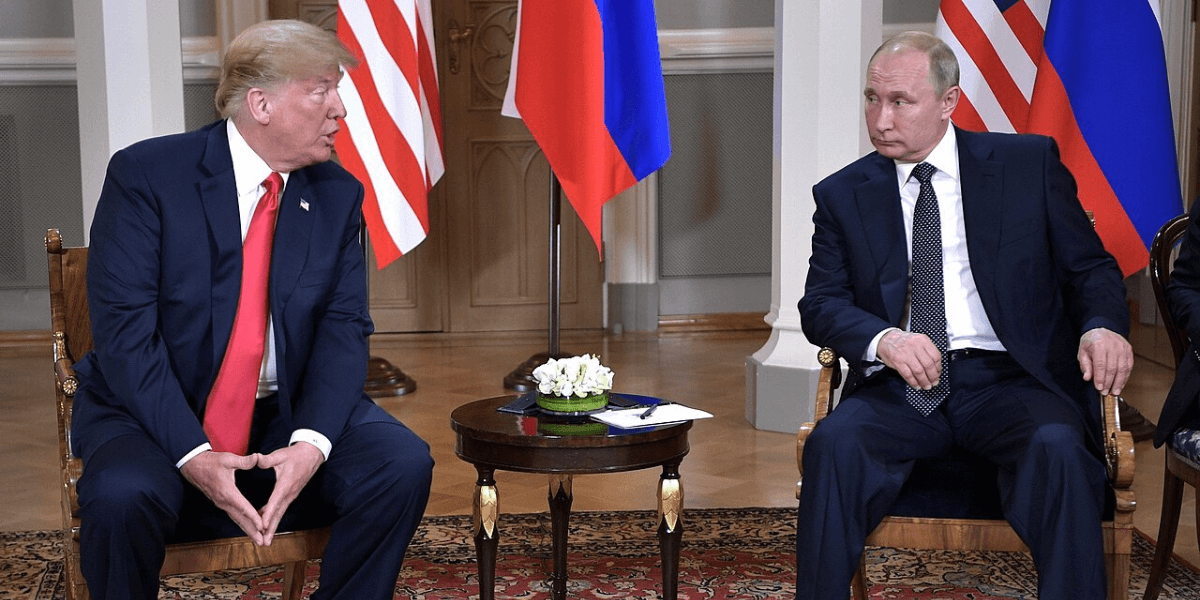
A Fragile Peace Abroad, Political Battles at Home, and a World Cup Begins
The United States closed out the week with a mix of international diplomacy, national security debates, political maneuvering in Washington, and the opening of one of the largest sporting events ever hosted in North America. Developments surrounding Iran dominated headlines, while Congress wrestled with surveillance powers and immigration policy. At the same time, Americans watched the start of the 2026 FIFA World Cup, an event expected to draw global attention to U.S. cities throughout the summer.
Trump Administration Signals Shift on Iran After Military Escalation
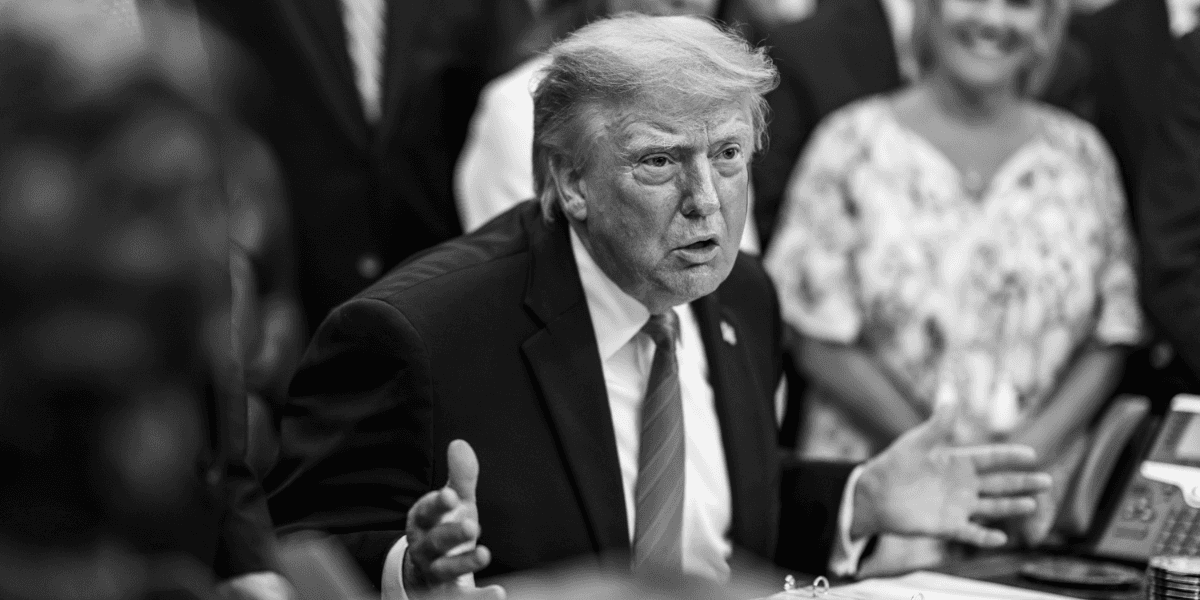
After several days of escalating military action between the United States and Iran, the Trump administration indicated that a diplomatic breakthrough may be emerging. Earlier this week, U.S. forces carried out strikes against Iranian targets following the downing of an American Apache helicopter near the Strait of Hormuz, a move the administration described as self-defense.
On Thursday, however, President Donald Trump announced that planned additional strikes had been canceled amid reports of progress toward a potential agreement. While details remain unclear and Iranian officials have not publicly confirmed a finalized deal, the administration expressed optimism that negotiations could reduce tensions and reopen key shipping routes in the region. The rapid shift from military retaliation to diplomacy underscores the volatility of the situation and its significance for global energy markets and U.S. foreign policy.
Photo Credit: Office of the Director of National Intelligence/Wikimedia
Intelligence Leadership Fight Complicates Surveillance Debate
A major political dispute emerged over leadership of the U.S. intelligence community. Following bipartisan criticism of acting intelligence chief Bill Pulte, President Trump nominated former Securities and Exchange Commission chairman Jay Clayton to serve as Director of National Intelligence. The nomination came after lawmakers from both parties questioned Pulte's qualifications and experience in intelligence matters.
The controversy spilled into a broader debate over national security authorities. The House failed to extend Section 702 of the Foreign Intelligence Surveillance Act, a key surveillance program used to monitor foreign threats. Critics argued that reforms were needed before renewal, while supporters warned that allowing the authority to lapse could create intelligence gaps. The dispute highlights growing congressional scrutiny of executive power and surveillance practices.
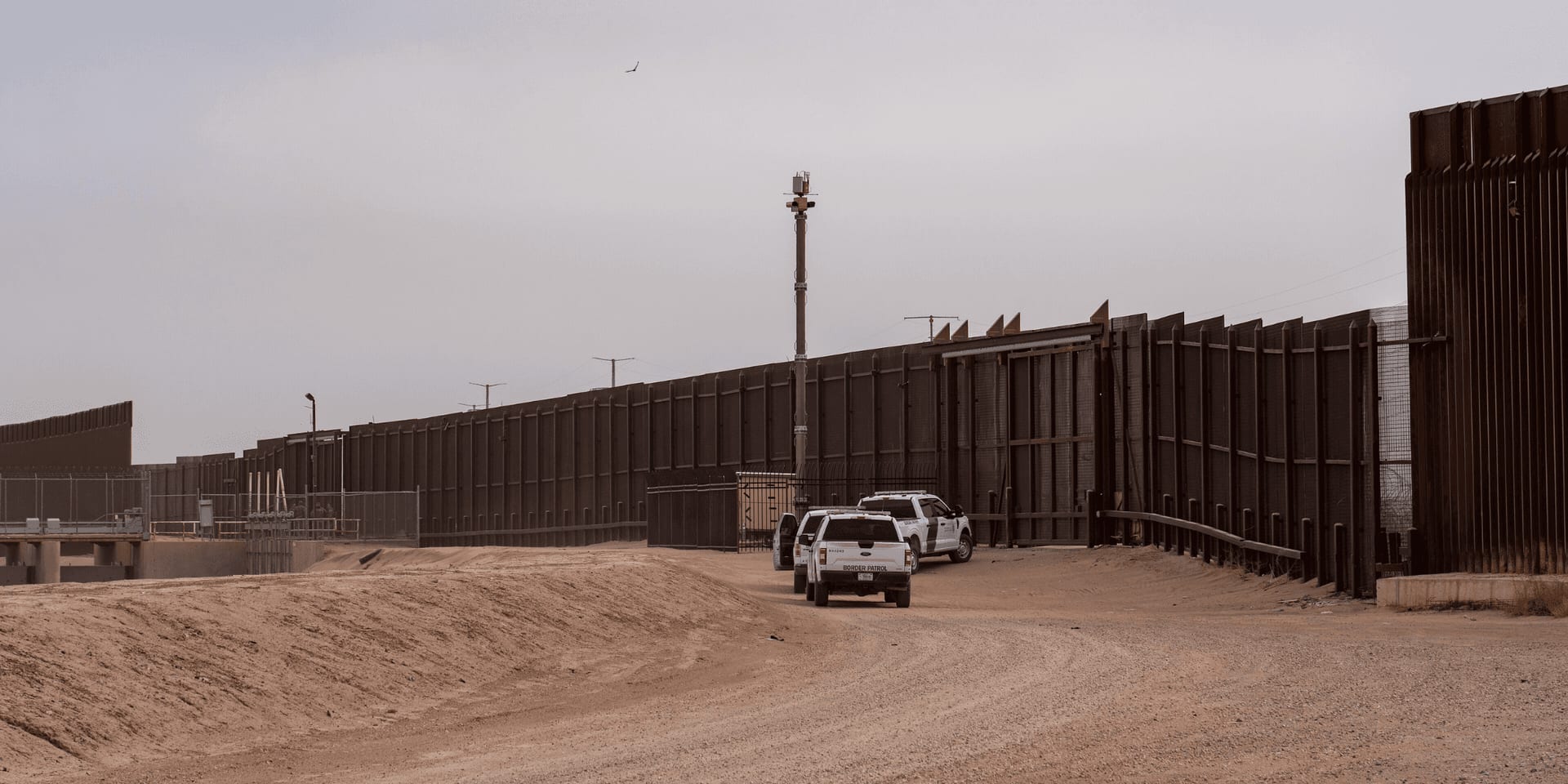
U.S. Customs and Border Protection autonomous surveillance tower (AST) near Rio Bosque Park in El Paso, Texas
Photo Credit: Dugan Meyer/Wikimedia
Immigration Enforcement Funding Advances
Immigration remained a central issue in Washington as Republicans continued advancing a major funding package for enforcement operations. The House recently approved legislation providing approximately $70 billion for the Department of Homeland Security and immigration enforcement agencies, including substantial funding for Immigration and Customs Enforcement and Border Patrol operations.
Supporters argue the measure strengthens border security and provides resources needed to implement the administration's immigration agenda. Opponents contend that the legislation prioritizes enforcement without addressing broader immigration reforms or oversight concerns. The debate reflects one of the country's most persistent political divides as lawmakers look ahead to the 2026 midterm elections.

Photo Credit: fabio Spano/Unsplash
Markets Rally as Geopolitical Fears Ease
Financial markets responded positively to signs that the Iran crisis may be moving toward diplomacy. Stocks surged on Thursday after news that additional U.S. strikes had been called off and negotiations appeared to be progressing. The Dow Jones Industrial Average rose nearly 800 points, while technology and semiconductor stocks posted particularly strong gains.
Energy markets also reacted. Oil prices fell as investors reassessed the risk of prolonged disruptions in the Strait of Hormuz, one of the world's most important shipping corridors. Despite the rally, economic concerns remain in focus as policymakers continue monitoring inflation and consumer costs, issues that are likely to remain central themes in the political debate throughout the year.
Photo Credit: FIFA/Wikimedia
FIFA World Cup Opens Across North America
Away from politics, the 2026 FIFA World Cup officially began, marking the start of a tournament jointly hosted by the United States, Mexico, and Canada. Opening ceremonies and early matches drew international attention as organizers launched what is expected to be the largest World Cup in history.
For the United States, the tournament represents both a sporting and logistical milestone. The U.S. Men's National Team begins group-stage play on June 12 against Paraguay, with expectations high for a squad viewed as one of the country's strongest generations of talent. Host cities across the country are preparing for weeks of global visitors, economic activity, and international media attention.
Looking Ahead
The coming days will reveal whether diplomatic efforts with Iran can produce a durable agreement or whether tensions in the Middle East could flare again. In Washington, lawmakers face continued battles over surveillance powers, immigration policy, and intelligence leadership. Markets will watch closely for economic signals following this week's geopolitical swings, while millions of Americans turn their attention to the opening matches of the World Cup. Together, these developments ensure that both domestic politics and international events will remain at the center of the national conversation in the days ahead.