Fault Lines and Flashpoints: America Confronts Economic Anxiety, Political Upheaval, and Global Strain
The United States entered the Memorial Day weekend facing a convergence of economic uncertainty, political tension, and growing international pressure, as Washington grappled with inflation concerns, leadership changes, Supreme Court scrutiny, and escalating foreign policy debates. Financial markets responded cautiously to a major transition at the Federal Reserve, while protests, election maneuvering, and renewed concerns over public trust in national institutions reflected a deeply divided political climate. From economic policy to national security, the day’s developments underscored how interconnected America’s domestic and global challenges have become heading into the summer months.
Kevin Warsh Takes Over the Federal Reserve Amid Inflation Concerns
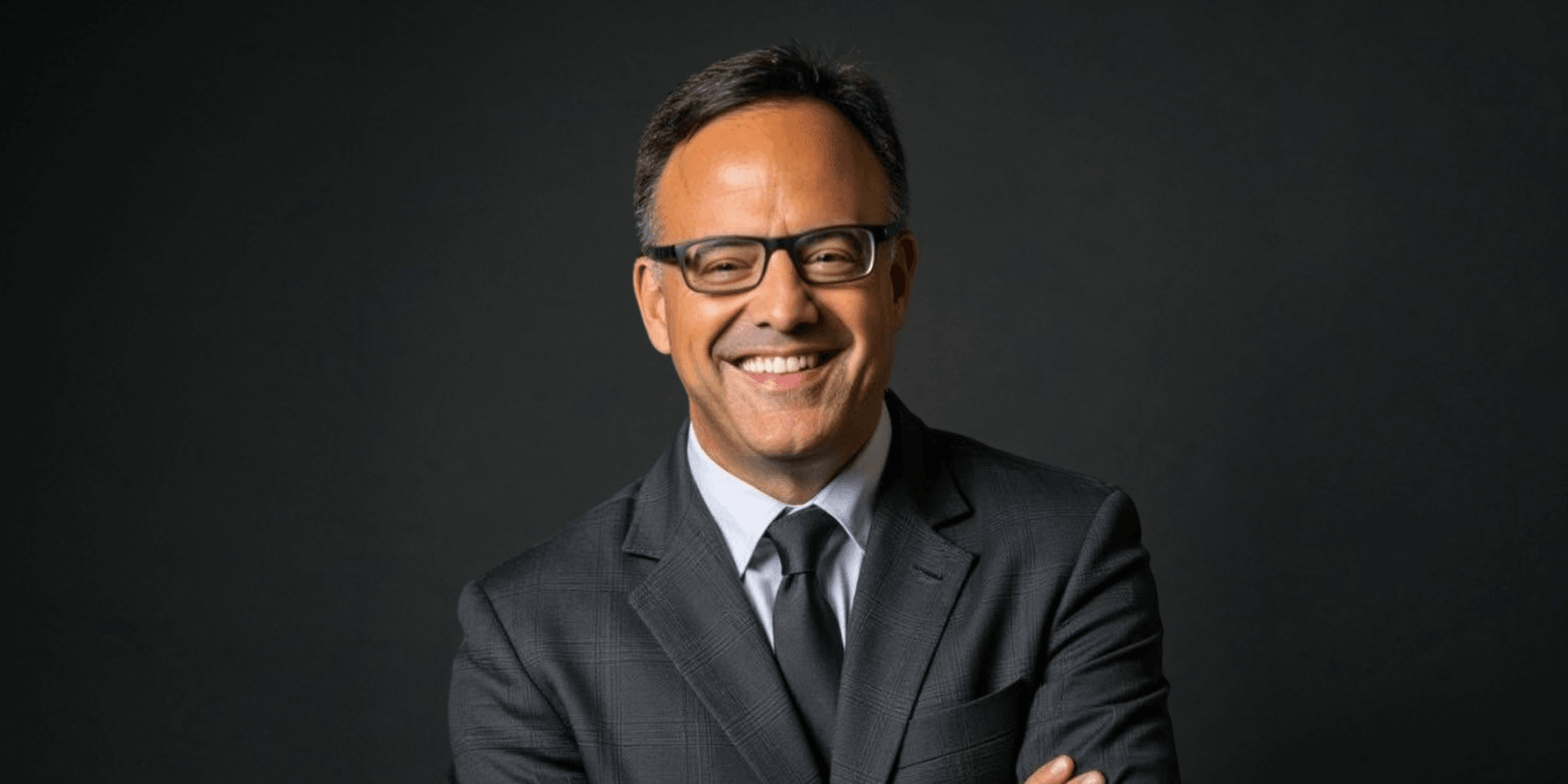
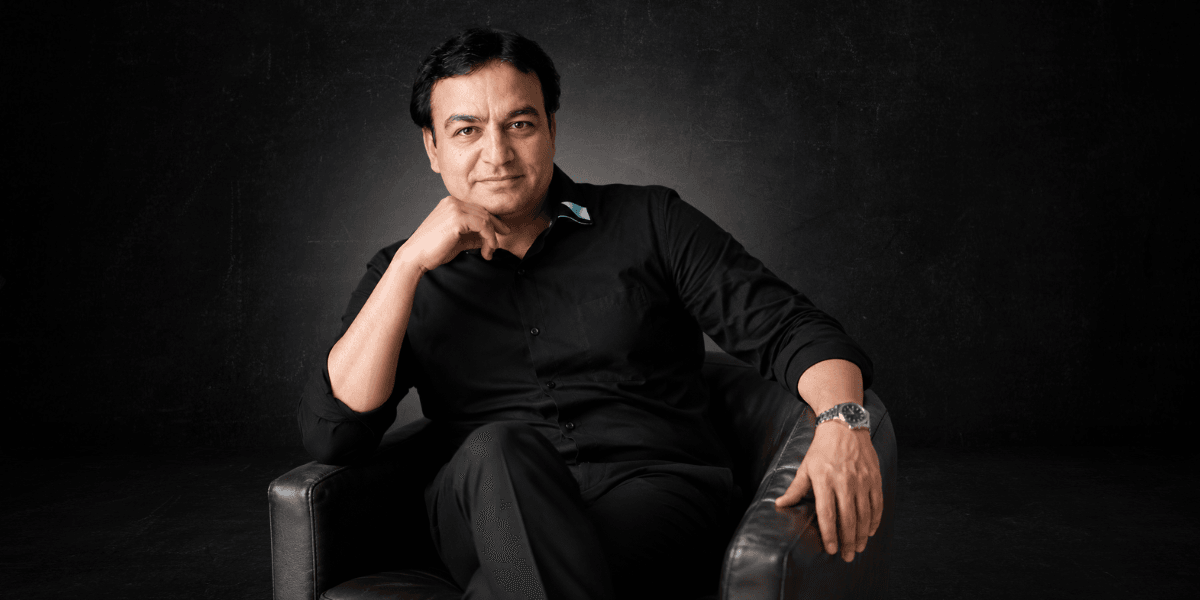
Kevin Warsh was formally sworn in as chair of the Federal Reserve this week, marking one of the most consequential economic leadership transitions of President Donald Trump’s second term. The ceremony, held at the White House, highlighted the administration’s growing focus on inflation, interest rates, and economic messaging as consumers continue to face elevated prices tied partly to ongoing instability in the Middle East.
Warsh inherits a difficult environment. Inflation remains above the Fed’s target, energy prices have risen sharply, and investors are closely watching whether the central bank will prioritize growth or tighter monetary policy. Trump publicly emphasized the Fed’s independence while simultaneously signaling support for lower rates to stimulate the economy. Warsh, who previously criticized post-pandemic monetary policy, pledged a “reform-oriented” approach focused on price stability and long-term growth.
Financial markets reacted positively in the short term, with major indexes posting modest gains despite broader concerns about inflation and geopolitical risk. Still, economists warn that the coming months may test the Fed’s ability to balance economic expansion with persistent price pressures.
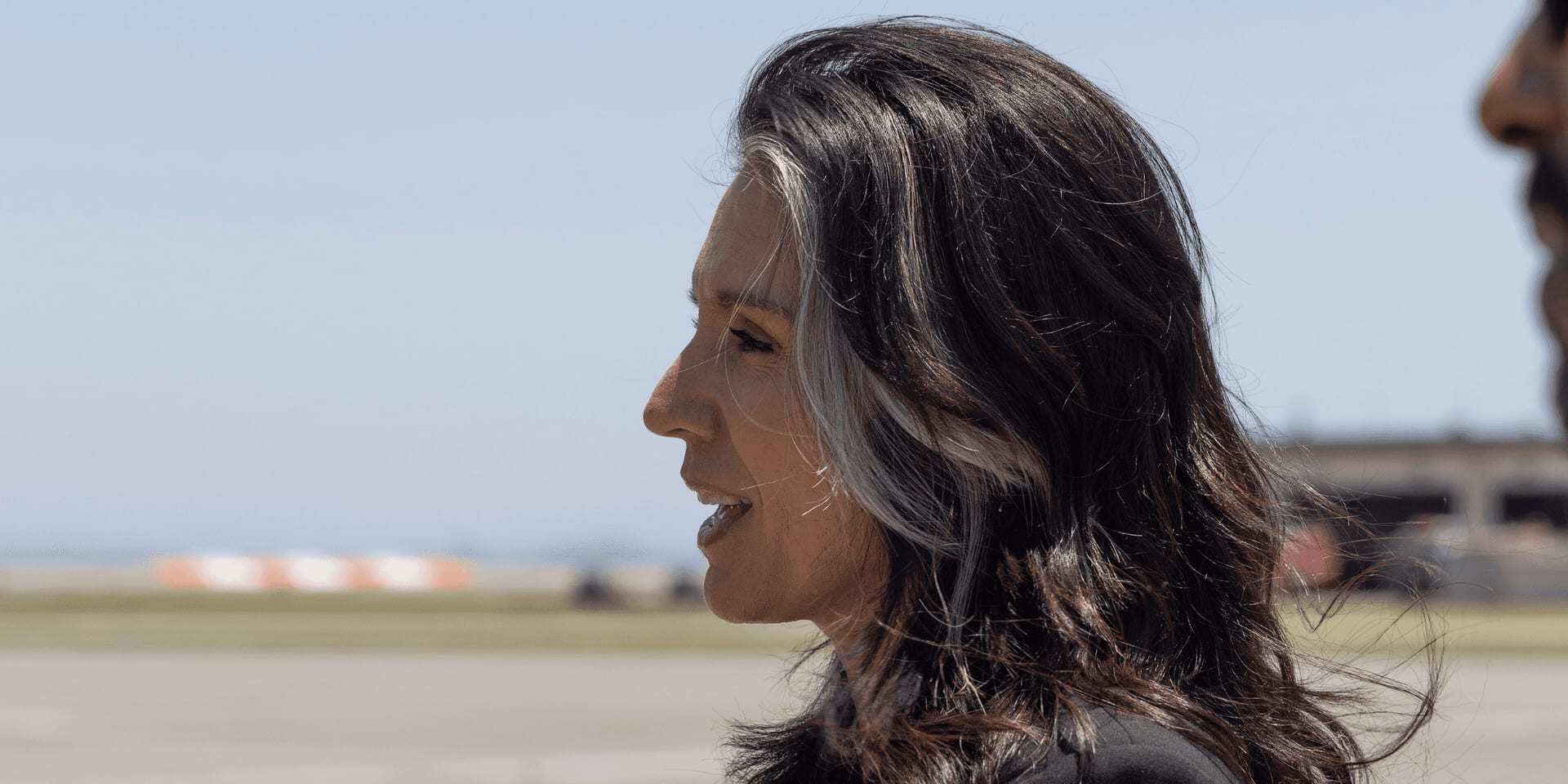
The U.S. Director of National Intelligence Tulsi Gabbard speaks with Marines with Marine Fighter Attack Squadron (VMFA) 214, Marine Aircraft Group 12, 1st Marine Aircraft Wing during a visit to Marine Corps Air Station Iwakuni, Japan, June 4, 2025.
Photo Credit: U.S. Marine Corps photo by Cpl. Chloe Johnson/Wikimedia
Tulsi Gabbard Resigns as Director of National Intelligence
Director of National Intelligence Tulsi Gabbard resigned from the Trump administration, citing her husband’s cancer diagnosis. The departure makes her the fourth Cabinet-level official to leave during Trump’s second term and arrives during heightened debate over U.S. military involvement abroad.
Gabbard’s tenure was marked by controversy, including criticism over the handling of intelligence assessments and accusations from opponents that intelligence operations had become increasingly politicized. Her resignation also comes as divisions within both parties intensify over the administration’s posture toward Iran and broader military commitments overseas.
President Trump appointed Aaron Lukas as acting DNI while praising Gabbard’s service. Her exit adds to broader questions about stability within the administration at a time when national security issues—including tensions in the Strait of Hormuz and U.S. troop deployments in Europe—remain major policy concerns.
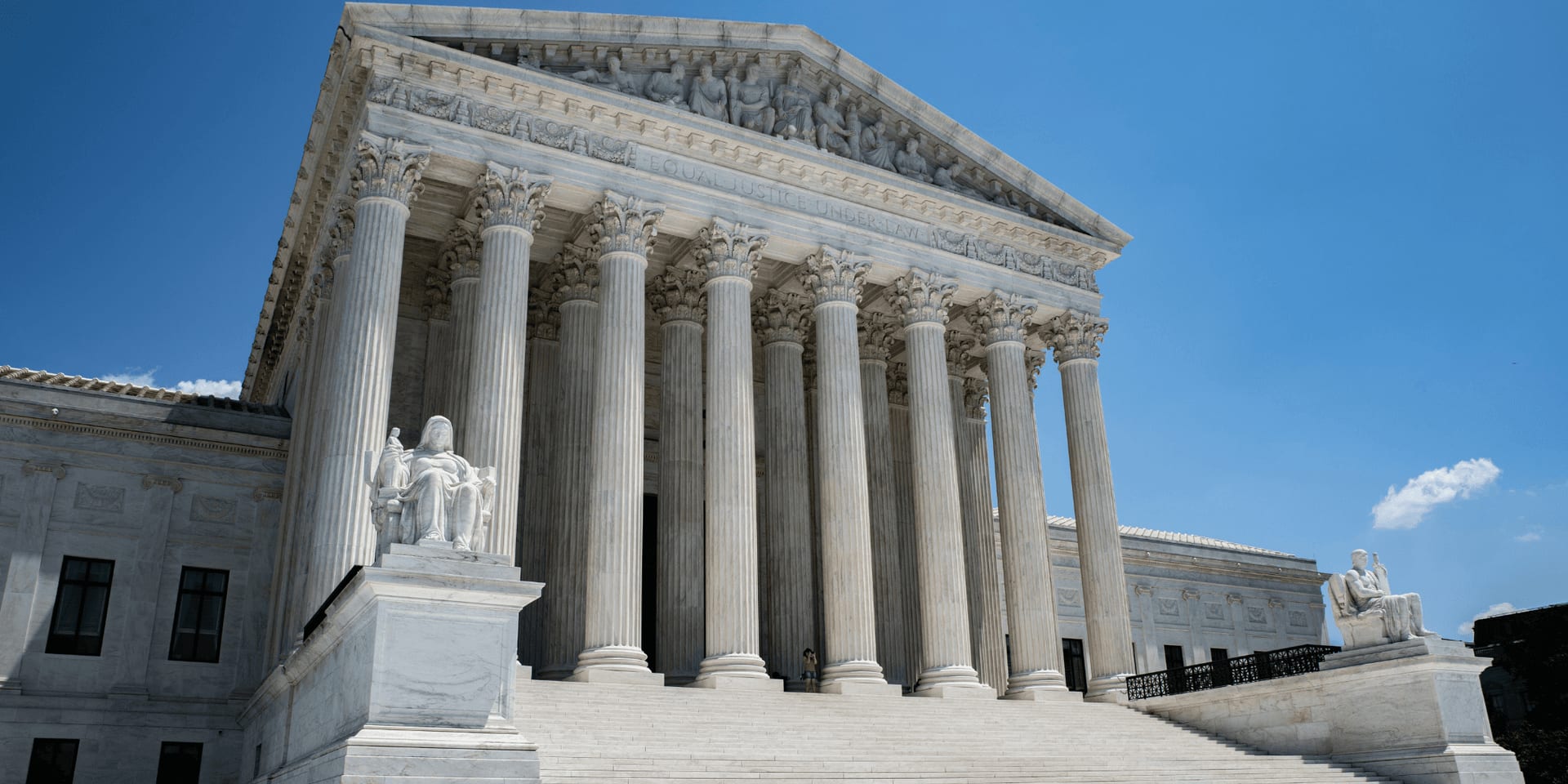
Photo Credit: mana5280/Unsplash
Supreme Court Faces Renewed Debate Over Legitimacy and Voting Rights
The Supreme Court continued to face scrutiny following recent voting rights decisions and public criticism from Justice Ketanji Brown Jackson. Speaking earlier this week, Jackson warned that the Court risks losing public trust if Americans increasingly perceive its rulings as politically driven rather than grounded in consistent legal principles.
Her remarks followed a series of controversial decisions involving voting access and redistricting. Critics argue that recent rulings have weakened the Voting Rights Act and reduced federal oversight intended to prevent racial discrimination in elections. While the Court stopped short of eliminating certain private voting-rights lawsuits entirely, legal analysts say key protections have already been significantly narrowed over the past decade.
The Court’s current term continues to feature major cases involving executive power, immigration, and federal regulatory authority. With public confidence in national institutions already under pressure, the Court’s role is expected to remain central in both political debate and upcoming election battles.
Photo Credit: isuals/Unsplash
Political Tensions Intensify Ahead of the 2026 Midterm Cycle
Political maneuvering accelerated across the country as both parties prepared for the next phase of the 2026 election cycle. In California, the governor’s race emerged as a key national storyline, reflecting broader uncertainty within the Democratic Party after several high-profile leaders declined to enter the race.
Former Health and Human Services Secretary Xavier Becerra has gained traction as a pragmatic candidate focused on affordability and governance, while progressive billionaire Tom Steyer continues to campaign on sweeping reforms. Republicans, meanwhile, see an opportunity to capitalize on Democratic fragmentation in one of the nation’s most influential states.
Nationally, Republicans in Congress also showed signs of growing independence from the White House on issues ranging from spending to foreign policy. Some GOP lawmakers have expressed frustration with the administration’s management of federal funds and Iran-related policy decisions, suggesting that internal party divisions may become more visible heading toward the midterms.
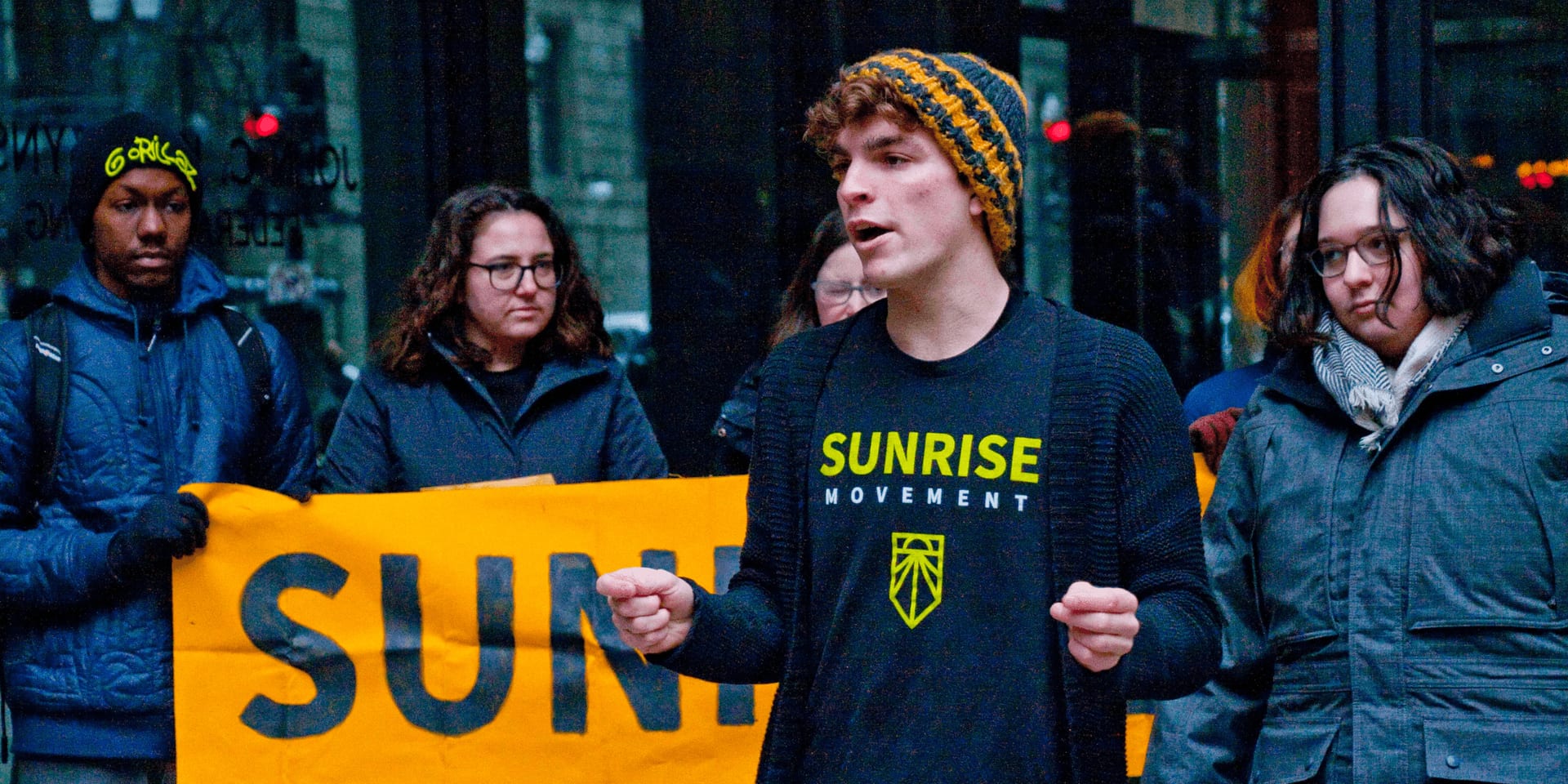
Chicago Sunrise Movement rallies for a Green New Deal, in Chicago (Illinois), 27 February 2019.
Photo Credit: Charles Edward Miller/Wikimedia
Protests and Public Frustration Shape the National Mood
Public activism and frustration remained visible throughout the country as protests interrupted a Trump rally in New York and demonstrations continued around issues including immigration, climate policy, and military action abroad. The Sunrise Movement, a youth-led climate organization, claimed responsibility for disruptions at the rally, where protesters criticized deportation policies and U.S. involvement in foreign conflicts.
At the same time, public anxiety over affordability, housing, and economic inequality continued to dominate national discourse. Consumer sentiment surveys showed weakening confidence among some Republican voters despite recent market gains, reflecting the complicated political environment facing both parties.
The broader mood across the country remains shaped by overlapping pressures: inflation, institutional distrust, cultural polarization, and concerns over America’s global role. Those themes are likely to continue defining the national conversation as summer approaches.
Looking Ahead
In the coming days, attention will remain fixed on the Federal Reserve’s economic strategy, the administration’s foreign policy decisions regarding Iran, and upcoming Supreme Court rulings expected before the end of the term. Lawmakers are also preparing for intensified budget and immigration debates on Capitol Hill, while early positioning for the 2026 midterm elections continues to accelerate nationwide.
With economic unease, judicial controversy, and geopolitical tensions all unfolding simultaneously, the next several weeks could prove pivotal in shaping both public confidence and the broader political trajectory of the country.