
Fault Lines and Flashpoints: America Ends May Amid Legal Battles, Security Tensions, and Election-Year Stakes
The United States faced a convergence of political, legal, and geopolitical developments that underscored the intensity of the current national climate. Court rulings challenged major administration initiatives, debates over voting rights and congressional maps intensified ahead of the midterms, and international tensions continued to shape domestic policy discussions. Meanwhile, public health decisions and cultural controversies added to an already crowded news cycle.
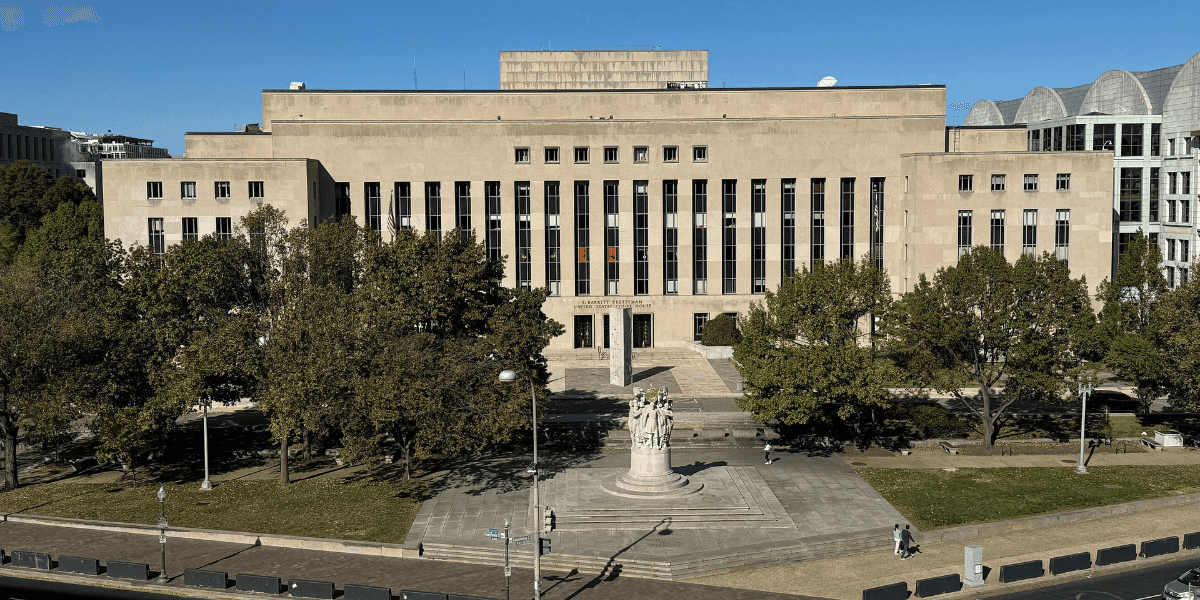
Federal Judge Halts Controversial Administration Fund
One of the most significant developments on May 29 came from the federal courts, where a judge temporarily blocked the Trump administration from operating a $1.8 billion “anti-weaponization” fund pending further legal review. The fund, which had been promoted as a mechanism to compensate individuals allegedly harmed by political or governmental abuses, drew criticism from advocacy groups and lawmakers who argued that its structure lacked sufficient transparency and oversight.
The ruling represents another major legal challenge to executive authority and is expected to become a closely watched test of the administration’s ability to implement large-scale initiatives without explicit congressional authorization. Legal proceedings are expected to continue in the coming weeks, potentially elevating the dispute to appellate courts.

Photo Credit: Alexander Simonsen/Unsplash
Vaccine Policy Sparks National Debate
The administration also faced mounting criticism after President Trump signed an executive order directing federal health agencies to reduce the number of recommended childhood vaccinations. The move immediately triggered lawsuits from several Democratic-led states and drew concern from many public health organizations, which argued that long-standing immunization schedules are based on decades of scientific research.
Supporters of the order framed it as an effort to increase parental choice and reassess federal health recommendations. Opponents, however, warned that altering vaccine guidance could undermine confidence in public health institutions and increase the risk of preventable disease outbreaks. The issue is rapidly becoming one of the most contentious health policy debates of the year.
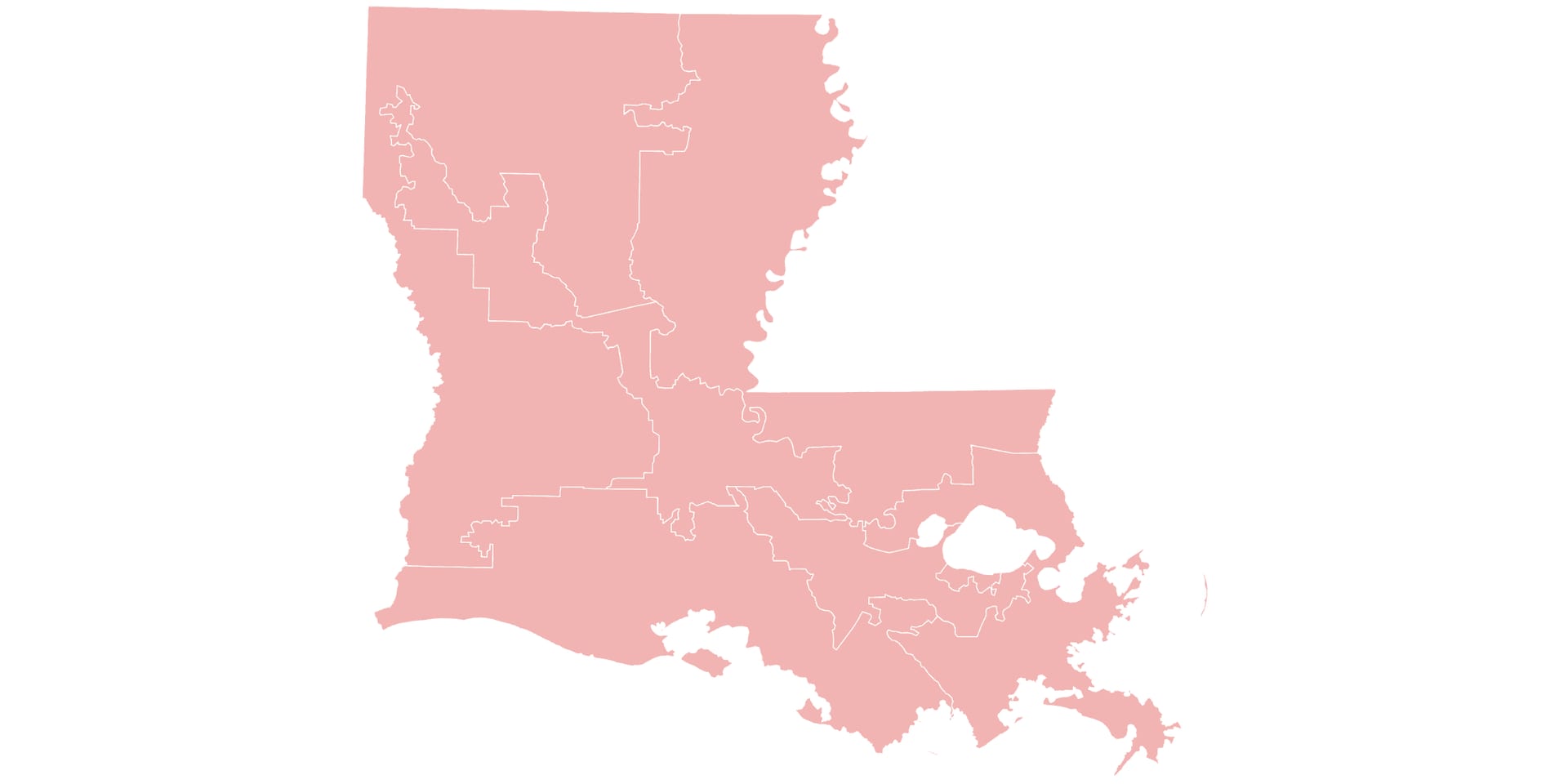
2026 United States Senate Republican primary election in Louisiana by congressional district, Source: https://x.com/WinWithJMC/status/2056177007206056208
Photo Credit: Thomascampbell123/Wikimedia
Redistricting Battles Intensify Ahead of Midterms
Election politics remained at the forefront as Louisiana Republicans approved a new congressional map that eliminates a majority-Black district, a move that is expected to face immediate legal scrutiny. Civil rights advocates and Democratic officials argue that the plan weakens minority representation and could violate federal voting protections.
The Louisiana dispute is part of a broader national fight over congressional boundaries and electoral power. Similar redistricting controversies have emerged in several states throughout 2026, reflecting the growing importance of House races ahead of next year’s elections. With control of Congress likely to hinge on a relatively small number of competitive districts, court decisions on these maps could have far-reaching political consequences.
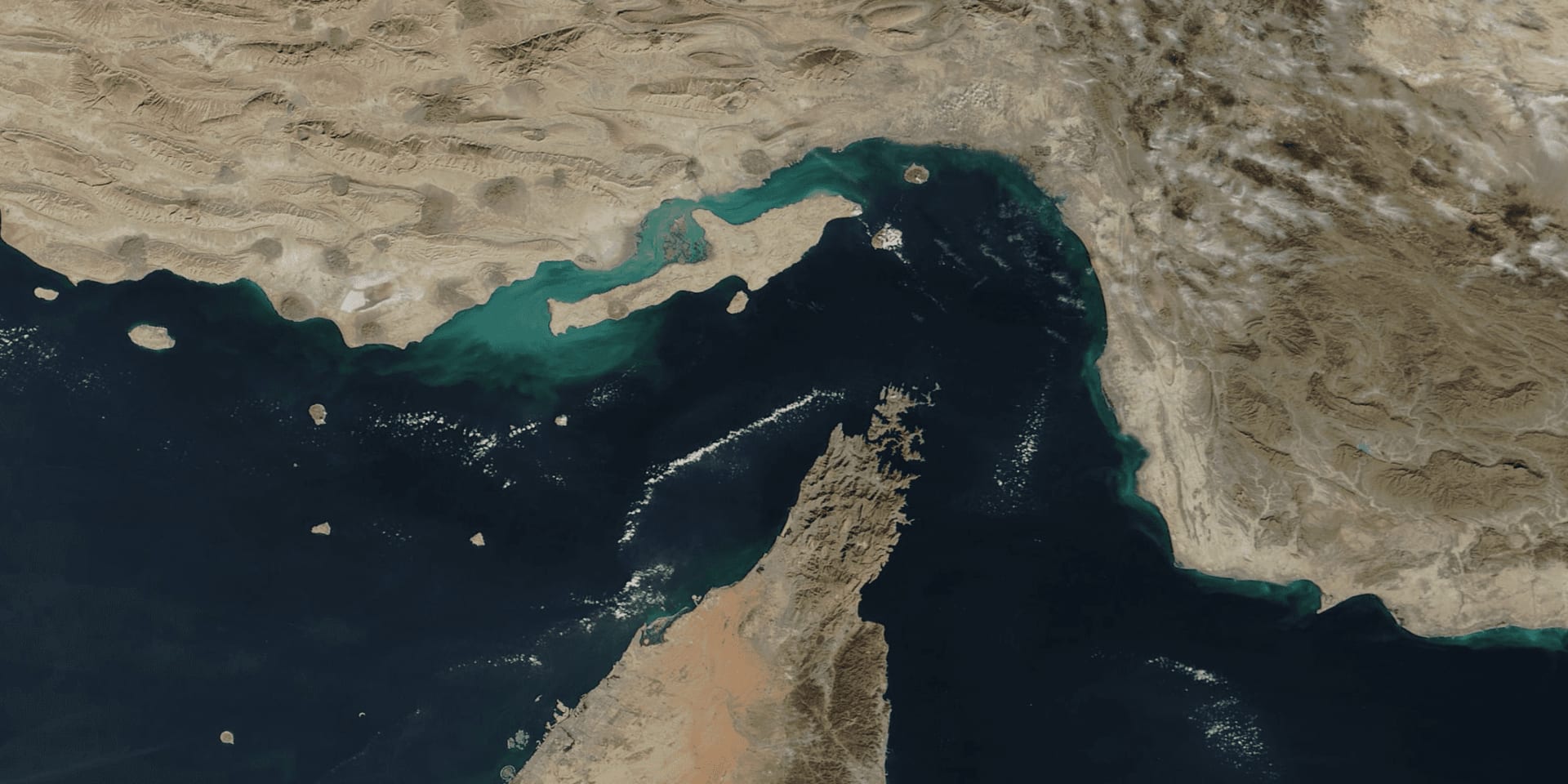
Photo Credit: MODIS Land Rapid Response Team, NASA GSFC/Wikimedia
Iran Negotiations Continue to Shape U.S. Policy
International affairs remained closely tied to domestic politics as the White House continued discussions surrounding a potential agreement with Iran following months of military confrontations and ceasefire negotiations. President Trump indicated that progress had been made toward a framework that could reduce tensions and stabilize shipping routes in the Persian Gulf, although Iranian officials had not publicly confirmed a finalized arrangement.
The conflict and subsequent negotiations have had substantial economic and strategic implications for the United States. Earlier military operations in and around the Strait of Hormuz affected global energy markets and prompted one of the largest American force deployments in the region in years. The administration has presented ongoing talks as evidence that its pressure campaign is producing results, while critics question whether a durable settlement remains achievable.
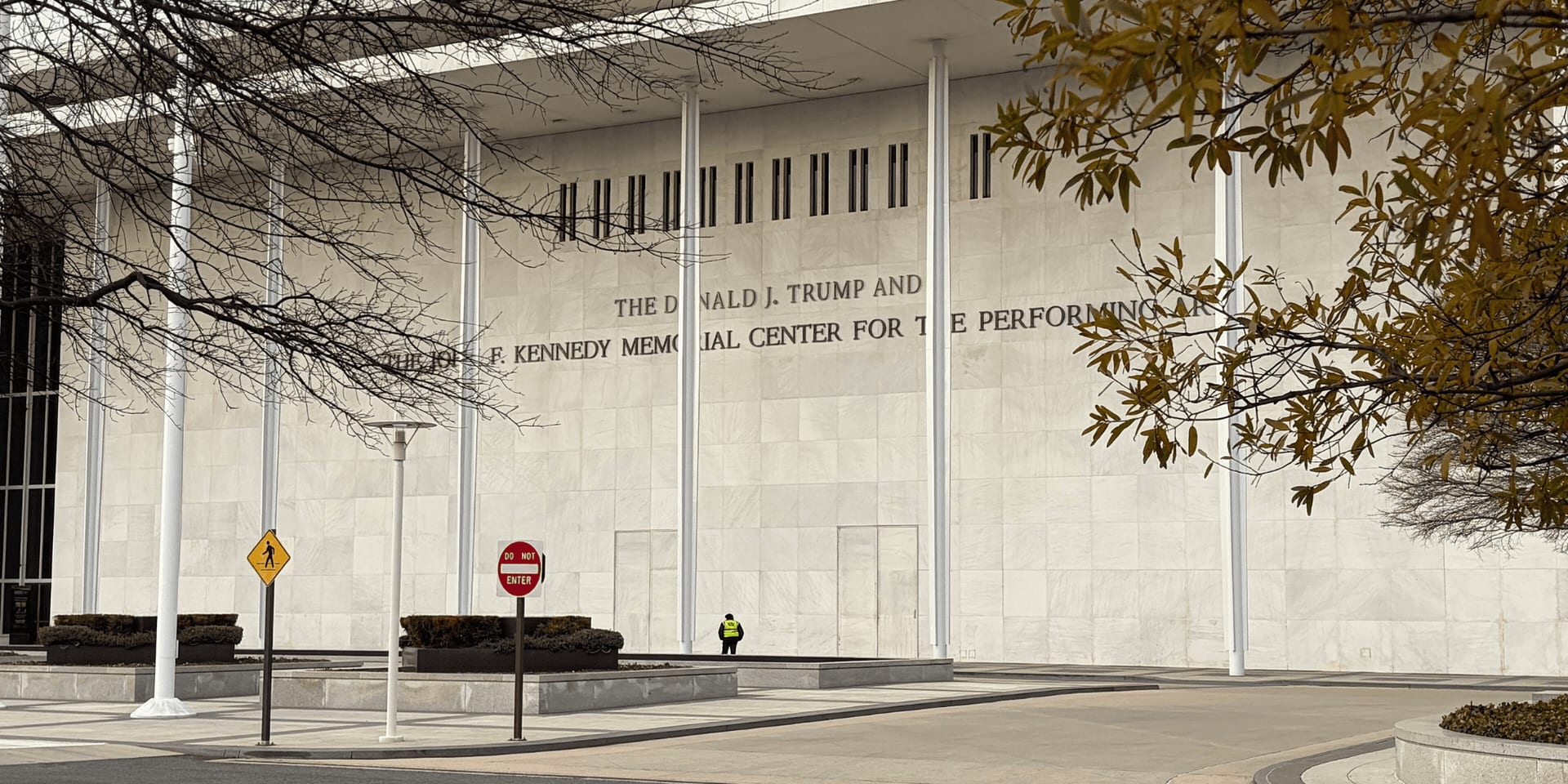
A sign altered in December 2025 marks “The Donald J. Trump and The John F. Kennedy Memorial Center for the Performing Arts”
Photo Credit: Dclemens1971/Wikimedia
Cultural and Institutional Disputes Reach the Courts
Another notable ruling arrived when a federal judge ordered the removal of President Trump’s name from a memorial project associated with the Kennedy Center, determining that such a designation required congressional approval. The president responded by stating that he no longer had an interest in the institution and suggested returning aspects of its oversight to Congress.
The dispute highlights the increasingly blurred lines between politics and cultural institutions in the United States. Similar controversies have emerged throughout the year as public venues, educational organizations, and arts institutions become focal points in broader ideological debates. The Kennedy Center case is likely to fuel continued discussions about executive authority, symbolism, and the role of federal institutions in national cultural life.
Looking Ahead
The coming weeks will bring several issues into sharper focus. Courts will continue reviewing challenges to the administration’s spending initiatives, vaccine policies, and redistricting plans. Negotiations involving Iran remain a critical foreign policy priority, with potential consequences for energy markets and regional stability. At home, the battle over congressional maps and election administration is expected to intensify as both parties prepare for the 2026 midterm campaign season.
As June begins, the nation finds itself navigating legal uncertainty, geopolitical risk, and increasingly high-stakes political contests, conditions that are likely to define the American news landscape throughout the summer.