
Fault Lines at Home and Abroad: America Faces Security, Courts, Markets, and Politics
The United States entered today confronting a mix of international tension and consequential domestic developments. Escalating military activity in the Middle East, major legal decisions, political upheaval, and economic uncertainty dominated the national agenda, while policymakers and markets continued to assess the implications of rapidly evolving events. Together, these stories underscored the interconnected challenges shaping the country's security, governance, and economy.

Markets React to Geopolitical Uncertainty
Financial markets continued to reflect investor caution as geopolitical risks weighed on sentiment. Oil prices remained elevated amid concerns about potential disruptions to global energy supplies, while gold attracted investors seeking traditional safe-haven assets.
Equity markets attempted to stabilize following earlier losses, though analysts noted that uncertainty surrounding the Middle East remained the dominant factor influencing trading. Corporate earnings also remained in focus, with major companies including PepsiCo and Levi Strauss reporting quarterly results that drew mixed reactions from investors.

Photo Credit: United States Navy/Wikimedia
U.S. Military Operations Against Iran Continue
The most significant development remained the ongoing U.S. military campaign against Iran. For a second consecutive day, U.S. forces carried out strikes following the collapse of a previously announced ceasefire effort. Iranian media reported explosions near strategic locations, including the vicinity of the Bushehr nuclear facility and ports along the Persian Gulf.
The renewed fighting has heightened concerns over regional stability, shipping through the Strait of Hormuz, and global energy markets. President Donald Trump accused Tehran of violating peace commitments, while officials continued monitoring the security situation amid rising international concern.

Photo Credit: Tiffany Tertipes/Unsplash
Justice Department Presses States for Voter Rolls
The Trump administration intensified its election oversight efforts after the Department of Justice sent letters to election officials in all 50 states requesting voter registration rolls and warning that officials who fail to comply could face potential criminal consequences. The requests come despite recent court setbacks for the administration's broader efforts to obtain similar election data.
The move has drawn criticism from voting rights advocates and some state election officials, who argue it could place undue pressure on local administrators ahead of the 2026 midterm elections. Administration officials maintain the initiative is intended to strengthen election integrity and ensure voter registration records comply with federal law, setting up another likely round of legal and political challenges.
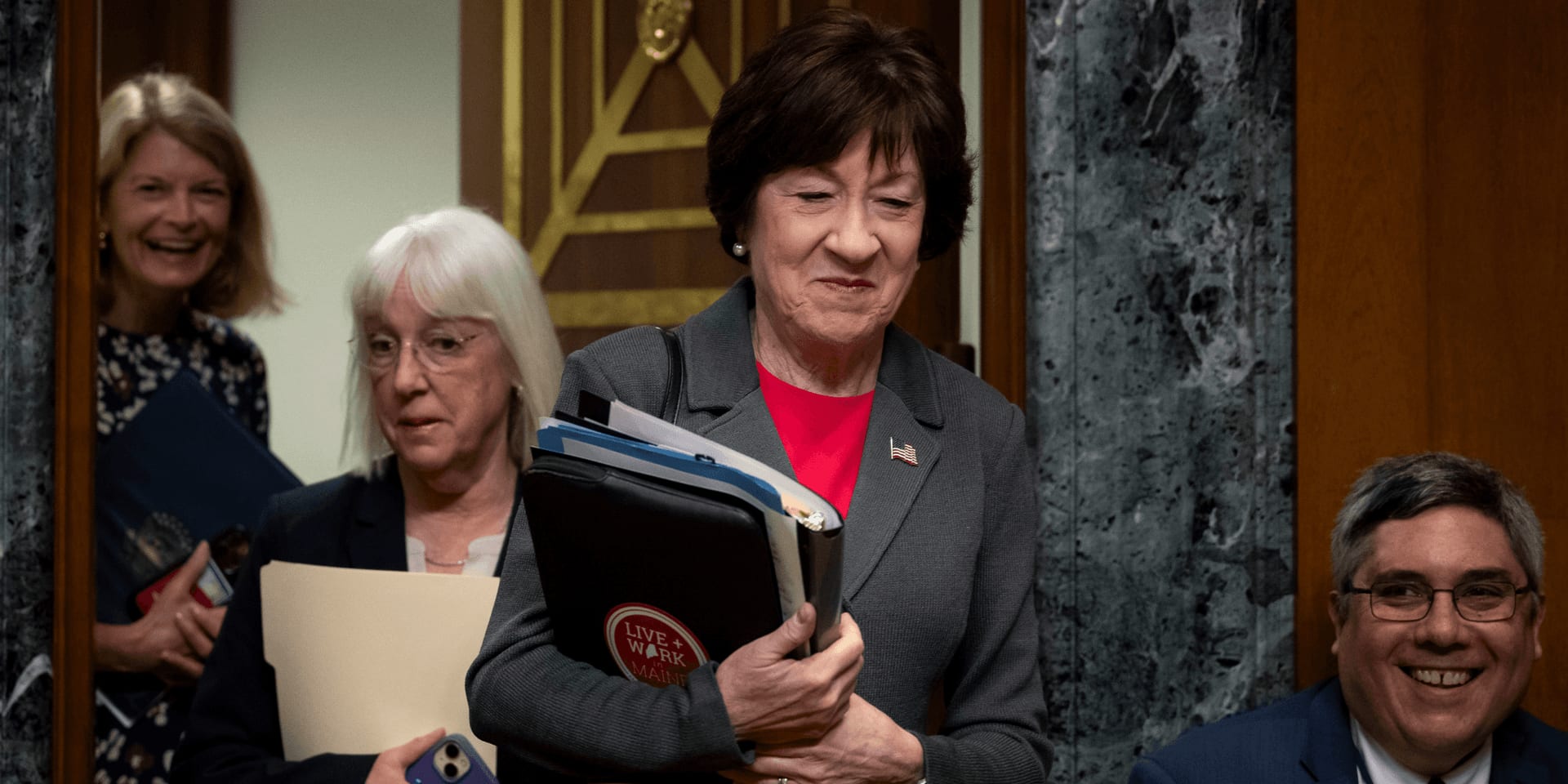
Photo Credit: U.S. Department of Homeland Security/Wikimedia
Maine Senate Race Upended by Candidate Withdrawal
The Democratic race for the U.S. Senate in Maine shifted dramatically after candidate Graham Platner suspended his campaign following multiple allegations of sexual misconduct.
The withdrawal leaves party leaders facing a compressed timeline to identify a replacement candidate ahead of the general election against Republican Senator Susan Collins. The unexpected development adds uncertainty to one of the nation's closely watched Senate contests as both parties compete for control of the chamber.

Photo Credit: globalresidenceindex/Unsplash
Immigration and Citizenship Policy Remain in the Spotlight
Immigration policy continued to generate national attention as the Trump administration signaled plans to pursue additional legal challenges involving birthright citizenship while broader debates over immigration enforcement persisted.
Separately, the family of a Mexican immigrant killed during an encounter with an ICE agent in Texas called for an independent investigation, prompting renewed discussion over federal law enforcement accountability and immigration practices. The issues remain central to the administration's domestic policy agenda and are expected to continue generating legal and political scrutiny.
Looking Ahead
Attention in the coming days will remain focused on developments in the Middle East and whether diplomatic efforts can prevent further escalation. Investors will continue monitoring energy markets and corporate earnings for signs of broader economic impacts. Domestically, legal proceedings involving the administration, the reshaped Maine Senate race, and ongoing debates over immigration policy are likely to remain at the forefront of national news.