
From Middle East Escalation to Market Jitters: A Nation Navigates Global Shockwaves
The United States closed the week confronting a convergence of global conflict, economic pressures, extreme weather, and major diplomatic developments. Military operations tied to the escalating confrontation with Iran are rippling through global energy markets and national security planning. At the same time, Americans are facing rare weather extremes across the country while U.S. officials pursue high-stakes negotiations with China that could shape global trade for years to come.
U.S. Expands Military Posture as Iran Conflict Intensifies
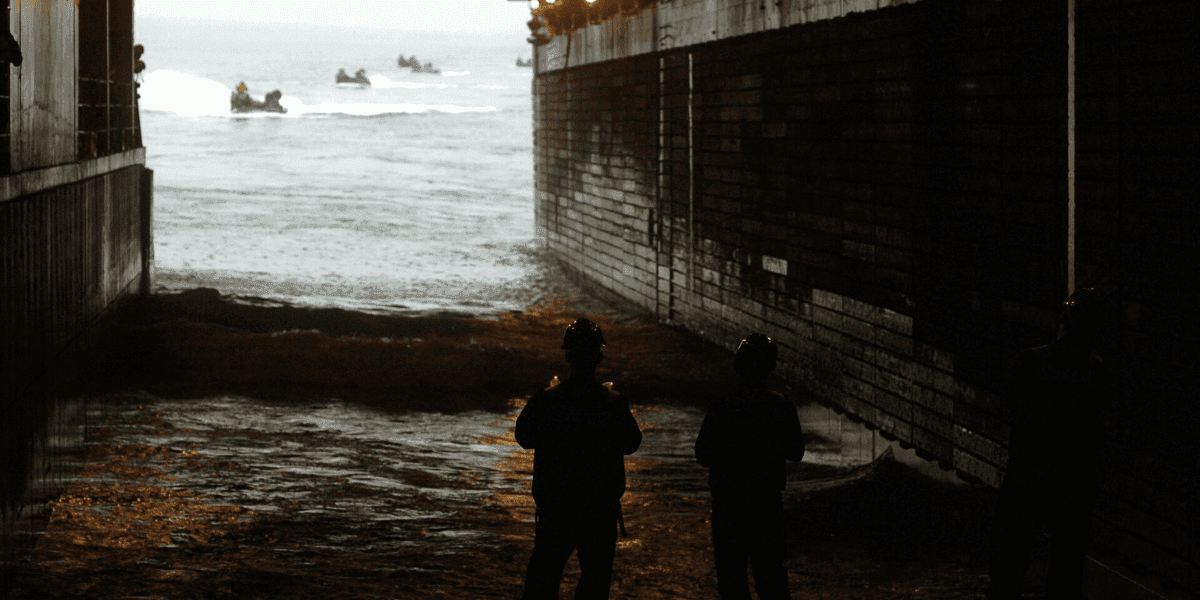
The United States is escalating its military presence in the Middle East as hostilities linked to the ongoing war with Iran intensify. Roughly 2,500 Marines and an amphibious assault ship are being deployed to the region, reinforcing existing forces amid continued U.S. and Israeli strikes on Iranian military targets and Iranian-aligned militias.
The conflict has expanded across several fronts, including missile and drone attacks affecting parts of the Persian Gulf and clashes involving Iranian-backed groups. A recent missile strike also hit the U.S. Embassy compound in Baghdad, underscoring the risk of wider regional escalation.
The United States has targeted dozens of military sites inside Iran while avoiding direct attacks on oil infrastructure, though key facilities such as the Kharg Island export hub have been heavily bombed during the campaign. Analysts warn that the conflict could continue for weeks and remains difficult to contain given the number of actors involved.

Oil Prices Surge as War Drives Economic Concerns
The war’s economic consequences are increasingly evident at home. Global crude oil prices have surged past $100 per barrel, pushing U.S. gasoline prices to their highest levels in years and raising concerns about inflation and economic pressure on households.
President Donald Trump has publicly downplayed the price increases, arguing that the United States benefits as a leading oil producer when global energy prices rise. Nevertheless, analysts warn that sustained high fuel costs could become a political liability as the country approaches midterm elections.
Financial markets have also reacted nervously, with investors weighing the risk of prolonged instability in the Middle East and the possibility of disruptions to global shipping lanes such as the Strait of Hormuz, one of the world’s most critical oil transit routes.
U.S. and China Launch High-Stakes Trade Talks in Paris
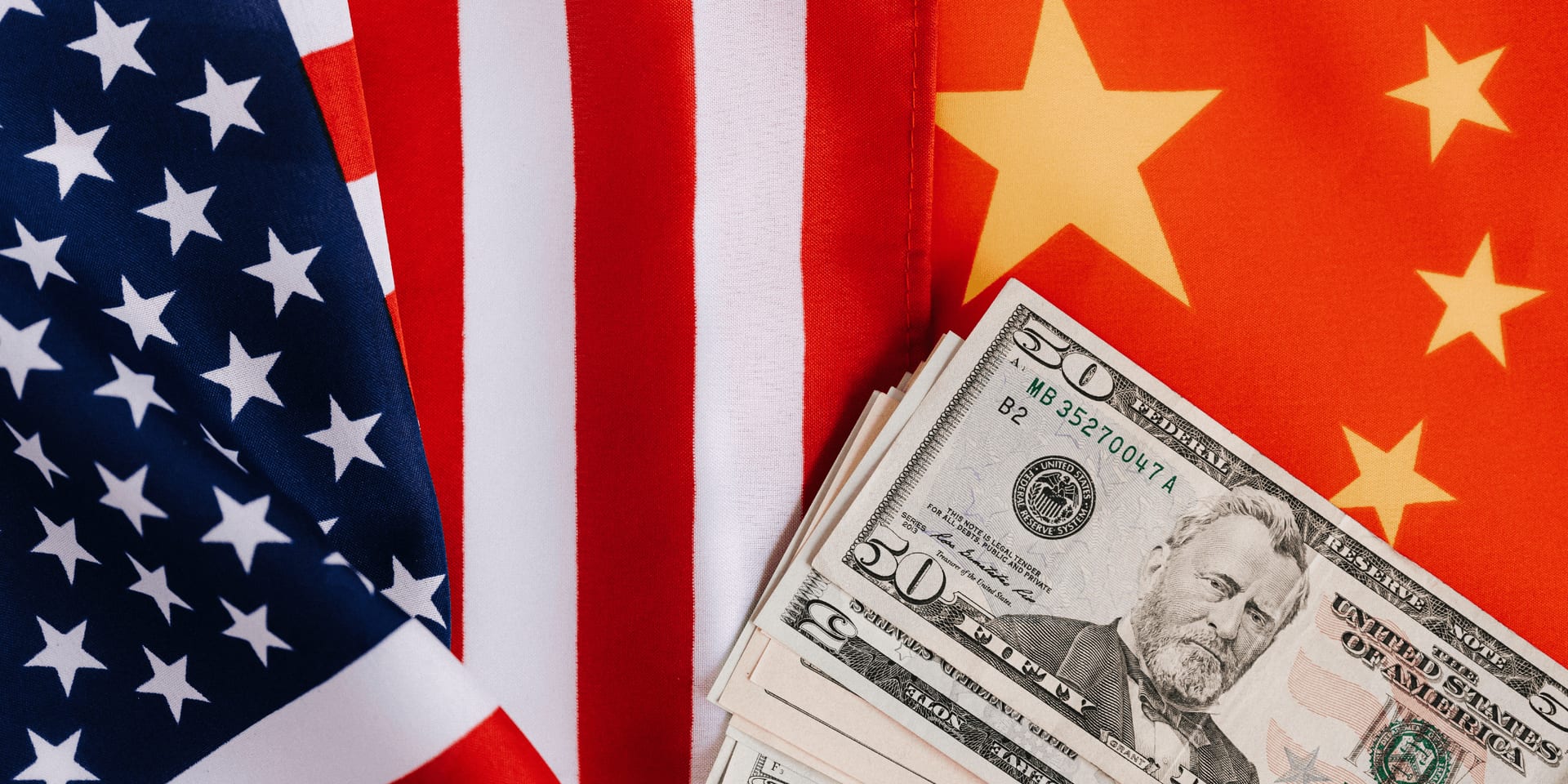
Against the backdrop of global tensions, American and Chinese officials opened a new round of trade negotiations in Paris on Sunday. The talks are led by U.S. Treasury Secretary Scott Bessent and Chinese Vice Premier He Lifeng and are aimed at easing trade frictions between the two economic superpowers.
The negotiations come ahead of a potential summit between President Trump and Chinese President Xi Jinping expected later this month in Beijing. Both governments are attempting to stabilize relations after years of tariffs and disputes over trade practices, technology, and market access.
Although earlier agreements temporarily paused escalating tariffs, tensions remain high. The current talks are viewed by economists and diplomats as a crucial test of whether Washington and Beijing can maintain economic cooperation despite geopolitical rivalry and the destabilizing effects of the Iran conflict on global markets.

Rare Nationwide Weather Pattern Brings Extreme Conditions
Across the United States, meteorologists are tracking an extraordinary combination of weather events unfolding simultaneously in different regions of the country. Forecasters say the unusual pattern could bring blizzards, a polar vortex, an atmospheric river, and an early-season heat dome all at once.
In the Midwest and Great Lakes region, two major snowstorms could dump as much as four feet of snow, while the second system may intensify into a rare inland “bomb cyclone.” Meanwhile, temperatures in parts of the Southwest, including Phoenix and Los Angeles, could surge into the triple digits far earlier than normal due to a powerful heat dome.
Elsewhere, Hawaii faces heavy flooding from an atmospheric river, and the central Plains are bracing for wildfire conditions driven by strong winds. Scientists say the chaotic weather pattern reflects a volatile jet stream possibly influenced by shifts in Arctic sea ice and broader climate trends.
Security Tightened for Oscars Amid Wartime Threat Concerns
Security has been dramatically increased for the 2026 Academy Awards in Los Angeles following warnings from federal officials about a potential, though unverified, Iranian-linked drone threat. Authorities say the alert stems from intelligence suggesting Iran could consider retaliatory attacks against U.S. targets during the ongoing conflict.
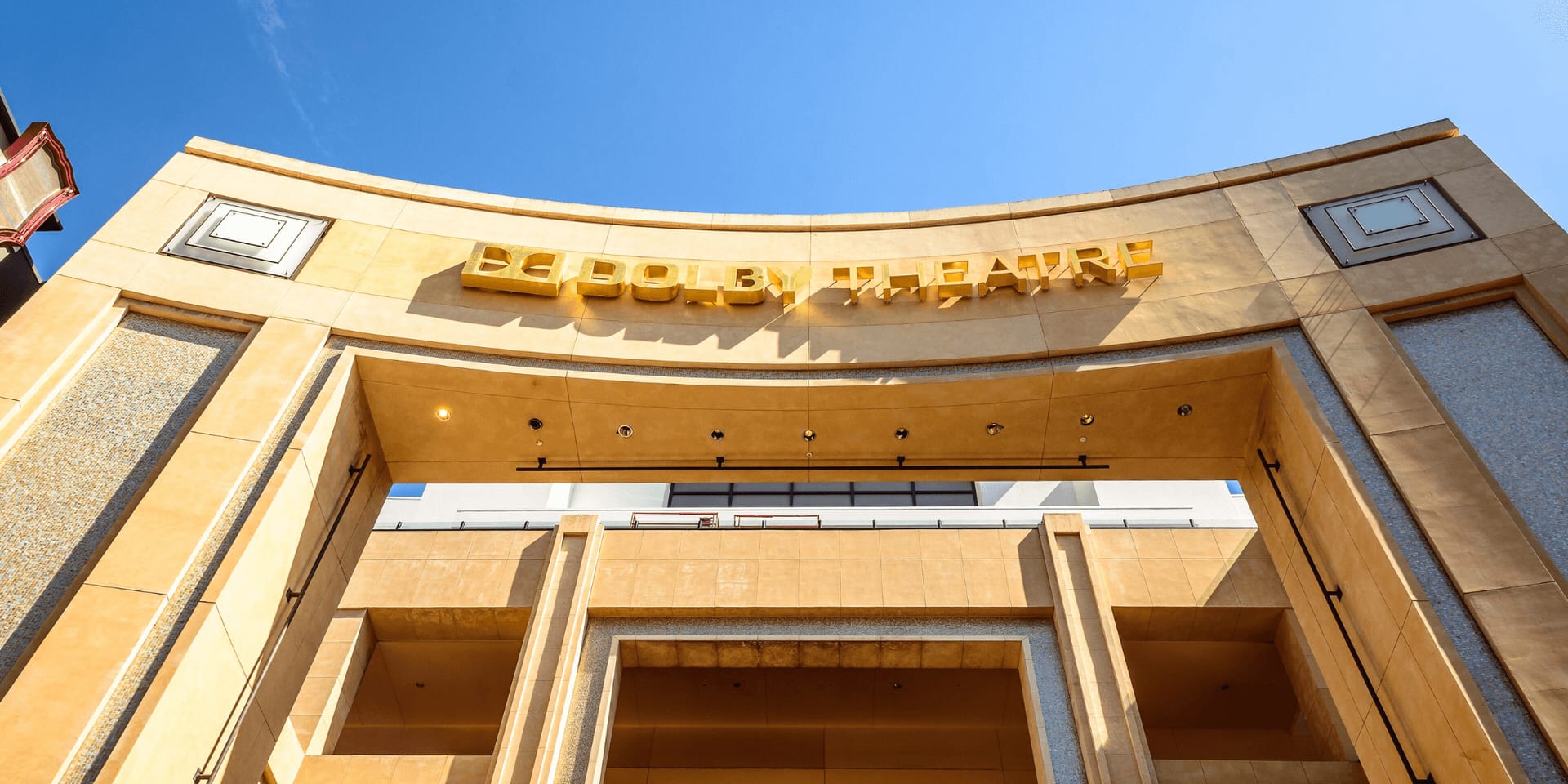
Organizers of the ceremony at the Dolby Theatre have coordinated closely with the FBI, the Los Angeles Police Department, and other agencies to expand protective measures. Roughly 1,000 security personnel, specialized surveillance systems, and a one-mile security perimeter are being deployed around the venue.
Officials stress that no credible attack has been confirmed but say the heightened security reflects caution during a period of global instability. State and local leaders have urged the public not to panic while emphasizing vigilance as international tensions remain elevated.
Looking Ahead
Several developments will shape the coming week. Diplomats will watch closely whether the U.S.–China talks in Paris produce any breakthroughs ahead of a potential Trump–Xi summit. In the Middle East, the trajectory of the Iran conflict and its impact on oil prices and global stability remains uncertain. Meanwhile, Americans across multiple regions are preparing for extreme weather conditions that could disrupt travel, infrastructure, and energy systems in the days ahead.