
Pressure Points Across the Nation: Immigration Battles, Election Maneuvers, and Foreign Policy Tests Dominate the Day
The nation's attention remained focused on immigration disputes, political battles, economic concerns, and high-stakes foreign policy negotiations. As Washington and state leaders navigated a series of consequential developments, today's headlines reflected the challenges shaping America's political and social landscape.
Washington Faces New Scrutiny Over Controversial Federal Settlement Fund
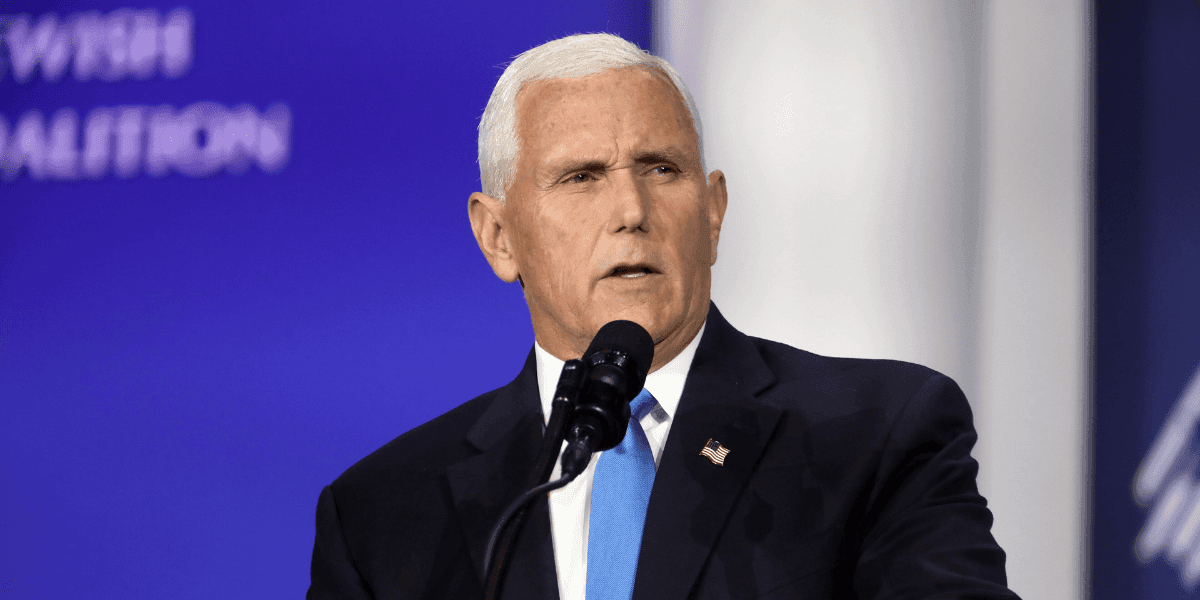
One of the most closely watched stories remains the controversy surrounding a multibillion-dollar federal settlement known as the “anti-weaponization fund.” The fund emerged from litigation involving President Donald Trump and the Internal Revenue Service and has drawn criticism from legal experts, former judges, and some political figures who argue the arrangement warrants further judicial review.
A federal judge recently signaled a willingness to revisit aspects of the settlement after allegations of deception and procedural concerns were raised. Former Vice President Mike Pence also publicly criticized the fund, calling attention to questions about how the money would be distributed and overseen. The dispute has become a broader test of executive authority and government accountability, with both supporters and critics framing it as a significant precedent for future administrations.

Photo Credit: usicegov/Wikimedia
Immigration Protests Intensify Around New Jersey Detention Facility
Immigration enforcement remained at the center of national debate as protests continued outside the Delaney Hall federal detention facility in Newark, New Jersey. Demonstrators and law enforcement officers clashed during multiple days of unrest, prompting local officials to impose a curfew around the area.
The protests reflect growing tensions over federal immigration policies and detention practices. Advocacy groups have raised concerns about conditions inside detention centers, while federal officials argue the facilities are necessary for enforcing immigration law and processing detainees. The confrontations have become a visible symbol of the broader national divide over border security, asylum policy, and federal enforcement powers.
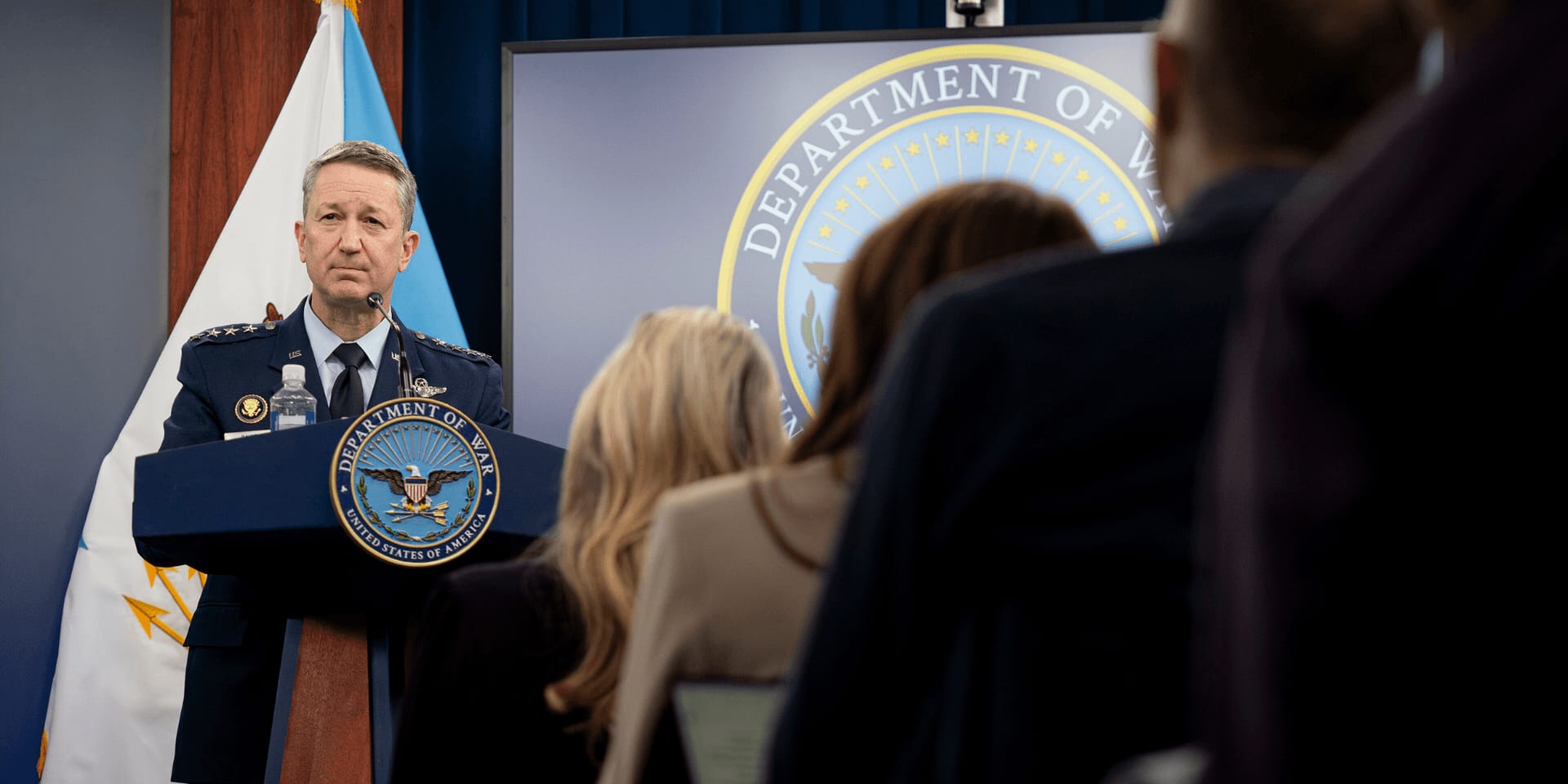
Photo Credit: Chairman of the Joint Chiefs of Staff/Wikimedia
Trump Administration Continues Deliberations on Iran Agreement
Foreign policy remained a major focus as President Trump and senior advisers continued discussions regarding a potential agreement with Iran. Reports indicated that the White House sought revisions to draft terms under consideration, while Iranian officials signaled continued resistance to some American demands.
The negotiations come after months of military tensions and diplomatic engagement in the region. Administration officials have emphasized that any agreement must address U.S. security concerns and regional stability, while critics remain divided over whether diplomacy or pressure should guide American strategy. The outcome could have significant implications for energy markets, military deployments, and U.S. alliances across the Middle East.
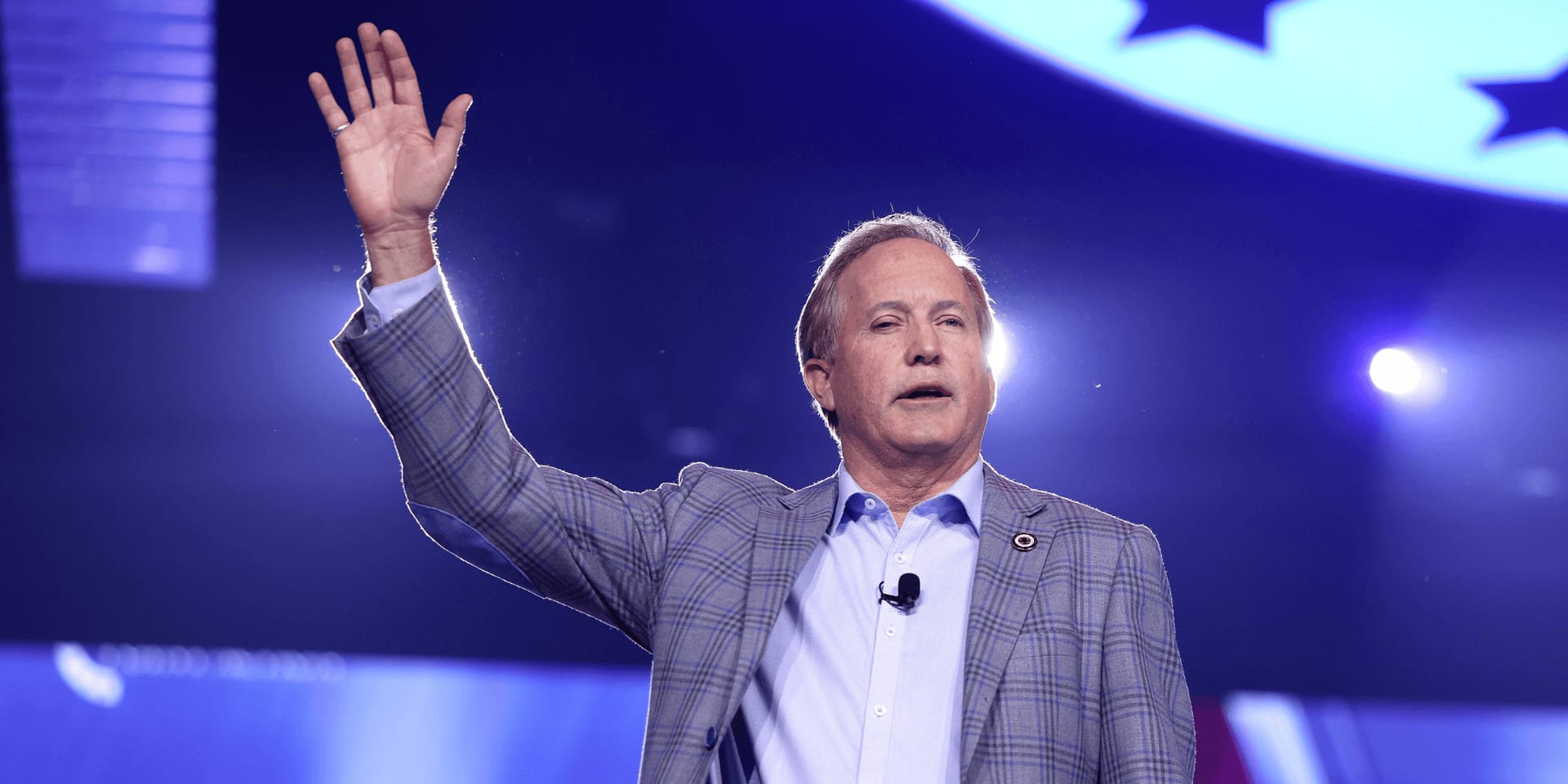
Photo Credit: Gage Skidmore/Wikimedia
Election Politics Accelerate Across the States
Campaign activity intensified across several key races as the 2026 election season gains momentum. In Texas, political observers continued to analyze the implications of Attorney General Ken Paxton’s Republican Senate primary victory, a result that could shape the ideological direction of the GOP heading into November.
Meanwhile, California’s governor’s race remained highly competitive, with candidates seeking to consolidate support in a crowded field. Analysts also pointed to emerging redistricting battles in several Southern states, where proposed congressional maps could influence representation and partisan control for years to come. Together, these contests highlight the increasingly nationalized nature of state-level politics and the importance of 2026 as a precursor to the 2028 presidential campaign cycle.
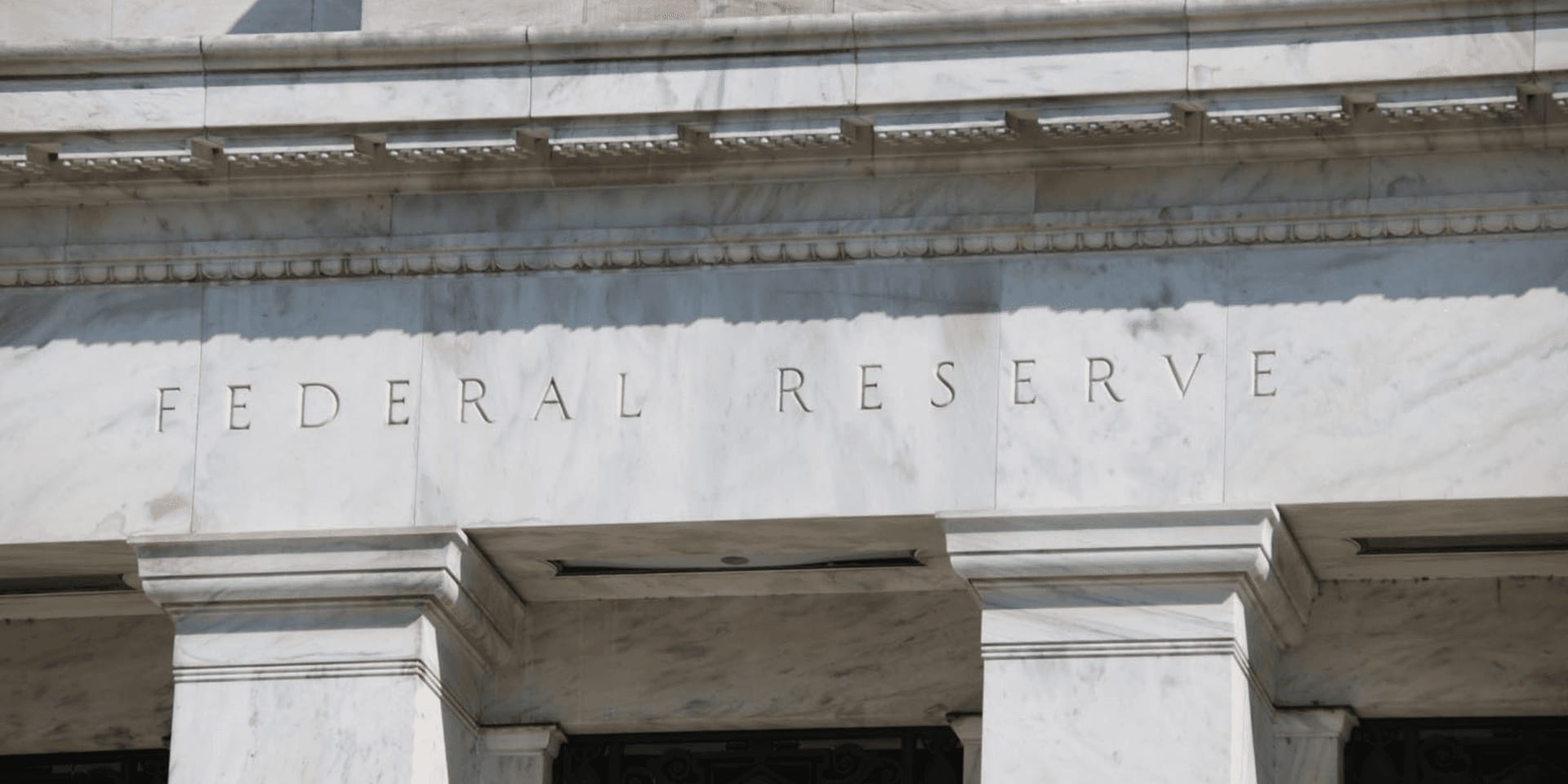
Photo Credit: Tim Evanson/Wikimedia
Economic Anxiety Persists Despite White House Reassurances
Economic concerns continued to weigh on public discussion as Americans confront persistent questions about inflation, consumer prices, and household affordability. White House economic advisers sought to reassure the public, arguing that broader economic indicators present a stronger picture than headline concerns might suggest.
Nevertheless, surveys and political commentary indicate that many voters remain focused on the cost of living, fuel prices, and everyday expenses. Economists continue to debate the trajectory of inflation and the potential impact of future Federal Reserve decisions. As the election season progresses, economic performance is likely to remain one of the most influential issues affecting voter sentiment nationwide.
Looking Ahead
The coming days are expected to bring further developments on the administration’s negotiations with Iran, ongoing legal scrutiny surrounding the federal settlement fund, and continued protests related to immigration enforcement. Election campaigns in major states are likely to intensify as candidates seek advantages ahead of upcoming primaries and general-election contests. At the same time, policymakers will continue monitoring economic indicators for signs of either easing pressure or renewed volatility, ensuring that questions about inflation, governance, and national security remain at the forefront of America’s political conversation.