Global Stakes, Domestic Impact: The Stories Driving the Nation
Major developments in diplomacy, the courts, the economy, and public life shaped the national conversation today. From a significant U.S.-Iran agreement to a consequential Supreme Court ruling, the day's headlines highlighted both global challenges and domestic turning points.

Obama Presidential Center Officially Opens in Chicago
A major cultural and civic milestone took place in Chicago with the dedication of the Obama Presidential Center. The ceremony drew an extraordinary gathering of national figures, including former Presidents Barack Obama, Bill Clinton, George W. Bush, and Joe Biden, alongside civic leaders, artists, and community members.
The center represents one of the most ambitious presidential legacy projects in recent decades. Beyond traditional archival and museum functions, the facility includes public gathering spaces, educational resources, cultural programming, and community-focused amenities. Organizers emphasized its role as a civic institution designed to encourage public engagement and leadership development for future generations.
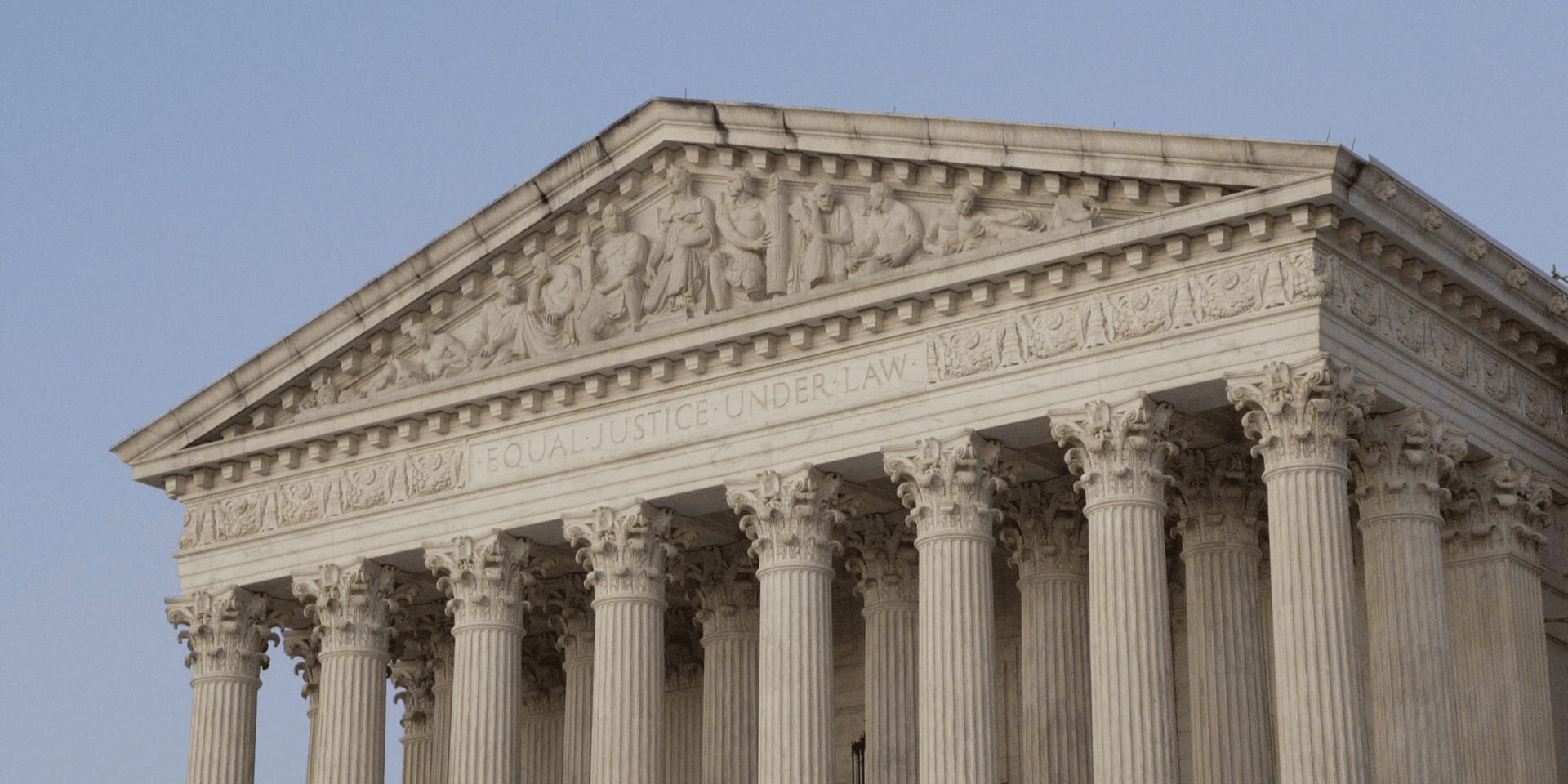
A photo showing the west pediment of the Supreme Court building in Washington DC
Photo Credit: Bravodelnorte/Wikimedia (Cropped)
Supreme Court Strikes Down Federal Gun Restriction
In a unanimous ruling, the U.S. Supreme Court invalidated a federal law that prohibited firearm ownership by unlawful drug users. The Court concluded that the restriction was inconsistent with constitutional protections under the Second Amendment, marking another significant development in the nation’s ongoing debate over gun rights and firearm regulation.
Legal analysts immediately described the decision as one likely to influence future challenges to federal and state gun laws. Supporters of the ruling hailed it as a victory for constitutional liberties, while advocates for stricter gun regulations warned that the decision could complicate efforts to address public safety concerns. The judgment adds to a growing body of Supreme Court precedent reshaping the legal landscape surrounding firearms in America.
Seal of the Board of Governors of the United States Federal Reserve System
Photo Credit: U.S. government/Wikimedia
Federal Reserve Holds Rates Steady as Economic Questions Persist
Economic attention remained focused on the Federal Reserve following its decision to leave interest rates unchanged. While policymakers refrained from raising rates, financial markets interpreted the central bank’s messaging as relatively hawkish, with officials signaling that future increases remain possible if inflation pressures persist.
Investors spent the day evaluating the implications for borrowing costs, employment, and consumer spending. Stock futures moved higher despite concerns about future tightening, while falling gasoline prices offered some relief for households. Economists continue to debate whether the economy can maintain its momentum through the remainder of the year without renewed inflationary pressures.
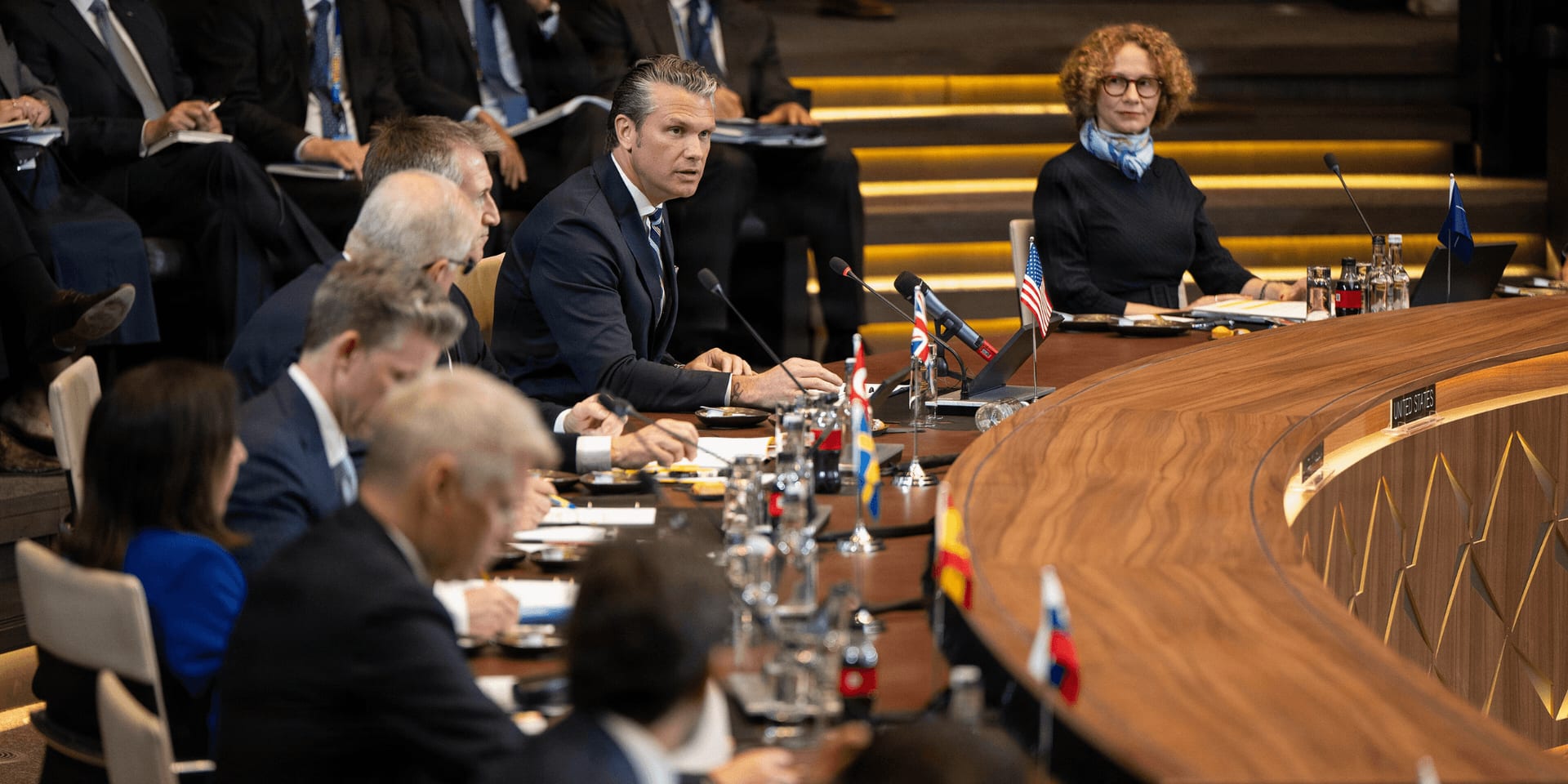
Secretary of War Pete Hegseth delivers remarks prior to a North Atlantic Council meeting at NATO Headquarters in Brussels, Belgium, June 18, 2026.
Photo Credit: DoW photo by U.S. Air Force Staff Sgt. Madelyn Keech/Wikimedia (Cropped)
Security Concerns Continue Amid Global Tensions
Even as diplomatic efforts advanced, security concerns remained prominent. The State Department issued warnings urging Americans traveling in the Middle East to remain vigilant because of ongoing instability despite signs of progress in U.S.-Iran negotiations. Officials stressed that conditions across parts of the region remain unpredictable.
At the same time, developments in the Russia-Ukraine conflict underscored the persistence of global geopolitical risks. Ukrainian drone strikes reached targets in and around Moscow, prompting sharp rhetoric from both sides and renewed discussions among NATO allies about defense commitments and regional security. Although the conflict remains geographically distant from the United States, its economic and strategic consequences continue to influence American foreign policy and alliance planning.
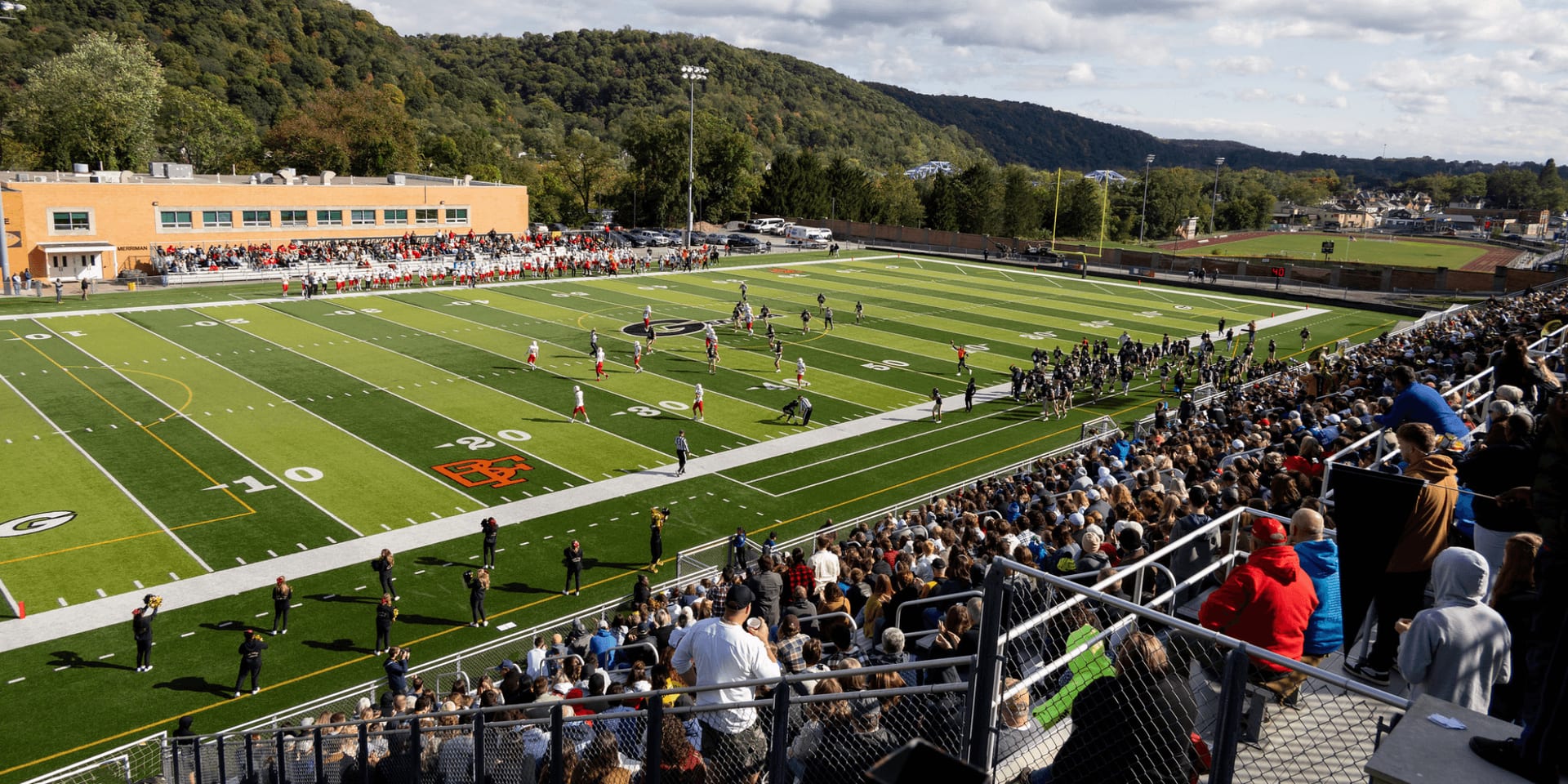
View of Reeves Stadium from the bleachers
Photo Credit: Claybedmcc/Wikimedia
College Sports Reform Bill Advances in Senate
A bipartisan effort to reshape the future of college athletics cleared a major hurdle in the Senate as the Protect College Sports Act advanced out of the Senate Commerce Committee. The legislation would establish new federal standards governing athlete compensation, transfers, and recruiting practices, marking one of the most significant congressional interventions in college sports in decades.
Supporters argue the bill would bring much-needed consistency to an increasingly fragmented system following the rise of name, image, and likeness (NIL) payments. The measure has received backing from organizations including the NFL and the U.S. Olympic & Paralympic Committee. However, powerful conferences such as the SEC and Big Ten have expressed opposition, arguing that key questions surrounding revenue sharing and legal liability remain unresolved.
The bill now moves to the full Senate, where its prospects remain uncertain. Even so, the committee vote represents a significant step in the ongoing national debate over the future of college sports and the balance between amateur athletics and professional-level compensation.
Looking Ahead
Attention now turns to the implementation of the U.S.-Iran agreement, where technical negotiations and political scrutiny are expected to intensify. The Supreme Court’s gun-rights ruling will likely spark new legal challenges and legislative responses, while investors continue monitoring signals from the Federal Reserve for clues about the direction of interest rates. Meanwhile, ongoing international tensions and the start of a busy summer political season ensure that the coming days will remain consequential for the nation’s policymakers and the public alike.