Grapples with Policy Shifts, Protests, and Looming Winter Storms
Americans awoke to a volatile mix of political protests, sweeping immigration policy changes, shifting market dynamics, and weather warnings that together underscored a nation in the midst of intense debate and disruption. Nationally significant demonstrations marked the one‑year anniversary of President Trump’s second inauguration, while bold executive actions on immigration took effect as U.S. markets responded to evolving geopolitical tensions at the World Economic Forum in Davos. Meanwhile, weather forecasts warned of a powerful winter storm poised to affect millions. These developments highlight the intersecting pressures facing the country across civic, economic, and environmental dimensions.
Nationwide ‘Free America Walkout’ Marks Political Dissent
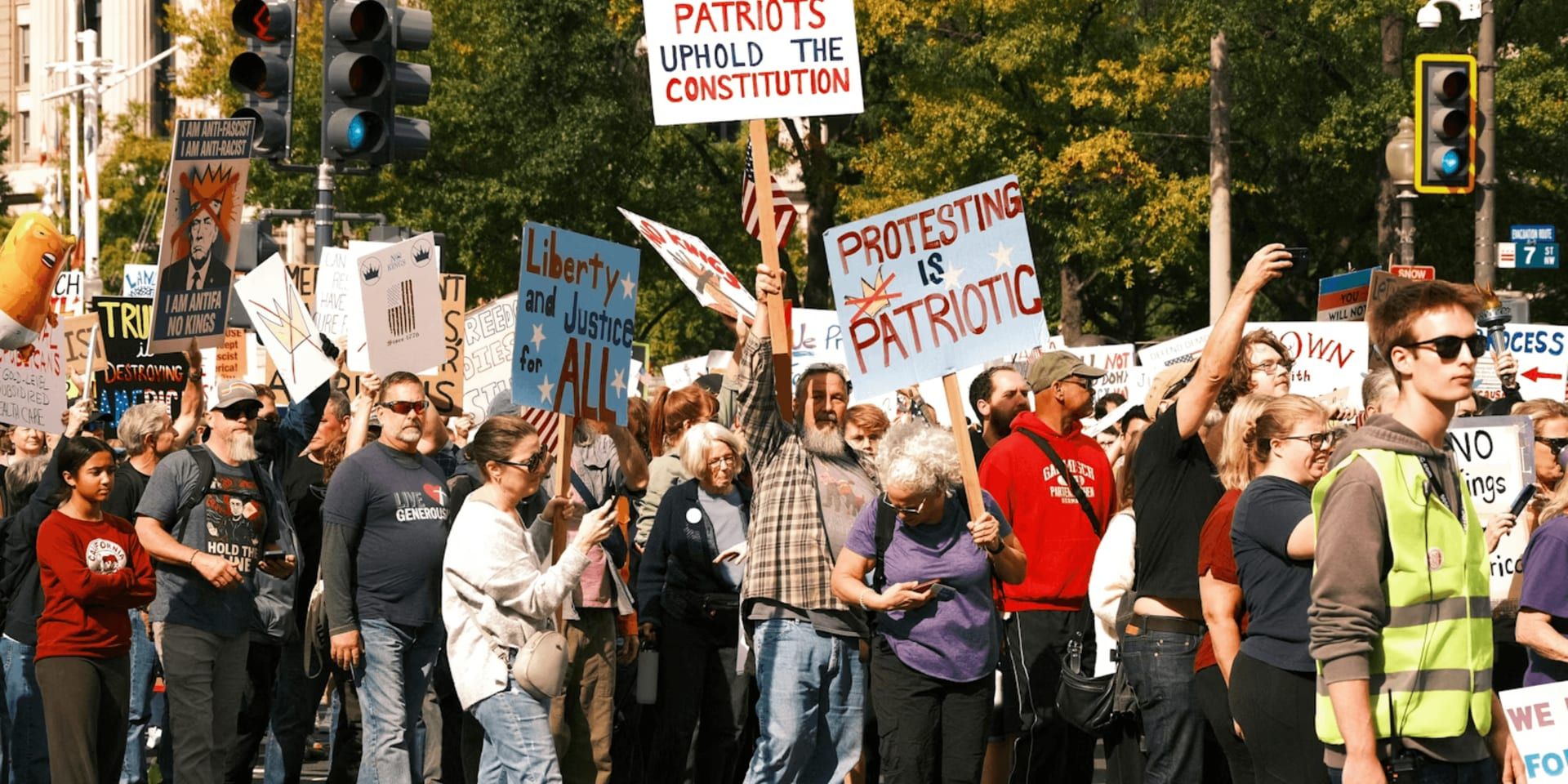
On Tuesday, January 20 and into Wednesday, coordinated “Free America Walkout” protests unfolded across major U.S. cities as demonstrators took to the streets to mark the one‑year anniversary of Donald Trump’s second presidential inauguration. Organized by the Women’s March and allied groups, participants staged walkouts from schools, workplaces, and public spaces to decry immigration enforcement actions and broader administration policies they characterize as oppressive. Major demonstrations in Atlanta, New York City, Minneapolis, and Washington, D.C., remained largely peaceful but impassioned, with protestors calling for reforms to federal immigration enforcement and labor policies.
Immigration Policy Shift: Visa Processing Suspended for 75 Countries
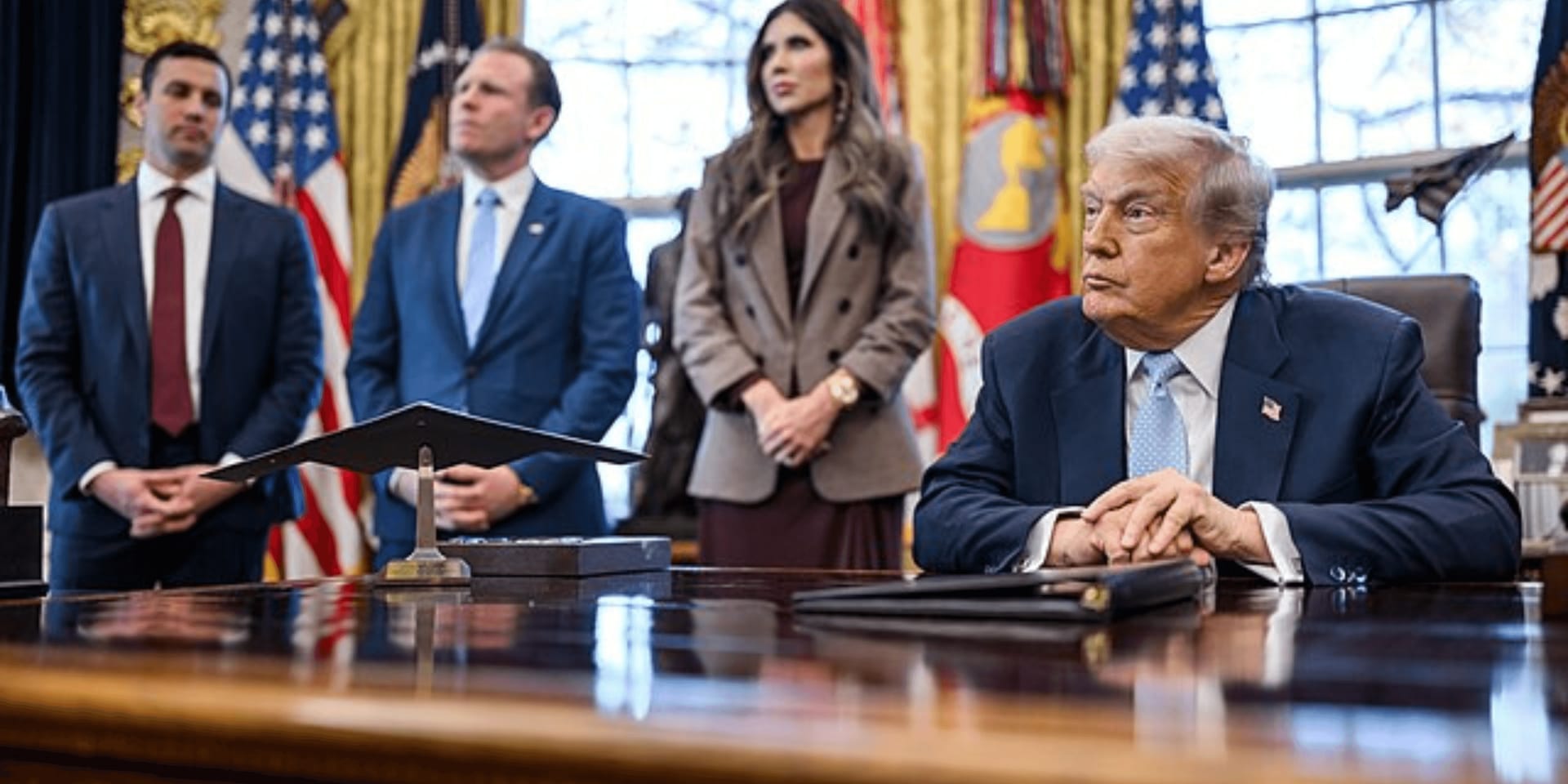
On January 21, the Trump administration’s indefinite suspension of immigrant visa processing for citizens of 75 countries officially took effect. The Department of State’s directive, justified as a reassessment of vetting procedures and an effort to prevent future dependence on public assistance, pauses green card and other immigrant visa issuances for nationals from nations across Africa, Asia, Latin America, and Eastern Europe. Although nonimmigrant visas such as those for tourism and business travel remain unaffected, the policy represents one of the most expansive immigration restrictions in recent U.S. history and could dramatically reduce legal immigration flows from the affected regions.

Markets Rebound After Trump Eases Greenland Tensions
U.S. financial markets showed signs of stabilization Wednesday following sharp sell‑offs triggered by geopolitical uncertainty. The S&P 500, Dow Jones Industrial Average, and Nasdaq all climbed after President Trump announced at the World Economic Forum that he would not use military force to assert control over Greenland and unveiled a framework agreement that eased fears of a looming conflict with European allies. Investors reacted positively to the apparent de‑escalation and the cancellation of proposed tariffs on several European nations, helping markets recover from the previous session’s declines and easing some of the “Sell America” sentiment that had weighed on equities and the dollar.
Affordability and Economic Pressures Remain Central Political Focus
Economic discussions both domestically and in Davos continued to emphasize affordability as a critical political issue shaping 2026. High housing costs, rising healthcare premiums, and sustained increases in energy and childcare expenses have intensified financial strains for many Americans. In response, President Trump proposed measures such as direct payments to low‑income households, caps on credit card interest, and housing policy reforms—though many such proposals face resistance in a divided Congress amid ongoing debates over fiscal priorities and long‑term deficit implications.
Winter Storm Threatens Travel and Utilities Across Vast Regions
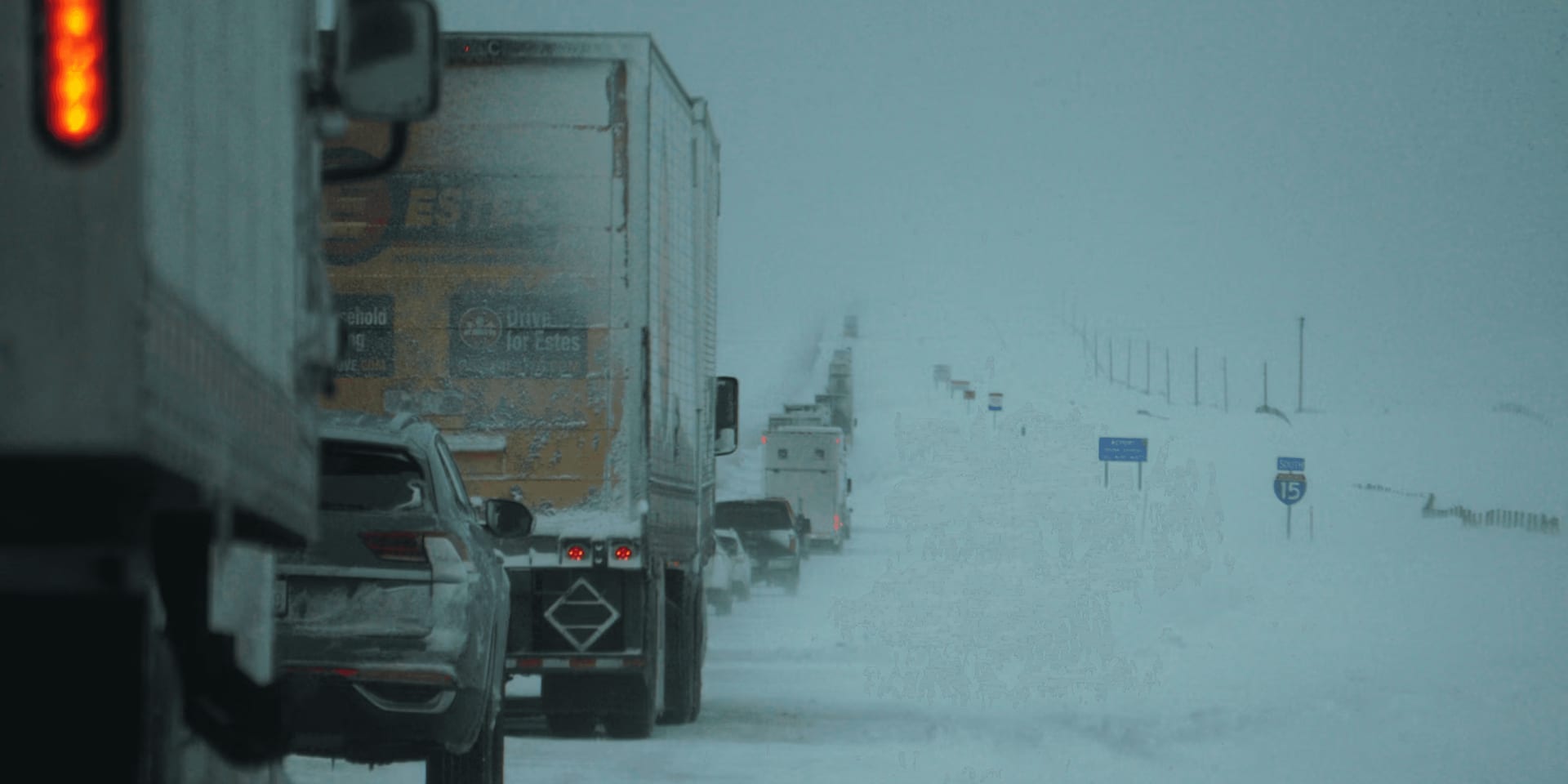
Adding to the nation’s concerns, meteorologists warned of a powerful winter storm forecast to sweep across a 2,000‑mile swath of the continental United States beginning Friday, January 23. Driven by a stretched polar vortex and amplified by conditions in the Arctic, the system is expected to deliver heavy snow, dangerous ice, and life‑threatening cold to communities from the Southwest through the Midwest and into the Northeast. Major cities including Dallas, Nashville, Washington, D.C., and New York are among those in the storm’s projected path, with potential for significant travel disruptions, power outages, and infrastructure stress. Authorities urged residents to prepare for extreme conditions that could persist into early next week.
Looking Ahead
As the nation moves past January 21, the coming days will test the resilience of U.S. institutions and communities. Lawmakers in Washington face mounting pressure to address the real‑time fallout from sweeping immigration policy changes and market volatility tied to foreign policy shifts. Meanwhile, emergency preparedness efforts will take center stage as the winter storm threat continues to grow, with travel planners, utility providers, and state officials bracing for possible impacts. Keeping an eye on congressional responses to economic pressures and the federal government’s management of immigration and foreign policy tensions will be crucial for understanding the country’s trajectory in the weeks ahead.