War, Protest, and Politics: America Grapples With a New Middle East Conflict
Today’s headlines were dominated by an abrupt escalation in U.S. military involvement abroad and its far‑reaching repercussions at home. The United States, alongside Israel, initiated a major strike campaign against Iran, fundamentally altering geopolitical dynamics and prompting protests and political debate across the nation. Domestic reactions underscored deep divisions, while cultural and sporting events provided a brief reprieve from the intensifying news cycle.

U.S. and Israel Launch Major Strikes Against Iran, Killing Supreme Leader
On Saturday, the United States and Israel launched coordinated military strikes across Iran in what President Donald Trump described as “major combat operations” aimed at degrading Tehran’s military capabilities and encouraging regime change. The attacks included extensive missile and aerial bombardments targeting government and military infrastructure, triggering widespread explosions in Tehran and other cities. President Trump announced that Iran’s Supreme Leader, Ayatollah Ali Khamenei, had been killed as a result of the operation—a declaration later confirmed by Iranian state media—creating a profound power vacuum in the Islamic Republic’s leadership and stoking fears of prolonged regional conflict.
Iran responded with retaliatory missile and drone strikes on U.S. military installations and allied targets in the Gulf region, marking one of the most extensive escalations between the United States and Iran in decades. In Bahrain, residential and military infrastructure came under attack, and air raid sirens sounded across the region after Iranian forces engaged multiple targets in response to the strikes.
Domestic Protests and Support Erupt Across the United States
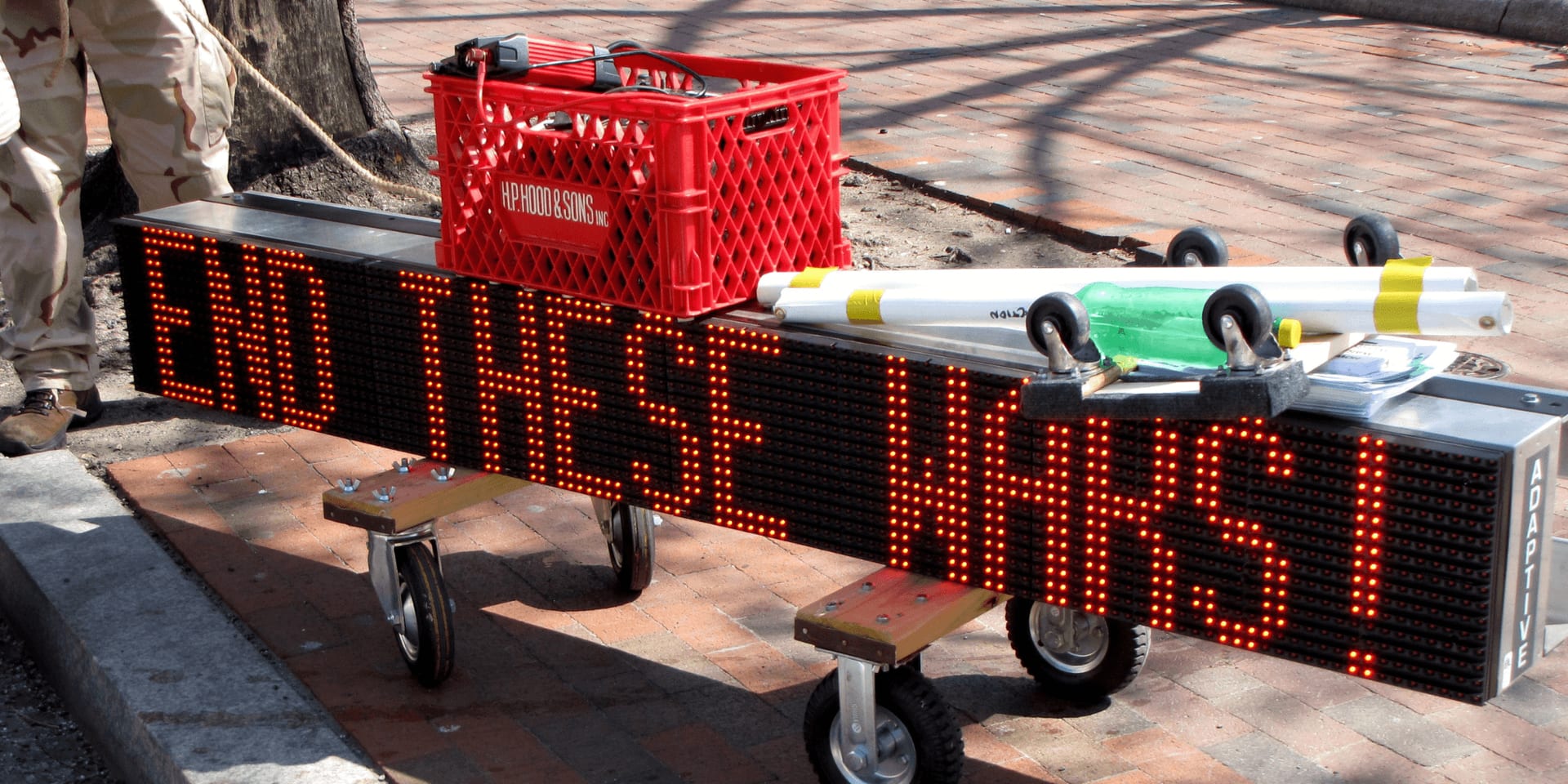
The military actions sparked immediate and broad reactions across the U.S. political landscape. In major cities including Washington, D.C., New York, Los Angeles, and Portland, anti‑war demonstrators gathered to condemn the strikes, asserting that the President acted without Congressional authorization and warning that the nation may be drawn into a costly, open‑ended conflict. Some protests centered outside the White House with chants against further military escalation.
At the same time, other Americans, particularly among Iranian‑American communities, expressed support for the strikes, framing the operation as a blow against Iran’socratic rule and a step toward democratic change. In Midtown Manhattan, hundreds gathered to celebrate the death of Ayatollah Khamenei, chanting slogans in appreciation of U.S. intervention—highlighting a complex tapestry of domestic responses to the unfolding crisis.
Debates reverberated in the press and on Capitol Hill, where commentators and lawmakers weighed in on the legality and strategic wisdom of the strikes. Some editorial voices labeled the operation “a reckless, imperial error” with uncertain long‑term consequences, while others commended the demonstration of military force but urged clear objectives and legal backing.
Impact on Security and Global Diplomacy
Beyond protests, national security agencies elevated alerts over potential retaliatory threats. Intelligence and federal law enforcement agencies put additional focus on protecting critical infrastructure and monitoring cyber and physical threats linked to the broader conflict, anticipating possible escalation by Iranian‑linked actors.
The situation also played out on the diplomatic stage: at an emergency United Nations Security Council meeting, Secretary‑General António Guterres condemned the strikes by both sides and urged a return to diplomacy to prevent further escalation. Russia and China criticized the operations, while European powers called for urgent de‑escalation efforts to stave off a broader conflagration.
Athletics and Culture: Events Continue Through Turbulence
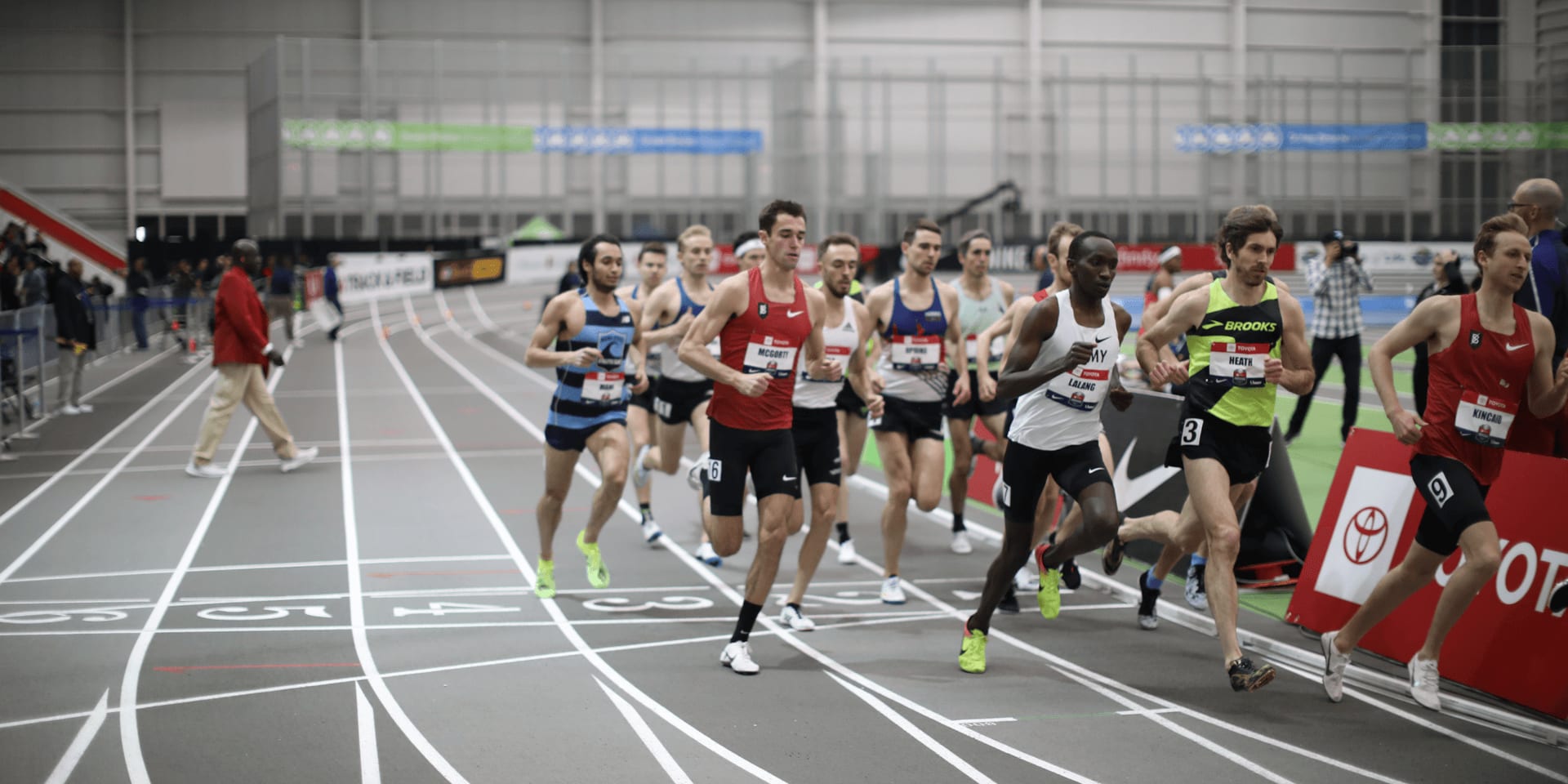
Amid the geopolitical upheaval, cultural and sporting activities carried on. The 2026 USA Indoor Track and Field Championships commenced in Staten Island and Indianapolis, serving as the national indoor championships and a qualifier for the upcoming World Athletics Indoor Championships—a reminder that community life and athletic pursuits continued even as world events drew intense attention.
Elsewhere, wrestling fans marked WWE’s Elimination Chamber premium live event in Chicago, a central stop on the Road to WrestleMania 42 that drew major audience interest and narrative developments in sports entertainment.
Observances and Unofficial Holidays
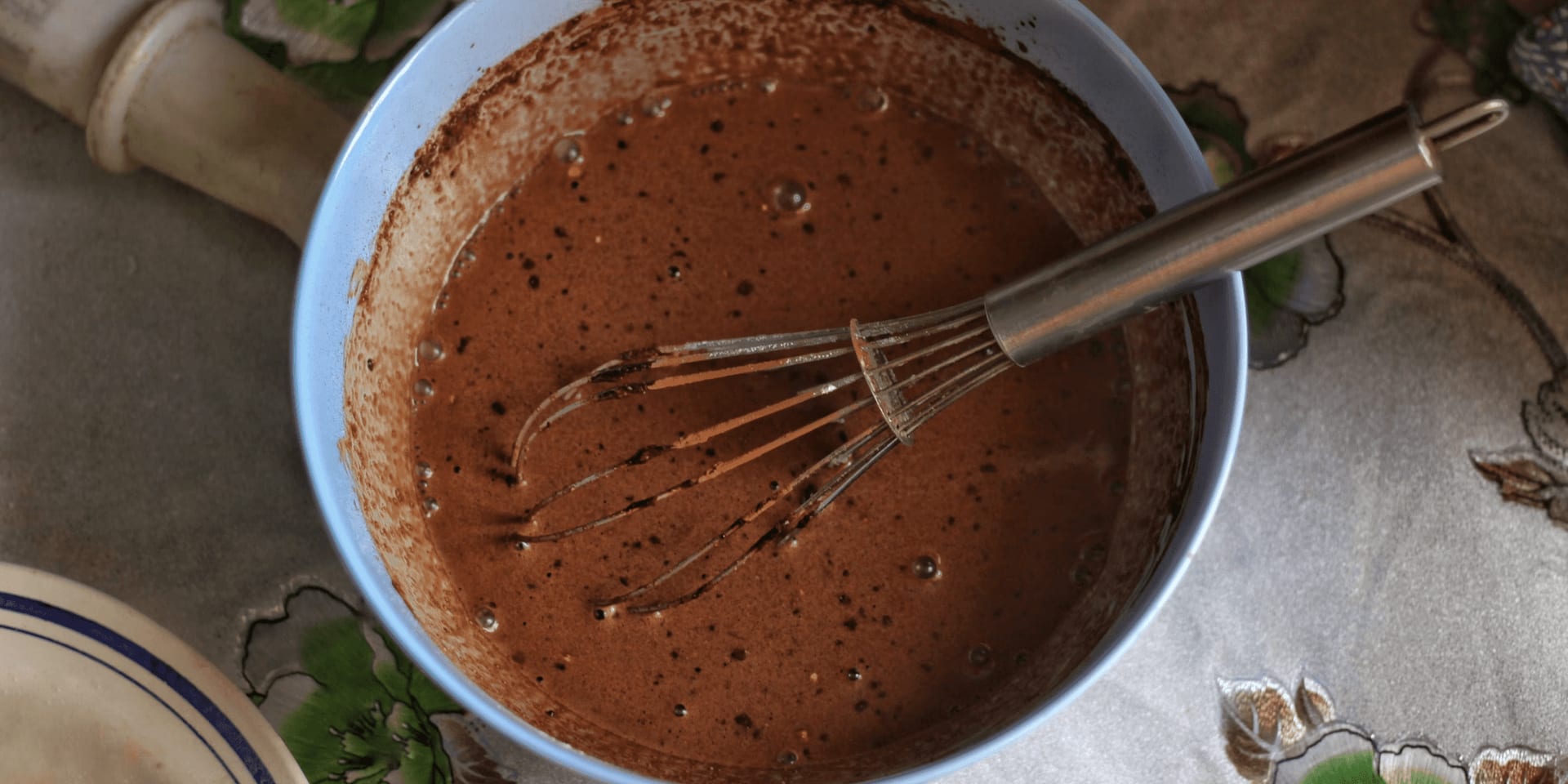
Saturday also hosted a mix of informal cultural observances and quirky celebrations in the U.S., including National Chocolate Soufflé Day, National Tooth Fairy Day, and Open That Bottle Night, each offering residents moments of levity and tradition against a backdrop of intense news narratives.
Looking Ahead
In the days to come, the trajectory of U.S. foreign policy will remain in sharp focus as military operations in the Middle East evolve and Congress considers its role in authorizing or constraining executive action. Domestic public opinion and protest movements may influence political calculations ahead of key elections, while global diplomatic efforts will be critical to preventing wider conflict. Close attention will also be paid to economic and security developments at home as ripple effects from the crisis continue to unfold.