
How Digital Travel Tools Are Transforming the Way People Plan, Book, and Experience Global Travel
Digital travel tools simplify planning, booking, navigation, and trip management, helping travelers save time, stay organized, and travel stress-free.
Planning an international trip takes much less effort when the right digital tools are part of the process. You can compare flights, book hotels, find your way around a new city, and keep your travel documents in one place without jumping between dozens of websites.
That saves time, but the biggest benefit comes from feeling prepared before you even leave home. You spend less time dealing with small travel problems and more time enjoying the places you came to visit.
Every stage of your trip becomes easier when the right tools are doing the small jobs for you. And we’re going to show how each one helps make travelling simpler, faster, and far less stressful.
1. Trip Planning Has Become Faster and More Organized
Planning a trip can involve a lot of moving parts. Flights, hotels, airport transfers, travel insurance, attraction tickets, and restaurant bookings all need to come together before you leave. Digital travel tools make that job much easier because you can keep everything in one place instead of jumping between different websites and emails.
They also help you make smarter choices. You can compare flight times, check hotel locations on a map, read recent reviews, and see which option gives you the best value. Having all this information in front of you makes it easier to book with confidence instead of making quick decisions.
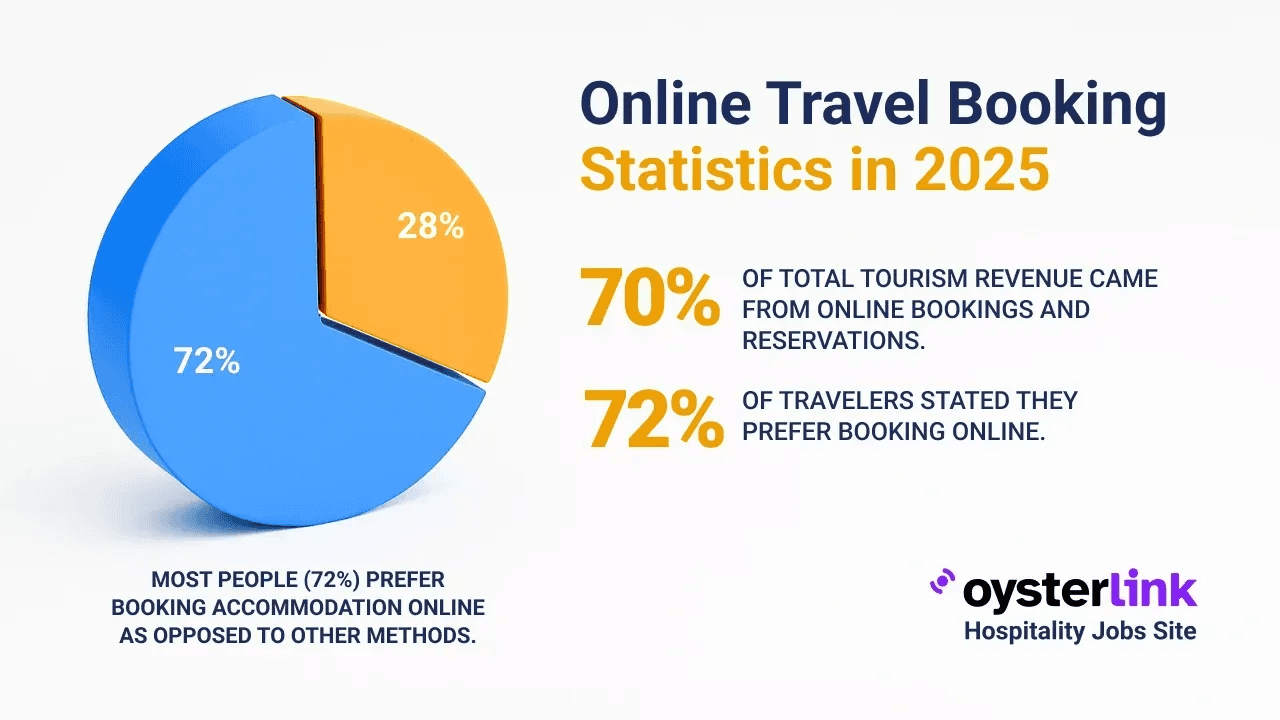
Many travelers already plan and book their trips online because it saves time and gives them more choices. According to research, 72% of travelers prefer booking online, while 70% of total tourism revenue now comes from online bookings and reservations.
Source: OysterLink
Those numbers reflect how much travel planning has changed over the last few years.
“People often think booking a flight is about finding the lowest fare, but that's only one part of the decision. Departure times, connection length, airport location, baggage rules, and flexibility all affect the journey. Looking at those details before you book usually saves far more time and frustration than focusing on price alone,” says Hans Desjarlais, Founder at FlightList.
2. Better Information Helps You Book With More Confidence
Booking a hotel or tour always comes with one important question: will it match what you expect? Digital travel tools make that decision much easier because you can learn far more before spending your money.
Recent reviews from other travelers often reveal the details that official descriptions leave out. You can find out whether the rooms are clean, how helpful the staff are, if the location is convenient, and whether the experience feels worth the price. Photos and videos shared by real visitors usually give a much more honest picture than professionally edited marketing images. That extra information often changes the decisions people make.
According to Luciano Armanasco, Founder & Tour Leader at Our Dolce Vita, “One disappointed guest can often be traced back to unrealistic expectations. Reading recent reviews, looking at real traveler photos, and understanding what an experience actually offers helps people choose places that genuinely suit their travel style. That usually leads to happier travelers and far fewer surprises after they arrive.”
3. Navigation Apps Help You Explore New Places Without Feeling Lost
Finding your way around a new city has become much easier with digital maps and navigation apps. Whether you're walking through a busy city centre, taking a train, or looking for your hotel after a long flight, you can find clear directions within seconds.
These apps do much more than show a route on a map. They help you compare different ways to travel, check public transport times, find nearby restaurants, and even download maps before your trip. That becomes very helpful when you don't have mobile data or a local SIM card.
They also make exploring feel much more relaxed. If you spot an interesting street or decide to visit a local market, you can easily find your way back without worrying about getting lost. That gives you the confidence to spend more time exploring places that aren't part of your original plan.
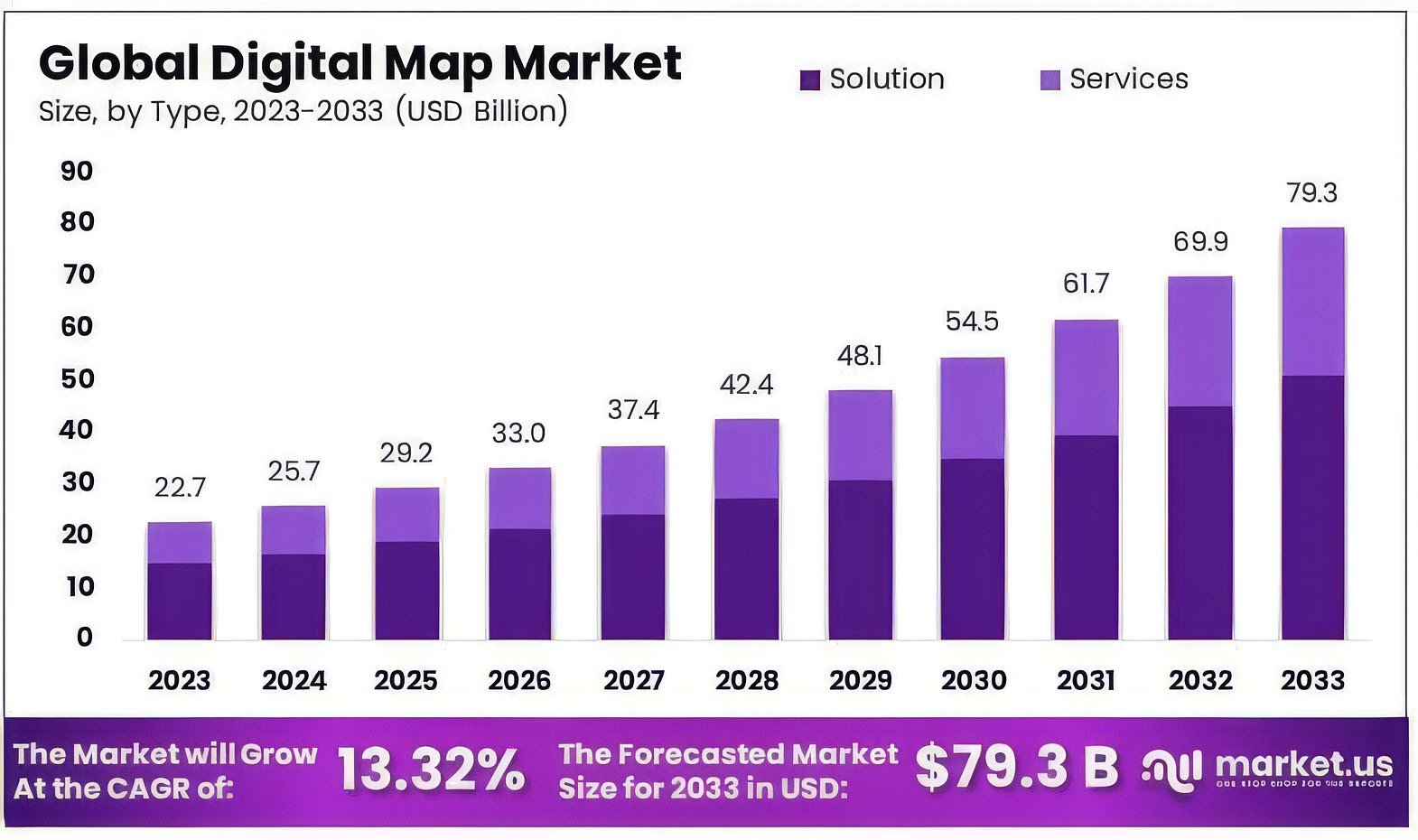
Digital maps have become one of the most important travel tools, and their growth shows how much people rely on them today. Research shows that the global digital map market will grow from about $33 billion in 2026 to $79.3 billion by 2033, with a compound annual growth rate (CAGR) of 13.32%.
Source: Market.us
As more travelers depend on digital maps for directions, public transport, and finding nearby places, these tools continue to play a bigger role in making travel easier and more organized.
4. Digital Travel Tools Make Everyday Communication Much Easier
Travelling becomes much easier when you can understand the people and the place around you. A language difference can make simple tasks feel difficult, whether you're ordering food, asking for directions, or reading a train schedule. Digital travel tools help remove much of that stress and create a more enjoyable travel experience from the moment you arrive.
Translation apps can turn spoken words, written text, and even signs into your own language within seconds. If you're looking at a menu or trying to understand instructions at a train station, your phone can often give you the answer straight away. That means you spend less time feeling confused and more time exploring with confidence.
These tools also make it easier to speak with local people. You can ask simple questions, understand basic replies, and handle everyday situations without worrying about every word. Even when the translation isn't perfect, it's usually enough to keep the conversation moving and help you enjoy the destination without language becoming a constant barrier.
5. Managing Your Trip Has Become Much Easier
Travel plans rarely stay exactly the same. Flights get delayed, boarding gates change, hotel check-in times are updated, or a reservation needs to be changed. Keeping track of all those details can quickly become stressful if everything is stored in different places.
Digital travel tools solve that problem by keeping your plans together. Flight details, hotel bookings, attraction tickets, and boarding passes are easy to find whenever you need them. If something changes, many apps send a notification straight to your phone, giving you enough time to adjust your plans without rushing. Keeping those updates within reach makes a noticeable difference once you're on the move.
Marco Kohns, CMO at Globie, shares, “Travel plans change all the time, but they don't have to become stressful. When your booking details, live notifications, and reliable mobile connection are all ready before you leave, it's much easier to deal with delays or last-minute changes. That's one reason many travelers activate a travel eSIM before departure, so important updates reach them wherever they are.”
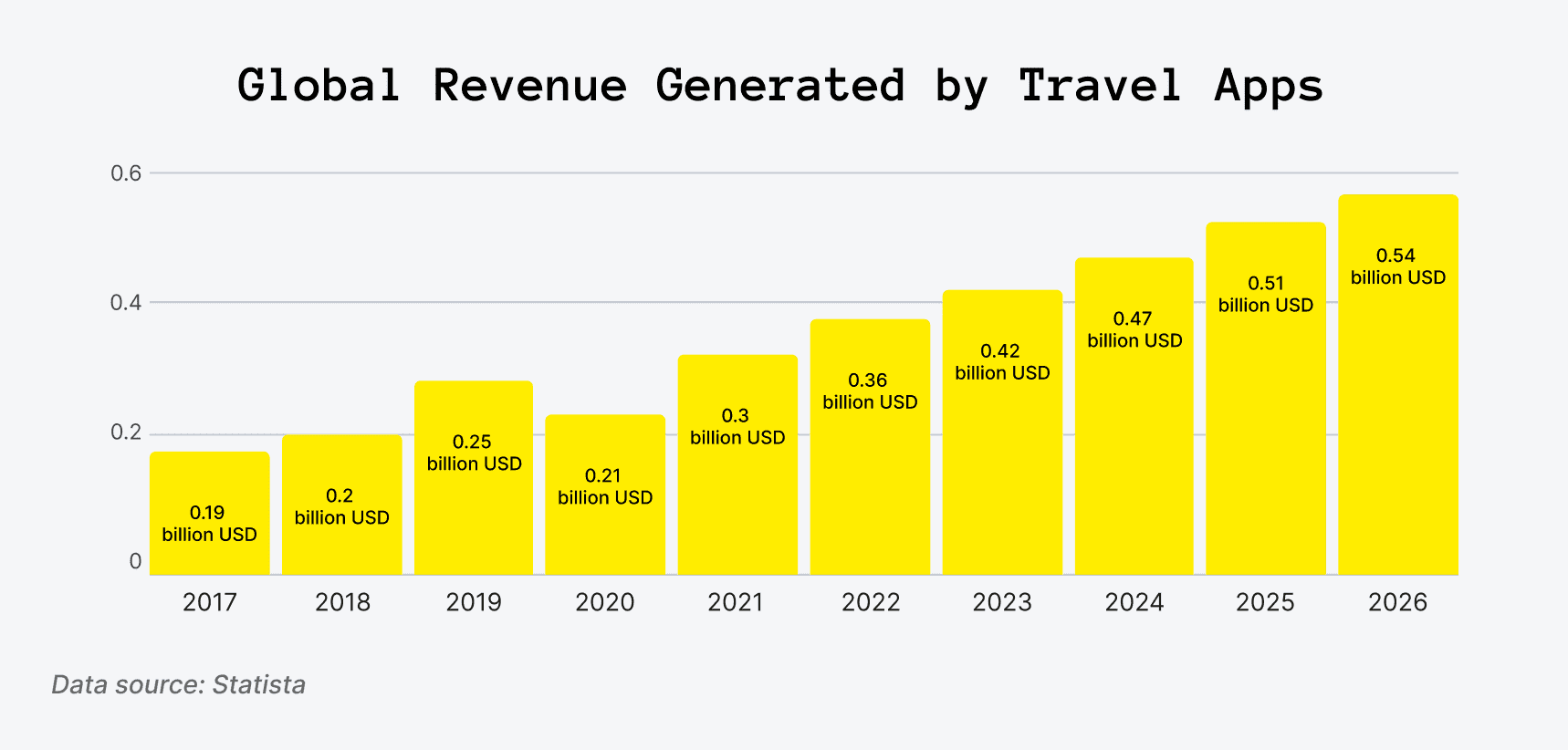
According to a survey, global travel app revenue reached about $0.54 billion in 2026, up from roughly $0.51 billion in 2025.
Source: Upsilon
That steady growth shows how quickly travelers have adopted these apps to manage flights, hotel bookings, tickets, and travel updates, which make it much easier to keep an entire trip organized from one place.
Final Thoughts
Digital travel tools have made every part of travelling easier — from planning your trip to finding your way in a new city. They help you stay organized, save time, and solve small problems before they become stressful. You still need good planning and smart decisions, but the right tools make those jobs much simpler.
That gives you more time to enjoy local food, visit new places, and create lasting memories. Technology cannot replace the experience of travel, but it can make the journey smoother. That helps you spend less time worrying about the details and more time enjoying where you are.