How Lipi.ai Is Challenging Typography's Old Rules With Font Intelligence
Lipi.ai is redefining font discovery, licensing clarity, and custom type creation through a unified font intelligence platform.
In the middle of a branding project, a designer spots the perfect typeface on a poster. It captures exactly the feeling the client wants. There is only one problem: nobody knows what the font is, who owns it, whether it can be legally used, or how much it might cost to license. What should be a creative breakthrough quickly becomes a frustrating search through outdated tools, licensing documents, and endless forum threads.
That familiar moment is exactly what inspired Lipi.ai, a font intelligence platform created to solve one of design's most persistent challenges. Founded by Aditya Thakur, Lipi.ai was built around a simple idea: designers should spend more time creating and less time navigating a system filled with uncertainty, gatekeeping, and licensing confusion.

A New Approach to Font Intelligence
For decades, typography has operated within a fragmented ecosystem. Designers often rely on separate tools for font identification, licensing research, and font sourcing. Even after identifying a typeface, they are frequently left wondering whether they have the legal right to use it in a logo, marketing campaign, application, or commercial product.
Lipi.ai brings these processes together in a single workflow.
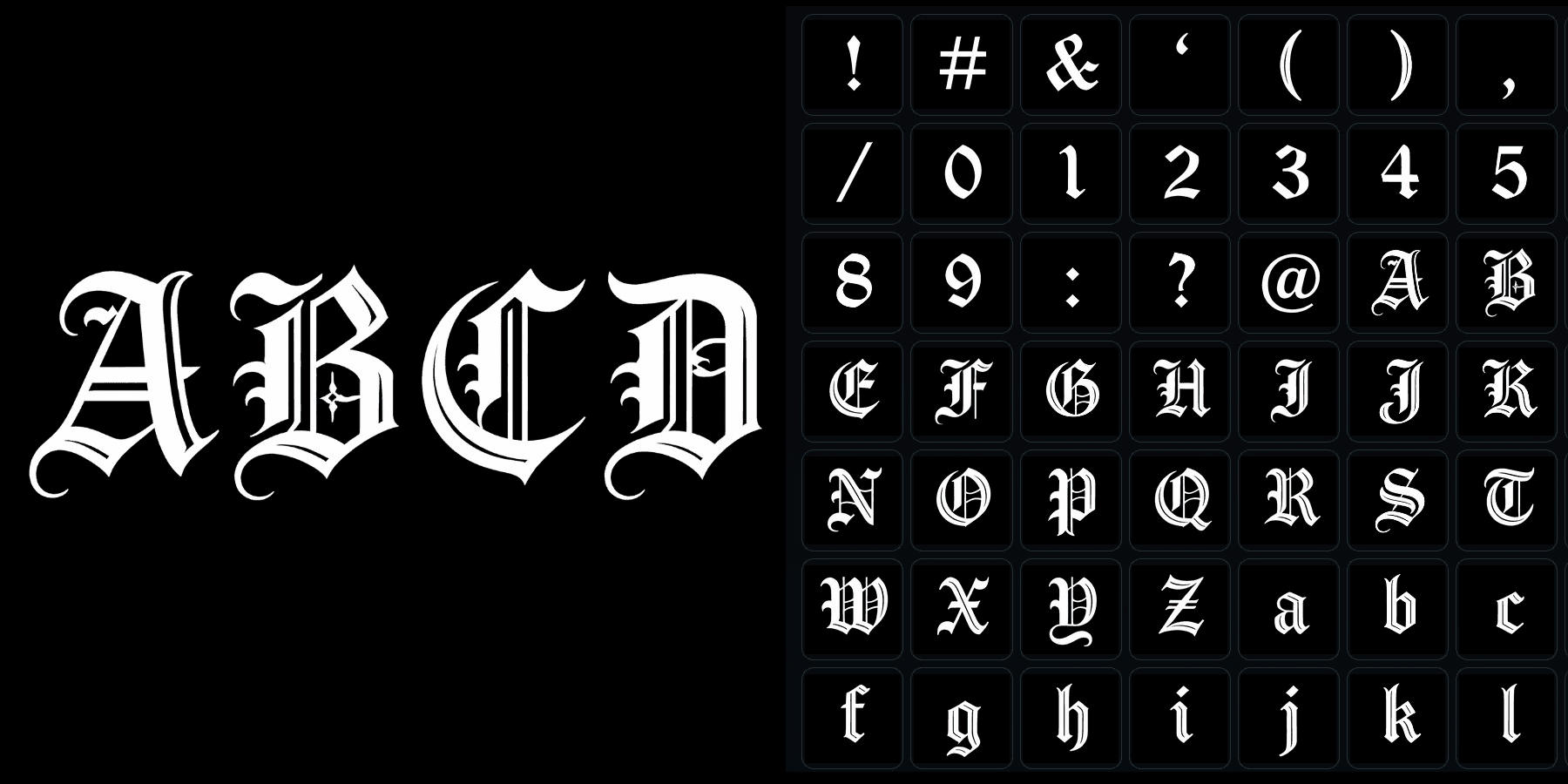
The platform allows users to identify fonts from images, review licensing considerations, and explore alternatives without jumping between multiple services. For designers who cannot access a desired typeface due to restrictive licensing terms or high costs, Lipi.ai also provides the ability to generate original fonts from text prompts and download usable font files.
According to the company, this end to end experience is what distinguishes the platform from traditional font identification services and subscription libraries.
"The typography industry is built around gatekeeping," says the Lipi.ai team. "We wanted to replace guesswork and uncertainty with instant answers, transparent licensing information, and original type creation."
The Industry Conversation Few Want to Have
Typography sits at the intersection of art, branding, and technology. As artificial intelligence continues to influence creative industries, the design community has often expressed concern about how AI tools may affect craftsmanship and originality.
Lipi.ai occupies an unusual position within that discussion.
Rather than presenting itself as a replacement for designers, the company positions its platform as a practical tool created specifically for working creatives. The platform's marketplace model also seeks to support independent type designers by providing revenue sharing opportunities while helping buyers access fonts with clearer usage rights.
The company believes there is a disconnect between public conversations about AI and the tools many creative professionals already use behind the scenes.
As the team explains, many designers are not opposed to technology itself. Instead, they are concerned about products that fail to respect creative workflows or produce results that are not practical in professional environments.
This philosophy has shaped Lipi.ai's development from the beginning. The company's focus remains on helping designers solve real problems that occur during branding, advertising, web design, and product development projects.
Beyond Identification
Traditional font matching tools typically stop after presenting a list of possible matches. From there, users are left to investigate licensing details independently.
Lipi.ai aims to extend that process by helping users understand what happens after a font is identified.
For agencies and brand teams, licensing uncertainty can create significant risks. A typeface that appears suitable for a project may have restrictions that limit its use in logos, websites, applications, or large scale campaigns. Understanding those limitations early can help teams make more informed decisions.
The company also addresses another challenge facing modern brands: differentiation.
While subscription libraries and free font repositories have made typography more accessible, they have also led to widespread use of the same limited selection of typefaces. Lipi.ai offers an alternative path by enabling users to create original fonts designed around specific brand requirements.
The goal is not simply access to more fonts. It is access to fonts that help organizations establish a distinctive visual identity.
Building What Others Consider Impossible
One of the most provocative ideas associated with Lipi.ai involves the future scale of type creation itself.
"There is a fashionable take in tech right now that AI has killed the moat, that anyone can build anything in a weekend, that defensibility is dead," says founder Aditya Thakur. "That is only true if you are building a wrapper. If you have actually trained your own models, built your own data pipeline, and own the infrastructure that runs it in production, the moat has never been deeper. Wrappers are commodity. Real tech still compounds. Lipi is real tech."
The company argues that advances in font generation could dramatically change how typography libraries are built and distributed in the years ahead.
Thakur offers an ambitious perspective on that future.
"Monotype spent more than a hundred years building the largest font catalogue in the world. With Lipi, we can build a foundry that size in a month. That is not hyperbole, it is just what happens when font creation stops costing weeks of a type designer's time and starts costing a prompt."
Whether or not the broader industry agrees with that vision today, the statement reflects a growing belief among technology leaders that creative production workflows are entering a period of significant transformation.
Why Designers Are Paying Attention
Lipi.ai's audience spans independent designers, creative agencies, in house brand teams, and developers seeking typography intelligence capabilities for their own products.
What draws these users to the platform is not necessarily a fascination with emerging technology. Instead, it is the practical value of reducing friction throughout the design process.
By combining font discovery, licensing awareness, custom type creation, and marketplace access into one ecosystem, Lipi.ai is attempting to simplify a workflow that has historically been fragmented and time consuming.
As branding becomes increasingly important in competitive markets, tools that help organizations create distinctive visual identities while reducing legal and operational uncertainty are likely to attract growing interest.
Explore The Future Of Typography With Lipi.ai
For designers, agencies, and brands looking to streamline font discovery and gain greater confidence in typography decisions, Lipi.ai offers a new approach to font intelligence. Learn more at www.lipi.ai and follow the company's latest updates on X, LinkedIn, Instagram, Threads, and YouTube.