
Judges Under Fire: Abby Ginzberg And Ken Schneider Bring The Human Stories Of Federal Judges To The Screen
Award-winning filmmakers explore the personal stories and professional responsibilities of federal judges through documentary storytelling and digital outreach.
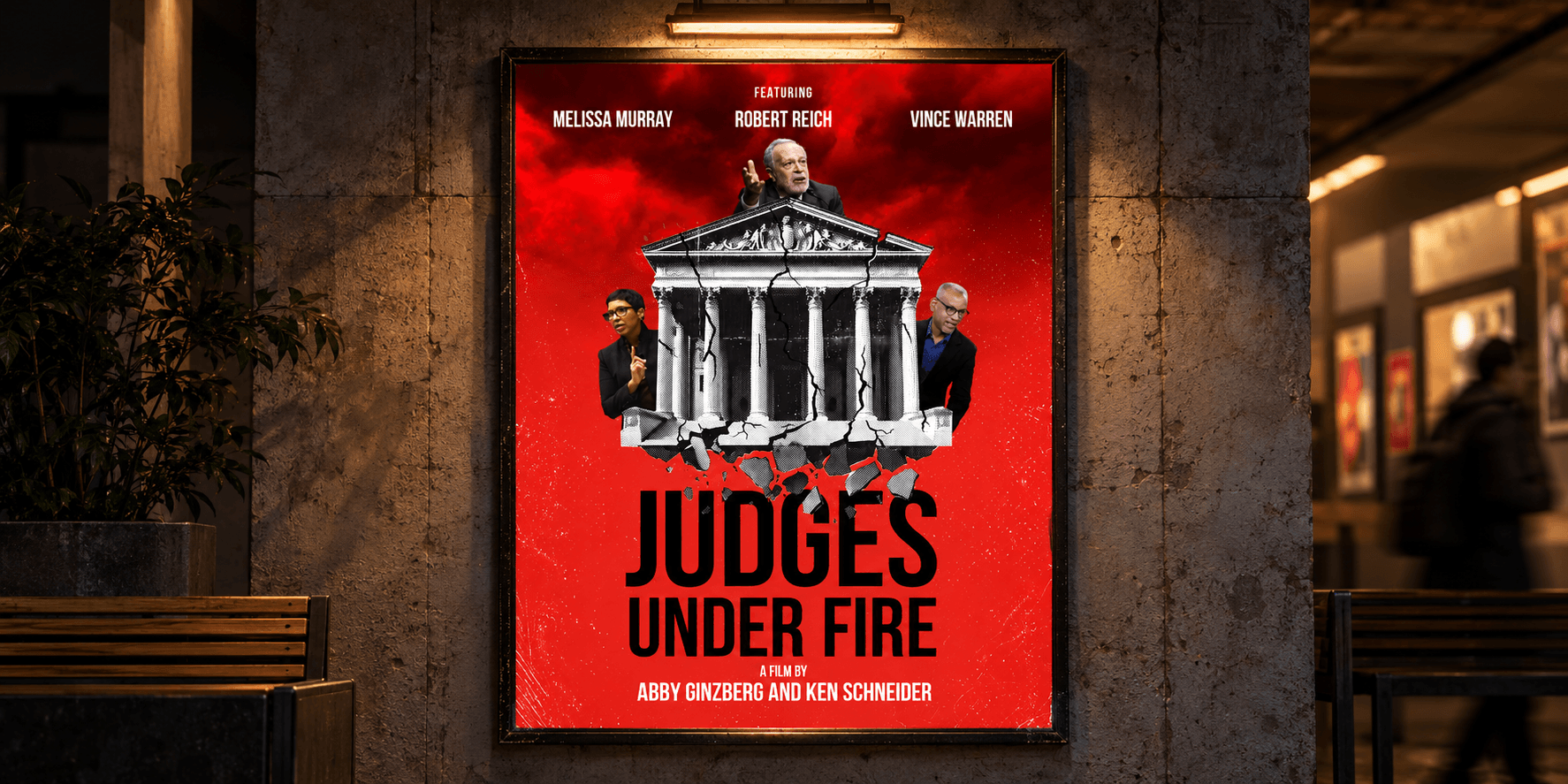
Behind every federal court decision are individuals whose professional responsibilities require careful consideration, legal knowledge and a commitment to the judicial process. For documentary filmmakers Abby Ginzberg and Ken Schneider, these individuals and their experiences form the foundation of Judges Under Fire, a documentary offering audiences a closer look at the people who serve within the American federal judiciary.
Through interviews with judges, legal scholars and individuals familiar with the judicial system, the documentary introduces viewers to the professional experiences, responsibilities and personal perspectives of those involved in the administration of justice.
The film also serves as the centerpiece of a Fall 2026 Digital Impact Campaign designed to make selected documentary moments accessible to wider audiences. Through short-form videos, social media platforms and community networks, the filmmakers aim to encourage interest in the judicial system and provide educational opportunities for viewers seeking to understand how federal courts operate.
Judges Under Fire Explores The People Behind The Federal Judiciary
Federal judges play an important role in the American legal system, interpreting laws, reviewing legal arguments and making decisions based on constitutional principles. Yet the individuals behind these decisions often remain unfamiliar to the public.
Judges Under Fire uses personal interviews and documentary storytelling to explore judges' professional responsibilities, experiences and the challenges of balancing public service with personal life.
The documentary features federal Judge John Coughenour; Robert Reich, former U.S. Secretary of Labor; Melissa Murray, a professor at New York University School of Law; Vince Warren, executive director of the Center for Constitutional Rights; and retired federal judges David Tatel and Shira Scheindlin.
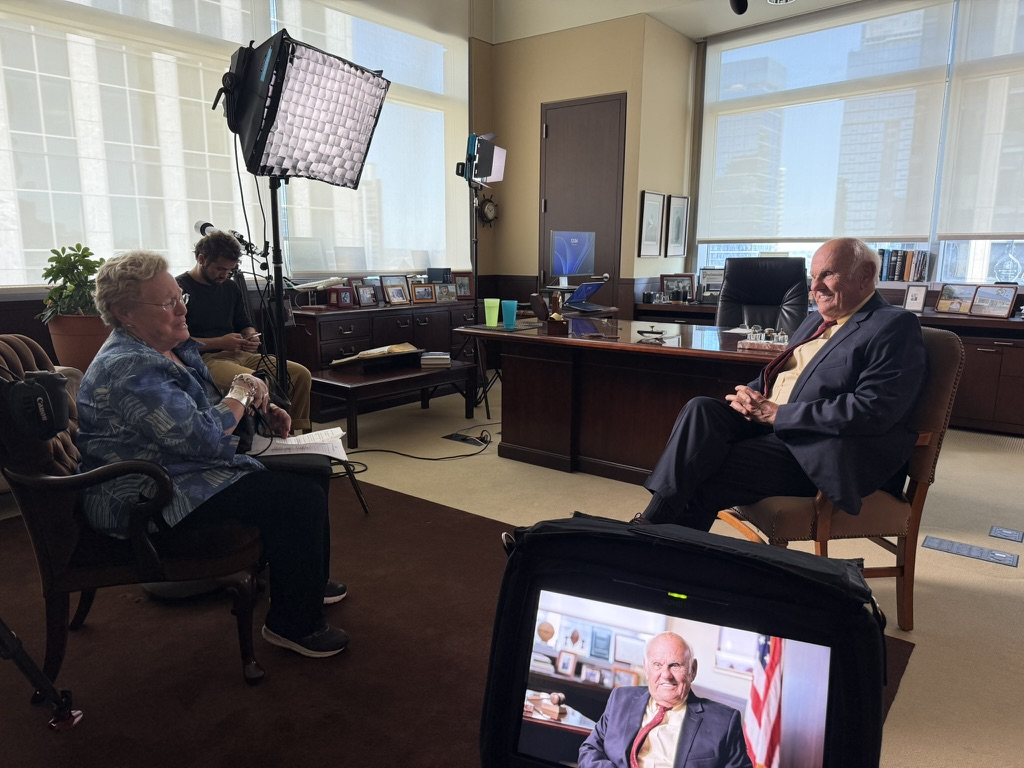
Through their perspectives, the film offers an accessible look at the federal judiciary, helping audiences better understand the people, responsibilities and experiences behind the American judicial system.
A Documentary Rooted In Human-Centered Storytelling
For Ginzberg and Schneider, Judges Under Fire continues a longstanding interest in documentary filmmaking that connects individual experiences with broader historical, social and institutional subjects.
Throughout their careers, both filmmakers have explored stories involving public institutions, personal experiences and significant moments in American history.
Their filmmaking approach emphasizes the people at the center of these stories, allowing audiences to understand complex subjects through firsthand accounts and individual perspectives.
This approach shapes Judges Under Fire, where interviews and personal narratives provide a foundation for examining the professional lives of federal judges.
Rather than presenting the judicial system exclusively through legal terminology or court procedures, the documentary introduces viewers to the individuals who participate in its daily operations.
The filmmakers also explore how personal experiences, professional backgrounds and institutional responsibilities contribute to the work of the federal judiciary.
The result is a documentary intended to provide audiences with an informative and human-centered introduction to an institution that plays a significant role in American public life.
Judges Under Fire Expands Its Audience Through A Fall 2026 Digital Impact Campaign
To complement the documentary, the filmmakers have developed a Fall 2026 Digital Impact Campaign focused on expanding access to selected film content and introducing its themes to new audiences.
The initiative uses digital storytelling to present documentary excerpts in formats suited to online viewing and sharing.
Platforms identified for the campaign include YouTube Shorts, Instagram, Facebook, digital publications, newsletters, educational networks and community media.
By adapting selected documentary moments into shorter videos, the campaign provides audiences with opportunities to discover the film and become familiar with its featured participants.
The initiative is organized around three objectives: discovery, engagement and amplification.
Discovery focuses on introducing the documentary to audiences who may be unfamiliar with the film or its subject matter.
Engagement encourages viewers to explore additional documentary content and learn more about the professional experiences presented in the film.
Amplification creates opportunities for educational groups, professional networks and community organizations to share relevant documentary material with their audiences.
Together, these objectives support the filmmakers' broader goal of making documentary storytelling available through a variety of digital channels.
The Social Action Media YouTube channel serves as a central platform for the initiative, providing a space for short-form documentary content and campaign updates.
Five Documentary Shorts Offer Accessible Introductions To The Film
A central component of the digital campaign is a collection of five featured YouTube Shorts developed to introduce audiences to selected moments from Judges Under Fire.
Each short is designed to present a documentary excerpt in a concise format that can be viewed independently.
The videos provide an alternative way for audiences to encounter the documentary's interviews, personal accounts and educational themes without first watching the complete film.
Video One | Video Two | Video Three | Video Four | Video Five
Short-form documentary content also creates opportunities for educators, legal professionals, journalists, documentary enthusiasts and community organizations to introduce relevant material into educational discussions and professional networks.
For example, a brief interview excerpt may serve as a starting point for a classroom conversation about the responsibilities of federal judges. A documentary moment shared through a community newsletter may introduce readers to the experiences of individuals working within the judicial system.
The campaign reflects the filmmakers' interest in using digital media to complement traditional documentary distribution and connect with audiences across different platforms.
Through these shorter formats, Judges Under Fire extends its storytelling beyond conventional screenings while maintaining an emphasis on the people and experiences featured in the documentary.
Abby Ginzberg: A Career Exploring History, Institutions And Personal Experience
Documentary filmmaker Abby Ginzberg has spent more than three decades exploring historical events, public institutions and personal experiences through archival material, interviews and human-centered storytelling.
Her notable works include Barbara Lee: Speaking Truth to Power, She Dared to Dream: Ayanna Pressley and Judging Juries, which examine public service, personal journeys and experiences within the judicial system.
Her additional credits include Soft Vengeance: Albie Sachs and the New South Africa, And Then They Came for Us, Waging Change and Agents of Change.
With Judges Under Fire, Ginzberg continues connecting personal stories with broader institutional themes, offering audiences insight into the professional responsibilities and experiences of federal judges.
Ken Schneider: Combining Documentary Craft With Historical Perspective
Filmmaker Ken Schneider brings extensive experience in documentary directing, producing and editing to Judges Under Fire, with a career focused on historical events, personal experiences and human-centered storytelling.
Schneider coproduced Soft Vengeance: Albie Sachs and the New South Africa and collaborated with Abby Ginzberg as codirector of And Then They Came for Us, which examines the incarceration of Japanese Americans during World War II.
His other projects include Los Hermanos/The Brothers, exploring the lives of two Cuban musician brothers, and Regret to Inform, a documentary about women who lost their husbands during the Vietnam War.
Through his work across public television and other media platforms, Schneider has developed a storytelling approach that combines historical context with personal narratives. In Judges Under Fire, he applies this experience to exploring the professional responsibilities and personal lives of federal judges.
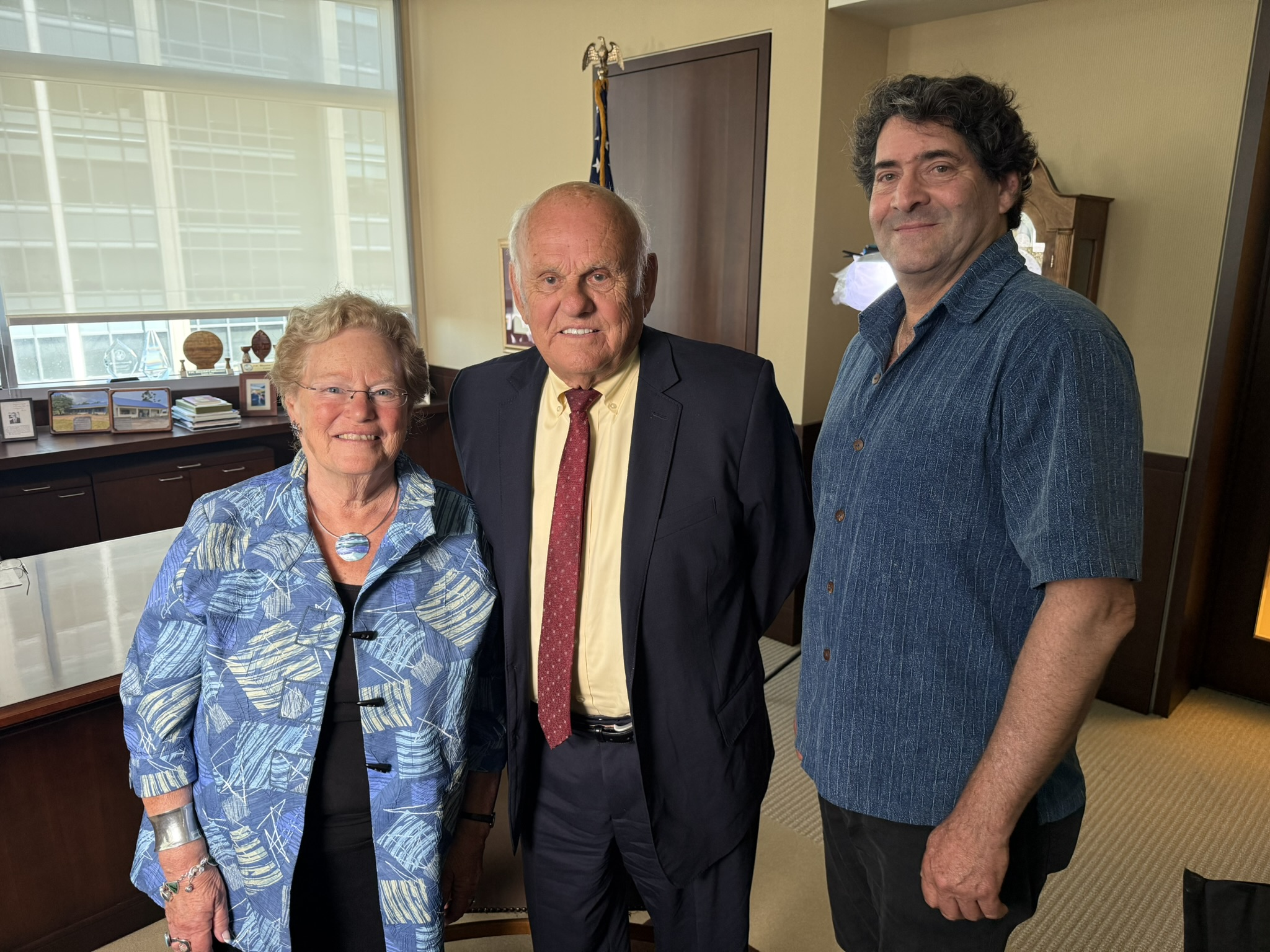
Documentary Storytelling Creates Opportunities For Educational Engagement
Judges Under Fire introduces audiences to the federal judiciary through personal stories and interviews with judges and legal professionals, making complex subjects more accessible and engaging.
The film's digital campaign extends this educational approach through short-form videos that educators, professional organizations and community groups can use for discussions and outreach.
By combining traditional documentary storytelling with digital platforms, Ginzberg and Schneider create opportunities for wider audiences to explore judicial responsibilities and the personal experiences of those working within the legal system.
Explore Judges Under Fire And The Stories Behind The Courts
Judges Under Fire brings together the documentary experience of Abby Ginzberg and Ken Schneider in a film focused on the individuals, responsibilities and professional experiences associated with the American federal judiciary.
Through interviews, personal accounts and contextual storytelling, the documentary offers an opportunity to learn more about the people who work within and study the judicial system.
The Fall 2026 Digital Impact Campaign extends that approach through short-form videos and educational outreach, making selected documentary content accessible across multiple digital platforms.
Audiences interested in the film can explore the official Judges Under Fire website for information about the documentary, its filmmakers and related educational resources.
By combining human-centered documentary storytelling with digital engagement, Judges Under Fire introduces viewers to the personal experiences and professional responsibilities of individuals whose work forms an important part of the American legal system.
Disclaimer:
This article is for informational purposes only and does not constitute legal advice or political endorsement. Readers should consult qualified professionals regarding legal or judicial matters. The author and publisher are not responsible for any outcomes resulting from reliance on this information.