
Major Breakthrough in U.S. Battery Technology Promises Longer-Lasting Electric Vehicles
U.S. researchers have unveiled a next-generation battery with significantly improved energy density and faster charging capabilities, potentially revolutionizing the electric vehicle (EV) market. The breakthrough could extend battery lifespans, reduce charging times, and accelerate the global shift toward sustainable transportation.
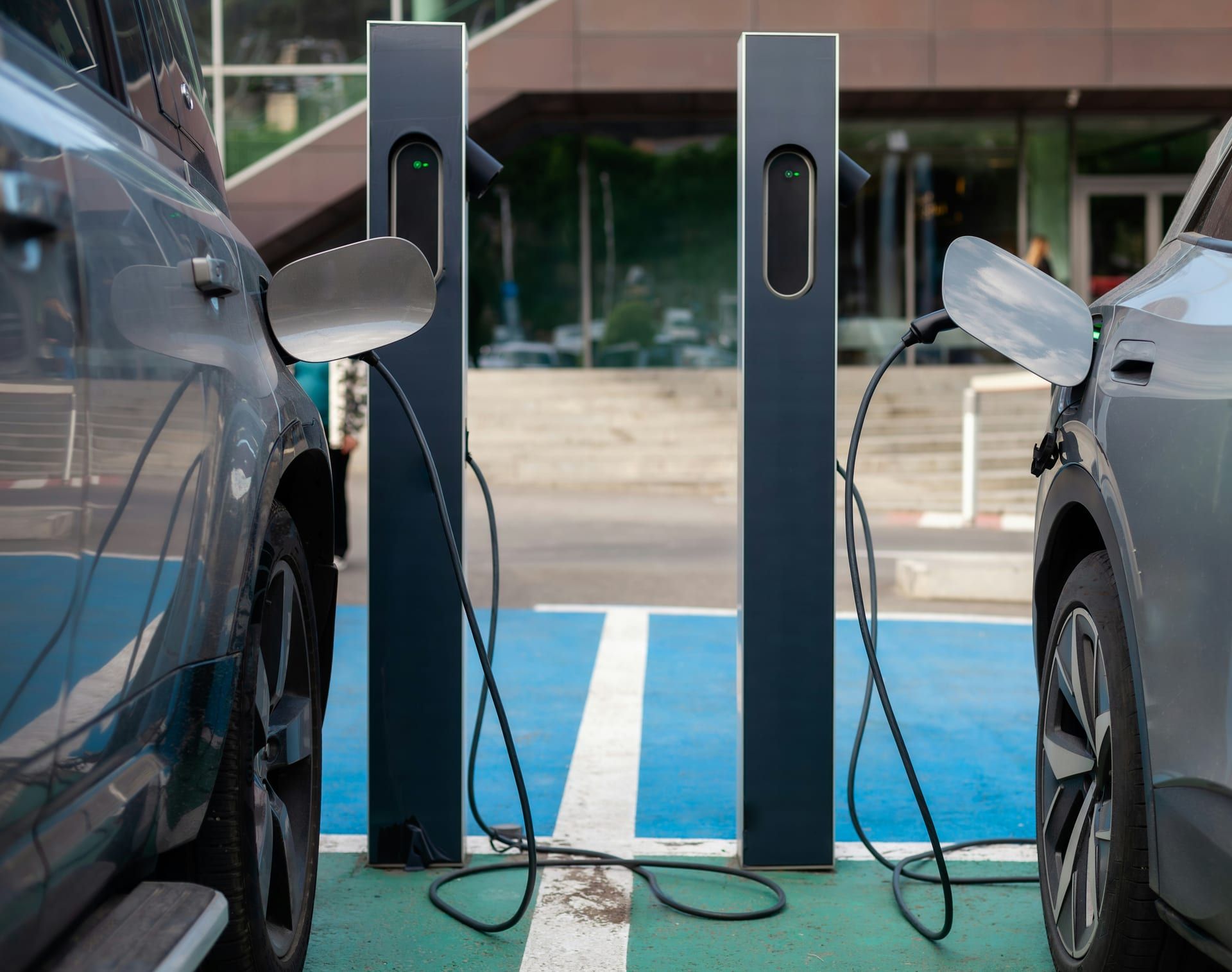
A team of U.S. scientists has announced a major breakthrough in battery technology that could reshape the electric vehicle (EV) industry. The new battery, which boasts higher energy density, longer lifespan, and dramatically faster charging times, is being hailed as a game-changer for the future of sustainable transportation.
Developed through a collaboration between leading American universities and private research institutions, the battery utilizes a novel solid-state electrolyte, replacing the conventional liquid electrolyte used in most lithium-ion batteries. This innovation eliminates common issues such as overheating and degradation, allowing for greater energy storage capacity while maintaining safety and efficiency.
One of the most significant advantages of the new battery technology is its extended lifespan. Current lithium-ion batteries degrade over time, leading to reduced performance and the need for costly replacements. The solid-state design significantly slows this degradation process, allowing EVs to retain their full driving range for much longer. Researchers estimate that vehicles equipped with these batteries could maintain peak performance for more than 15 years, far surpassing current industry standards.
Another key improvement is charging speed. While conventional EV batteries require 30 minutes or more to reach an 80% charge, the new battery can achieve the same level in under 10 minutes. This advancement could eliminate one of the primary concerns for consumers considering EV adoption—the inconvenience of long charging times.
The breakthrough has generated excitement among automakers and policymakers alike. With the Biden administration pushing for widespread EV adoption as part of its clean energy agenda, advancements in battery technology are seen as crucial to meeting national sustainability goals. Several U.S.-based automakers have already expressed interest in incorporating the new batteries into their upcoming vehicle models.
Despite the enthusiasm surrounding this innovation, challenges remain. Scaling up production to meet commercial demand will require significant investment in manufacturing infrastructure. Additionally, researchers must ensure that the new battery technology remains cost-effective to make EVs accessible to a broader consumer base.
If successfully implemented, this battery breakthrough could propel the EV market forward, reducing reliance on fossil fuels and accelerating the transition to cleaner transportation. With U.S. scientists leading the charge in battery innovation, the future of electric mobility is looking brighter than ever.