Market Jitters, Election Momentum, and Cultural Spotlight Shape a Pivotal Day in the U.S.
The United States entered May with a convergence of economic uncertainty, political momentum, and high-profile cultural events. Financial markets reacted to global tensions, while early election activity and new economic data continued to shape the national outlook. At the same time, international developments and major cultural moments kept public attention divided across multiple fronts.

Markets Waver as Oil Prices Rise Amid Middle East Tensions
U.S. financial markets traded cautiously Monday, hovering near record highs as rising oil prices and geopolitical tensions weighed on investor sentiment. Concerns centered on the Strait of Hormuz, a critical global oil route, where instability has fueled fears of supply disruptions.
The surge in crude prices has renewed worries about inflation, particularly as energy costs ripple through the broader economy. While markets remain resilient overall, analysts say investors are increasingly sensitive to global developments that could quickly shift economic conditions.
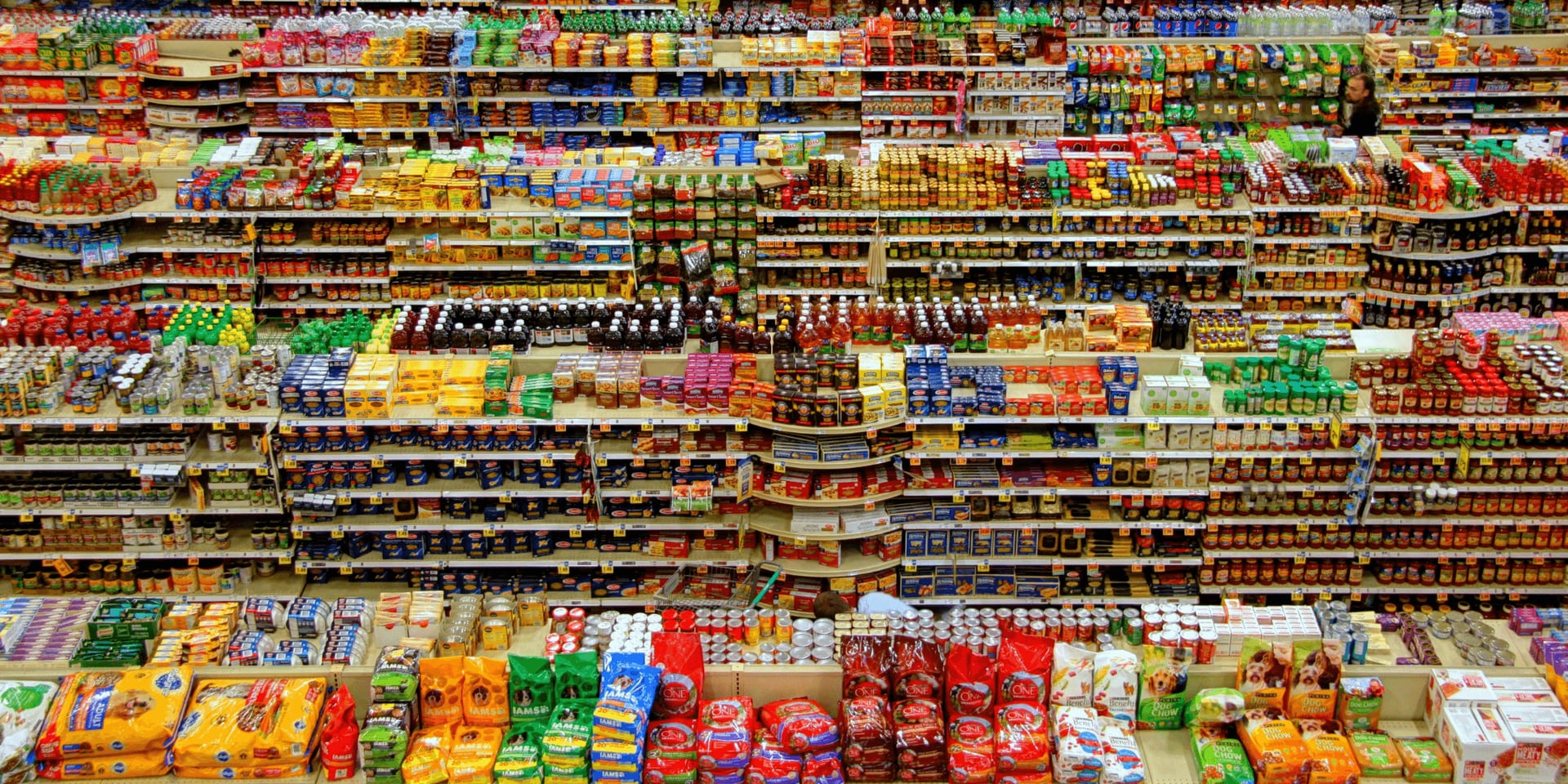
Photo Credit: Peter Bond/Unsplash
Economic Growth Continues Amid Lingering Inflation Concerns
New data released from the first quarter of 2026 indicates that the U.S. economy grew at a modest pace, with gains driven by government spending and investment in technology sectors. While the growth suggests resilience following a slower end to 2025, economists caution that the recovery remains uneven.
Inflation continues to pose challenges for households, and consumer spending has shown signs of slowing. Policymakers are closely monitoring these trends as they weigh future decisions on interest rates and fiscal policy, with concerns that external pressures could still disrupt progress.
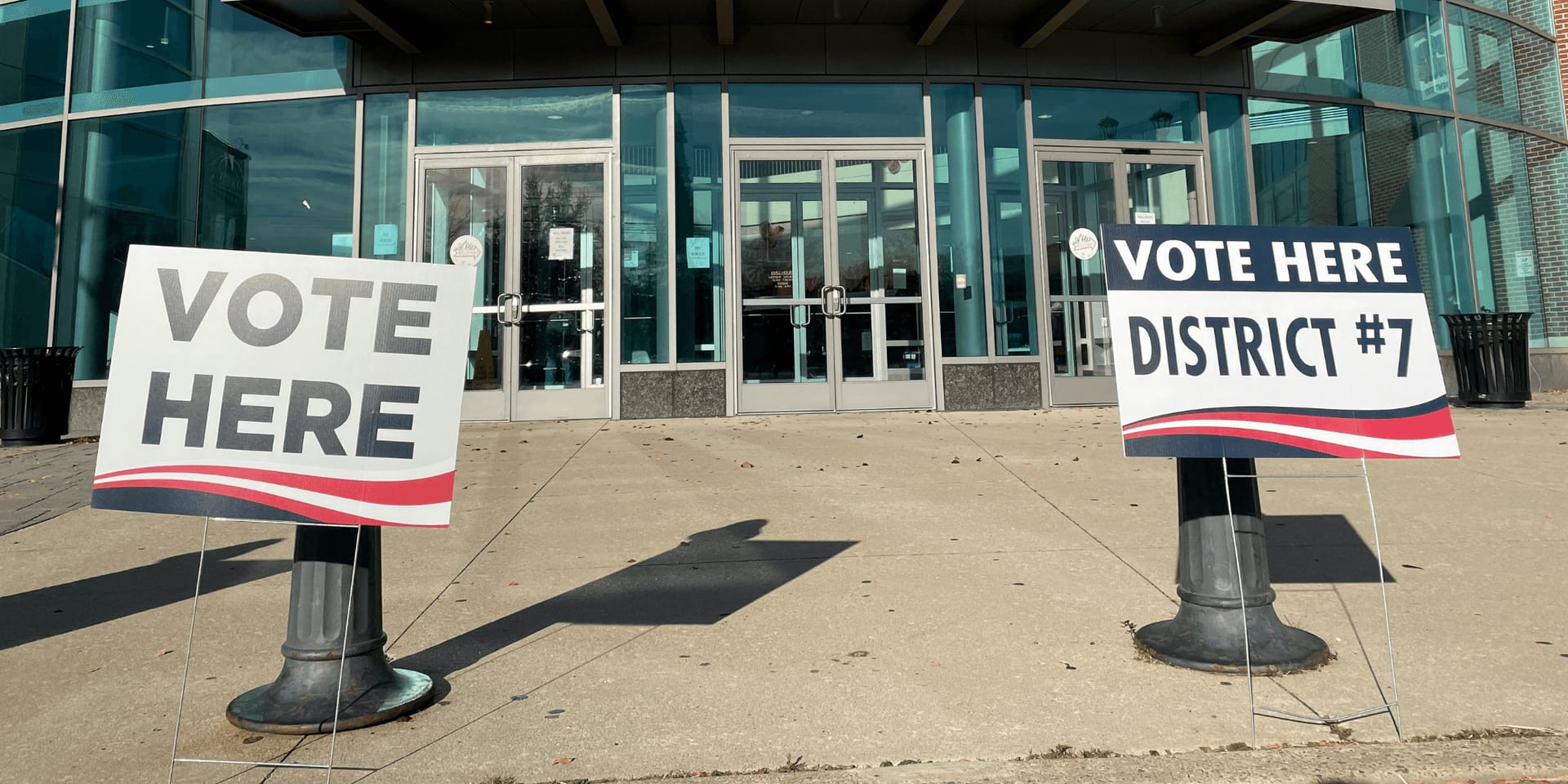
Photo Credit: Ernie Journeys/Unsplash
Primary Elections Begin to Shape the Midterm Landscape
The 2026 election season is gaining momentum, with several key state primaries scheduled throughout May. Early contests in states such as Indiana, Ohio, and Pennsylvania are expected to offer insight into voter priorities and party dynamics ahead of the midterm elections.
Candidates across both major parties are emphasizing economic issues, public safety, and federal authority, while also responding to grassroots activism seen nationwide. Voter turnout in these early primaries will be closely watched as a signal of broader engagement heading into November.

U.S. Central Command (CENTCOM) forces began setting conditions for clearing mines in the Strait of Hormuz, April 11, as two U.S. Navy guided-missile destroyers conducted operations.
Photo Credit: NAVCENT Public Affairs/Wikimedia
Ongoing Iran Tensions Continue to Influence U.S. Policy
Geopolitical tensions involving Iran remain an undercurrent in U.S. foreign policy discussions. Military positioning in the Middle East and concerns over key shipping routes have contributed to uncertainty in global energy markets, with potential ripple effects on domestic fuel prices and inflation.
The administration continues to balance diplomatic efforts with strategic deterrence, while lawmakers debate the appropriate level of U.S. involvement. The situation remains fluid and could have broader implications for both national security and economic stability.

Singer Katy Perry at the 2017 Met Gala.
Photo Credit: Danilo/Wikimedia
Met Gala Captures National Attention as Cultural Event of the Year
In New York City, the annual Met Gala is set to draw global attention as one of the country’s most prominent cultural events. Known for its high-profile guest list and elaborate fashion, the gala also reflects broader conversations around art, identity, and social themes.
This year’s event is expected to generate significant online engagement through livestreaming and social media, highlighting the growing intersection of culture and digital media. As in past years, the gala serves not only as entertainment but also as a reflection of contemporary cultural trends.
Looking Ahead
In the days ahead, attention will remain on financial market reactions to global tensions and whether rising energy costs begin to significantly impact inflation. Primary elections will continue to shape the political landscape, while additional economic data may clarify the strength of the recovery. International developments—particularly in the Middle East—remain a key variable influencing both economic and policy decisions.