
Midterm Elections Enter Final Stretch as Ballot Disputes Intensify, Health Insurance Costs Rise and Iran Tensions Persist
The United States entered the final days before Tuesday’s midterm elections with control of Congress uncertain, more than 52 million ballots already cast and President Donald Trump campaigning to protect Republican majorities. Federal investigations and court disputes over election procedures added tension to the closing campaign, while Americans enrolling in health insurance for 2027 faced higher premiums and reduced financial assistance. Meanwhile, new findings highlighted damage to U.S. military installations from Iranian attacks, and financial markets prepared for a consequential week of corporate earnings, employment figures and election results.
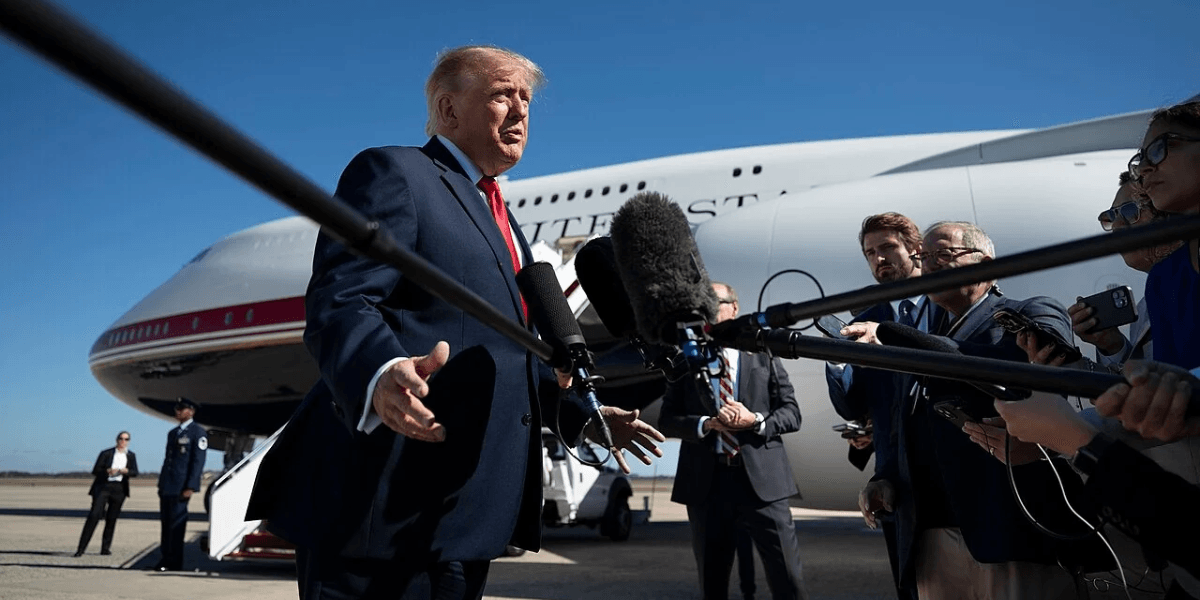
Trump Campaigns in Iowa and Kansas as Congressional Control Hangs in the Balance
President Donald Trump headed into the final weekend before the November 3 midterm elections with campaign appearances scheduled in Iowa and Kansas, two traditionally Republican states where unexpectedly competitive contests have complicated the party's efforts to maintain control of Congress. The president's visits underscore the importance of voter turnout in races that could determine the balance of power in Washington for the remaining two years of his second term.
In Iowa, Republicans are defending a closely watched Senate seat, the governor's office and a House district that has become increasingly competitive. Kansas has also emerged as an important Senate battleground, with Democrat Adam Hamilton attempting to become the first member of his party to win a U.S. Senate election in the state in 94 years. Republican leaders have expressed confidence in retaining their Senate majority, although several competitive races could determine the outcome.
More than 52 million Americans had already voted by Sunday, reflecting substantial early participation. The turnout comes amid concerns about household expenses, inflation, trade policy and the economic consequences of the continuing conflict involving Iran. Democrats have emphasized affordability and government accountability, while Republicans have defended the administration's economic and national security record and highlighted differences over immigration and social policy.
The election also presents a significant test of Trump's influence within the Republican Party. His political organizations have spent heavily supporting Republican candidates, and he held more than two dozen rallies during October. Some Republicans, however, have raised concerns that tariffs and rising costs could weaken support in agricultural and manufacturing communities. Nebraska Republican Rep. Don Bacon warned that tariffs remain unpopular among many Midwestern voters.
Democrats face challenges of their own. In Michigan, Senate nominee Abdul El-Sayed has been involved in a public dispute with former primary opponent Rep. Haley Stevens, raising concerns about party unity in a competitive race. With the campaign entering its final hours, both parties are concentrating resources on turnout operations and persuading remaining undecided voters. The results will determine not only congressional leadership but also the administration's ability to advance legislation, negotiate federal spending and respond to congressional investigations.
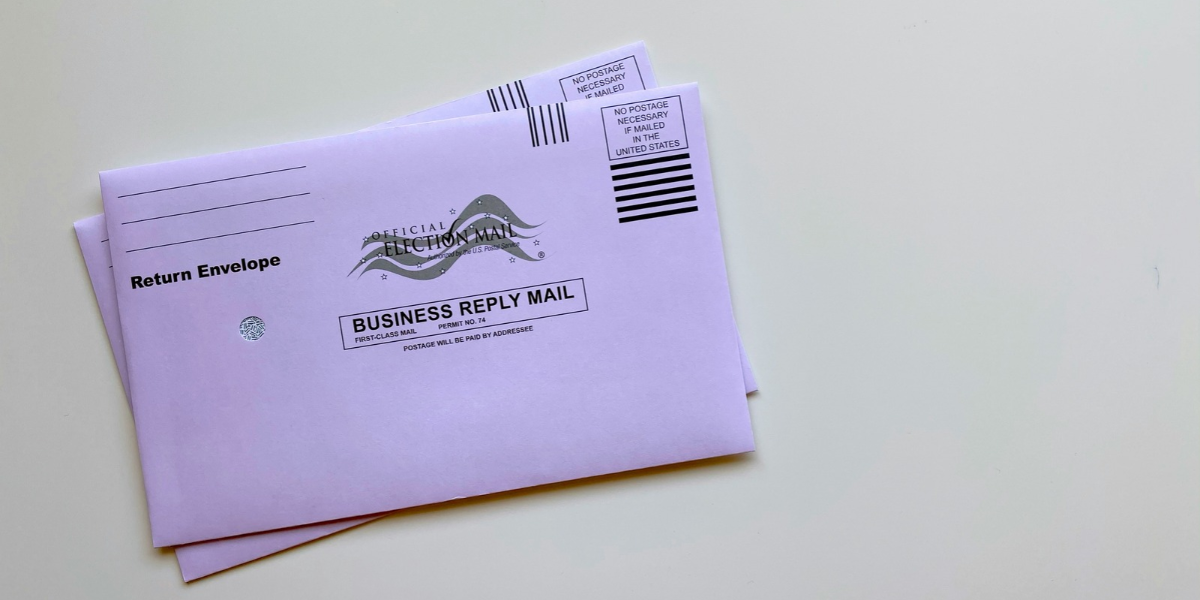
Election Disputes Escalate in Alaska and California Ahead of Tuesday's Vote
Legal disputes over ballot handling and election integrity intensified as federal authorities pursued investigations and court challenges in two states with important congressional contests.
In Alaska, federal investigators expanded an inquiry involving a Senate candidate whose name closely resembles that of Republican incumbent Sen. Dan Sullivan. Daniel J. Sullivan Jr., a retired schoolteacher, is also running in the election, prompting questions about whether his candidacy was intended to confuse voters. Federal authorities have examined allegations surrounding the candidate's recruitment and contacted donors as part of the investigation.
The Justice Department has also sought to separate certain ballots while the matter is examined. Democratic Senate challenger Mary Peltola has denied involvement in the alleged effort, and Alaska officials have moved to dismiss the federal government's lawsuit. The investigation has not established that the Democratic campaign engaged in wrongdoing.
The dispute is particularly consequential because Alaska uses ranked-choice voting, a system allowing voters to rank candidates by preference. The presence of candidates with similar names could affect how some voters mark their ballots, although the extent of any actual confusion remains unclear.
In California, a federal judge issued a temporary restraining order blocking the Trump administration from demanding that state and local election officials segregate certain mail-in ballots or withhold votes based on allegations involving noncitizens. The order also restricted federal threats of criminal prosecution against election officials who declined to comply with those demands.
The administration has indicated that it may pursue further legal action, potentially including an appeal to the Supreme Court. The California ruling is temporary and does not resolve every underlying legal question.
Together, the disputes highlight growing tensions between federal authorities and state election administrators over the conduct of elections. State and local officials generally administer voting under federal and state law, while federal agencies have authority to investigate certain election-related offenses. Courts may be called upon to determine the limits of those powers.
With Election Day approaching, the immediate questions are whether additional judicial rulings will alter ballot procedures and whether election administrators can complete voting and tabulation without significant disruption.

Affordable Care Act Enrollment Opens With Higher Premiums and Reduced Financial Assistance
Americans purchasing health insurance through Affordable Care Act marketplaces began the 2027 open enrollment period on November 1 facing higher premiums, fewer coverage choices and changes to eligibility requirements.
The enrollment period, which generally extends into January, comes as expanded federal financial assistance expires and insurers adjust prices to reflect rising healthcare costs. Average premiums are expected to increase by approximately 13%, although the financial effect on individual households will vary considerably depending on income, location, age and available plans.
The expiration of enhanced subsidies is particularly important for households that previously qualified for additional federal support. Some consumers could experience substantially larger increases in their monthly payments than the overall average premium change suggests. People who do not qualify for subsidies are also likely to face higher costs.
Changes to federal eligibility and verification rules could further affect enrollment. New restrictions on premium tax credits for certain immigrant populations and stricter documentation requirements may limit access to subsidized coverage for some applicants.
The Trump administration has also announced plans to remove approximately 760,000 marketplace enrollees as part of an initiative targeting suspected fraud and improper enrollment. Officials project that the changes could produce approximately $2.2 billion in savings. The actual effects on coverage and federal spending will depend on implementation and the outcomes of any challenges.
The developments arrive at a politically sensitive moment. Healthcare affordability has become a major issue in congressional campaigns, with Democrats emphasizing the consequences of reduced subsidies and Republicans focusing on program costs, eligibility enforcement and federal spending.
The stakes extend beyond monthly insurance bills. Higher premiums can influence whether households maintain coverage, select plans with larger deductibles or leave the individual insurance market entirely. A reduction in enrollment could also affect hospitals, healthcare providers and state insurance markets.
Consumers entering the enrollment process will need to evaluate their available plans and determine whether their eligibility for financial assistance has changed. Federal and state marketplace administrators will be responsible for communicating new requirements and processing applications as the enrollment period progresses.

New Findings Detail Damage to U.S. Military Bases as Iran Conflict Remains Unresolved
New reporting has provided a more detailed assessment of the damage sustained by American military facilities during attacks attributed to Iran and Iranian-backed armed groups across the Middle East.
An Associated Press investigation using satellite imagery and information from regional officials identified damage to structures at 26 military bases and other locations containing U.S. equipment. The investigation examined more than 115 drone and missile strikes claimed by Iran or allied militias through August.
The findings indicate that attackers frequently targeted radar installations and early-warning systems before striking aircraft facilities, hangars and other military infrastructure. This sequence is significant because early-warning equipment plays an essential role in detecting incoming missiles and drones, giving military personnel time to activate defenses and take protective measures.
Damage to those systems can reduce a base's ability to identify and respond to subsequent attacks. The reported destruction also included aircraft-related facilities, warehouses and buildings used to support military operations.
The investigation estimated that equipment losses amounted to billions of dollars, underscoring the financial and operational consequences of the conflict. The assessment does not establish the full extent of U.S. military losses or provide a comprehensive accounting of personnel casualties.
The findings come as regional governments continue diplomatic efforts to prevent renewed large-scale escalation.
Iran's leadership has warned of an immediate response to any new attack by the United States or Israel. At the same time, Iranian officials have indicated that discussions with mediators could produce arrangements to reopen the Strait of Hormuz, a critical shipping passage connecting the Persian Gulf with international energy markets.
Iran's foreign minister said mediators had developed a proposal that could allow the waterway to reopen within days. Discussions were continuing in Qatar, although no final agreement had been confirmed.
The strait is one of the world's most important energy transportation routes. Disruptions can affect oil shipments, shipping insurance, freight costs and fuel prices far beyond the Middle East.
For Washington, the immediate priorities include protecting deployed personnel, restoring damaged military capabilities and evaluating diplomatic options. For international markets, the central question is whether negotiations can produce a durable arrangement that reduces the risk of further attacks and restores reliable commercial shipping.
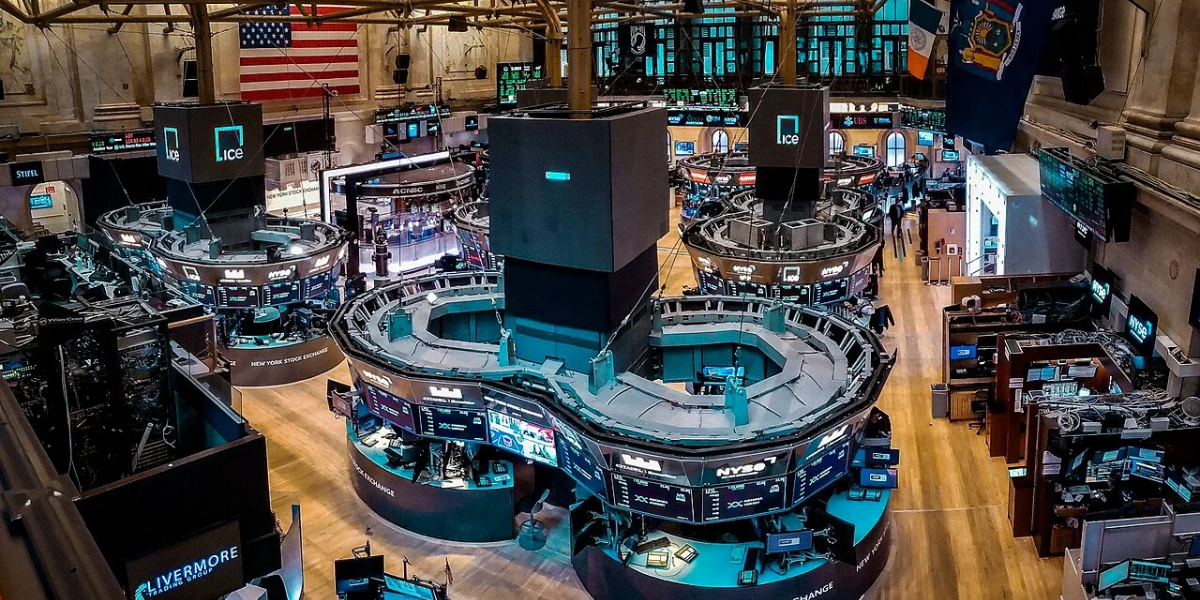
Wall Street Braces for Election Results, Technology Earnings and a Critical Jobs Report
U.S. financial markets entered November under pressure following a sharp decline in major technology shares, with investors preparing for a week that combines congressional elections, corporate earnings and new employment data.
The S&P 500 fell approximately 1.8% on Friday, October 30, while the technology-heavy Nasdaq Composite declined about 2.9%. Weakness in companies associated with artificial intelligence contributed to the sell-off, raising questions about whether valuations and investment expectations had moved ahead of near-term financial returns.
Intel shares plunged nearly 29% following its earnings report, while results from Alphabet and Amazon added to investor concerns about the enormous cost of expanding AI infrastructure.
Major technology companies have committed substantial resources to data centers, advanced computing equipment and electricity-intensive AI systems. Although investors continue to see opportunities in artificial intelligence, recent earnings have intensified scrutiny of how quickly those investments can generate revenue and profits.
The concerns are not limited to technology companies. Expanding data-center operations have increased demand for electricity, construction materials and specialized equipment, creating opportunities for utilities and industrial suppliers while raising questions about energy costs and infrastructure capacity.
The coming week will provide several tests of investor confidence. Apple is scheduled to report quarterly results Monday, with AMD, Qualcomm, Palantir and other major companies also expected to release financial updates. Investors will examine whether corporate earnings can support valuations after recent market volatility.
The U.S. employment report for October, scheduled for Friday, November 6, will offer another important measure of economic conditions.
Recent economic data showed that U.S. gross domestic product expanded during the third quarter at its fastest pace in a year, supported by consumer spending and business investment. However, employment growth has remained a concern, creating a complicated picture for policymakers.
The Federal Reserve recently held interest rates steady while upgrading its assessment of economic activity. A weaker labor market could increase pressure for future rate reductions, while persistent inflation could encourage policymakers to maintain a cautious approach.
Tuesday's congressional elections add another layer of uncertainty. A change in control of either chamber could affect expectations for federal spending, financial regulation, healthcare policy, trade measures and oversight of artificial intelligence.
Despite the recent technology sell-off, other market sectors have demonstrated resilience. Energy, financial services, utilities and healthcare stocks performed relatively well during October, suggesting that investor interest has broadened beyond the largest technology companies.
The next several trading sessions will help establish whether the recent decline represents a temporary adjustment in technology valuations or the beginning of a more sustained shift in investor expectations.
Looking Ahead
The November 3 midterm elections will dominate the immediate U.S. news agenda, with control of the House and Senate, several governorships and important state-level contests at stake. Election administrators will begin reporting results Tuesday evening, although close races, mail-in ballot processing and legal challenges could delay final outcomes in some states.
Financial markets will also be closely watched as Apple and other major corporations report earnings and the October employment report arrives Friday. Beyond domestic politics, developments in negotiations involving Iran and the Strait of Hormuz could influence energy markets and regional security. Meanwhile, the opening weeks of Affordable Care Act enrollment will provide an early indication of how higher premiums and changing subsidy rules are affecting Americans seeking health insurance for 2027.