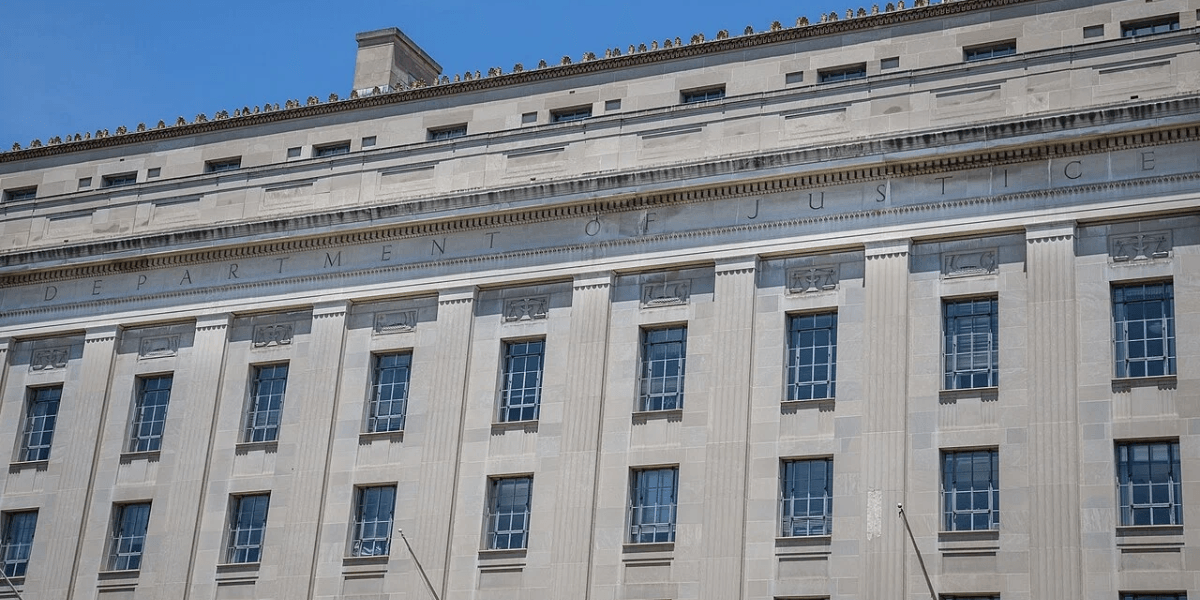
Markets, Maps, and Global Tensions Shape America’s Day
The United States moved through another politically and economically consequential day as Washington confronted battles over monetary policy, electoral power, and foreign affairs. Financial markets reacted to leadership changes at the Federal Reserve, while state and federal political fights over redistricting continued to intensify ahead of the 2026 midterm elections. At the same time, renewed U.S.-China tensions underscored the increasingly volatile international backdrop shaping American policy decisions.

Senate Confirms Kevin Warsh as Federal Reserve Chair
The Senate confirmed former Federal Reserve governor Kevin Warsh as the next chair of the Federal Reserve in one of the most contentious confirmations in the institution’s modern history. Warsh was approved largely along party lines and will replace Jerome Powell at a moment when inflation pressures remain elevated and financial markets are searching for clarity on future interest rate policy.
Warsh’s confirmation immediately became a flashpoint in the broader debate over the independence of the central bank. Democrats warned that President Donald Trump could exert greater influence over monetary policy through a chair seen as politically aligned with the White House, while Republicans argued Warsh would bring stronger inflation discipline and greater transparency to the Fed.
Wall Street reacted positively in the short term, with technology-heavy indexes continuing recent gains as investors anticipated a potentially more market-friendly Fed leadership structure. However, economists cautioned that inflation data remains stubbornly high, particularly due to rising fuel and transportation costs tied to instability in the Middle East.
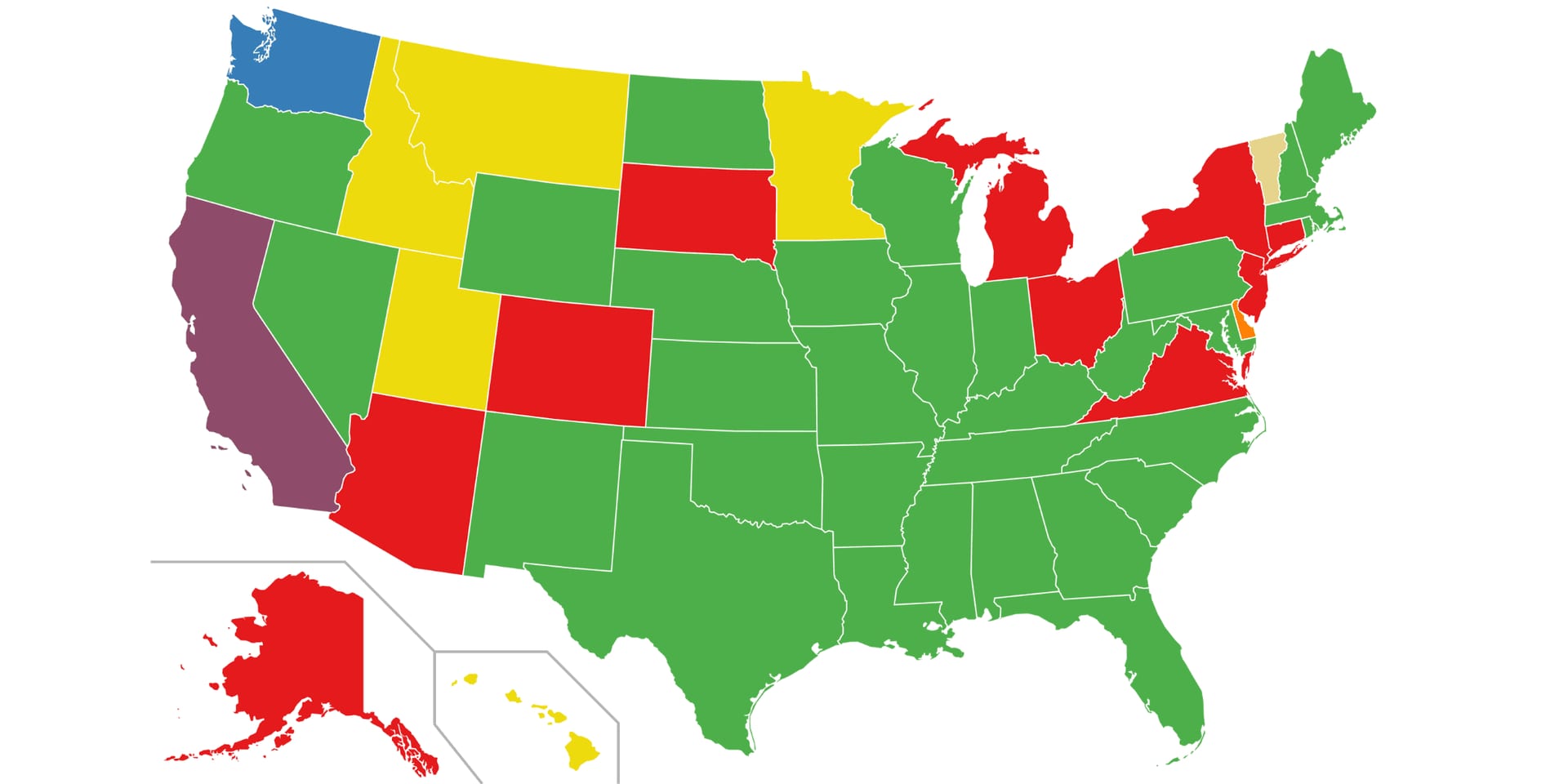
The legality of mid-decade congressional redistricting in the United States. The map is based on information on mid-decade redistricting from All About Redistricting: https://redistricting.lls.edu/national-overview/?colorby=Institution&level=Congress&cycle=2020
Photo Credit: OutlawRun/Wikimedia
Redistricting Battles Intensify Ahead of Midterms
Political warfare over congressional maps continued to escalate across the country as both parties prepared for a bruising midterm cycle. In Mississippi, Governor Tate Reeves announced that Republicans would delay efforts to redraw congressional and judicial districts until after the upcoming election cycle, avoiding legal and political complications tied to recent Supreme Court rulings on voting rights.
The broader national conflict over gerrymandering has become one of the defining political struggles of 2026. Republican-led states have increasingly pursued aggressive redistricting strategies after court decisions weakened protections against racial and partisan map manipulation. Democratic officials, meanwhile, have begun signaling a willingness to adopt similarly aggressive tactics in states they control.
Legal uncertainty remains widespread. Courts in several states, including Virginia, continue to hear challenges surrounding newly proposed or recently invalidated congressional maps. The disputes are expected to shape control of the House of Representatives and could influence political power for the remainder of the decade.
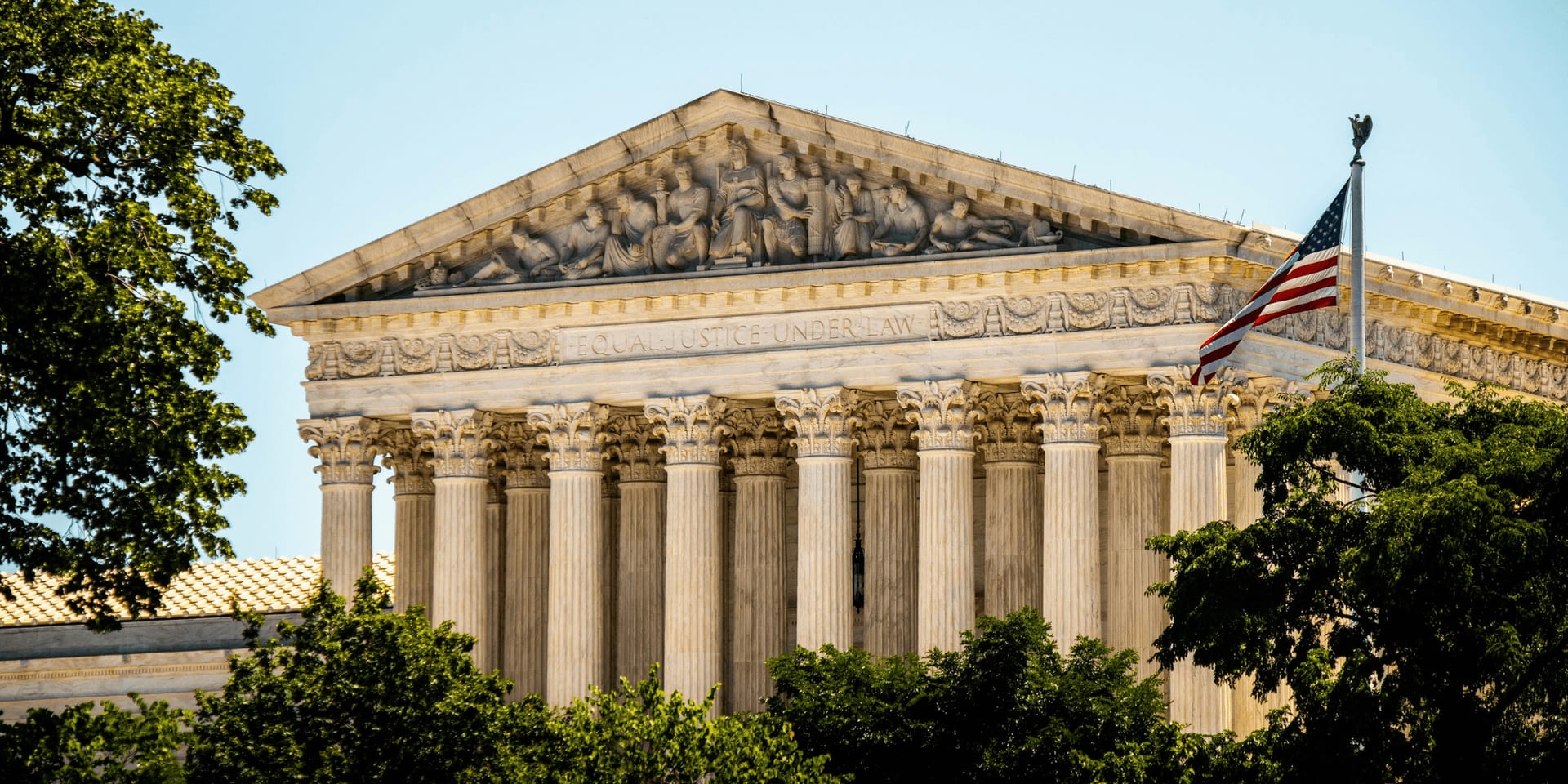
Supreme Court of the United States, First Street Northeast, Washington, DC, USA
Photo Credit: Jimmy Woo/Unsplash
Supreme Court Faces Growing Pressure During High-Stakes Term
The Supreme Court entered another pivotal day in a term already defined by disputes over executive authority, election law, and federal regulatory power. The Court convened Thursday for a public session as observers continued watching for major opinions expected later this spring.
Attention has increasingly centered on cases involving presidential authority over independent federal agencies, including ongoing litigation tied to the Federal Reserve. Earlier arguments involving Fed Governor Lisa Cook raised broader constitutional questions about the limits of executive power and whether presidents can remove officials from independent institutions without clear cause.
The Court’s recent rulings on voting maps and race-conscious districting have also reshaped the political landscape, accelerating redistricting efforts nationwide and intensifying criticism from civil rights groups. Analysts increasingly describe the current Supreme Court term as one of the most consequential in recent years because of its potential long-term effects on federal governance and democratic institutions.
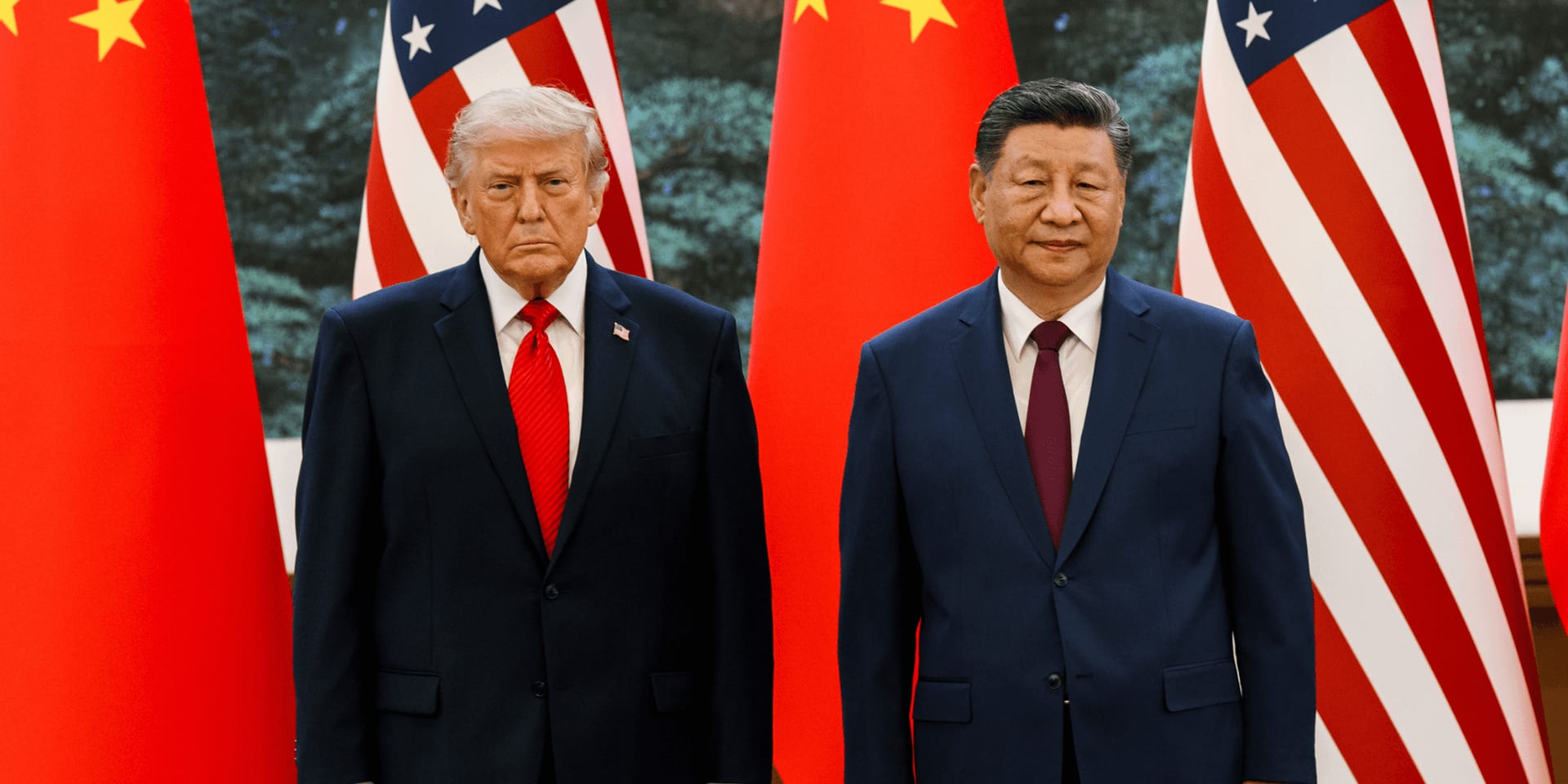
US President Donald Trump meets with PRC President and CCP General Secretary Xi Jinping in Beijing
Photo Credit: The White House/Wikimedia
U.S.-China Tensions Rise During Trump-Xi Meeting
Foreign policy concerns moved back to the forefront after Chinese President Xi Jinping warned of possible “clashes and even conflicts” with the United States during talks with President Trump in Beijing. Taiwan remained the central issue in the discussions, with Xi reaffirming China’s hard-line position on eventual reunification.
The meeting occurred amid rising geopolitical instability that has already affected American economic policy, including higher energy prices linked to the expanding Iran conflict. U.S. officials are increasingly balancing domestic economic concerns with mounting security challenges abroad, particularly in Asia and the Middle East.
Despite the sharp rhetoric, both sides reportedly discussed areas of potential coordination on global security matters, including Ukraine and tensions on the Korean Peninsula. Still, the absence of major agreements highlighted the growing strategic rivalry between the two countries and the increasingly difficult environment facing U.S. diplomats and business leaders alike.
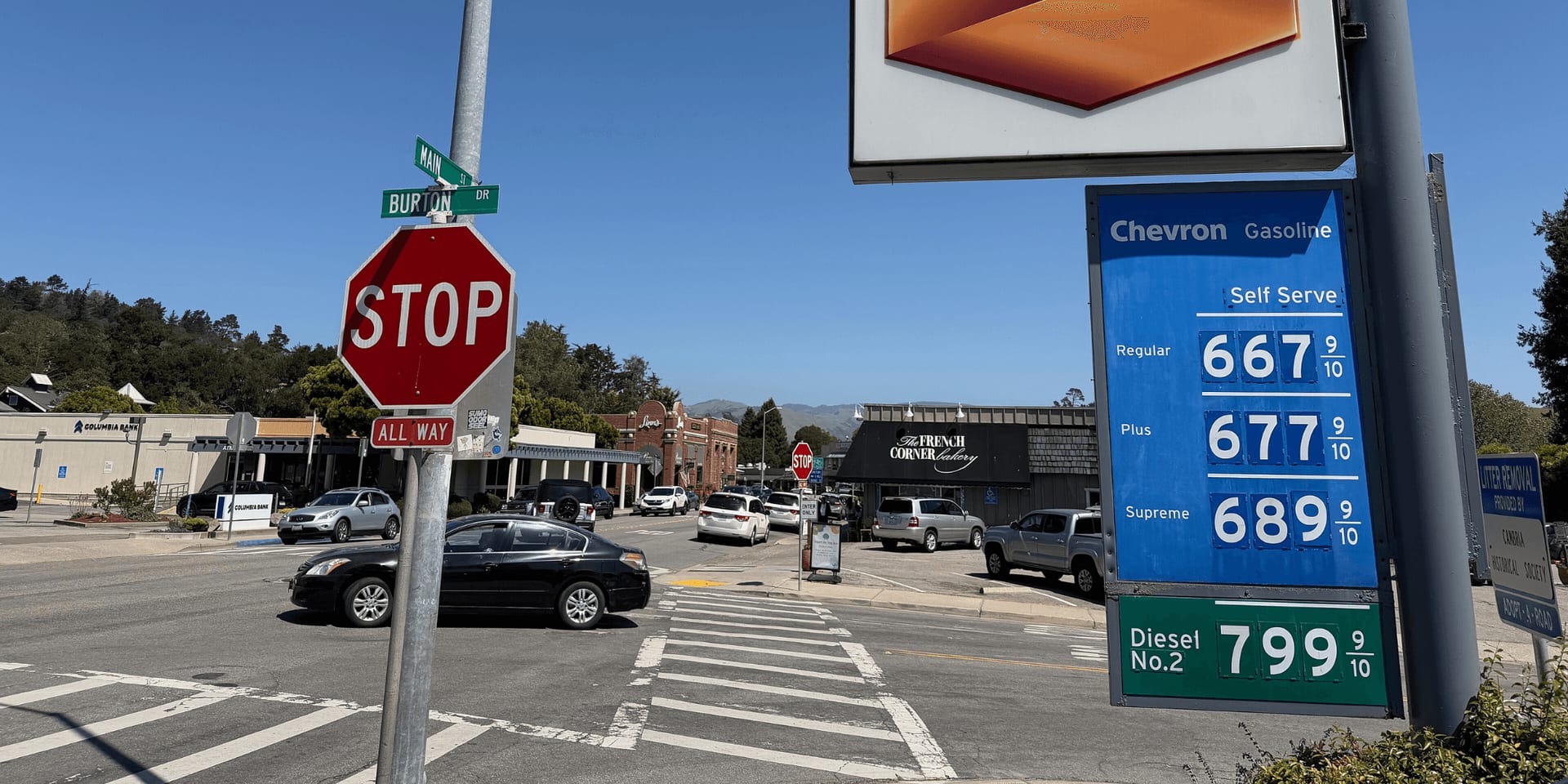
A Chevron gas station sign stands at a downtown intersection in April 2026 amid ongoing concerns over rising fuel costs across the region.
Photo Credit: daveynin/Wikimedia
Inflation and Economic Anxiety Continue to Shape Public Debate
Economic concerns remained central to the national conversation as new data continued to show persistent inflationary pressure across key sectors of the economy. Producer prices rose sharply in April, driven by higher fuel, transportation, and food costs, adding pressure on consumers already facing elevated living expenses.
Retail spending has so far remained relatively resilient, supported in part by tax refunds and continued consumer demand. But analysts warned that rising gasoline prices and broader geopolitical instability could place additional strain on middle- and lower-income households during the summer months.
The inflation outlook now intersects directly with the leadership transition at the Federal Reserve, making monetary policy one of the most closely watched issues in Washington and on Wall Street. Investors, lawmakers, and consumers are all closely monitoring whether the new Fed leadership will prioritize inflation control or shift toward lower interest rates as political pressure mounts.
Looking Ahead
The coming days are expected to bring further developments from the Supreme Court as major opinions approach, while lawmakers in several states continue preparing new redistricting strategies ahead of the midterms. Financial markets will closely watch Kevin Warsh’s first moves as Federal Reserve chair, particularly for signals about interest rates and inflation policy. Internationally, attention will remain fixed on U.S.-China relations and escalating tensions in the Middle East, both of which continue to influence America’s political and economic trajectory.