Markets Rise as Global Tensions Simmer and Domestic Strains Test U.S. Systems
The United States navigated a complex landscape, as geopolitical tensions abroad continued to shape economic conditions at home while domestic political and infrastructure challenges unfolded. Financial markets showed signs of optimism even as policymakers faced pressure over a lingering government funding impasse and global instability. Together, these developments reflect a nation balancing resilience with uncertainty.

Markets Rally Amid Hopes of De-Escalation in Iran Conflict
U.S. stock markets posted strong gains Wednesday, with the S&P 500, Nasdaq, and Dow Jones Industrial Average each rising more than 1%. The rally was driven largely by renewed investor optimism that tensions between the United States and Iran could ease in the near term.
The prospect of a pause in hostilities also contributed to a drop in global oil prices, offering some relief after weeks of volatility tied to the conflict. Despite the market’s positive reaction, uncertainty remains high, as any shift in the geopolitical situation could quickly reverse investor sentiment and disrupt global energy supplies.

Mortgage Rates Climb as Inflation Concerns Persist
In the housing sector, mortgage rates ticked upward again, with the average 30-year fixed rate reaching approximately 6.45%. This increase reflects ongoing inflation concerns and the broader economic ripple effects of geopolitical instability, particularly in energy markets.
The Federal Reserve has maintained its benchmark interest rate in the 3.5% to 3.75% range, signaling a cautious approach as it attempts to balance inflation control with economic growth. Higher borrowing costs have already dampened refinancing activity, pointing to continued pressure on prospective homebuyers and the broader housing market.
Government Shutdown Strains Airport Security Operations
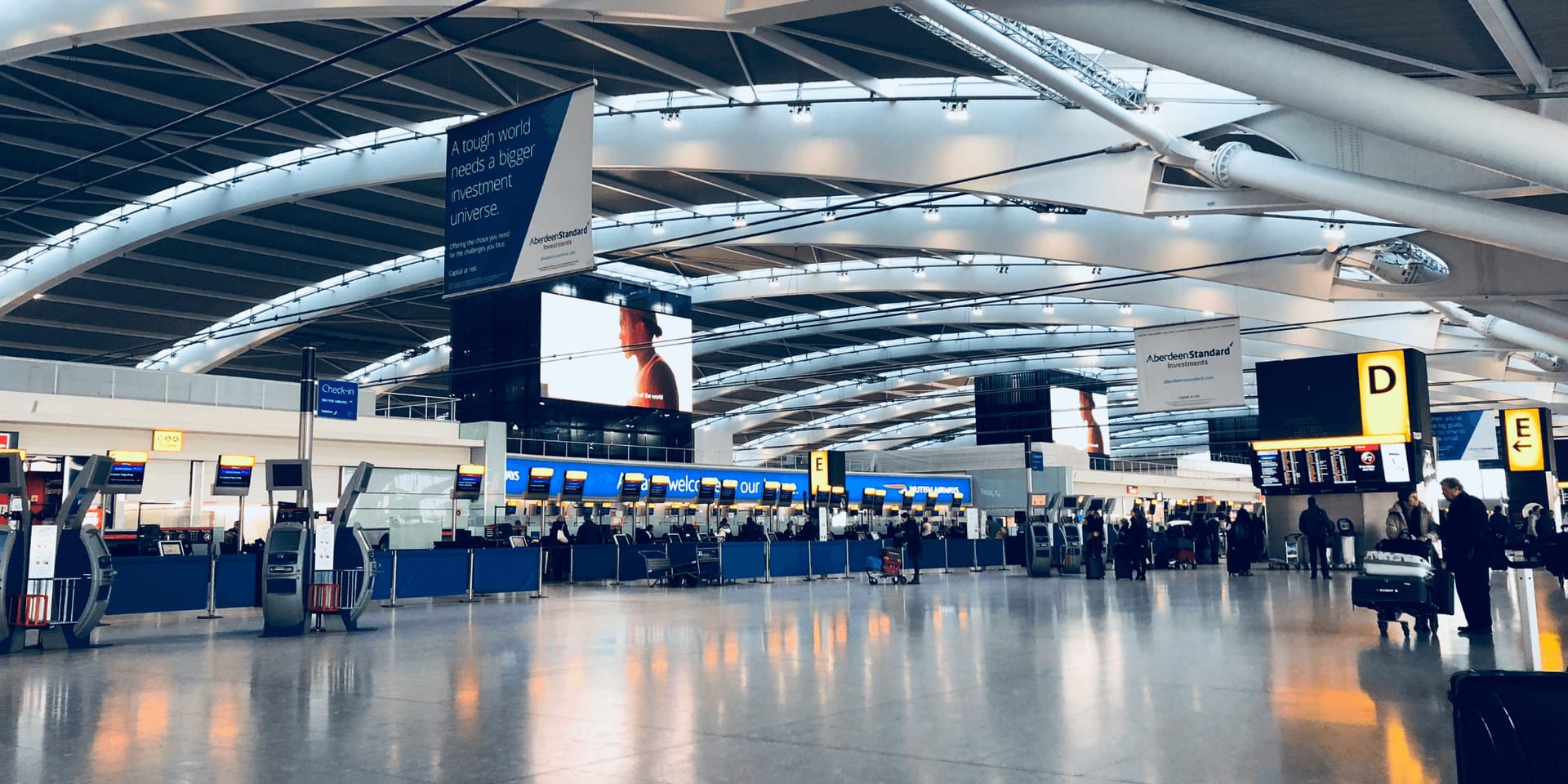
At home, the effects of a partial federal government shutdown are becoming increasingly visible, particularly in air travel. With Transportation Security Administration (TSA) staffing shortages, Immigration and Customs Enforcement (ICE) agents have been deployed to assist at airports.
Airlines and industry leaders have voiced growing frustration, warning that prolonged disruptions could compromise both efficiency and safety. The situation underscores the broader consequences of the funding impasse, as essential services face operational challenges while lawmakers continue negotiations.
Iran Conflict Continues to Shape U.S. Policy and Global Risk
The ongoing conflict with Iran remains a dominant force in U.S. foreign policy. Recent developments include heightened military readiness and continued warnings to American citizens abroad to exercise caution.
The conflict has already had far-reaching consequences, including disruptions to global oil supply and increased risks to infrastructure across the Middle East. While diplomatic efforts are underway internationally, the situation remains volatile, with potential implications for U.S. military engagement, energy markets, and global alliances.

Recent Infrastructure and Safety Incidents Raise Concerns
Closer to home, attention remains on transportation safety following a recent deadly incident at New York’s LaGuardia Airport, where a regional jet collided with a ground vehicle, resulting in fatalities and dozens of injuries. Investigators are examining whether equipment or procedural failures contributed to the Incident.
The incident has prompted renewed scrutiny of aviation safety protocols and airport operations nationwide. As travel demand continues to rebound, ensuring infrastructure reliability and safety remains a key concern for federal regulators and the aviation industry.
Looking Ahead
In the days ahead, markets will continue to track developments in the Iran conflict for signals of either escalation or de-escalation. Domestically, pressure is mounting on lawmakers to resolve the government shutdown and stabilize essential services. Economic indicators, particularly in housing and inflation, will also remain in focus as the Federal Reserve weighs its next moves. Together, these threads will shape the trajectory of both the U.S. economy and its role on the global stage.