
Middle East Conflict, Capitol Showdowns, and Economic Jitters Shape a Defining Day
The United States confronted another day dominated by the expanding conflict in the Middle East, as military operations abroad continued to influence debates in Washington and ripple through financial markets. At home, Congress advanced major defense legislation while questions over trade, energy prices, and foreign policy remained at the forefront of national attention.
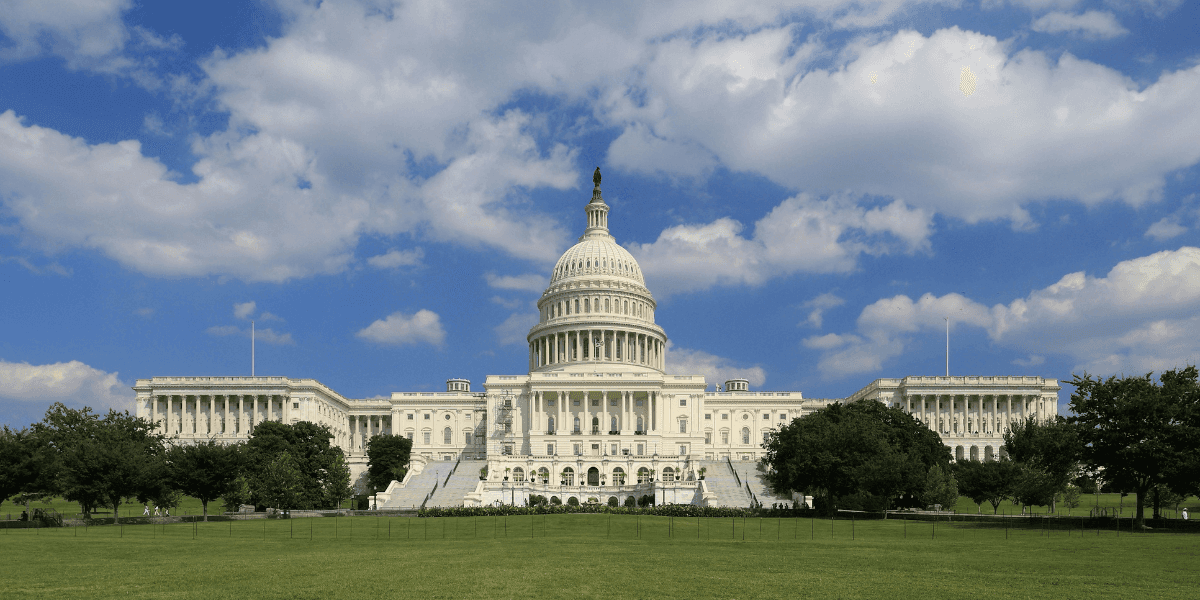
House Advances Major Defense Spending Bill
The House of Representatives approved a defense spending package exceeding $1 trillion, providing funding for military operations and broader national security priorities amid the ongoing conflict with Iran. The legislation passed despite disagreements over presidential war powers and drew criticism from lawmakers seeking greater congressional oversight of military action.
Debate centered not only on defense spending levels but also on the balance of authority between Congress and the executive branch. The measure now faces further consideration in the Senate, where negotiations over funding and related policy provisions are expected to continue.

Photo Credit: United States Navy/Wikimedia
U.S. Military Operations Against Iran Continue
American forces carried out another night of strikes targeting Iranian military infrastructure, marking nearly two weeks of sustained operations. The campaign remained focused on facilities linked to drones, surveillance systems, and coastal military assets, while regional tensions continued to rise.
Iran and its regional allies responded with continued threats and attacks affecting shipping routes in the Red Sea and surrounding waters. International organizations, including the United Nations, warned that the conflict risked expanding further, raising concerns about regional stability and global energy supplies.
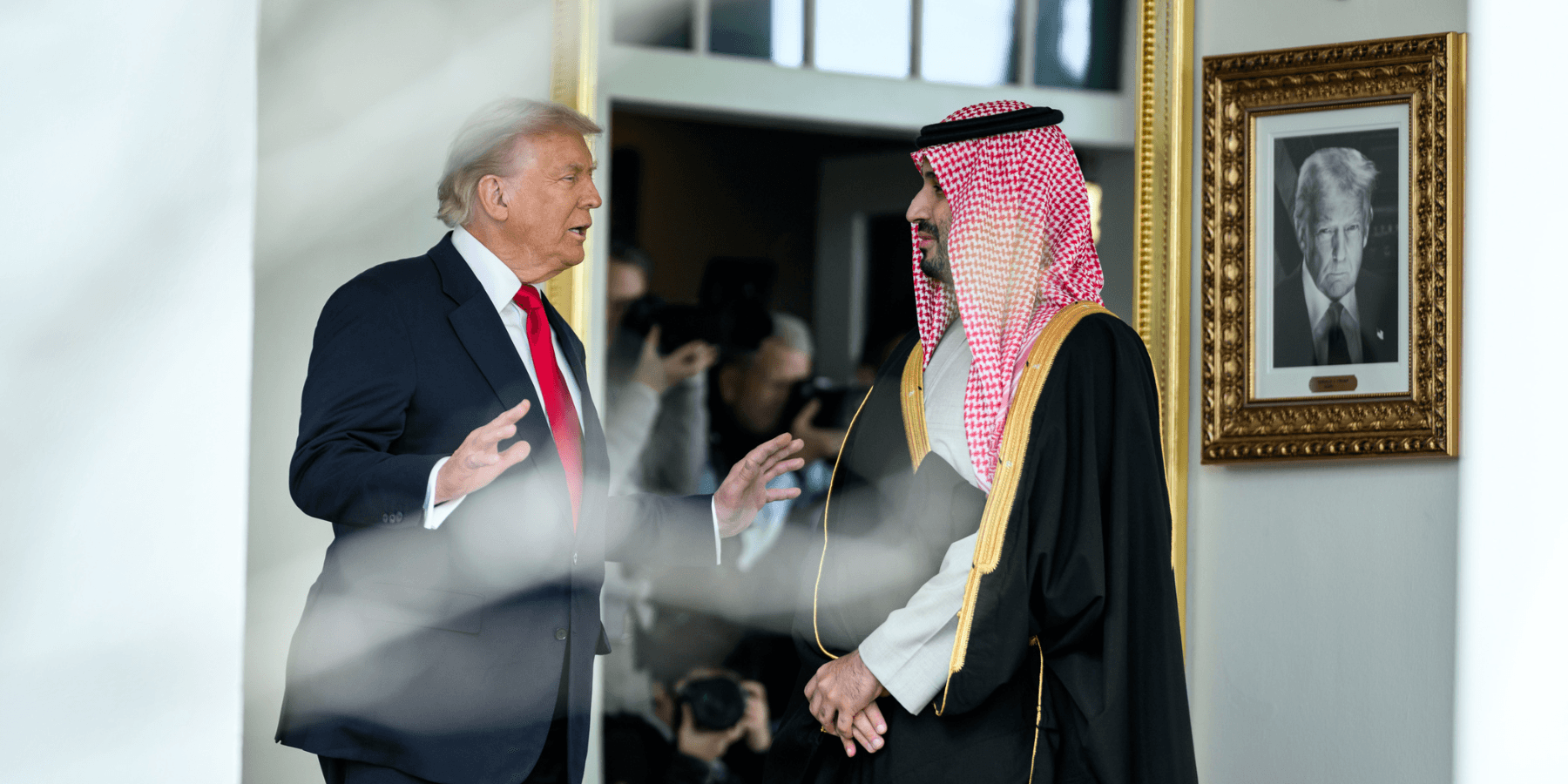
Photo Credit: The White House/Wikimedia
President Donald Trump participates in a bilateral meeting with Crown Prince and Prime Minister Mohammed bin Salman Al Saud of Saudi Arabia, November 2025
Saudi Civilian Nuclear Agreement Draws Scrutiny
The Trump administration announced progress on a civilian nuclear cooperation agreement with Saudi Arabia, describing it as part of a broader regional strategy that could eventually be linked to expanded diplomatic normalization with Israel.
The proposal immediately generated bipartisan questions in Washington over nuclear safeguards and nonproliferation standards. Several lawmakers called for congressional hearings, arguing that any agreement allowing domestic uranium enrichment would require close oversight before implementation.

Photo Credit: Christian Harb/Unsplash
Oil Prices and Markets Reflect Geopolitical Uncertainty
Financial markets reacted cautiously as the Middle East conflict continued to pressure global energy markets. Oil prices climbed to roughly $100 per barrel, their highest level in weeks, fueling renewed concerns about inflation and higher fuel costs for American consumers.
Wall Street finished lower, with technology stocks leading declines after early corporate earnings reports disappointed investors and ongoing geopolitical uncertainty weighed on market sentiment. Rising energy prices also contributed to concerns that inflationary pressures could persist longer than previously anticipated.

Photo Credit: Fejuz/Unsplash
Trade Policy Remains in Focus
Trade policy continued to shape the national economic conversation as the administration defended its broader tariff strategy. Officials argued that trade measures are intended to strengthen supply chains and respond to concerns over unfair international trade practices and forced labor.
Business groups and economists, however, continued to debate the potential effects on consumer prices, manufacturing costs, and international trade relationships. With additional tariff actions under consideration, trade remains one of the administration's most closely watched domestic policy initiatives.
Looking Ahead
Attention now turns to the Senate's consideration of the defense legislation, the next phase of U.S. military operations in the Middle East, and congressional scrutiny of the proposed Saudi nuclear agreement. Investors will also continue monitoring energy markets, inflation pressures, and upcoming corporate earnings as policymakers weigh the domestic economic consequences of rapidly evolving international events.

-12.png&w=3840&q=88)