
Political Shifts and Extreme Weather Reshape the National Conversation
The United States ended the week with a mix of consequential political developments, growing public safety concerns, and dangerous weather affecting millions. Washington remained focused on questions surrounding executive power, congressional action, and the justice system, while communities across the country confronted a historic heat wave. Together, the day's events underscored the broad range of issues influencing Americans as the summer of 2026 continues.
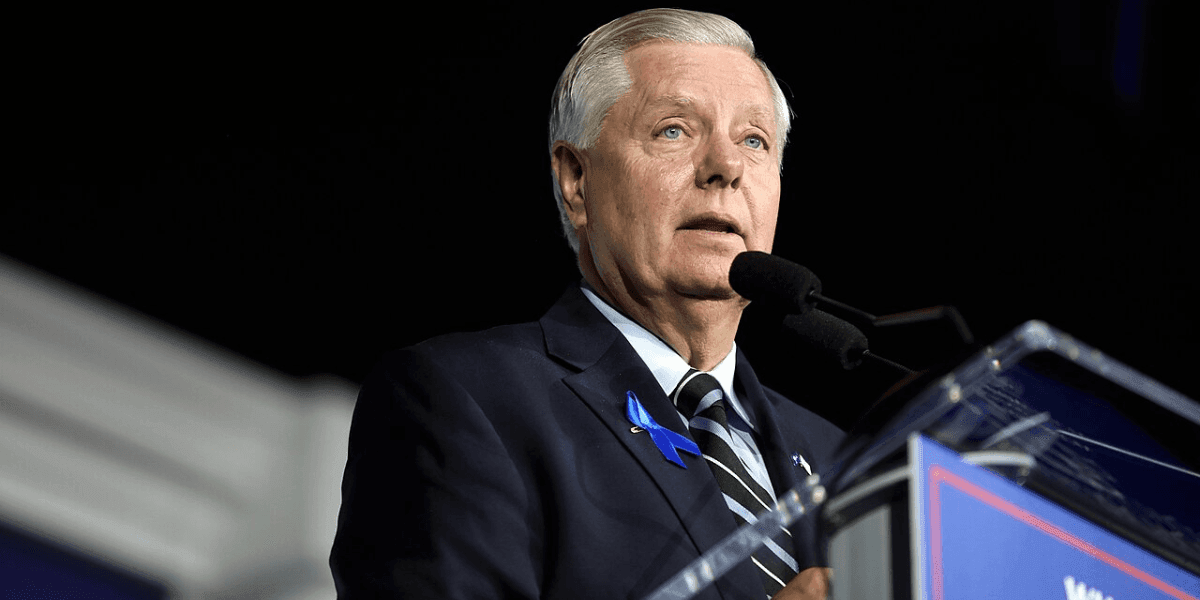
Senator Lindsey Graham Dies at 71
Longtime South Carolina Senator Lindsey Graham died Saturday at the age of 71 following a brief illness, according to his office. Graham served in the U.S. Senate since 2003 after several years in the House of Representatives and became one of the Republican Party's most influential voices on national security and foreign policy.
Throughout his career, Graham evolved from an early critic of Donald Trump into one of the president's closest congressional allies while maintaining a reputation for occasionally working across party lines. His death creates a vacancy in a reliably Republican Senate seat and is expected to have significant political implications ahead of the 2026 midterm elections. Tributes from colleagues across the political spectrum recognized his decades of public service and his prominent role in shaping U.S. foreign policy.
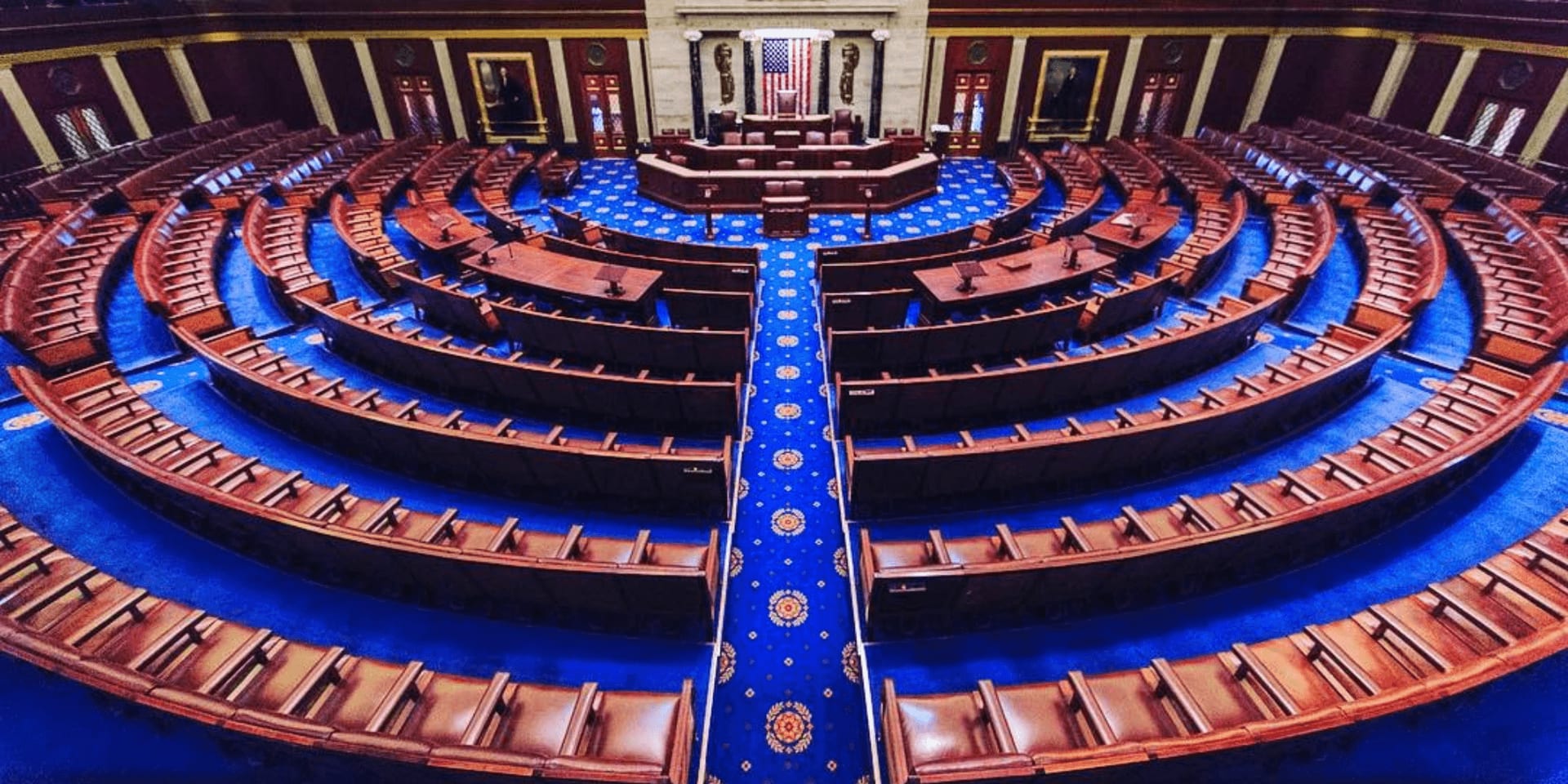
Photo Credit: United States House of Representatives/Wikimedia
Bipartisan Housing Law Takes Effect Without Presidential Signature
One of the day's most notable political developments came as a bipartisan housing bill officially became law despite President Donald Trump declining to sign it. Because the president neither signed nor vetoed the legislation within the constitutional time frame while Congress remained in session, the measure automatically took effect.
The new law represents one of the most significant bipartisan legislative achievements of the current Congress and is expected to expand housing initiatives intended to address affordability and supply shortages. The unusual path to enactment also highlighted continuing tensions between the White House and lawmakers, as President Trump had argued that broader voting legislation should accompany the housing package.
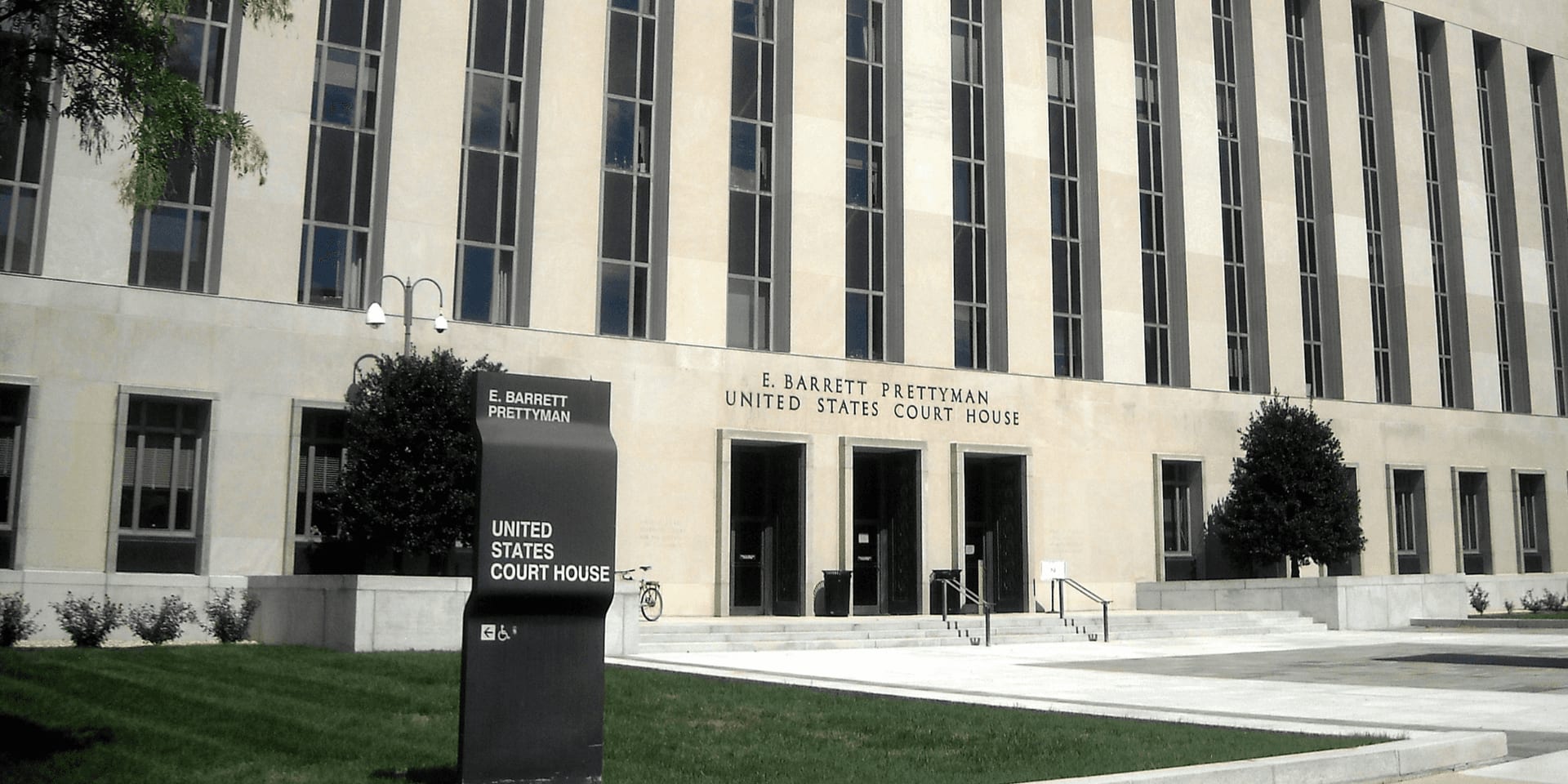
Photo Credit: AgnosticPreachersKid/Wikimedia (Cropped)
Federal Legal Battles Continue Over Jan. 6 Cases and Election Records
Legal and constitutional issues remained at the forefront of national attention. A federal judge approved the Justice Department's request to dismiss the remaining seditious conspiracy convictions involving Proud Boys leaders stemming from the January 6, 2021, attack on the U.S. Capitol, marking another significant chapter in the administration's changing approach to Jan. 6 prosecutions.
At the same time, the Justice Department continued efforts to obtain voter registration records from state election officials, warning that failure to comply could result in legal consequences. Together, the developments fueled ongoing debate over executive authority, federal law enforcement priorities, and election administration as both parties prepare for the upcoming midterm election cycle.

Photo Credit: nigelm23/Unsplash
Dangerous Heat Wave Expands Across Much of the Nation
An expansive and potentially historic heat wave spread across much of the United States, with meteorologists warning that nearly two-thirds of the continental U.S. could experience prolonged periods of dangerous temperatures. Triple-digit highs and unusually warm overnight lows prompted health advisories across numerous states.
Officials urged residents to remain hydrated, limit outdoor activity during peak afternoon hours, and check on vulnerable neighbors. Emergency management agencies opened cooling centers in several communities as forecasters warned that the combination of extreme heat and limited nighttime cooling significantly increases health risks. The persistent heat is also expected to elevate wildfire danger across parts of the West and Great Plains.

Photo Credit: Alexis Doine/Wikimedia
World Cup Captivates the Nation as Quarterfinals Continue
The 2026 FIFA World Cup continued to draw enormous attention across the United States as the tournament entered its quarterfinal stage. Matches featuring England against Norway and Argentina against Switzerland highlighted another day of packed stadiums and extensive television audiences.
The tournament has become one of the country's largest sporting events, bringing international visitors to host cities and generating substantial economic activity. Beyond the competition itself, many observers have noted the World Cup's broader cultural impact, with the event serving as a rare moment of nationwide celebration and global engagement during a politically polarized period.
Looking Ahead
Attention now turns to several developing stories expected to shape the coming days. Lawmakers and political observers will monitor the implications of Senator Graham's passing and the process for filling his Senate seat. Federal legal disputes involving election administration and January 6 cases are likely to continue drawing scrutiny, while communities across much of the country prepare for another week of dangerous heat. Meanwhile, the FIFA World Cup advances toward its semifinal stage, with the tournament remaining a major focus of national attention both on and off the field.