
Power Struggles and Political Shifts Reshape the National Landscape
The United States faced another day of political tension, legal confrontations, and economic uncertainty as the Trump administration balanced foreign-policy challenges abroad with mounting pressures at home. From escalating debates over executive authority and court rulings to pivotal Republican primary victories and continued inflation concerns, the nation’s political and institutional divisions remained at the center of America’s evolving story.
Trump Administration Refocuses Amid Iran Conflict and Domestic Pressures
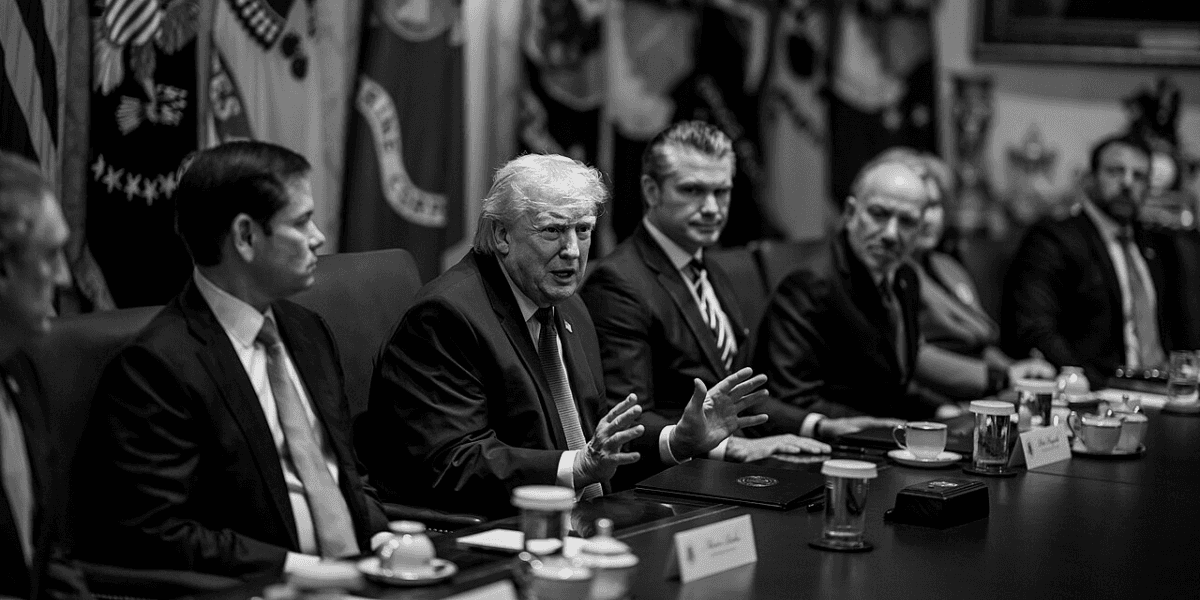
President Trump moved a planned Cabinet meeting from Camp David back to the White House today as negotiations connected to the recent Iran conflict remained unsettled. Administration officials said the meeting would emphasize economic accomplishments, anti-fraud initiatives, and foreign policy developments, though the ongoing tensions in the Middle East continued to loom over the administration.
The Iran war and its economic consequences have increasingly shaped domestic politics. Public polling released this week showed declining approval ratings for the president, particularly tied to concerns over military escalation and rising costs associated with energy disruptions and global instability.
Despite Trump’s claims that a peace arrangement with Iran may be nearing completion, recent military operations and conflicting public messaging from administration officials have contributed to uncertainty both abroad and at home. Analysts note that the administration is balancing foreign-policy messaging with growing voter concern over inflation and market volatility.
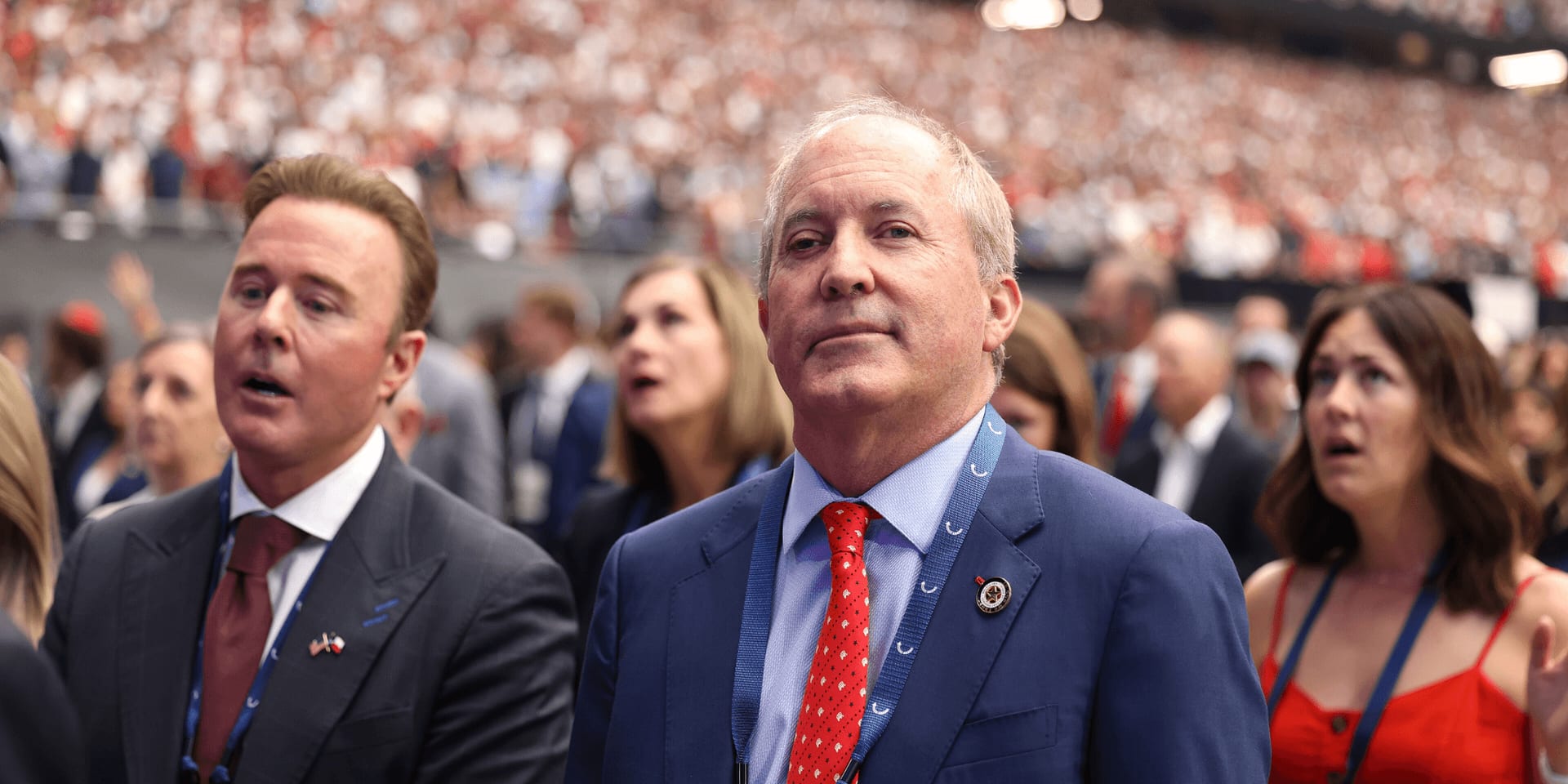
Texas Attorney General Ken Paxton at the Memorial for Charlie Kirk at State Farm Stadium in Glendale, Arizona.
Photo Credit: Gage Skidmore/Wikimedia
Texas Primary Results Reinforce Trump’s Grip on the GOP
One of the most politically significant developments of the day came from Texas, where Attorney General Ken Paxton secured the Republican Senate nomination after defeating longtime Senator John Cornyn in a closely watched runoff. Paxton openly credited Trump’s endorsement as decisive, further underscoring the president’s continuing dominance within Republican primary politics.
The result marks another setback for establishment Republicans seeking to maintain influence within the party. Cornyn, a four-term senator with deep ties to Senate leadership, ultimately pledged support for Paxton following the loss, signaling the limited space for open resistance to Trump-backed candidates.
Texas also saw significant Democratic developments, including Christian Menefee’s victory in a congressional runoff shaped by controversial redistricting changes. Together, the outcomes highlighted how the 2026 midterm cycle is rapidly becoming defined by ideological realignment, redistricting disputes, and increasingly nationalized local races.
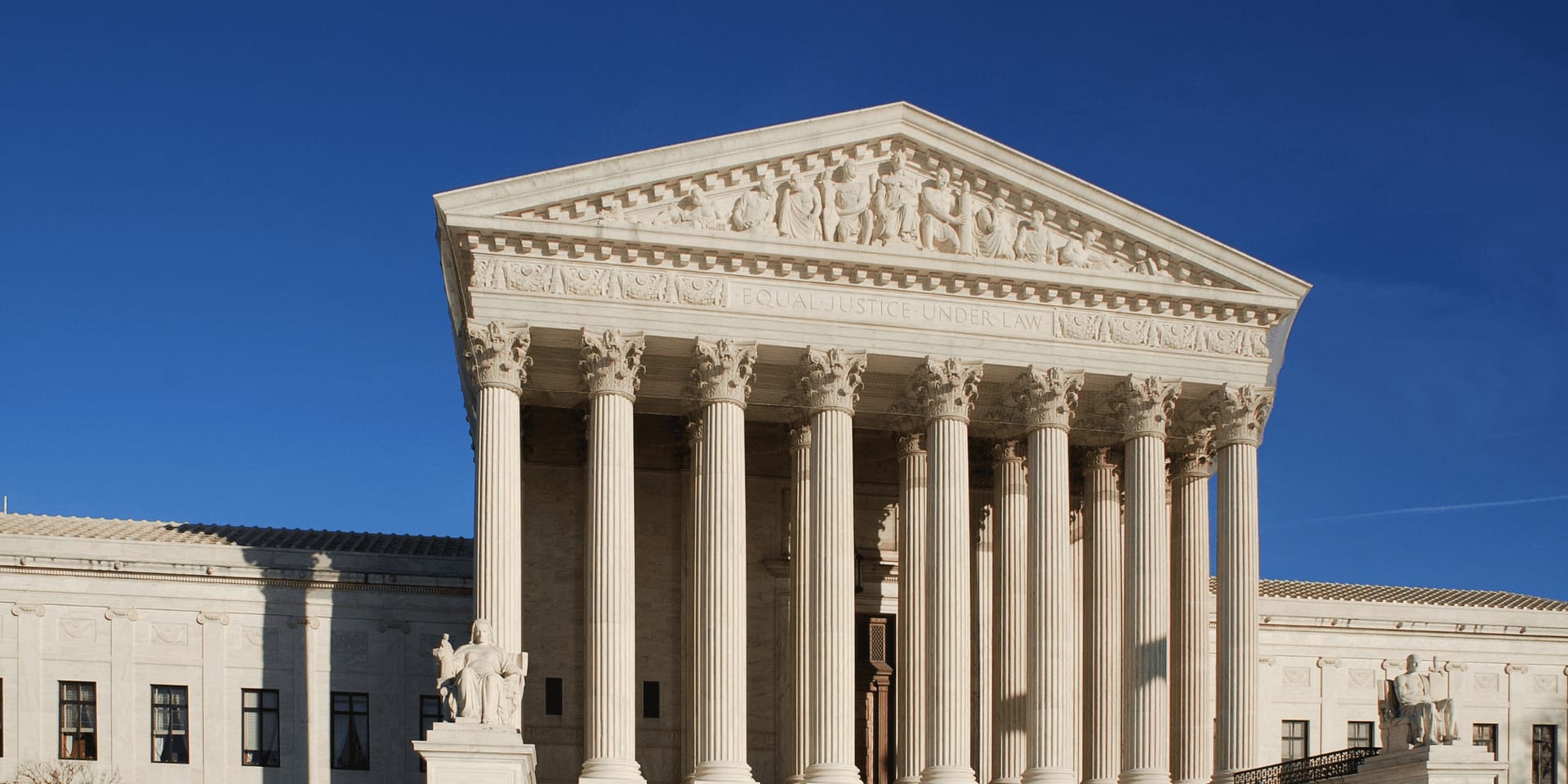
United States Supreme Court building in Washington D.C., USA. Front facade.
Photo Credit: Jarek Tuszyński/Wikimedia
Courts Continue Defining Limits of Executive Power
Federal courts and the Supreme Court remained central to several major national disputes today. The Supreme Court ruled in favor of the Trump administration in a case involving speech restrictions on immigration judges, determining that such disputes must proceed through federal employment review systems rather than the courts.
The decision added to a growing body of rulings that could expand presidential authority over federal agencies and employees. Legal scholars continue to watch several pending Supreme Court cases that may further redefine the balance of power between Congress and the executive branch, particularly regarding independent federal agencies and emergency powers.
Meanwhile, a federal appeals court blocked Alabama’s newly drawn congressional map after determining it unlawfully diluted Black voting power in violation of the Voting Rights Act. The ruling ordered the creation of revised districts ahead of the 2026 elections and is expected to become another major Supreme Court battle over race and redistricting.

Photo Credit: Dennis Siqueira/Unsplash
Economic Concerns Persist Despite Continued Growth
Economic indicators released this week painted a mixed picture for the U.S. economy. Growth has remained relatively stable, with unemployment still historically low, but inflationary pressures tied to tariffs, energy costs, and global instability continue weighing on consumers.
Much of the current debate centers on the long-term effects of Trump-era tariffs and the administration’s broader trade strategy. Earlier court rulings this year determined that some emergency tariffs exceeded presidential authority, creating ongoing uncertainty for businesses and international markets.
Economists remain divided over whether the administration’s policies have protected domestic industries or unnecessarily slowed growth during what had initially appeared to be a strong economic recovery period. The White House continues emphasizing manufacturing gains and deregulation, while critics point to rising prices and declining consumer confidence.
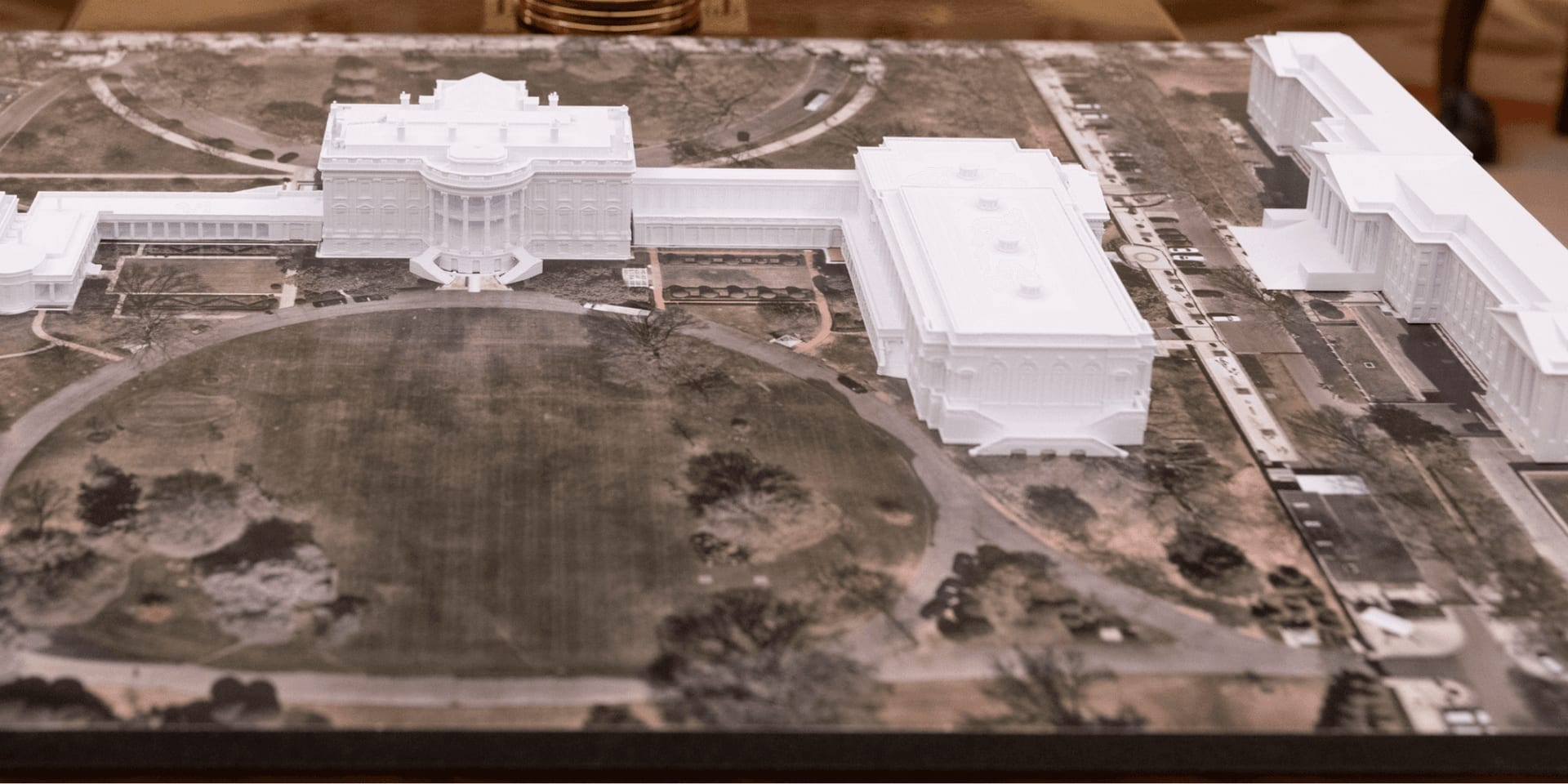
Photo Credit: Official White House Photo by Molly Riley/Wikimedia
White House Construction Battle Escalates
Another unusual but increasingly prominent controversy involved President Trump’s push to construct a massive new ballroom complex on White House grounds. Administration lawyers argued in court filings this week that the project is necessary for presidential security following recent shootings near the White House perimeter.
Opponents, including historic preservation groups, contend that the project bypasses congressional oversight and threatens the historic character of the executive complex. Legal challenges have temporarily slowed construction, though an appeals court has allowed some work to continue pending further hearings scheduled for early June.
The dispute has become symbolic of broader debates surrounding executive authority, presidential legacy projects, and the expanding personalization of federal institutions during Trump’s second term.
Looking Ahead
Attention now turns toward several looming developments: continued negotiations tied to the Iran conflict, expected Supreme Court decisions on executive authority and federal agencies, and intensifying preparation for the 2026 midterm elections. Economic data in the coming weeks will also be closely watched as inflation and tariff disputes remain central voter concerns.
With courts, Congress, and the White House increasingly locked in overlapping political and legal struggles, the remainder of 2026 is shaping up to be one of the most consequential periods of institutional conflict in recent American history.