Primaries, Global Tensions, and Court Battles Shape America’s Headlines
The United States entered June with a convergence of political, legal, and international developments carrying implications far beyond a single news cycle. Midterm election contests began taking shape, the Supreme Court issued a consequential voting-rights decision, and the Trump administration continued to navigate both domestic controversies and escalating tensions abroad. Together, these stories highlighted the increasingly interconnected nature of politics, governance, and national security as 2026 progresses.

By
Jun 3, 2026

Midterm Primaries Offer Early Signals for November
Voters in six states, including California and Iowa, cast ballots in some of the first major contests of the 2026 midterm season. Several closely watched races provided early indications of the political environment heading into the fall campaign.
In California, the gubernatorial primary remained highly competitive, while Los Angeles Mayor Karen Bass secured a place in the city's runoff election. In Iowa, Democrat Josh Turek won his party’s Senate nomination and will face Republican Ashley Hinson in a race expected to draw national attention. New Mexico Democrats selected former Interior Secretary Deb Haaland as their gubernatorial nominee, positioning her to make history if elected.
The results underscored the importance of candidate recruitment, turnout, and local issues as both parties seek advantages in a midterm year that could reshape political power at multiple levels of government.
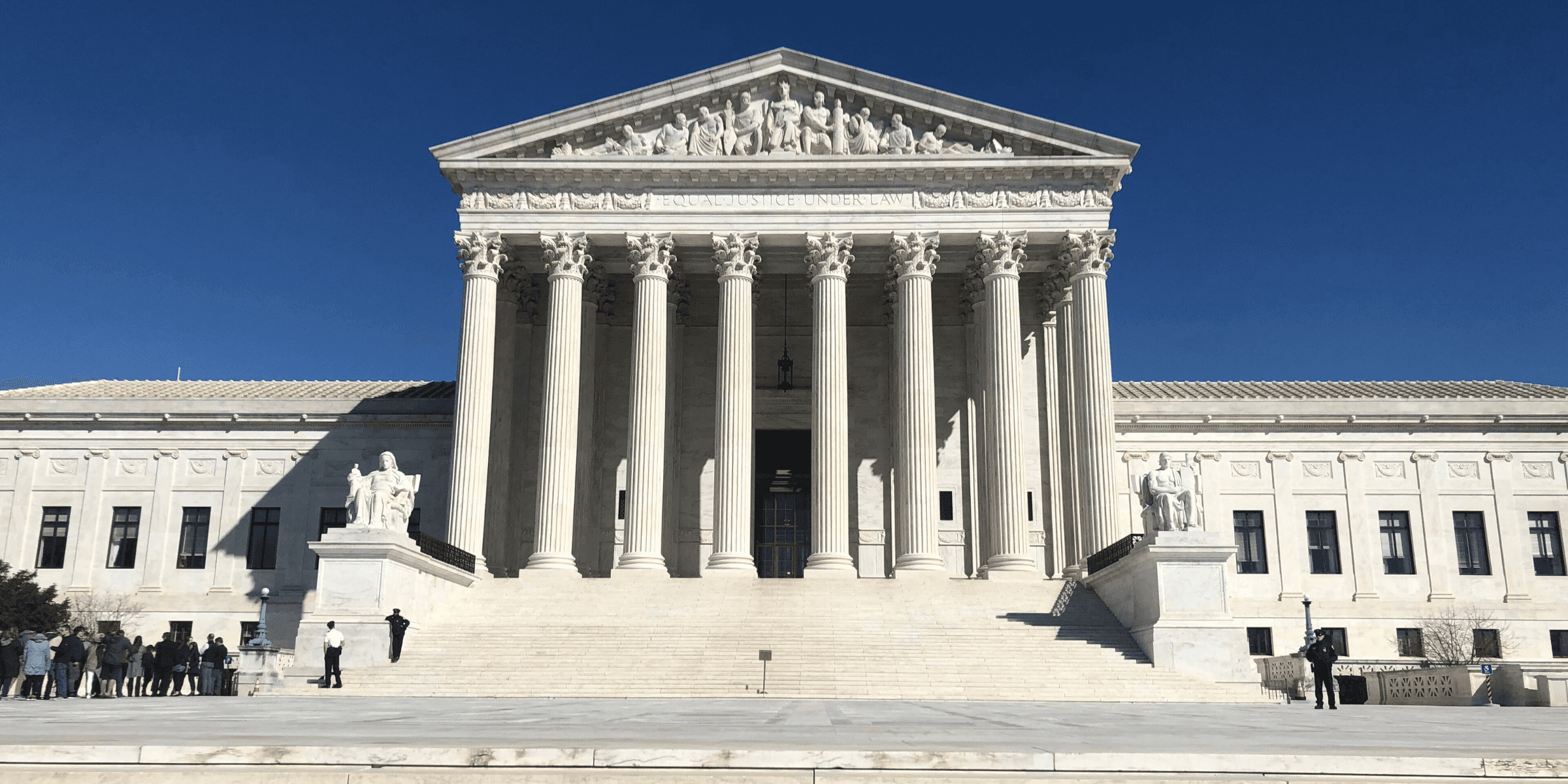
Photo Credit: Marielam1/Wikimedia
Supreme Court Clears Path for Alabama Congressional Map
One of the most significant legal developments of the week came from the Supreme Court, which allowed Alabama to use a congressional map that critics argue disadvantages Black voters and benefits Republicans.
The decision permits the map to remain in place for the 2026 elections despite lower-court findings that it intentionally discriminated against Black residents. Voting-rights advocates immediately criticized the ruling, while supporters argued it provides election certainty ahead of the midterms.
Because control of Congress could hinge on a small number of districts nationwide, the ruling is expected to influence broader debates over redistricting, representation, and election law in the months ahead.
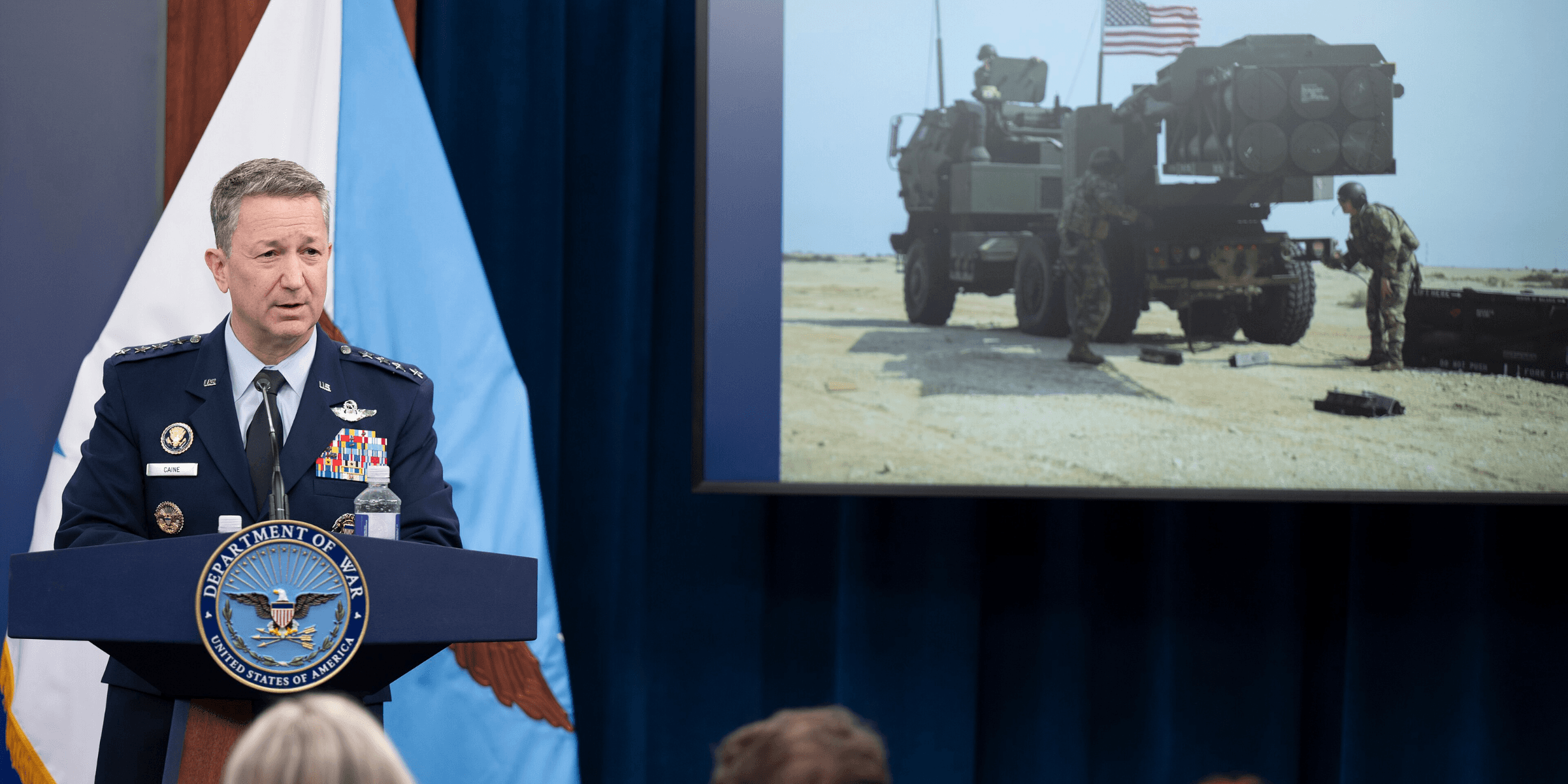
Secretary of War Pete Hegseth and Chairman of the Joint Chiefs of Staff U.S. Air Force Gen. Dan Caine conduct a press briefing on Operation Epic Fury at the Pentagon, Washington, D.C., March 13, 2026.
Photo Credit: SECWAR/Wikimedia
U.S.–Iran Conflict Continues to Escalate
Internationally, the most consequential story remained the deteriorating security situation involving the United States and Iran. Reports indicated that U.S. and Iranian forces exchanged additional strikes as ceasefire efforts struggled to gain traction.
According to multiple reports, U.S. military actions targeted Iranian assets, while Iran launched missile and drone attacks that it said were retaliation for American operations. The developments have heightened concerns about regional stability, global energy markets, and the possibility of further escalation despite ongoing diplomatic contacts.
Secretary of State Marco Rubio also confirmed that President Donald Trump is expected to attend the upcoming NATO summit, where relations with allies and the broader Middle East conflict are likely to dominate discussions.
Photo Credit: Yimeng Zhao/Unsplash
Trump Administration Faces Scrutiny Over Federal Workforce and Policy Decisions
The administration continued to face criticism over personnel decisions and the long-term impact of federal workforce reductions.
A survey of recently dismissed federal employees found widespread reports of mental-health challenges following layoffs and forced departures. Participants described financial strain, career uncertainty, and symptoms consistent with significant psychological stress. The findings add another dimension to the ongoing debate over efforts to shrink portions of the federal government.
At the same time, administration officials remained under scrutiny for appointments to senior positions and for policy decisions involving intelligence, trade, and government spending. Congressional oversight hearings continued to examine several of these issues as lawmakers from both parties pressed officials for additional explanations.

Photo Credit: The Bushranger/Wikimedia
Economy and Trade Concerns Remain in Focus
Economic policy returned to the forefront as the administration considered additional tariffs on dozens of trading partners. Officials argued the measures are tied to concerns about forced labor and unfair trade practices, while critics warned that expanded tariffs could increase costs for businesses and consumers.
Meanwhile, analysts continued to monitor fuel prices and broader economic indicators amid instability in the Middle East. Energy markets reacted to uncertainty surrounding the Iran conflict, and policymakers faced renewed questions about inflation, supply chains, and the potential economic consequences of prolonged geopolitical tensions.
As the country approaches the second half of the year, economic performance remains one of the most important factors likely to influence both public opinion and electoral outcomes.
Looking Ahead
The coming days will bring continued attention to the U.S.–Iran conflict, preparations for the NATO summit, and the political fallout from key primary results. Legal battles over voting rights and redistricting are likely to continue, while economic concerns—from tariffs to energy prices—remain central to the national conversation. With the midterm campaign season now fully underway, developments in Washington, state capitals, and abroad will increasingly shape the direction of American politics through the rest of 2026.