
Regrets Of The Fallen Angels: The Hidden Side Of Humanity
Amina Abaira's debut collection dares readers to confront the moral truths they most fear.

There is a moment, buried deep in the conscience, where a person knows exactly what they should do and chooses otherwise. It is quiet, almost imperceptible, and yet it changes everything. Tunisian author Amina Abaira, based in Germany, has built her debut short story collection around that precise moment. Regrets of the Fallen Angels is not a comfortable read. It is not meant to be. It is an unflinching look at the decisions human beings make when no one is watching, and the weight those decisions leave behind.
Six Stories, One Devastating Thread
"Regrets of the Fallen Angels" brings together six stories, each set in a different world, each populated by characters living entirely different lives. What connects them is not circumstance or geography. It is regret. Not the surface-level regret of minor missteps, but the deep, corroding kind that settles into a person's identity and refuses to leave. Abaira constructed this collection as a deliberate exploration of what happens after the wrong choice is made, and more importantly, why it was made in the first place.
The stories do not soften their subjects. Characters speak and act based on what they genuinely believe, not on what makes them sympathetic or admirable. This is a rare creative choice, and it is precisely what gives the collection its power. Readers are not invited to judge from a safe distance. They are pulled inside the minds of people navigating moral grey areas, and the view from there is far more complicated than most fiction dares to show.
A Voice Shaped By Two Worlds
Abaira writes from a perspective shaped by cultural crossing. Born in Tunisia and now based in Germany, she carries within her the tension of navigating between different value systems, different expectations, and different definitions of right and wrong. That lived experience of moral complexity is not incidental to this collection. It is foundational. The hidden side of human nature that Abaira explores is not specific to one culture or one type of person. It is universal, and her cross-cultural lens allows her to see it with unusual clarity.
In a published interview, Abaira described her approach as direct, a chance to look at the naked truth of how things really appear inside the human mind. There is no attempt to portray characters in their best shape. What readers encounter instead is raw interiority: the rationalizations, the fears, the desires, and the moments of self-deception that lead ordinary people toward choices they will spend the rest of their lives regretting.

The Moral Struggle At The Center
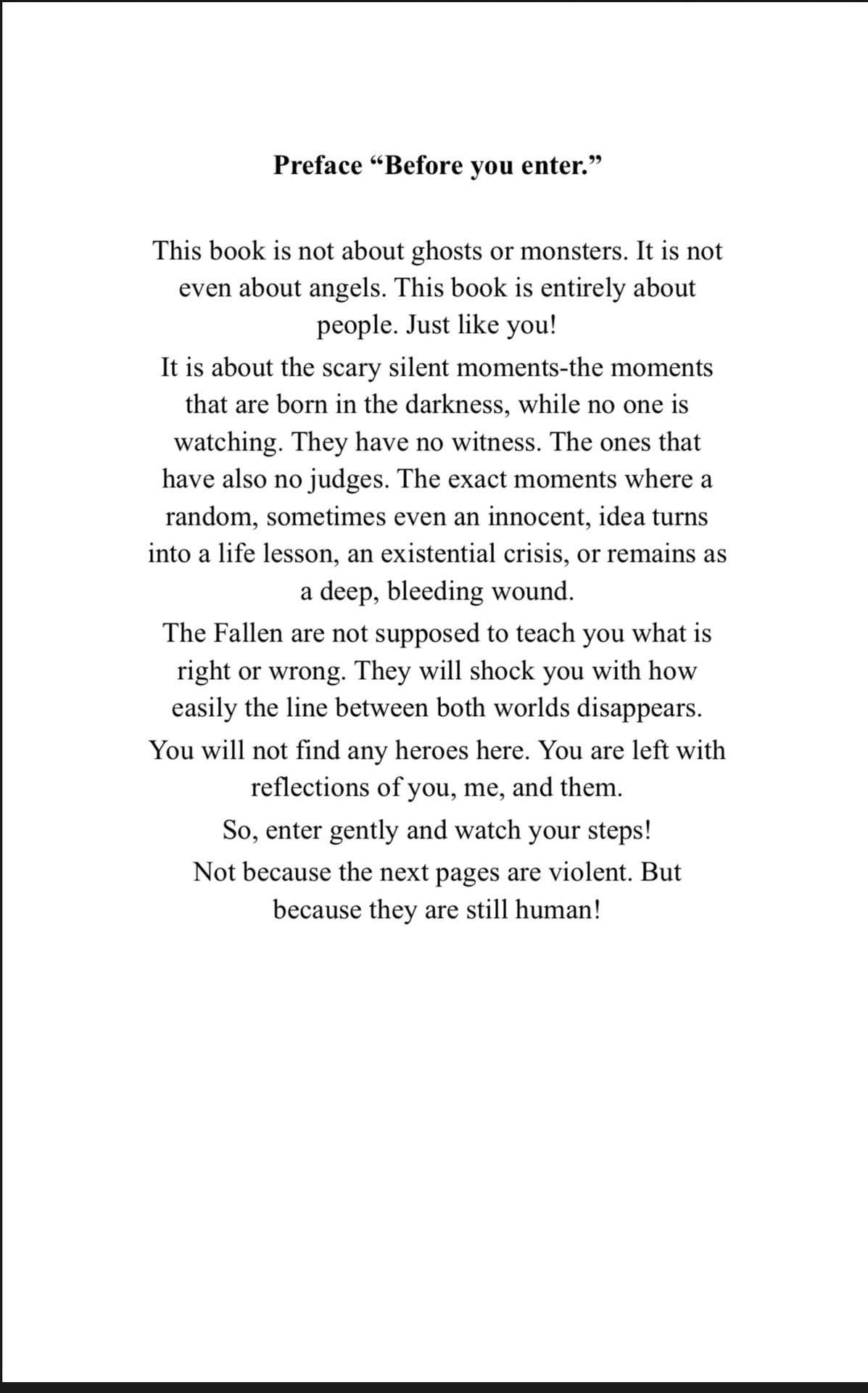
The heart of "Regrets of the Fallen Angels" is not plot. It is the inner moral struggle that precedes every consequential decision. Abaira is interested in the space between knowing better and doing otherwise. She is interested in the pain that follows, not as punishment, but as truth. Her characters do not emerge transformed or redeemed in the conventional sense. They emerge honest, which is, in its own way, a harder and more valuable destination.
This approach challenges the reader to do something equally difficult: to recognize themselves. The collection functions as a mirror, and the reflection it offers is not flattering. It asks whether the instincts that drive these fictional characters are really so foreign. It asks whether the reader, faced with the same pressures and the same temptations, would choose differently. That question, left open and unresolved, is the invitation Abaira extends with every story.
Why This Collection Matters Now
In a literary landscape crowded with narratives that prioritize resolution and redemption, "Regrets of the Fallen Angels" occupies a distinct and necessary space. It refuses the comfort of easy answers. It insists on showing human nature as it actually operates, messy, contradictory, and capable of genuine harm, while remaining deeply empathetic toward the people caught inside that nature. This balance is difficult to achieve, and Abaira achieves it with discipline and intent.
The collection also arrives at a moment when conversations about moral accountability, personal responsibility, and the consequences of unchecked impulse are more urgent than ever. Abaira does not offer a prescription. She offers a perspective. And that perspective, drawn from her own experience of living between worlds and questioning inherited certainties, carries the kind of authenticity that cannot be manufactured.
An Invitation To Think Twice
Abaira has described "Regrets of the Fallen Angels" as an invitation to think twice before making any wrong decision. That framing is precise and important. This is not a cautionary tale in the traditional sense, finger-wagging and moralistic. It is something more honest and more useful. It is a set of six windows into the interior lives of people who did not think twice, and the terrain those readers enter through those windows is recognizable in ways that are genuinely unsettling.
For readers who are willing to sit with discomfort, to follow characters into the darker corridors of human motivation, and to emerge with a clearer understanding of why people fail themselves and others, this collection delivers something rare. It delivers truth without decoration.
"Regrets of the Fallen Angels" by Amina Abaira is available now. Readers who want to explore the full depth of this collection, and to understand the creative vision behind it, are encouraged to read Abaira's extended author interview, where she speaks candidly about moral grey areas, the writing process, and what it means to portray characters without pretense. Discover the collection, follow Abaira's work, and find out why this is one of the most honest voices in contemporary short fiction today.
Explore More About Regrets Of The Fallen Angels
Read the full author interview at GRIN Insights and follow Amina Abaira on Instagram.