Shifting Currents at Home and Abroad: Diplomacy, Politics, and Public Challenges Define America’s Day
The United States enters the middle of June facing a convergence of international diplomacy, domestic political battles, public safety concerns, and major cultural moments. As Washington balances negotiations abroad and contentious debates at home, Americans are also watching developments ranging from severe weather threats to preparations surrounding major national celebrations and the ongoing FIFA World Cup. The day’s headlines reflect a country navigating both immediate challenges and longer-term political and economic questions.
By
Jun 14, 2026
U.S.-Iran Diplomacy Reaches a Critical Juncture
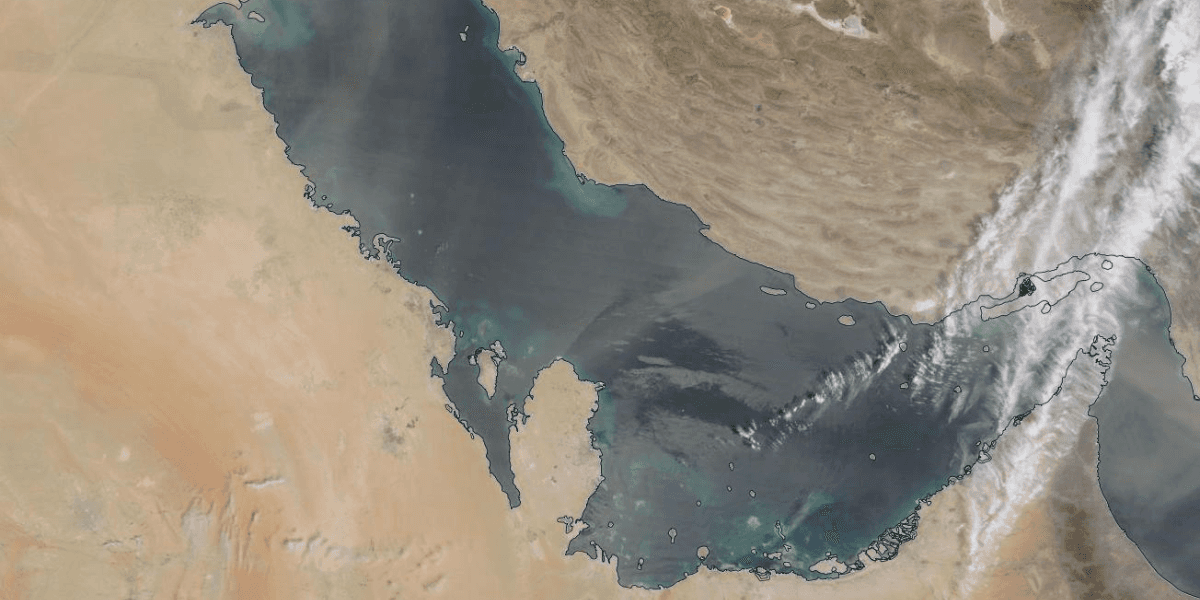
One of the most consequential stories of the day remains the fragile diplomatic effort between the United States and Iran. Administration officials signaled that negotiations over a potential agreement involving sanctions relief, nuclear restrictions, and regional security arrangements are approaching a decisive stage. President Donald Trump urged restraint from all parties while emphasizing hopes that a formal agreement could be reached soon.
The diplomatic push comes after weeks of military escalation in and around the Persian Gulf. Recent U.S. strikes against Iranian targets and Iranian threats of retaliation have heightened concerns about broader regional instability. While both sides continue to publicly support negotiations, significant disagreements remain, and officials acknowledge that any breakdown could have consequences for energy markets, inflation, and U.S. foreign policy heading into the second half of the year.
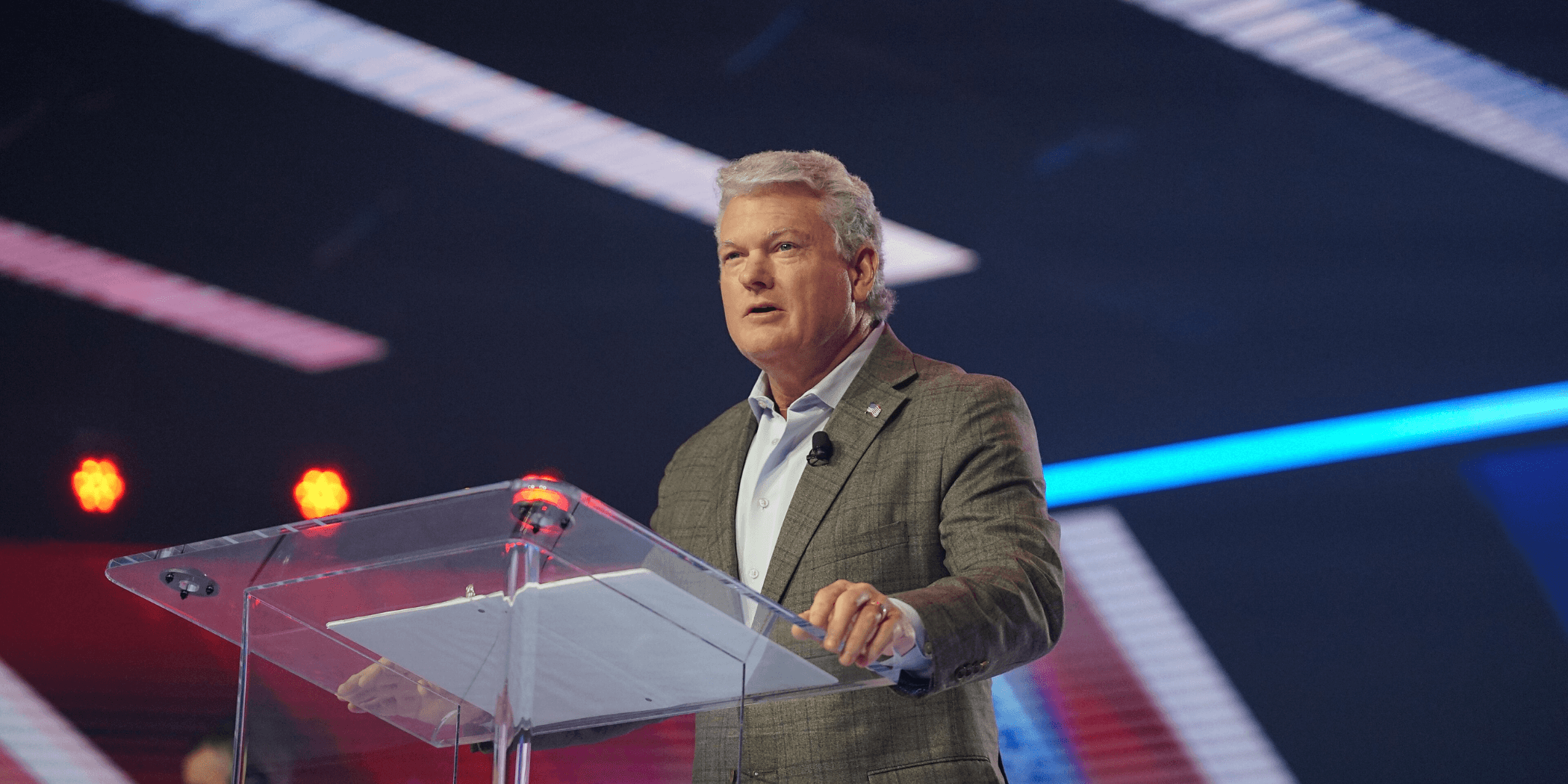
Mike Collins at AmericaFest 2025 in Phoenix, AZ (December 20, 2025)
Photo Credit: Xuthoria/Wikimedia (Cropped)
Political Battles Intensify Ahead of the Midterm Season
Political tensions in Washington continued to rise as disputes over national security leadership and surveillance authorities dominated discussion. Democrats renewed criticism of the administration's intelligence leadership plans following the nomination of former SEC Chairman Jay Clayton to serve as Director of National Intelligence, while concerns remain over interim leadership arrangements and oversight of intelligence agencies.
At the same time, election-year maneuvering accelerated across the country. President Trump weighed into key Republican contests, including a closely watched Senate runoff in Georgia, underscoring his continued influence within the GOP. With the 2026 midterm elections drawing closer, both parties are increasingly focused on candidate recruitment, messaging, and control of Congress.
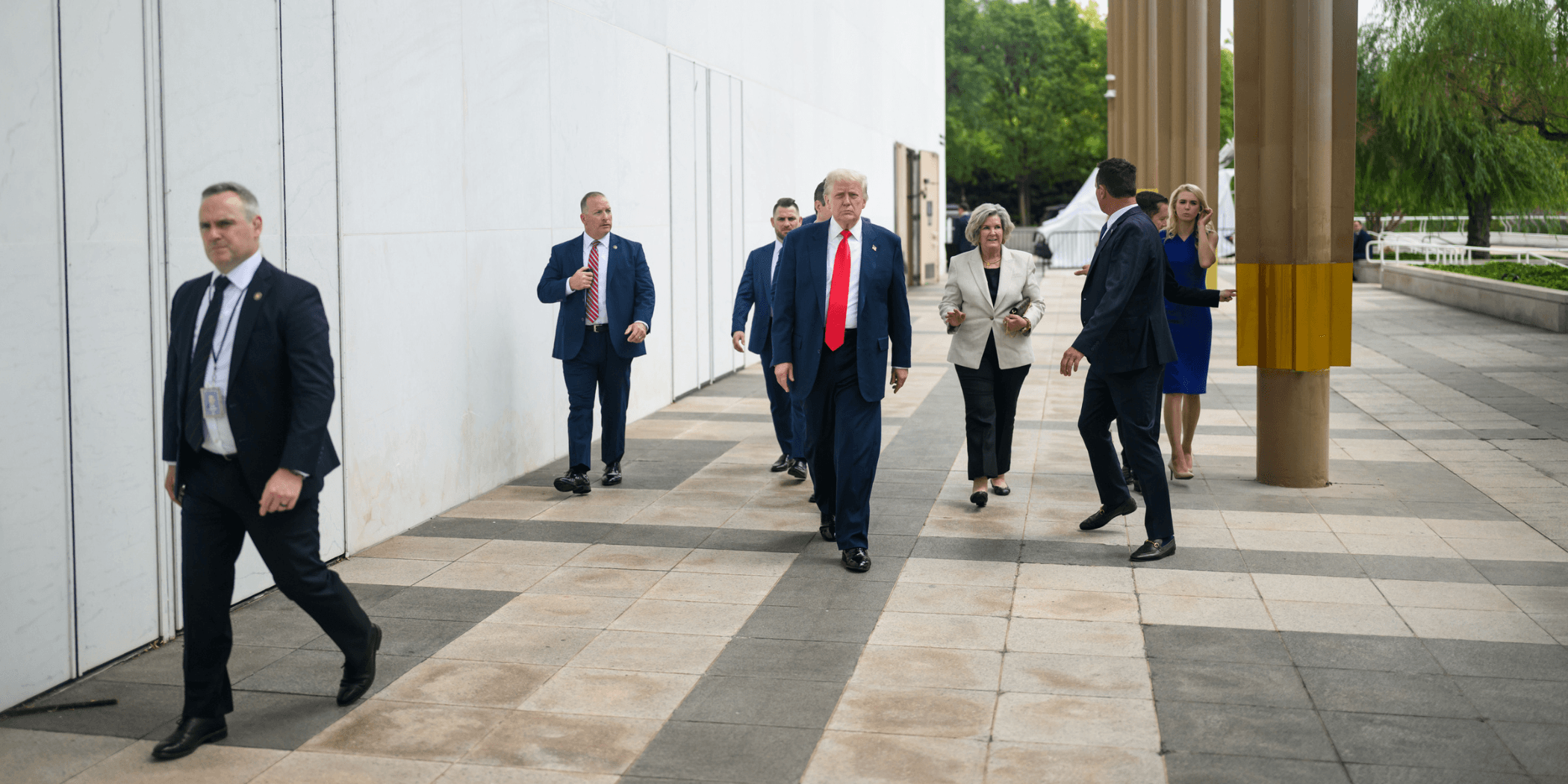
President Donald Trump tours the John F. Kennedy Center for the Performing Arts in Washington, D.C., Wednesday, August 13, 2025.
Photo Credit: The White House/Wikimedia
Courts and Cultural Institutions Remain in the Spotlight
Legal and political disputes surrounding the Kennedy Center continued to generate national attention. Following court rulings, President Trump's name was removed from portions of the institution, prompting appeals from the administration and further debate over executive authority and public institutions.
The dispute has become symbolic of broader clashes over the role of government, public spaces, and presidential influence. While the legal questions remain unresolved, the controversy illustrates how cultural institutions are increasingly becoming arenas for political conflict in a deeply polarized environment.
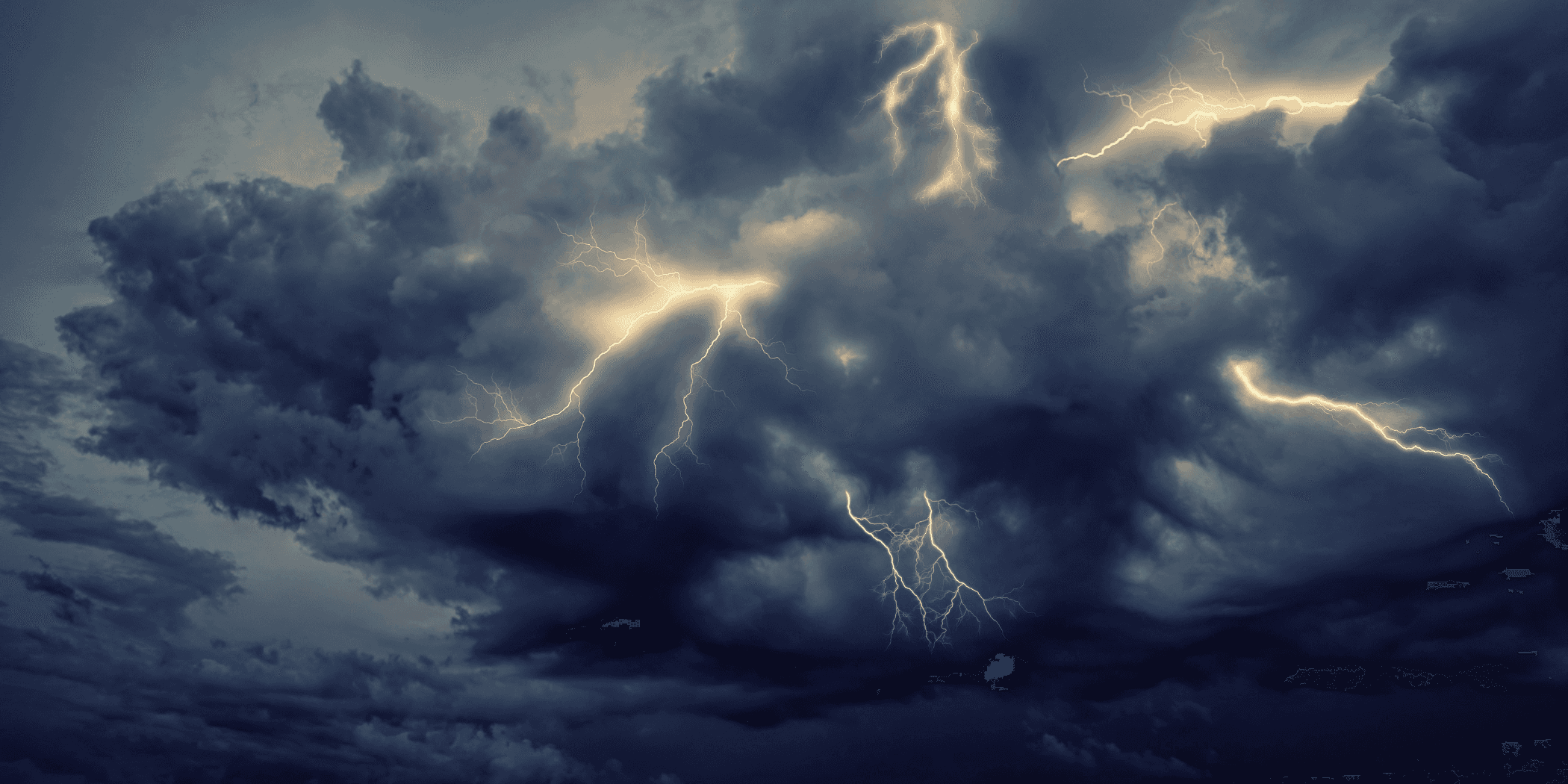
Photo Credit: Johannes Plenio/Unsplash
Public Safety Concerns Stretch Across the Country
Americans are also confronting a series of public safety challenges. Nearly 80 million people were placed under weather alerts as severe storms threatened parts of the East Coast, while extreme heat continued affecting regions across the country. Emergency management officials warned residents to remain vigilant as dangerous conditions developed.
Elsewhere, authorities responded to a fighter jet crash in Washington state that sparked a wildfire after the pilot safely ejected. Public safety agencies are also monitoring outbreaks and agricultural concerns related to the New World screwworm, prompting heightened federal attention. These developments underscore the broad range of emergency preparedness issues facing federal, state, and local governments.
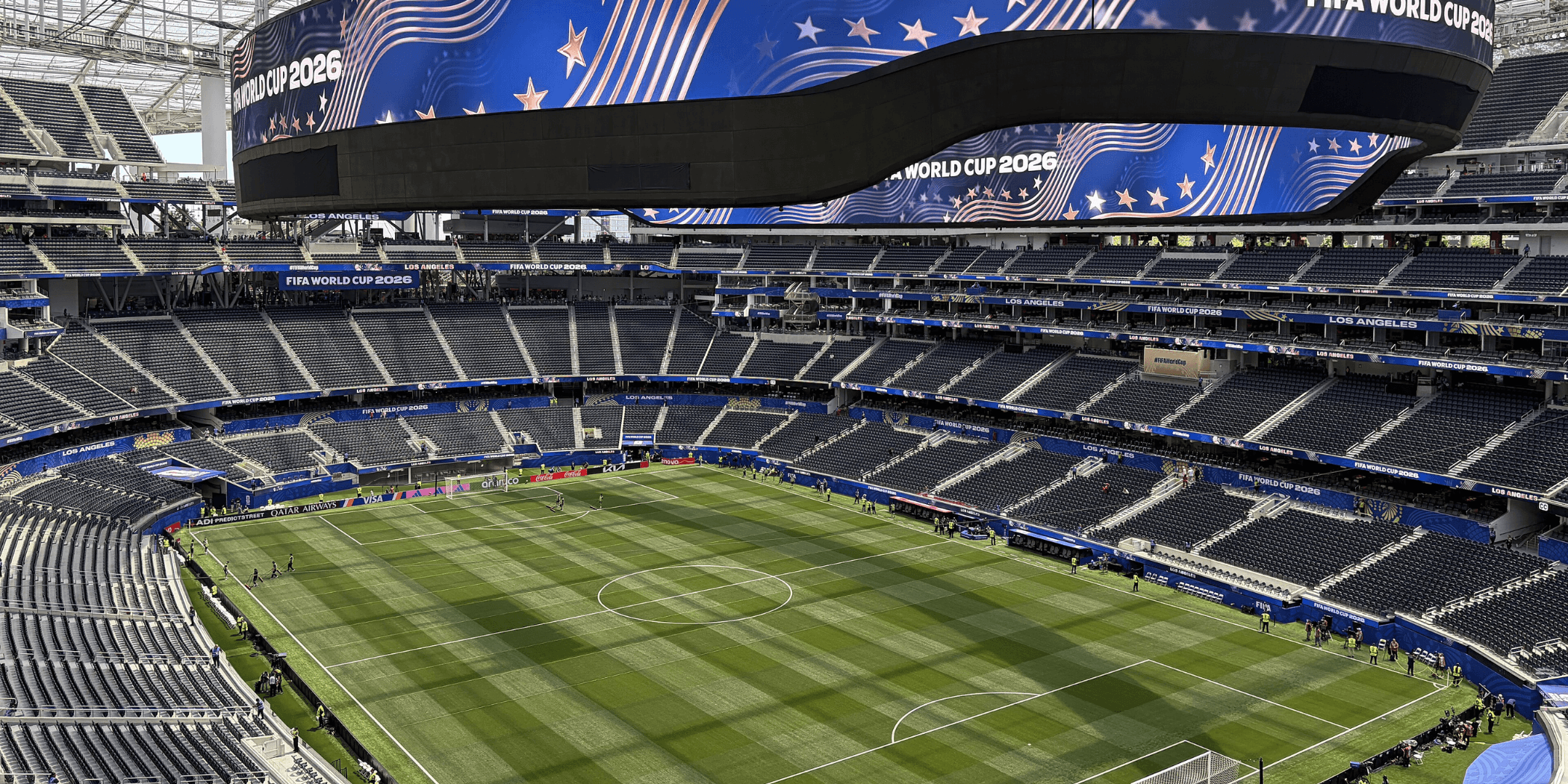
2026 FIFA World Cup Match 4, United States v Paraguay (stadium 3 hours before).
Photo Credit: Alexis Doine/Wikimedia
Sports and National Celebrations Capture Public Attention
While politics and foreign affairs dominated Washington, major sporting events continued to capture national attention. The United States remains in the spotlight as a host nation for the 2026 FIFA World Cup, with the U.S. Men’s National Team opening tournament play with a convincing victory over Paraguay. The tournament is widely viewed as a pivotal opportunity to elevate soccer’s profile across the country.
At the same time, celebrations surrounding America’s upcoming 250th anniversary continued to expand. A highly publicized UFC event associated with the broader semiquincentennial festivities generated significant public discussion, reflecting the growing role of sports and entertainment in national cultural diplomacy efforts.
Looking Ahead
The coming days will be shaped by several closely watched developments. Diplomats will continue efforts to finalize a U.S.-Iran agreement while world leaders gather for international meetings, including the G7 summit. Congress and the White House are expected to remain locked in disputes over intelligence leadership, surveillance authorities, and broader election-year priorities. Meanwhile, severe weather threats, World Cup competition, and preparations for America’s 250th anniversary will continue drawing public attention as the nation moves deeper into a consequential summer.