Tensions Peak at Home and Abroad as Washington Faces Blockade, Congressional Shake‑Up
A tumultuous Tuesday unfolded across the United States as the Trump administration escalated military pressure on Iran with a naval blockade, while Capitol Hill grappled with political instability and urgent legislative deadlines. Markets reacted to geopolitical uncertainty, and diplomatic engagements highlighted the delicate balance between conflict management and international relations. Domestic political controversies and leadership departures added to the national sense of volatility.
U.S. Enforces Naval Blockade of Iranian Ports Amid War Escalation
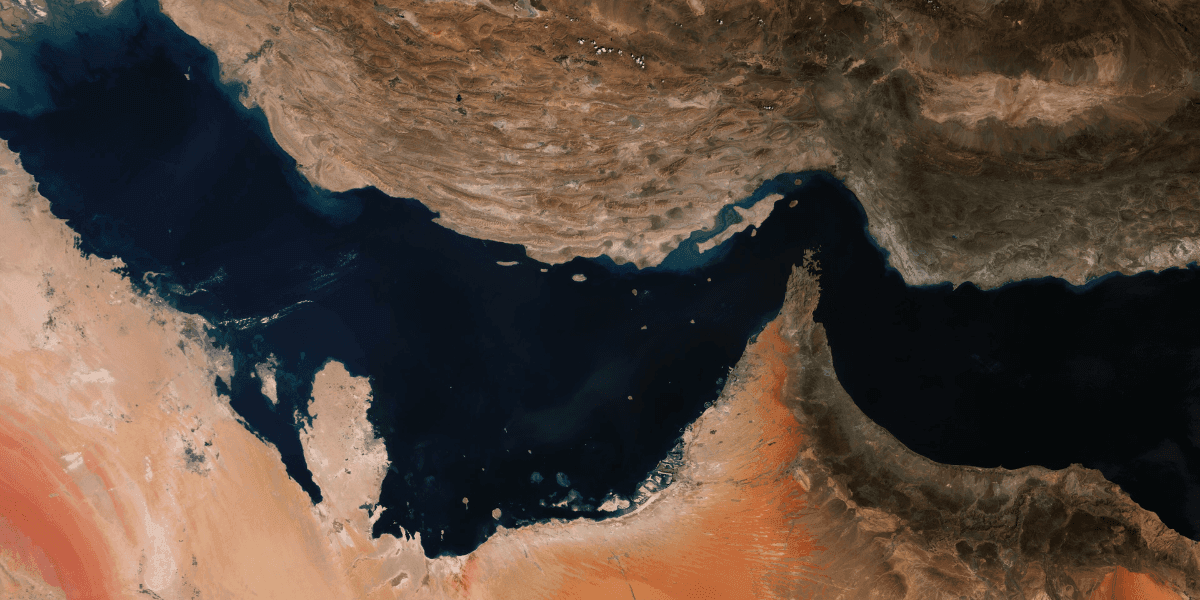
The top story of the day centers on a significant escalation in the U.S.-Iran conflict. U.S. Central Command has begun enforcing a naval blockade of Iranian ports in the Gulf and the Strait of Hormuz, aiming to constrain Tehran’s oil‑dependent economy and pressure it into broader negotiations on uranium enrichment and nuclear activity. The blockade, which applies to shipping entering and leaving Iranian coastal areas, marks a marked intensification of U.S. military strategy following collapsed peace talks earlier this month. Iran has condemned the blockade and warned it could drive up global fuel costs, further roiling markets and consumer prices.
This strategic move comes amid ongoing diplomatic efforts, including indirect discussions involving U.S. and Lebanese officials to pursue ceasefire objectives and a broader end to regional hostilities, particularly along the Israel‑Lebanon border.
Congress Confronts Leadership Vacancies and Policy Battles
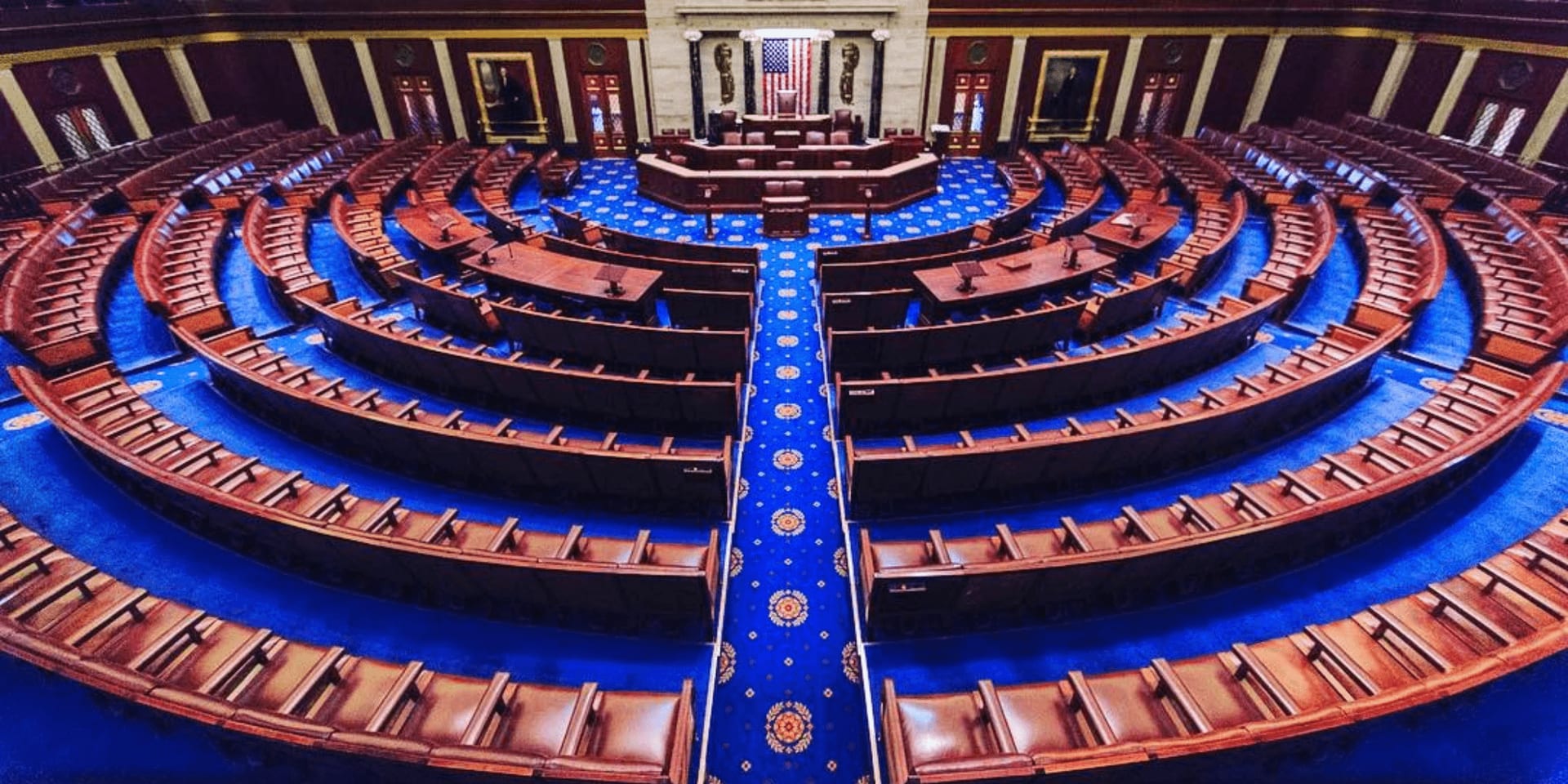
On Capitol Hill, political instability added a sharp domestic angle to Tuesday’s news. Two members of the U.S. House of Representatives, Republican Tony Gonzales and Democrat Eric Swalwell, announced their resignations amid separate personal scandals that drew intense public scrutiny. Their departures have intensified internal pressures within both major parties, complicating efforts to address urgent legislative priorities.
Congress also returned with a packed agenda that includes passing long‑overdue Department of Homeland Security (DHS) funding legislation during a historic partial government shutdown that has now stretched into its longest duration on record. Lawmakers face internal divisions over funding priorities and immigration enforcement, and a war powers resolution intended to limit presidential authority on military action is poised for debate, though it faces an uphill battle against a likely veto.

Markets Mixed as Oil Prices, Earnings and Economic Signals Shift
U.S. financial markets opened cautiously Tuesday amid mixed economic signals related to geopolitical developments. Stock futures showed modest gains as investors eyed progress, albeit tenuous, in Iran peace efforts. Crude oil prices, which had previously spiked above $100 per barrel amid fears of supply disruptions, eased somewhat in early trading, although energy markets remain highly sensitive to developments in the Gulf. Gold and Bitcoin rallied as investors sought hedges against continued uncertainty.
Major banks, including JPMorgan Chase, Citigroup and Wells Fargo, reported first‑quarter earnings that overall exceeded expectations, providing some stabilization in broader market sentiment. Meanwhile, analysts expect upcoming inflation data, including the Producer Price Index (PPI), to reflect lingering cost pressures partly driven by fuel price volatility.

Diplomatic Engagements Highlight Fragile International Alliances
Even as tensions simmer, high‑level diplomatic engagements continued to unfold. King Willem‑Alexander and Queen Máxima of the Netherlands were formally welcomed to the United States for a working visit ahead of the planned state visit by King Charles III later this month. The visits aim to affirm longstanding ties between the U.S. and European partners, underscoring efforts to balance defense cooperation with broader geopolitical diplomacy during fraught global conditions.
These state engagements occur against the backdrop of international responses to the U.S. blockade and broader Middle East conflict, with global leaders urging de‑escalation and renewed dialogue even as military pressure persists.

Cultural and Sports News: NFL Draft and Broader National Engagements
Beyond politics and conflict, attention also turned to cultural and sporting events. The 2026 NFL Draft is set to begin this week, generating excitement across the country as teams prepare to select top collegiate talent, with implications for the upcoming season and fan engagement nationwide.
While not rising to the weight of national security and political drama, this sporting milestone reflects the enduring role of American cultural institutions in providing unity and entertainment amid uncertain times.
Looking Ahead:
In the coming days, markets and policymakers will focus on oil price trends and inflation readings as the effects of the blockade evolve. Congress faces looming deadlines on DHS funding and the potential passage of war powers legislation. International diplomatic efforts, including ongoing indirect talks concerning Iran and scheduled state visits, could influence the trajectory of U.S. foreign relations. Domestically, political leadership shifts will continue to shape party dynamics and legislative priorities in the months ahead.