
Trade Breakthrough, Iran Diplomacy and Extreme Weather Shape a Busy Sunday
The United States closed the weekend with major developments in trade, foreign policy, severe weather and transportation. Washington and Beijing detailed new tariff reductions following President Donald Trump’s summit with Chinese President Xi Jinping, while U.S.-Iran diplomacy remained unsettled and powerful storms affected both the Northeast and Hawaii.
U.S. and China Agree to Tariff Cuts on $30 Billion in Goods
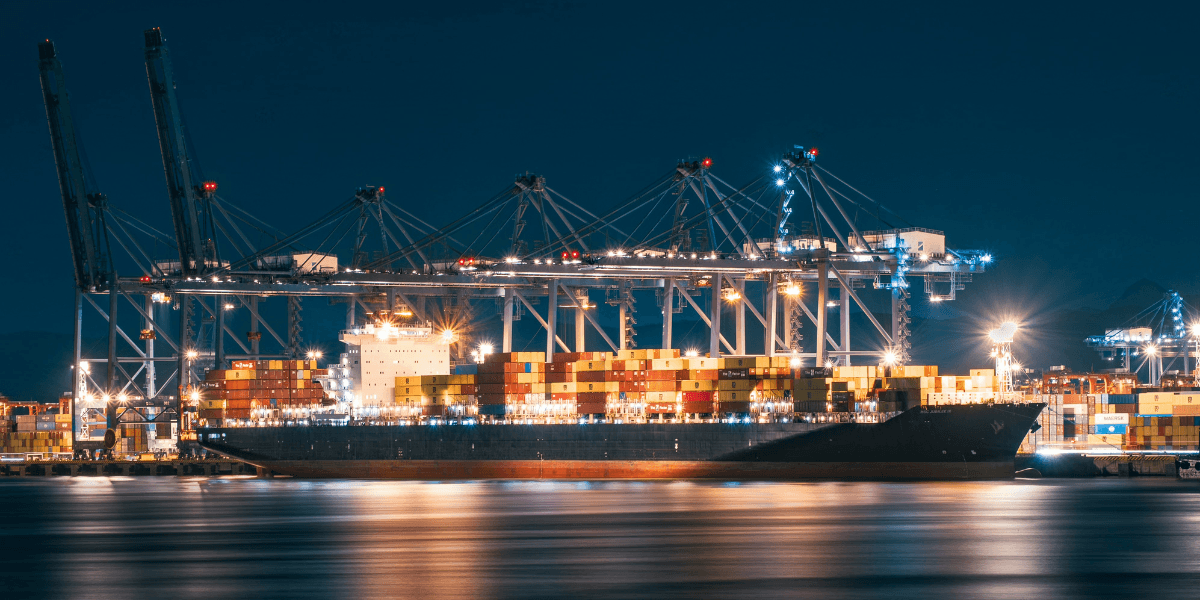
The United States and China agreed to more favorable tariff treatment covering $30 billion in non-sensitive goods in each direction, providing one of the clearest economic outcomes from Xi’s state visit to Washington. The agreement covers U.S. exports including agricultural products, seafood, wood products, cosmetics and medical devices, while American tariff reductions will apply to Chinese goods including small appliances, toys, holiday decorations and child car seats.
The two governments also extended their broader trade truce by two months and agreed to launch a dialogue on artificial intelligence. Significant disagreements remain, particularly over rare-earth minerals and other critical supply chains, but the measures represent a limited easing of trade barriers between the world’s two largest economies.
-11.png)
Trump Says Iran Negotiations Could Resume This Week
President Trump said Sunday that he expects additional negotiations with Iran during the coming week, one day after rejecting Tehran’s proposal for reopening the Strait of Hormuz and restarting nuclear negotiations. Qatari mediators have continued discussions with both sides in an effort to find terms acceptable to Washington and Tehran.
Iranian officials maintained that they favor a negotiated solution but tied reopening the Strait of Hormuz to their conditions, which have included changes to U.S. sanctions and the naval blockade. The waterway remains critical to global energy markets because a substantial share of internationally traded oil normally passes through it. The dispute therefore carries consequences well beyond the immediate military confrontation.
-10.png)
Nor’easter Continues to Batter the Northeast
A powerful nor’easter continued affecting the Northeast on Sunday, bringing heavy rainfall, coastal flooding, strong winds, travel disruptions and widespread power outages. Tens of thousands of customers remained without electricity across southern New England, while some communities recorded several inches of rain.
Air travel was also disrupted. Boston Logan International Airport reported nearly 200 cancellations Sunday morning after roughly 250 flights were canceled Saturday. Coastal communities remained vulnerable to flooding and erosion as winds continued to push water toward shore, although conditions were expected to gradually improve.
-8.png)
Hurricane Nolo Threatens Hawaii With Flooding and Dangerous Surf
Hawaii faced a separate weather threat as Hurricane Nolo passed near the islands after strengthening over the Pacific. Although the storm’s center avoided a direct strike, officials warned that heavy rain, powerful winds, flash flooding and extreme surf could still affect communities across the state.
The threat was particularly significant because parts of Hawaii were still recovering from previous storms. Officials urged residents to remain alert even as Nolo moved past the islands, underscoring the continuing risks from rainfall and surf after the hurricane’s closest approach.
-8.png)
Boeing Works to Fix 737 MAX Software Problem
Boeing is working to correct a software problem affecting automated flight guidance on its 737 MAX aircraft. The issue can arise during a specific missed-approach scenario and could require pilots to use manual control or alternative pitch-control modes. Boeing said pilots are trained to handle the situation and that it does not consider the problem a safety concern.
The Federal Aviation Administration said it is aware of the issue and is working with Boeing and airlines while reviewing whether additional action is necessary. The problem comes at a sensitive time for Boeing as the manufacturer works toward further milestones for its 737 MAX program, including the 737-10.
Looking Ahead
Attention will turn to whether U.S.-Iran mediators can restart substantive negotiations and whether the new U.S.-China tariff arrangements produce broader progress on unresolved trade issues. In Washington, the administration is also preparing to finalize significantly lower vehicle fuel-economy standards through 2031, while recovery efforts will continue in areas affected by the Northeast nor’easter and Hurricane Nolo.