
Trump Halts Russia Sanctions, Election Disputes Intensify and AI Stocks Slide as Energy Costs Pressure U.S. Households
The United States faced a consequential mix of foreign-policy decisions, election-related legal disputes and economic uncertainty Saturday as President Donald Trump suspended sweeping new sanctions against Russia, drawing objections from Ukraine and lawmakers in Washington. With the November midterm elections approaching, a federal dispute over California's voter rolls added to tensions surrounding election administration. Meanwhile, Wall Street ended the week with sharp technology-sector losses, American households continued absorbing higher energy costs linked to the Iran war, and renewed attacks on Ukrainian infrastructure raised concerns about the conflict's trajectory heading into winter.
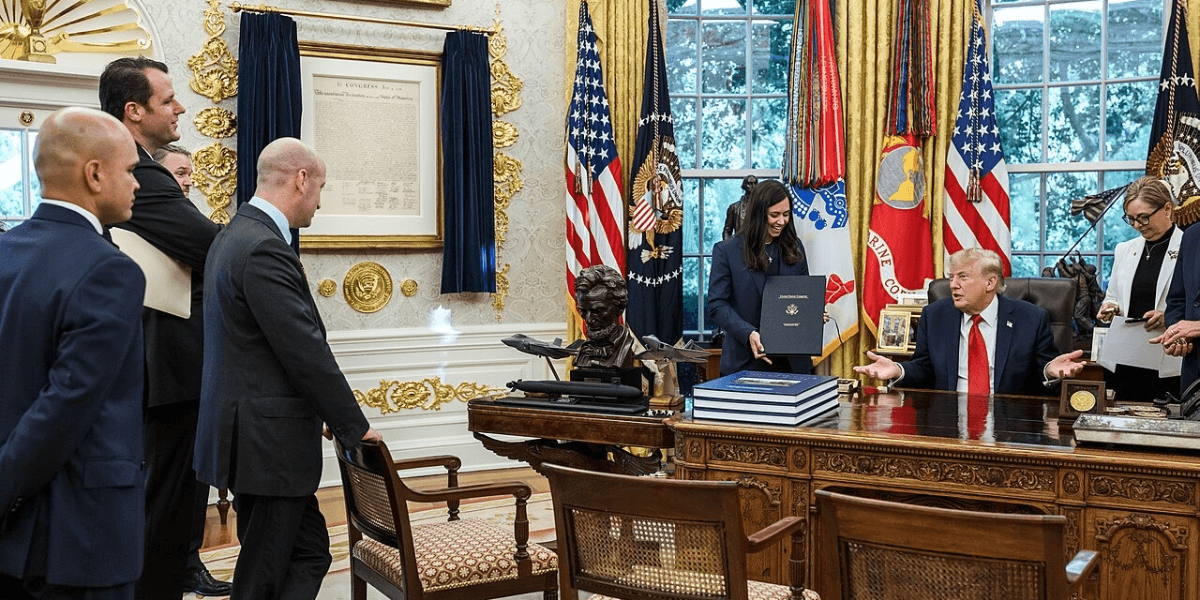
Trump Suspends Sweeping Russia Sanctions as Ukraine Warns of Escalating Attacks
President Donald Trump has waived a major package of sanctions and tariffs targeting Russia, delaying restrictions that were scheduled to take effect Monday. The decision, formalized through an executive order signed Friday, cited U.S. national interests but did not provide a detailed public explanation of the administration's reasoning. The measures were established under legislation named for the late Republican Sen. Lindsey Graham and were intended to increase economic pressure on Moscow over its continuing invasion of Ukraine. They included restrictions affecting Russian exports, political and military figures, and major purchasers of Russian energy.
The decision prompted criticism from lawmakers in both parties and Ukrainian President Volodymyr Zelenskyy, who argued that reducing economic pressure would give Moscow greater freedom to continue military operations. Republican Sens. John Cornyn and Thom Tillis publicly questioned the waiver, while Russian presidential envoy Kirill Dmitriev welcomed the prospect of improved economic cooperation. The administration's action follows an earlier decision to permit certain Russian diesel imports as Washington seeks to address elevated domestic fuel prices. The immediate question is whether Congress will challenge the waiver or whether the White House will pursue a broader diplomatic arrangement with Moscow. The dispute also raises uncertainty about how closely U.S. and European sanctions policies will remain aligned.
-23.png)
Justice Department Escalates California Election Dispute Ahead of November Midterms
The Justice Department has intensified its confrontation with California election officials over the handling of ballots allegedly associated with noncitizens, adding another legal dispute to the final weeks before the November 3 midterm elections. Federal officials warned California and Los Angeles County authorities on Friday that knowingly counting ballots cast by ineligible voters could expose election administrators to investigation or prosecution. The warning followed a federal lawsuit seeking restrictions on the counting of certain mail ballots while questions about voters' citizenship are resolved.
The administration maintains that election officials must enforce federal eligibility requirements, while California officials dispute the government's allegations and its proposed intervention in state election procedures. The central legal distinction is that the Justice Department's warning does not itself establish voter ineligibility or authorize the rejection of ballots. Courts would have to determine whether the federal government has sufficient evidence and legal grounds for the requested restrictions. With early voting underway in parts of the country, the dispute carries implications for election administration, voter confidence and the division of authority between federal and state governments. Any request for emergency judicial relief could become especially consequential as Election Day approaches.
-21.png)
Wall Street Ends Worst Week Since June as AI Investment Concerns Weigh on Technology Stocks
U.S. stocks finished Friday's trading session sharply lower, with major technology companies leading a selloff that left the S&P 500 and Nasdaq composite with their weakest weekly performances since June. The S&P 500 declined 1.1% to close at 7,659.44, while the technology-heavy Nasdaq fell 2.1% to 26,140.03. The Dow Jones Industrial Average recorded a smaller decline of 0.3%, finishing at 52,002.41. Semiconductor companies were among the hardest hit, with Micron Technology losing 5.6% and Intel falling 5.8% as investors reassessed expectations surrounding artificial intelligence infrastructure spending.
The retreat reflects growing uncertainty over whether the enormous investment commitments associated with AI development will generate sufficient near-term revenue and profits to justify elevated valuations. Semiconductor manufacturers, data center operators and technology infrastructure providers have benefited from expectations of sustained demand for computing capacity, but the scale and financing of those investments are drawing increased scrutiny. The selloff comes as inflation remains elevated and investors evaluate whether the Federal Reserve may need to maintain restrictive monetary conditions for longer than previously expected. With U.S. markets closed for the weekend, attention will shift to corporate earnings, capital spending forecasts and the reopening of trading Monday. The next round of technology company results could provide a clearer indication of whether AI-related investment is continuing at its anticipated pace.
-20.png)
Iran War Pushes Household Costs Higher as Tanker Incidents Threaten Global Oil Supplies
The economic consequences of the war involving the United States and Iran are becoming increasingly visible in household budgets, with fuel, transportation and travel expenses accounting for some of the largest increases. An analysis reported Saturday by the Associated Press estimated that the conflict has imposed an economic burden equivalent to nearly $2,000 per average U.S. household. Moody's Analytics chief economist Mark Zandi attributed approximately $1,100 of that amount to higher energy prices, $540 to increased interest-rate costs and $360 to military expenditures. These figures represent an estimate of the broader economic burden rather than a direct $2,000 increase in household bills. According to AAA, regular gasoline averaged $4.33 per gallon Friday, approximately 45% above its prewar level, while diesel averaged $6.33, an increase of about 68%. Airline fares in September were approximately 22% higher than a year earlier.
Fresh developments in the Strait of Hormuz added to concerns about global energy supplies Saturday. Iran's Revolutionary Guards said two oil tankers caught fire after striking naval mines while navigating the strategic waterway. Reuters reported the Iranian claims but noted that they had not been independently confirmed. Iranian authorities accused the vessels of attempting unauthorized passages, while U.S. Central Command maintained that American forces and regional partners were working to protect commercial shipping. The strait is one of the world's most important oil transportation routes, and continued disruptions could prolong elevated fuel prices. Higher diesel and freight costs are also placing pressure on food producers, retailers and delivery companies. Although many businesses have absorbed part of those increases, economists warn that prolonged supply disruptions could produce additional consumer price increases heading into the holiday shopping season.
-17.png)
Ukraine Faces Intensified Russian Strikes as Diplomatic Tensions Complicate Winter Preparations
Russian attacks on Ukrainian cities and infrastructure continued into Saturday, with Ukrainian officials reporting at least four deaths and dozens of injuries following overnight strikes. Among those killed was an ambulance driver, according to local authorities. The attacks come as Ukraine prepares for colder weather and renewed pressure on its electricity and heating systems. Russian forces have repeatedly targeted energy infrastructure throughout the conflict, and Ukrainian officials warn that further damage could leave communities vulnerable to prolonged outages during winter. Ukrainian drone operations also continued inside Russia, with Russian authorities reporting one death in the Belgorod region and disruptions to flights at Moscow-area airports. Claims about individual military operations remain difficult to independently verify during active fighting.
The military developments unfolded alongside widening diplomatic differences between Washington and Kyiv. President Volodymyr Zelenskyy urged international partners to maintain pressure on Moscow following the American sanctions waiver, while Ukrainian officials continued seeking additional support for energy-system protection and military defense. Zelenskyy has also expressed interest in possible diplomatic engagement involving the United States and Russia during the upcoming Group of 20 summit. No confirmed agreement for such talks has been announced. The coming weeks will test whether diplomatic efforts can produce meaningful negotiations while hostilities continue. For Ukraine, the immediate priorities remain protecting critical infrastructure, maintaining international financial and military assistance, and preventing further civilian disruption as winter approaches.
Looking Ahead
The next several days will bring renewed attention to the Trump administration's Russia policy, particularly whether lawmakers seek to challenge the sanctions waiver scheduled to affect restrictions originally due to take effect Monday, October 19. Federal courts may also face requests for urgent decisions in election-related disputes as states move closer to the November 3 midterms. Meanwhile, developments in the Strait of Hormuz will remain central to global energy markets, with shipping security, oil supply disruptions and the possibility of additional tanker incidents influencing fuel-price expectations.
Economic attention will turn to Monday's reopening of U.S. financial markets, upcoming corporate earnings and the Federal Reserve's next interest-rate decision. Federal Reserve Chair Kevin Warsh has emphasized price stability without committing publicly to a particular rate decision. Investors will be watching whether recent inflation data and technology-sector volatility change expectations for monetary policy. Internationally, Ukraine's ability to withstand additional infrastructure attacks and the possibility of new diplomatic contacts will remain important indicators of the war's direction. Together, these developments will shape the final weeks of October as the United States approaches an election increasingly influenced by questions of affordability, national security and government policy.