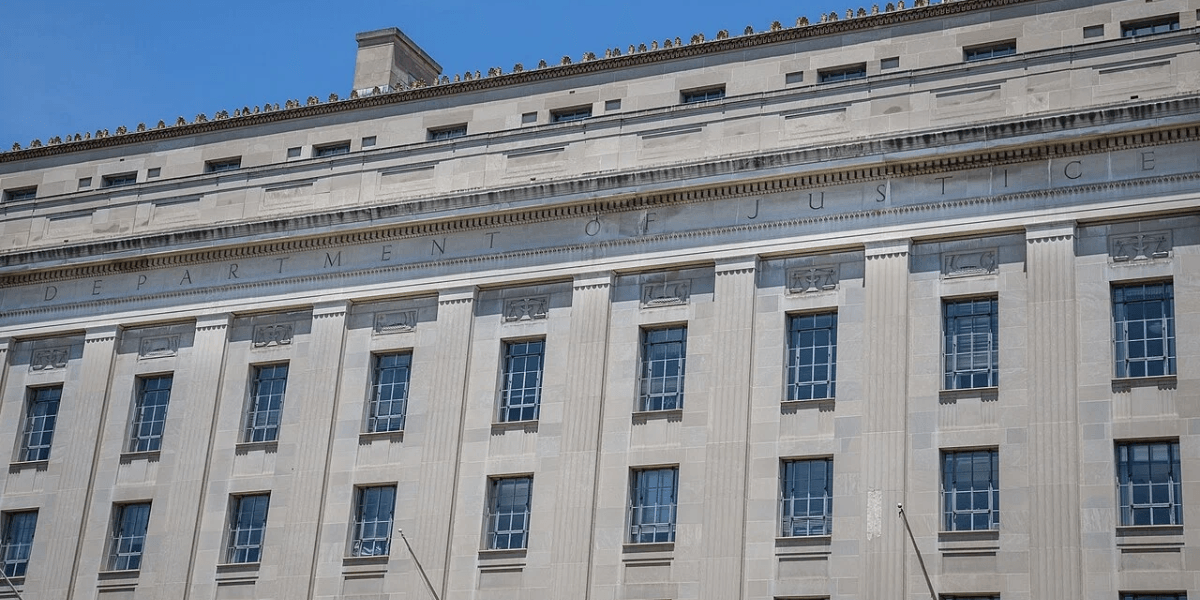
Trump Revokes AI Oversight: A Shift Towards Deregulation
On January 20, 2025, President Donald Trump issued an executive order rescinding the "Safe, Secure, and Trustworthy Development and Use of Artificial Intelligence" directive implemented by the previous administration. This action signifies a substantial policy shift toward deregulation in the rapidly evolving field of artificial intelligence (AI).
Background: The Rescinded Directive
In October 2023, former President Joe Biden signed Executive Order 14110, aiming to establish comprehensive safeguards for AI development and deployment. The directive mandated AI developers to share safety test results with the federal government and required agencies to assess potential risks associated with AI technologies. It also addressed concerns related to civil rights, labor impacts, and consumer protections, reflecting a cautious approach to AI integration in society.
The Revocation and Its Implications
President Trump's revocation of this directive underscores a pivot toward promoting AI innovation with fewer regulatory constraints. The administration argues that the previous oversight measures hindered technological advancement and imposed unnecessary government control over AI development. By eliminating these regulations, the current administration aims to foster a more conducive environment for AI research and commercialization.
Industry Reactions
The tech industry has largely welcomed the deregulation, anticipating accelerated AI development and deployment. Companies like Google have seen positive market reactions, with stock prices experiencing modest increases following the announcement. Industry leaders argue that reduced regulatory burdens will enhance the United States' competitiveness in the global AI landscape.
Concerns from Labor and Ethics Experts
Conversely, labor experts and ethicists express apprehension regarding the potential consequences of deregulation. The absence of federal oversight may lead to unchecked AI deployment, potentially compromising worker rights, job quality, and ethical standards. David Madland, a labor scholar, cautions that removing these guardrails leaves workers vulnerable to job degradation and other negative impacts from AI integration.
Future Outlook
The revocation of AI oversight marks a critical juncture in U.S. technology policy, balancing innovation with ethical considerations. As AI continues to permeate various sectors, the long-term effects of this deregulation will become increasingly evident, influencing the nation's economic landscape and societal norms.