
Cartel Kingpin’s Death Sends Shockwaves Through Mexico and U.S. Politics; Border Issues, Trade and Domestic Security in Focus
The United States watched closely as a dramatic security operation in Mexico culminated in the death of one of the country’s most powerful cartel leaders, triggering violence and international concern just months before the 2026 FIFA World Cup. The ripples of that operation extended into U.S. policy debates over border security, immigration, and bilateral cooperation. At the same time, Washington faced legislative fights over trade and homeland security funding, while high‑profile domestic incidents continued to raise questions about political violence and public safety.
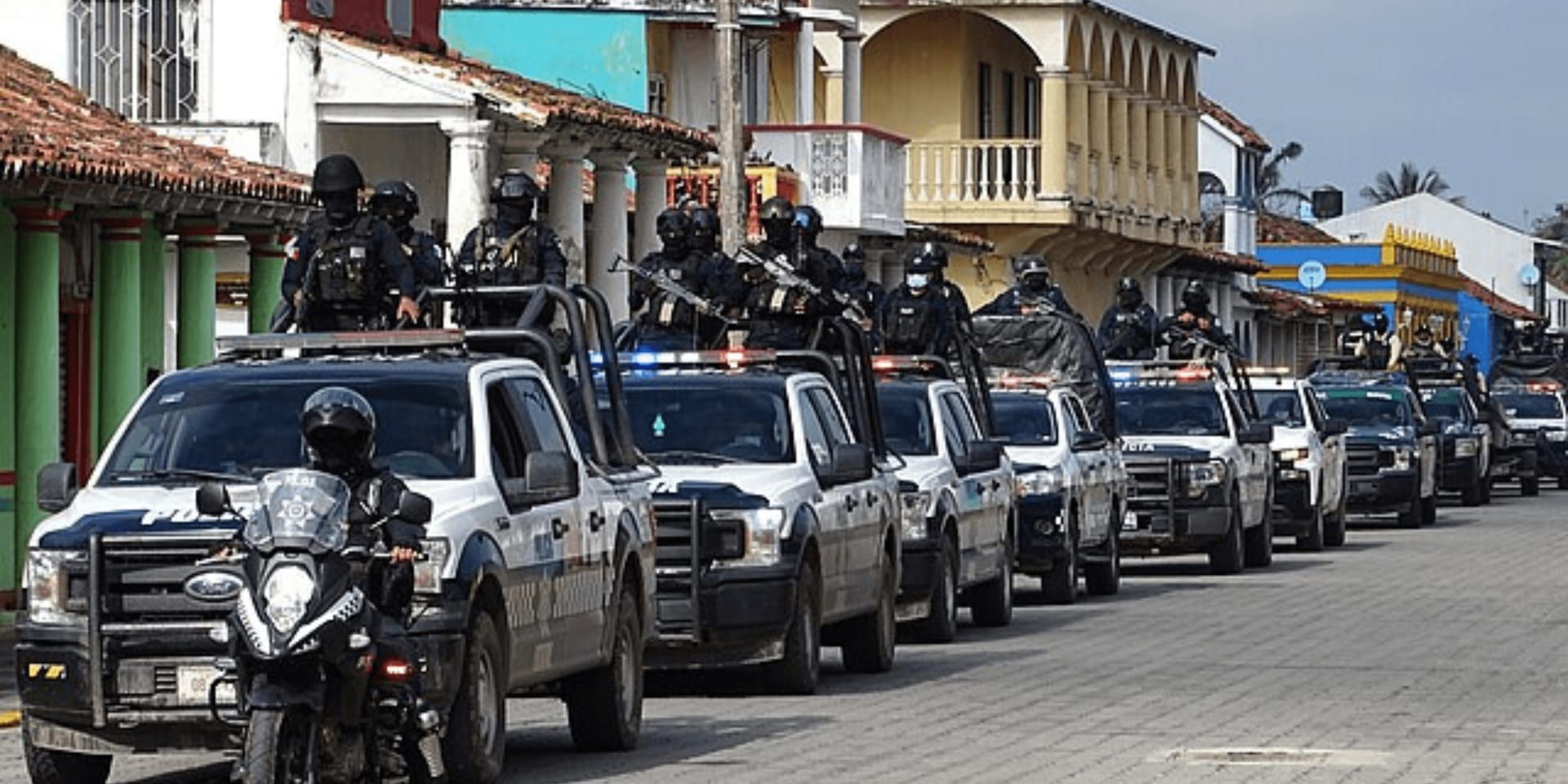
Cartel Boss ‘El Mencho’ Killed, Violence Erupts Across Mexico
Mexican security forces, with U.S. intelligence support, killed Nemesio “El Mencho” Oseguera Cervantes, leader of the Jalisco New Generation Cartel (CJNG), in a major military operation in Tapalpa, Jalisco on Sunday. The death of the notorious cartel kingpin — long sought by both Mexican and U.S. authorities — set off widespread reprisals by cartel factions, including road blockades, arson and shootouts in multiple states as authorities struggle to restore order. The U.S. Department of State issued shelter‑in‑place warnings for American citizens in several Mexican states, citing ongoing security operations and related criminal activity.
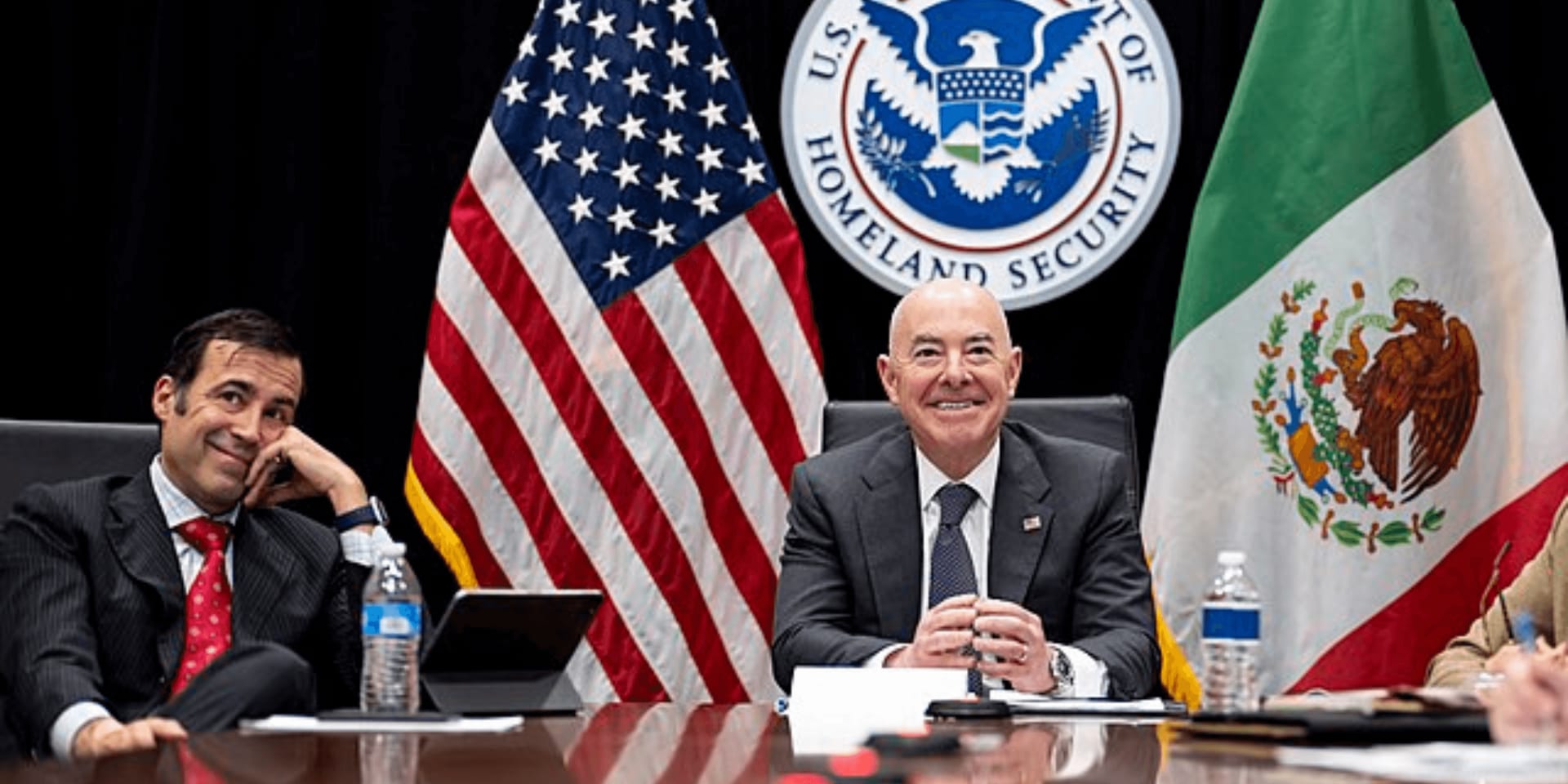
U.S.–Mexico Cooperation Under the Microscope
The killing of El Mencho underscored deepening security cooperation between the United States and Mexico, particularly through the Joint Interagency Task Force–Counter Cartel that provided critical intelligence for the operation. U.S. officials hailed the outcome as a significant blow to global drug trafficking networks, even as Mexican authorities worked to contain violence and reassure the public. The developments highlighted the challenges Washington and Mexico face in balancing hardened enforcement with efforts to reduce cross‑border drug flows and protect civilian populations.
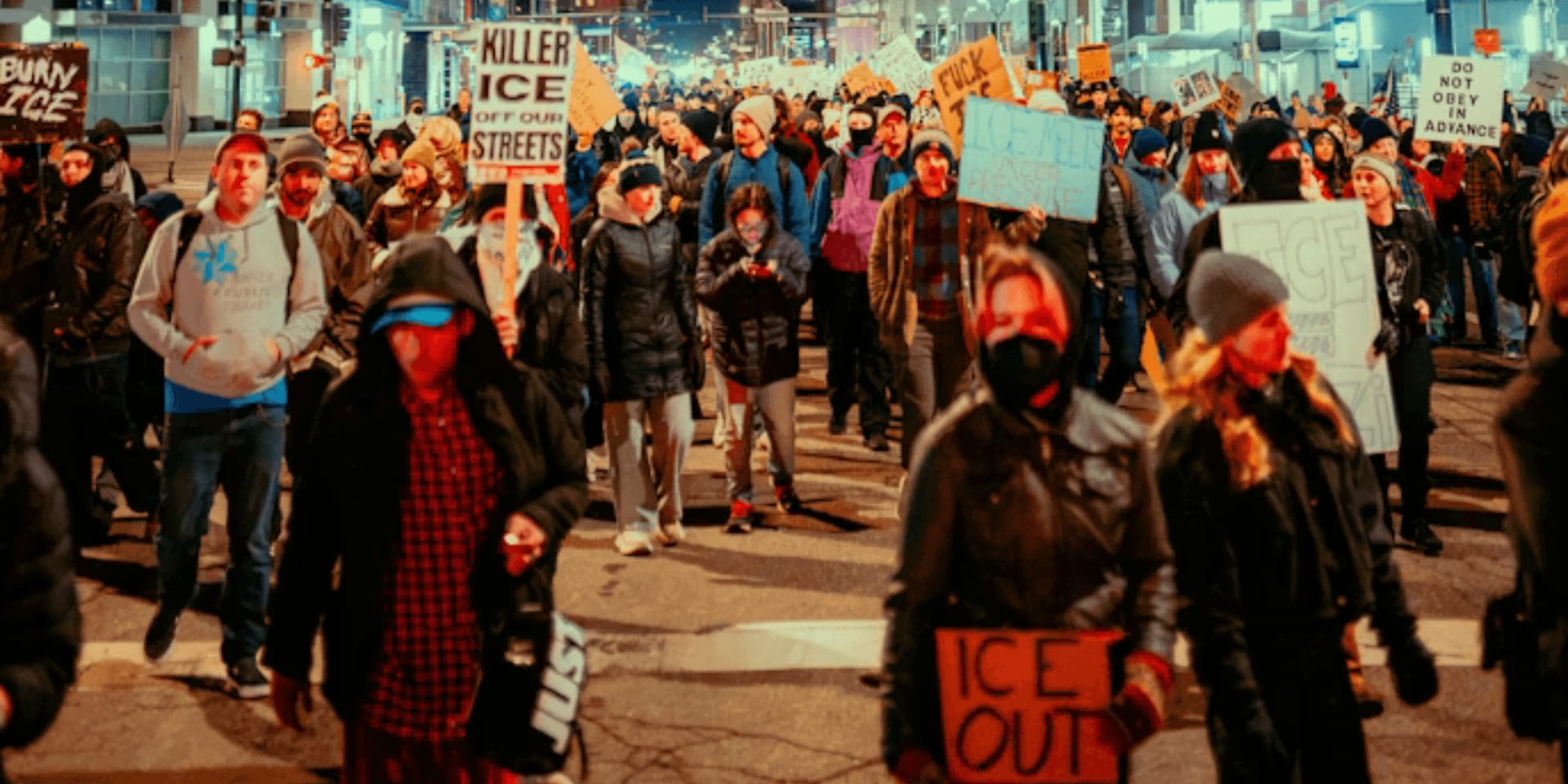
Border Policy and Humanitarian Debate Intensifies
Border issues remained a flashpoint in U.S. domestic politics, with ongoing debates over enforcement and humanitarian concerns. Recent federal data shows that migrant encounters at the U.S.–Mexico border have fallen to their lowest levels in decades, reflecting stricter policies and bilateral cooperation, even as advocates warn of humanitarian costs. Meanwhile, local protests erupted during traditional border unity events, with activists decrying proposed new physical barriers that they argue threaten ecosystems and cross‑border community ties.
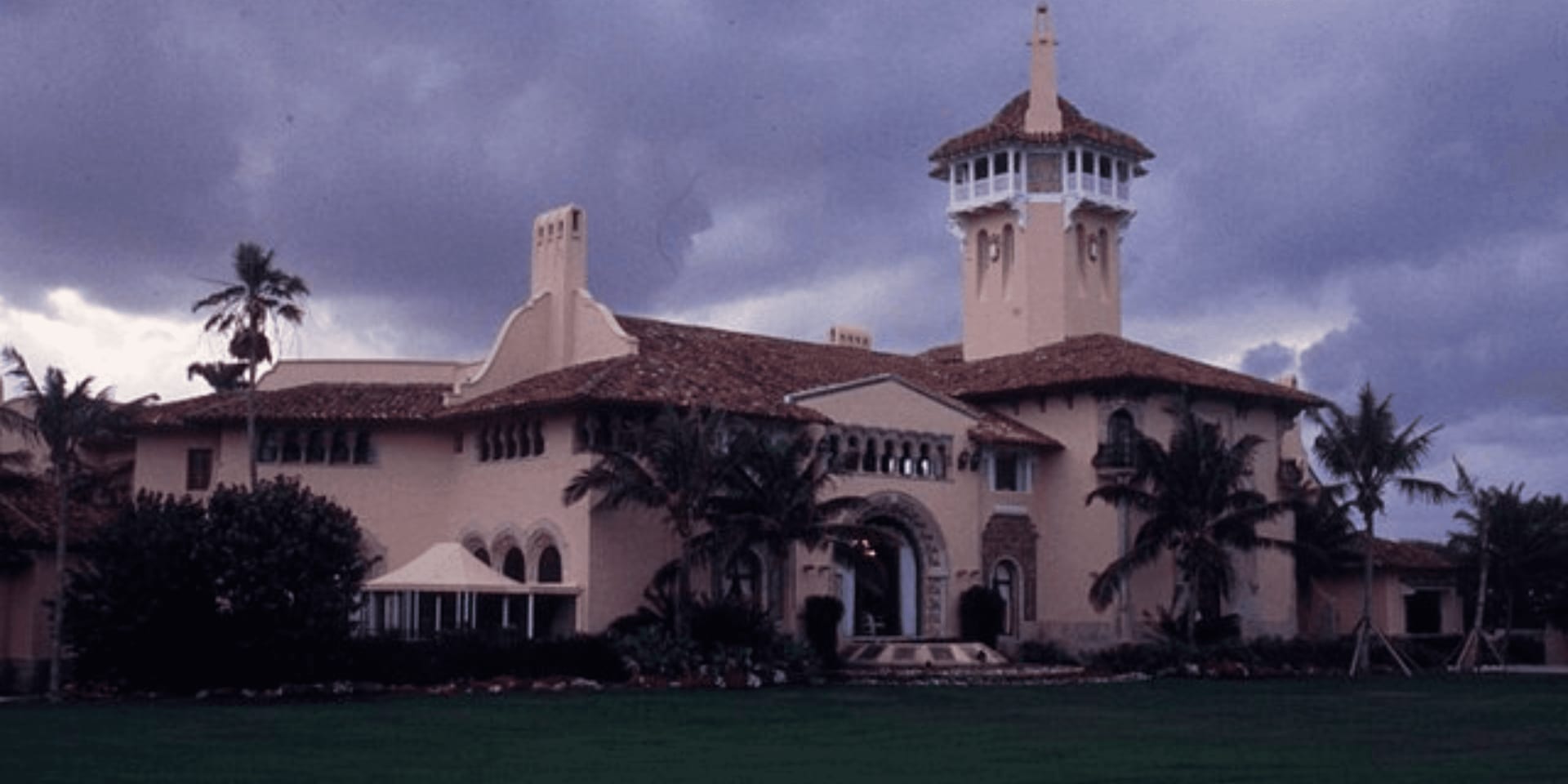
Domestic Security Flares After Mar‑a‑Lago Intrusion
In the United States, security concerns rose after an armed intruder breached the perimeter of former President Trump’s Mar‑a‑Lago estate; Secret Service agents fatally shot the suspect after he refused to disarm. While no one at the property was harmed, the incident reignited debates over threat assessment, protection of high‑profile political figures and extremist motives. Federal law enforcement agencies continue investigations into the individual’s background and potential links to wider networks of political violence.
Trade Dispute Escalation After Supreme Court Tariff Ruling
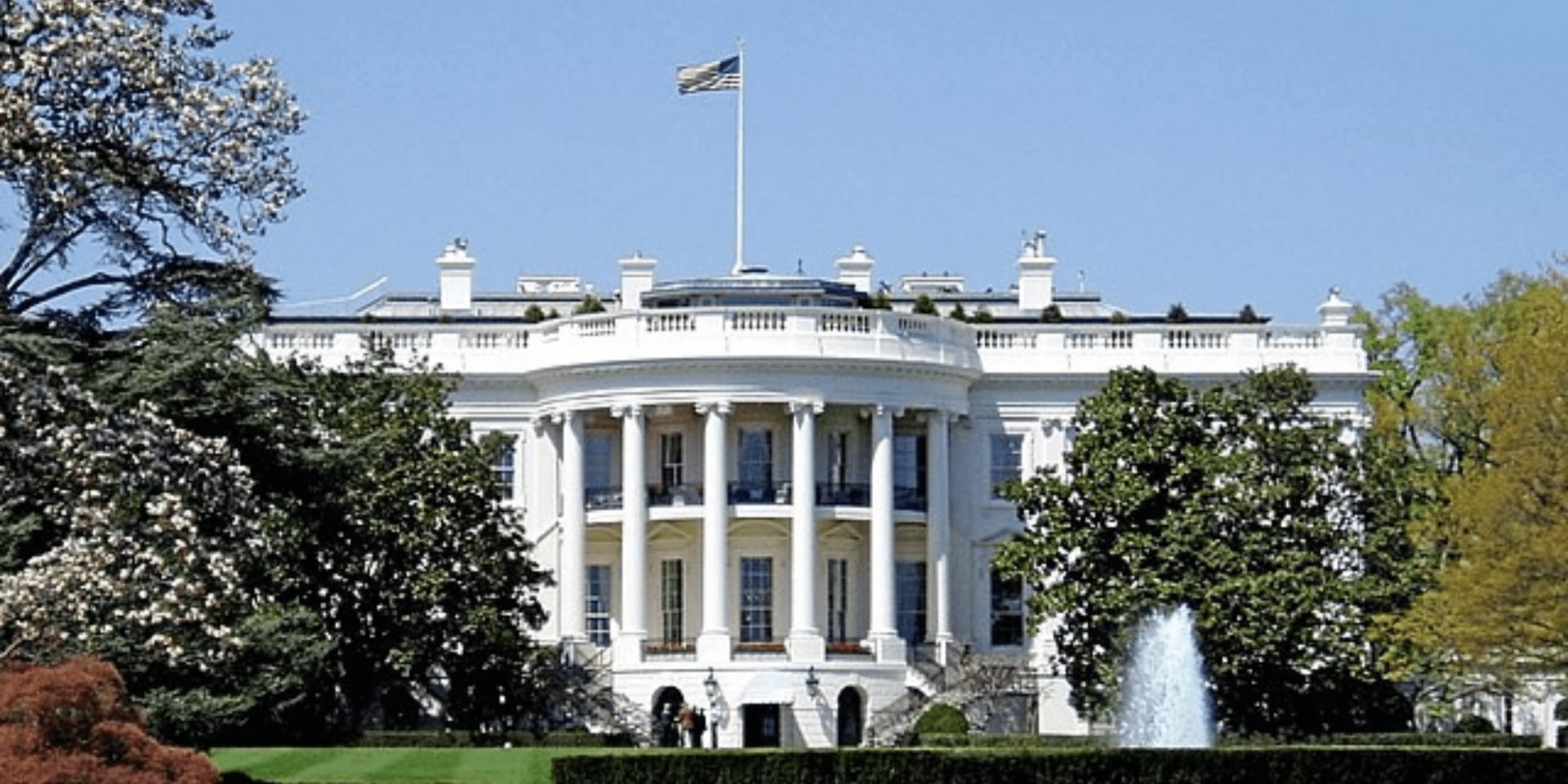
Economic policy also dominated the national agenda as the White House announced plans to impose new tariffs following a Supreme Court ruling that struck down previous emergency levies. President Trump warned trading partners of further consequences for perceived violations of U.S. trade agreements, injecting fresh uncertainty into global markets. Democrats in Congress called for refunds of invalidated tariff collections and intensified scrutiny of the administration’s trade strategy ahead of critical midterm elections.
Looking Ahead
As the week unfolds, all eyes will be on the U.S. response to evolving security dynamics in Mexico and the border region, particularly how cooperative efforts might balance enforcement with stability. In Washington, political leaders are preparing for a crucial State of the Union address that is expected to outline priorities on trade, national security and immigration. Debates over federal spending, including homeland security funding, are likely to intensify amid ongoing legislative battles. Public safety concerns sparked by the Mar‑a‑Lago intrusion will continue to shape discussions of political violence and protective protocols. Across both domestic and international fronts, policy decisions made this week could have lasting implications through the 2026 election cycle.