
U.S. Grapples With Flood Emergencies, Immigration Overhaul, Defense Spending and Economic Shifts
Americans faced a blend of urgent domestic crises, sweeping policy shifts, and high‑stakes legislative progress. Severe flooding in the Pacific Northwest prompted emergency evacuations and National Guard deployments. Meanwhile, Washington advanced a record defense policy bill, the Trump administration rolled out controversial immigration changes and new visa programs, and the Federal Reserve signaled continued economic support with a rate cut. These developments — spanning climate impacts, national security, immigration, and markets — underscored a pivotal moment for U.S. public policy as the year draws to a close.
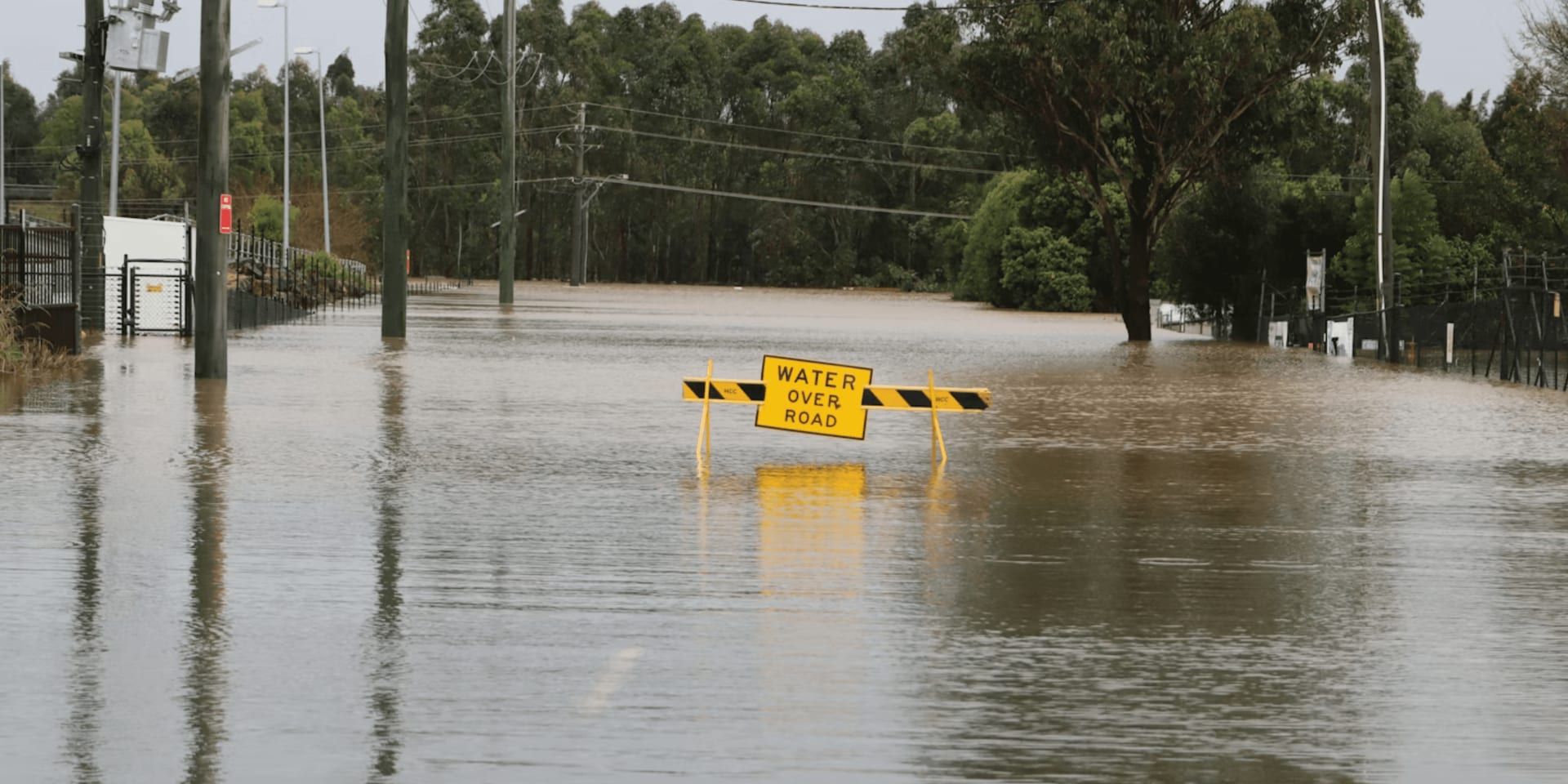
Historic Flooding in the Pacific Northwest Forces Emergency Responses
Record‑breaking atmospheric river storms have unleashed torrential rain across the Pacific Northwest, particularly in Washington state, triggering flooding, mudslides and widespread evacuations. Rivers including the Snohomish and Skagit have surged to major flood stage, prompting emergency declarations from Governor Bob Ferguson and deployment of National Guard units to assist with water rescues and evacuations as tens of thousands of residents are urged to leave at‑risk areas. Highways, including Interstate 90, have been closed due to submerged roads and landslides, with transportation disruptions compounding the peril for communities from western Washington through Oregon. The extreme weather — driven by a powerful moisture influx from the Pacific — has been linked to atmospheric river conditions that forecasters say may persist through the week, heightening flood risks in urban and rural areas alike.

House Advances Record $901 Billion Defense Policy Bill
The U.S. House of Representatives passed a landmark National Defense Authorization Act (NDAA) authorizing approximately $901 billion in military spending for fiscal 2026, surpassing the administration’s own request. The sprawling legislation — approved with strong bipartisan support — includes a 3.8 % pay raise for service members, improvements to base housing, and reforms aimed at Pentagon weapons procurement. The bill also reinforces strategic commitments to NATO allies and pledges $400 million annually to support Ukraine over the next two years. Controversial provisions include cuts to climate‑related defense initiatives and the removal of diversity, equity and inclusion programs, and the bill now moves to the Senate for expected final passage.

Immigration Policies Reshape Entry, Residency Rules
December 2025 has seen some of the most sweeping immigration policy changes in years, with the Trump administration officially launching a $1 million “Gold Card” visa program intended to attract wealthy investors and top global talent in exchange for lawful permanent residency and eventual citizenship. This initiative replaces older investment‑based pathways and is part of a broader overhaul that includes enhanced social media vetting for visa applicants and new biometric requirements at U.S. ports of entry. Simultaneously, sweeping freezes and suspensions on asylum processing and immigration benefits from dozens of countries have disrupted applications for millions of immigrants, underscoring a significant shift in immigration enforcement and legal immigration flows.
Federal Reserve Cuts Interest Rates Amid Economic Uncertainty
In a widely anticipated move, the Federal Reserve cut its benchmark interest rate by 0.25 percentage points to support a cooling labor market and bolster economic momentum heading into 2026. This marked the third consecutive cut by the central bank this year, reflecting mounting concerns about inflation pressures and slowing job growth. Market indices responded positively on December 11, with major stock benchmarks rallying on the news. However, internal Fed divisions over the future trajectory of rates highlight ongoing tensions between sustaining employment and containing inflation, even as the broader economy shows mixed signals.
Economic and Cultural Landscape: AI Recognition and Mortgage Impacts
Beyond policy and weather, cultural and economic narratives also made headlines. TIME magazine named the “Architects of AI” as its 2025 Person of the Year, spotlighting the profound influence of artificial intelligence on business, society and global competitiveness — alongside concerns about ethical risks and socio‑economic disruption. In housing markets, average mortgage rates held steady despite the Fed’s rate cut, with 30‑year fixed rates remaining elevated compared to earlier in the year, underlining persistent borrowing costs for homebuyers even as monetary policy eases.
Looking Ahead
As 2025 nears its end, the U.S. faces a mix of immediate emergencies and long‑term policy reckonings. Flood responses and climate resilience efforts will remain urgent in the Pacific Northwest, while the Senate’s action on the NDAA and execution of sweeping immigration reforms will shape national security and demographic trends. Economic watchers will monitor further Federal Reserve decisions and market reactions, and debates over AI governance and technological impacts are likely to intensify in 2026. Americans may soon confront the ramifications of these decisions as they carry forward into a new year of political, social and economic challenges.