
U.S. Faces Political Turmoil and Economic Turbulence Amid Nationwide Protests and Global Tensions
The United States experienced a day marked by deep political divisions, market instability, and spirited civic engagement. A controversial foreign policy thrust by the White House dominated headlines and rattled financial markets, while grassroots movements mobilized widespread demonstrations across the nation. Against this backdrop, the U.S. government advanced diplomatic roles in international events and braced for key legislative and judicial developments.
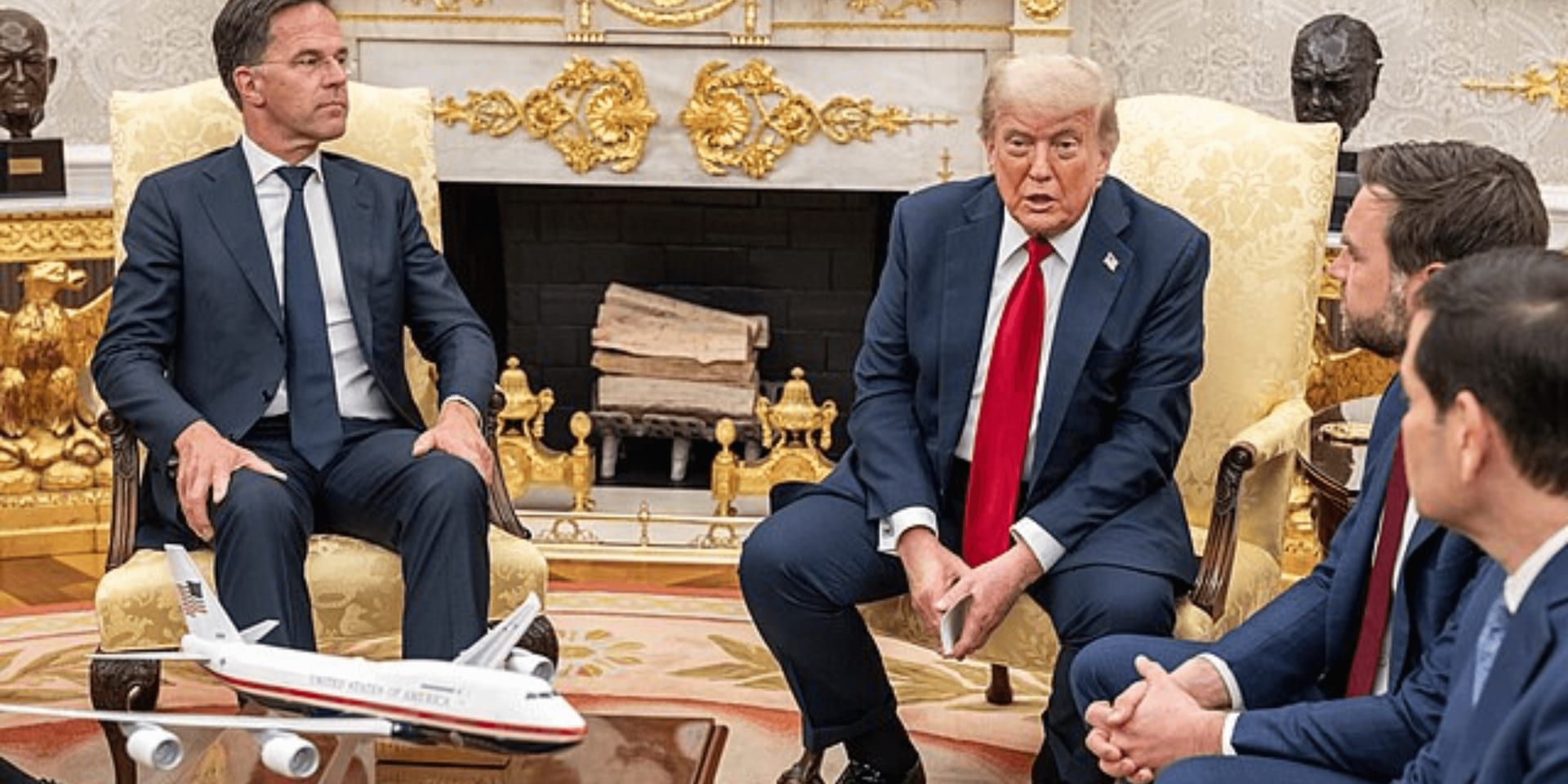
Trump’s Greenland Gambit Sparks Diplomatic Backlash and Market Volatility
President Donald Trump’s aggressive push to assert U.S. control over Greenland escalated sharply this week, drawing ire from American allies and exacerbating diplomatic strain in Europe. Trump has threatened new tariffs of up to 25% on imports from countries opposing U.S. claims to the Arctic territory, including key NATO members—a move that has unsettled markets and drawn criticism from European leaders who affirm Greenland’s autonomous status under Denmark.
The economic fallout was swift. On Wall Street, major indices such as the S&P 500, Nasdaq, and Dow Jones fell sharply on January 20 as investors reacted to the looming tariff threats and geopolitical uncertainty. Technology and industrial stocks bore the brunt of the sell‑off, while safe‑haven assets like gold rose significantly. The Cboe Volatility Index surged, underscoring heightened risk sentiment among traders worldwide.
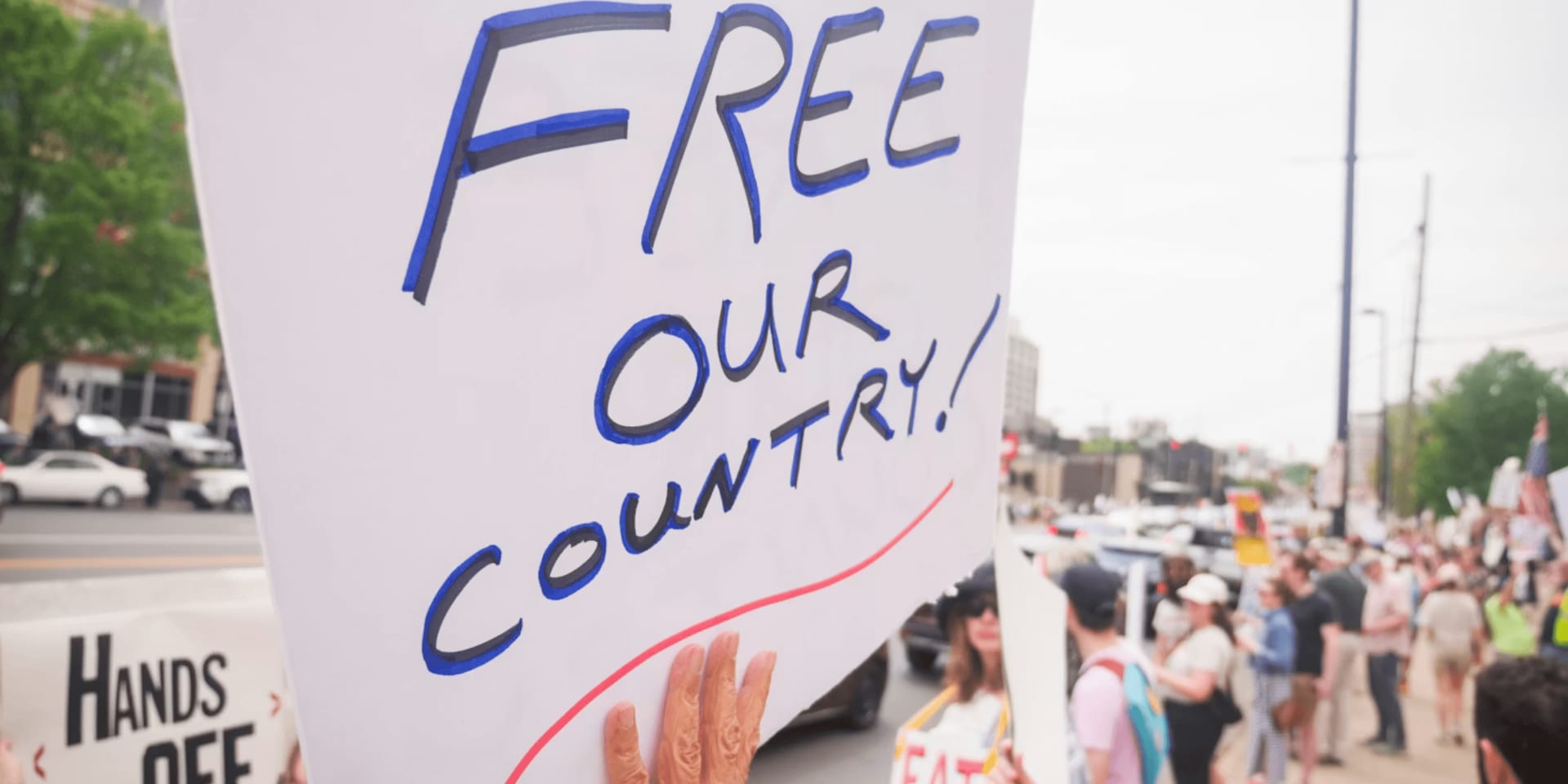
Nationwide “Free America Walkout” Protests Highlight Domestic Discontent
Across the United States, grassroots organizers coordinated the “Free America Walkout,” urging citizens to walk out of work, school, and commerce at 2 p.m. local time to protest what organizers describe as authoritarian drift in national policies. The action, led by groups including the Women’s March and supported by various social justice coalitions, called for demonstrations in all 50 states. Participants cited concerns over immigration enforcement, democratic norms, and other federal policies as motivating drivers for the walkout. In cities like San Antonio, activists mobilized at central civic sites to voice opposition to current administration strategies, particularly focused on immigration enforcement and civil liberties. The protests represent one of the largest coordinated civic actions in recent U.S. history, reflecting deep polarization in public sentiment.
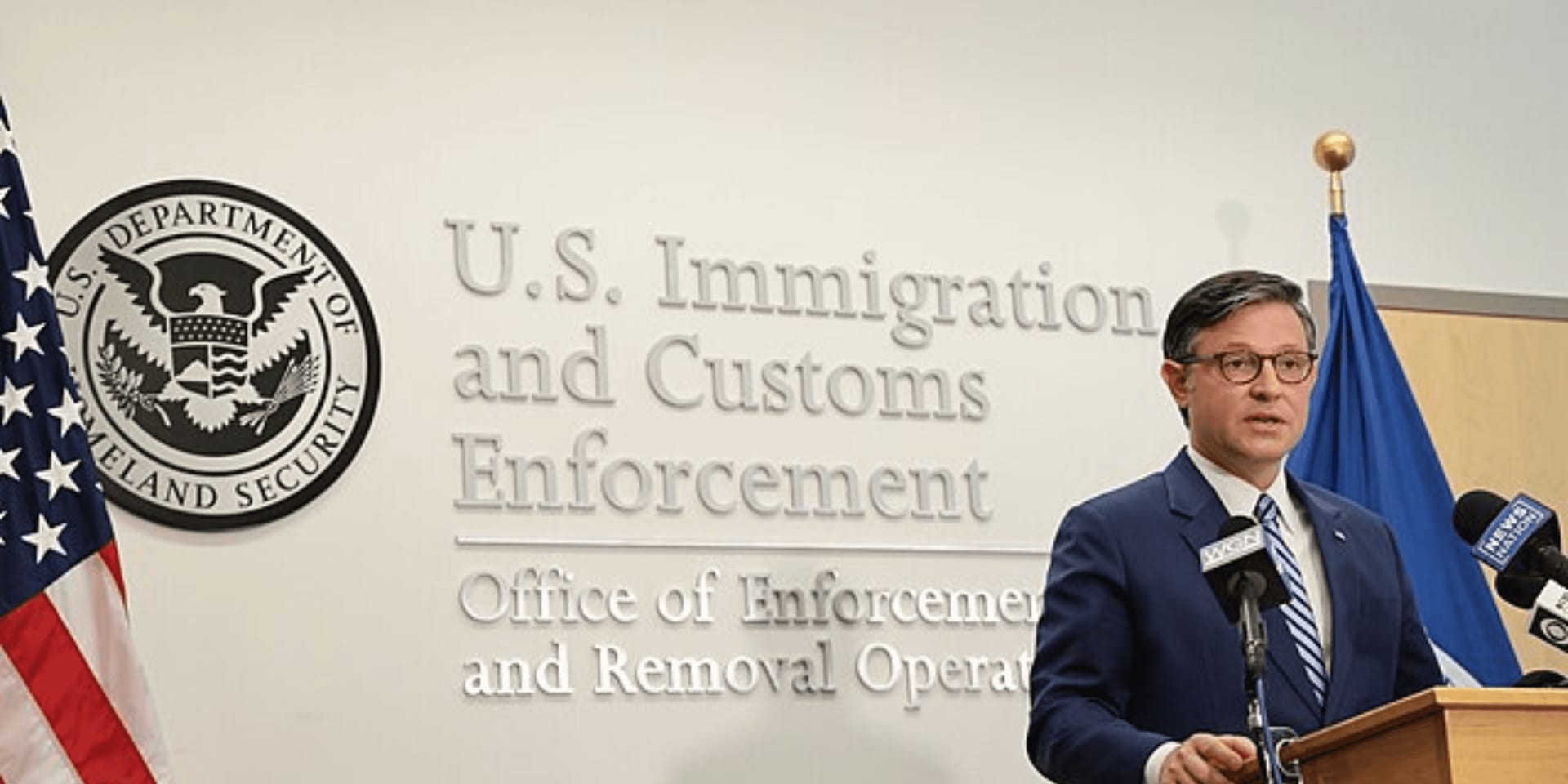
House Speaker Johnson Seeks to Mend Ties with European Parliament
In a parallel diplomatic effort, House Speaker Mike Johnson delivered a historic address to the British Parliament, aiming to “calm the waters” amid rising tensions with European allies. His remarks came as Trump’s rhetoric about Greenland and international trade policies drew rebukes from leaders in the United Kingdom and across the European Union. Johnson’s speech underscored a desire among some U.S. officials to preserve longstanding transatlantic partnerships despite strains caused by executive actions. Johnson’s outreach is part of broader efforts within Washington to stabilise foreign relations even as other branches of government grapple with contentious policy debates at home and abroad.
U.S. Olympic Delegation Unveiled Amid Global Cultural Moments
On the cultural front, the White House confirmed that Vice President JD Vance will lead the U.S. delegation to the 2026 Winter Olympics opening ceremony in Milan‑Cortina, Italy, on February 6. Secretary of State Marco Rubio and other dignitaries will accompany him, underscoring America’s continued engagement in global sporting diplomacy. President Trump, who has chosen not to attend the ceremonies, instead focused domestically this weekend on other events. This announcement arrives just days before Super Bowl festivities and reflects the complex balancing of international cultural representation with domestic political priorities.
Judicial and Legislative Arenas Poised for Major Decisions
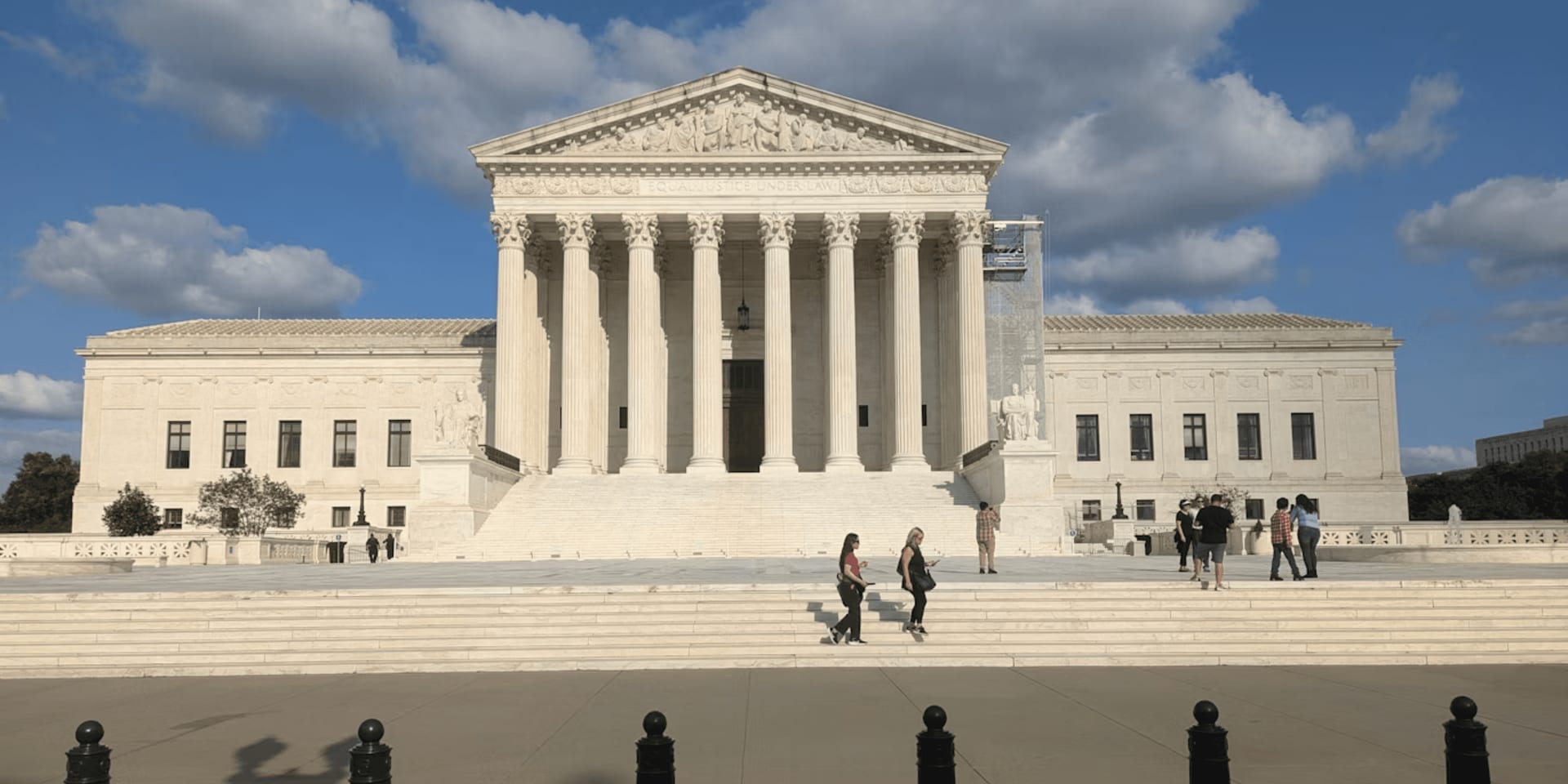
Meanwhile, the U.S. Supreme Court released a batch of decisions on January 20 but notably did not rule on legal challenges regarding the president’s tariff authority under the International Emergency Economic Powers Act. The timing suggests further high‑stakes litigation is imminent, with potential implications for executive power over trade policy. On Capitol Hill, lawmakers are also gearing up for midterm election campaigns, with high‑profile Senate bids underway and intraparty dynamics shaping legislative agendas. Such developments signal a politically charged year ahead as the nation approaches November votes.
Looking Ahead
As the country navigates deepening political polarization and economic uncertainty, eyes will remain fixed on developments in Europe over Greenland, potential Supreme Court rulings on executive authority, and the broader economic trajectory influenced by trade policy and market reactions. Domestically, continued civic activism and upcoming legislative contests promise to shape the national discourse, while events like the Winter Olympics offer moments of international engagement and cultural unity.