
U.S. Grapples With Global Fallout and Domestic Policy Shifts
The United States finds itself navigating a turbulent mix of international military drama, domestic economic policy decisions, and ongoing political and cultural developments. Today’s top stories include intensified debate over U.S. intervention in Venezuela following a controversial military operation, modest wage adjustments for federal workers beginning this year, and stock market movements following global geopolitical shifts. As the nation balances foreign policy fallout with everyday economic concerns, Americans are watching closely how Washington responds to both.

“Operation Absolute Resolve”: U.S. Military Action in Venezuela Sparks Global Backlash
The dominant national and international story continues to be the aftermath of “Operation Absolute Resolve,” the U.S. military operation earlier this week that led to the capture of Venezuelan President Nicolás Maduro and his wife. Maduro was transported to New York to face U.S. federal drug and narco‑terrorism charges, entering a Manhattan courtroom where he pleaded not guilty. The raid, executed by U.S. special forces, resulted in significant casualties among Venezuelan and allied Cuban security personnel, and several civilians, fueling global controversy about the legality and implications of American force overseas. Spain, Germany, and other international actors have questioned Washington’s justification and adherence to international law, underscoring rising tensions with U.S. allies over the unprecedented intervention.
Domestically, the Trump administration has defended the action as part of its broader policy to combat drug trafficking and restore stability to Venezuela, highlighting anticipated economic benefits from controlling and marketing Venezuelan oil. Critics, however, warn that this gambit risks entangling the U.S. in extended foreign commitments, potentially reminiscent of past interventions.

Federal Workforce Sees Modest Wage Adjustments in 2026
On the domestic economic front, the federal government finalized a modest 1% across‑the‑board pay raise for most civilian federal employees for 2026, the smallest increase in years and significantly below typical annual adjustments. The White House issued an executive order late last year, and the increase took effect with the first full pay period of January. Locality pay remains frozen at 2025 levels, meaning workers in high‑cost areas may feel minimal real‑world benefit from the raise.
Law enforcement personnel within the federal workforce may be eligible for a larger 3.8% raise tied to military pay increases, a special adjustment intended to aid recruitment and retention in critical roles, although specifics are still being determined by the Office of Personnel Management.

Markets and Economic Indicators Reflect Geopolitical Uncertainty
U.S. financial markets opened with mixed signals today as investors attempted to digest the broader geopolitical implications of the Venezuela operation. Stock futures were mostly steady, with modest gains in industrial sectors counterbalanced by slight declines in technology indexes. Commodities such as gold and Bitcoin saw downward movement amid geopolitical risk fluctuations. Ongoing announcements from the Trump administration regarding control over Venezuelan oil resources have pushed energy stocks higher, though questions remain about the feasibility of rehabilitating the country’s deeply deteriorated oil infrastructure. Additionally, U.S. private sector job growth data showed a slowdown, with 41,000 jobs added in December, below forecasted expectations—data that will loom large in the Federal Reserve’s future policy discussions.
Economists caution that while headline market indexes remain near record levels, continued political instability abroad combined with tepid domestic demand could create downward pressure on broader economic growth in early 2026.
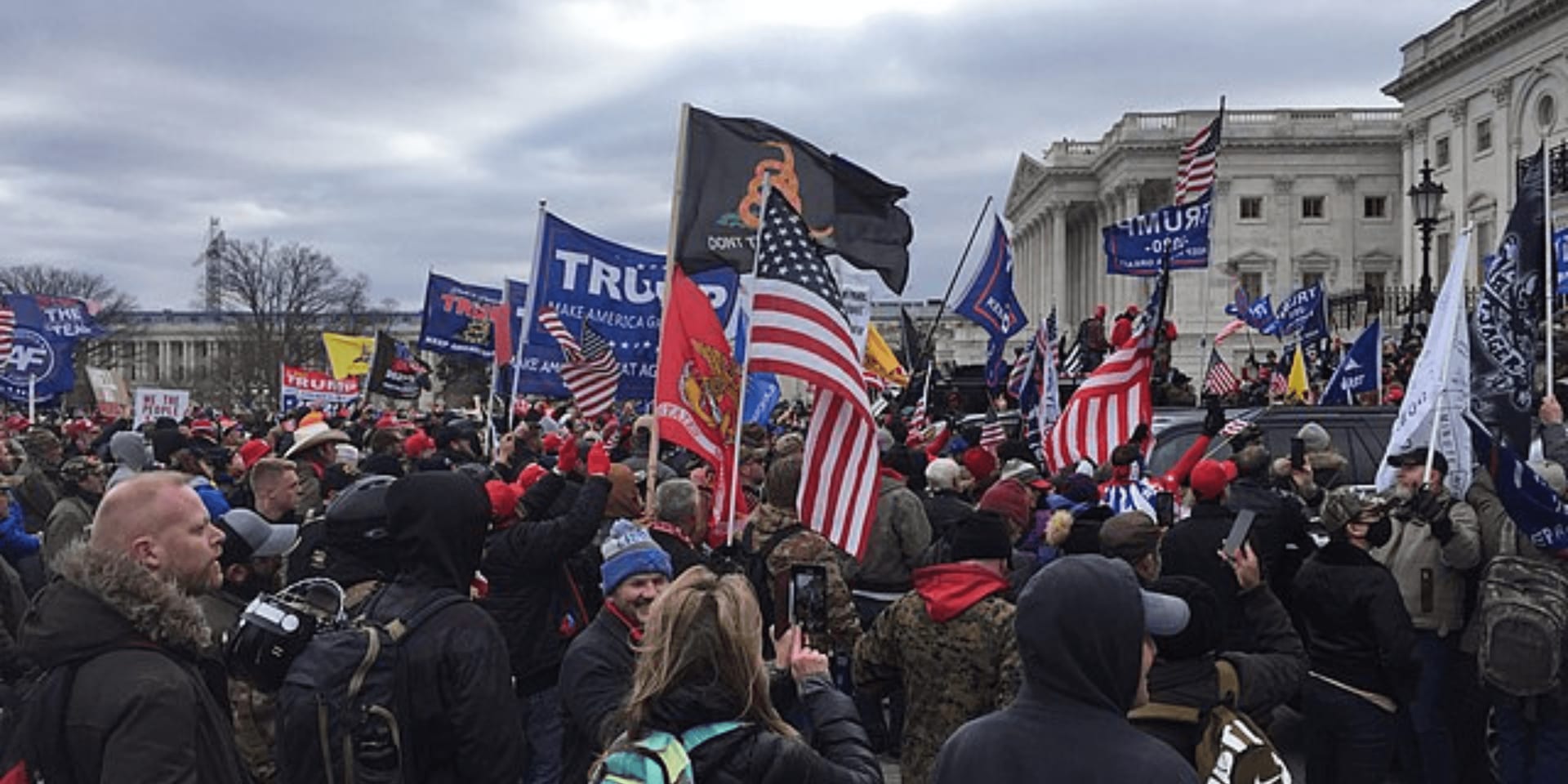
Capitol Insurrection Anniversary and Congressional Quiet
The fifth anniversary of the January 6 Capitol attack, a date that underscored deep partisan fractures in Washington. Congressional Republicans have largely remained silent in official response, while Democrats seized the moment to criticize the current administration’s actions, both foreign and domestic. Analysis suggests this silence reflects broader GOP strategic choices as midterm campaign season draws closer, though it has drawn sharp rebuke from some political commentators who interpret it as avoidance rather than engagement with historical reckoning. These tensions are unfolding against the backdrop of a closely divided House, with narrow Republican majorities shaping legislative priorities and complicating efforts to pass broad bipartisan initiatives.
Looking Ahead
In the coming days, all eyes will remain on the Venezuelan crisis, as the legal battle of Nicolás Maduro unfolds in U.S. courts and global diplomatic repercussions continue to emerge. Economic data releases—chiefly labor figures and inflation indicators—will shape expectations for Federal Reserve policy later this month. On the domestic political front, lawmakers face pressure to articulate clearer positions on both foreign interventions and federal workforce compensation. Continued uncertainties in global markets and geopolitical alignments are likely to keep both policymakers and citizens deeply engaged as January 2026 progresses.