Oil, Inflation and the Midterms: Washington Confronts a High-Stakes End to August
The final Friday of August brought together several of the pressures shaping American politics heading into the midterm elections: a prolonged war with Iran, persistent inflation, an escalating fight over voting rules, and mounting concern over energy costs. President Donald Trump announced a sweeping oil agreement with Venezuela, while Federal Reserve Chair Kevin Warsh signaled that the central bank remains prepared to act against inflation even as higher interest rates threaten to weigh on markets and consumers.
Trump Announces Sweeping U.S.-Venezuela Oil Agreement
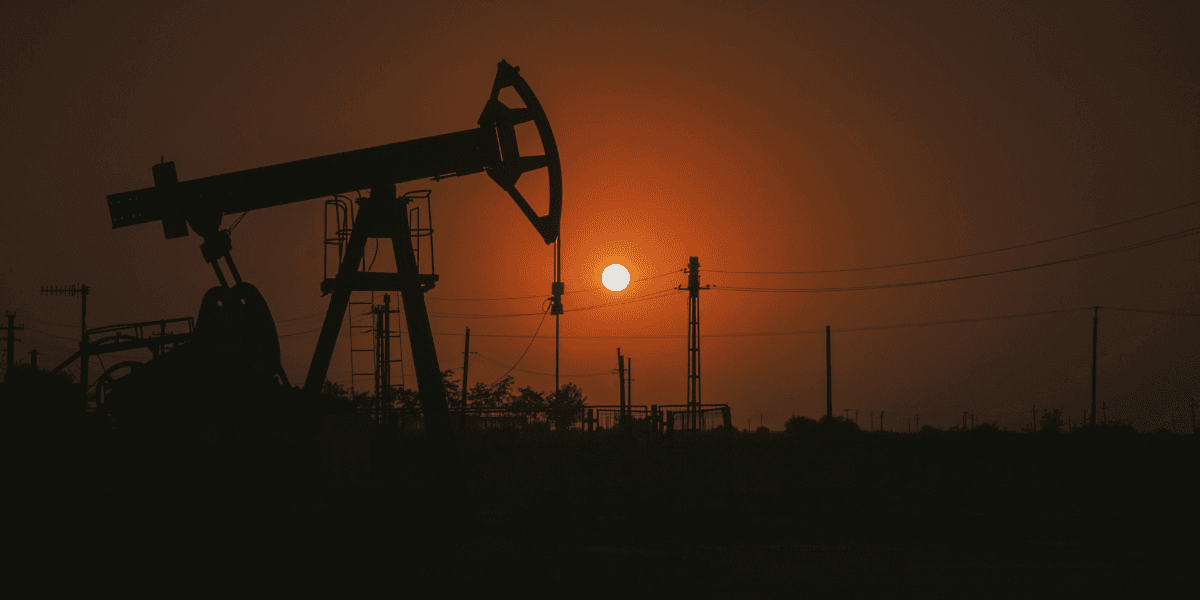
President Trump announced Friday that the United States had reached an agreement with Venezuela that he said would give the U.S. control over 65 billion barrels of Venezuelan oil reserves. The agreement was negotiated by Secretary of State Marco Rubio, Defense Secretary Pete Hegseth and Venezuela's acting President Delcy Rodríguez, according to Trump.
The Associated Press reported that the arrangement calls for a new private company jointly controlled by the United States and an operator that had not yet been publicly identified, with the U.S. holding a 55% operational share. Developing the fields would require enormous investment and could take years, making any near-term effect on American gasoline prices uncertain. The announcement nevertheless carries major geopolitical significance, tying U.S. energy strategy more closely to Venezuela at a moment when the Iran conflict has disrupted global oil supplies.

Photo Credit: United States Department of Defense/Wikimedia
Iran War Reaches Six Months With No Clear End
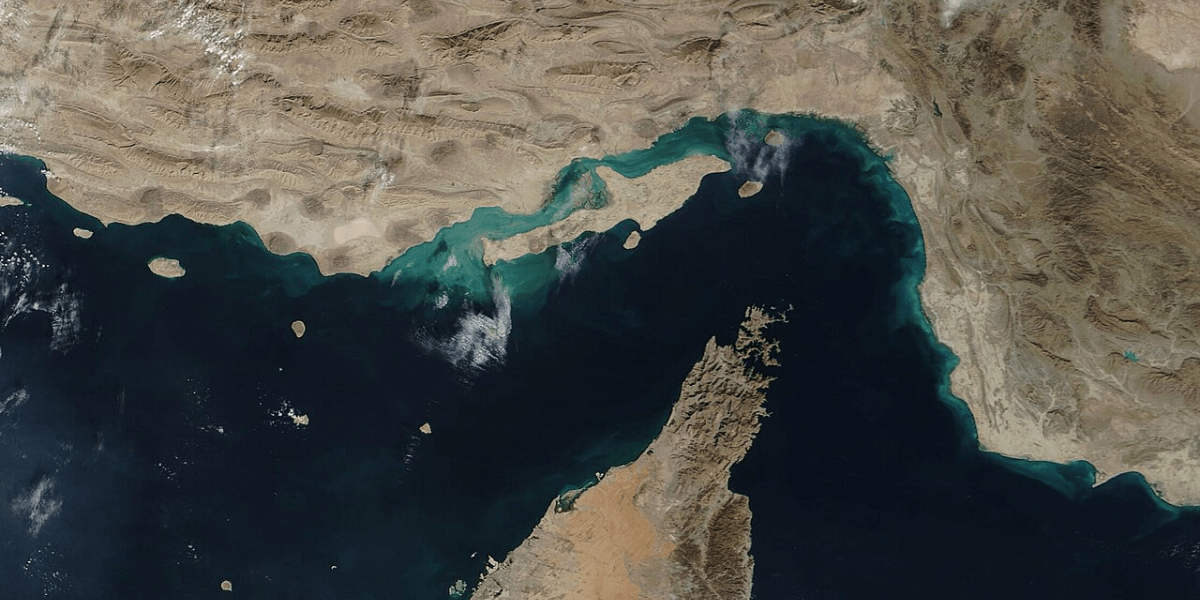
Friday marked six months since the United States and Israel launched their war against Iran on February 28. Despite extensive military operations and economic pressure, Iran's government remains in power, while the Strait of Hormuz remains severely disrupted and diplomatic efforts have yet to produce an end to the conflict.
The economic consequences continue to reach American households. Before the war, roughly one-fifth of global petroleum supplies moved through Hormuz, and disruptions have helped keep energy prices elevated. The conflict has also placed additional demands on U.S. military resources and become an increasingly contentious domestic political issue. Iran's foreign minister said Friday that diplomacy remained possible if Washington changed its approach, but there was no immediate indication of a breakthrough.
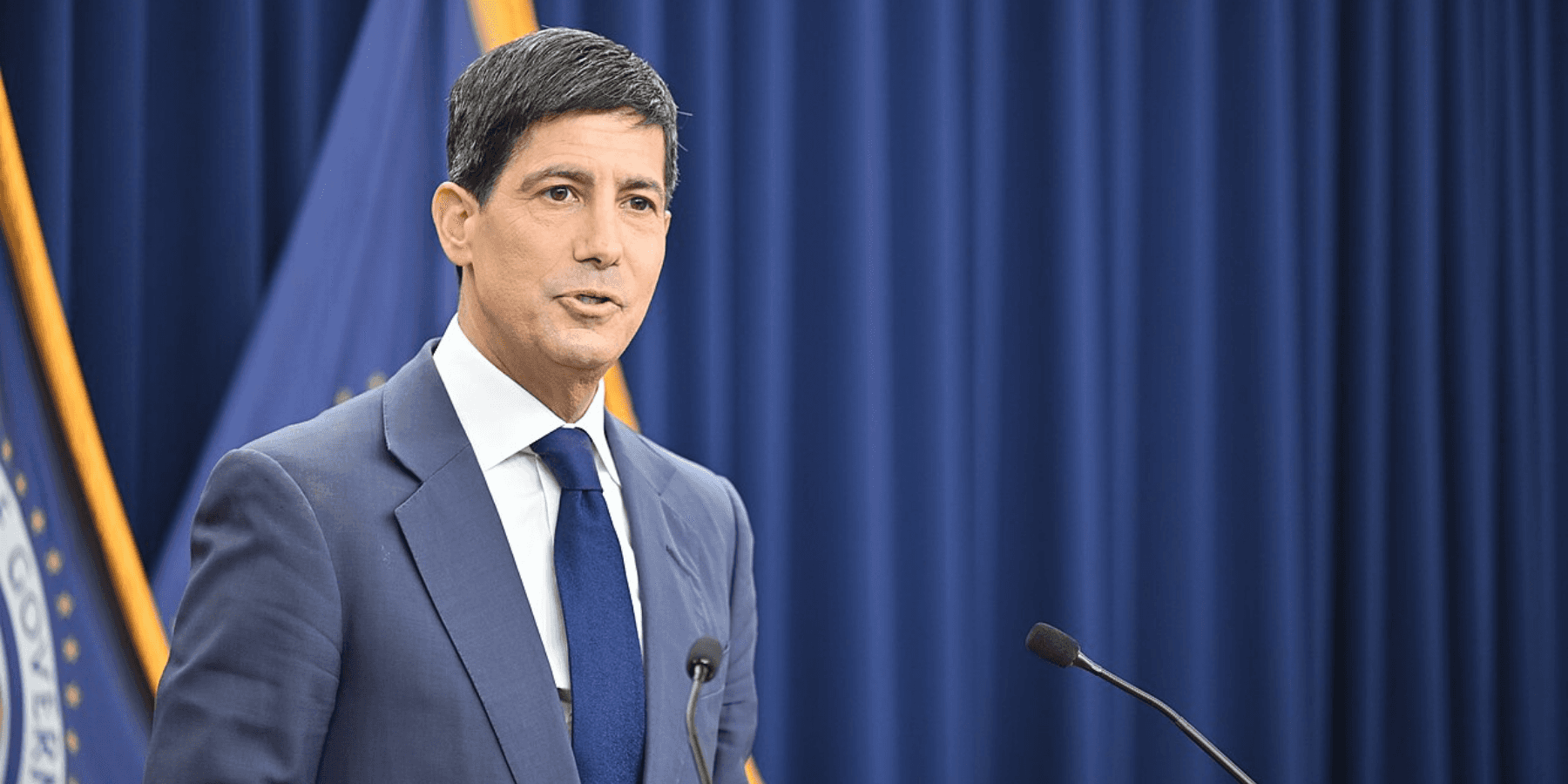
Photo Credit: Federalreserve/Wikimedia
Warsh Puts Inflation Fight at Center of Fed Policy
Federal Reserve Chair Kevin Warsh used his closely watched Jackson Hole address Friday to emphasize that restoring price stability remains the central bank's primary responsibility. Although recent inflation readings have moderated, Warsh said the data had not demonstrated that underlying inflation trends had improved sufficiently.
His comments strengthened expectations that the Fed could raise interest rates if inflation fails to cool further, despite pressure from Trump for lower borrowing costs. Markets reacted cautiously: the S&P 500 fell 0.2%, the Nasdaq Composite dropped 0.5%, and the Dow Jones Industrial Average finished essentially flat. Treasury yields rose as investors reassessed the likelihood that monetary policy could become tighter.
The tension leaves the Fed balancing persistent inflation against the risks that additional tightening could slow an economy already absorbing higher energy costs and geopolitical uncertainty.
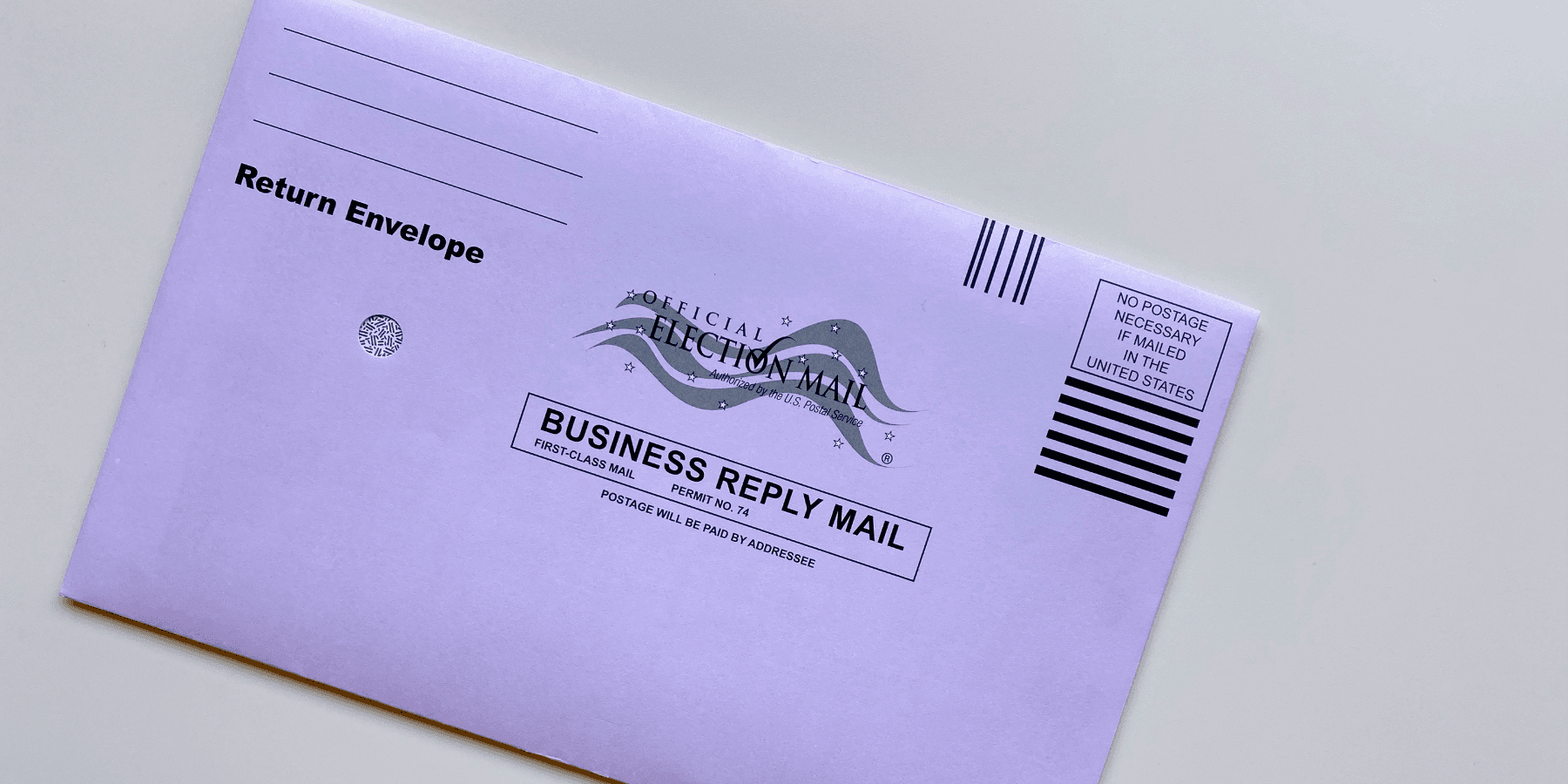
Photo Credit: Tiffany Tertipes/Unsplash
Federal Judge Again Blocks Trump's Mail-Voting Restrictions
The legal battle over voting procedures intensified just weeks before states begin distributing ballots for November's midterm elections. U.S. District Judge Indira Talwani in Boston temporarily blocked implementation of Trump's executive order restricting mail voting, preventing the Postal Service from enforcing the administration's new requirements for at least two weeks.
The dispute returned to Talwani after the Supreme Court lifted an earlier injunction on procedural grounds without resolving the underlying constitutional questions. Democratic-led states and voting-rights organizations argue that the president lacks authority to unilaterally regulate mail ballots, an area traditionally governed primarily by states and Congress. The Trump administration filed an appeal Friday, ensuring that the issue will remain active as the election calendar accelerates.

Photo Credit: The U.S. Food and Drug Administration/Wikimedia
FDA Clears Updated COVID-19 Vaccines
The Food and Drug Administration approved updated COVID-19 vaccines designed to better target the dominant XFG variant as the country prepares for the 2026–27 respiratory-virus season. Updated vaccines from Moderna, Pfizer-BioNTech and Novavax-Sanofi received authorization following recommendations that manufacturers adapt their formulations to the circulating strain.
Manufacturers have said the updated doses can be available for the coming immunization season. The approvals arrive as schools reopen across the country and public-health officials prepare for the seasonal increase in respiratory illnesses, making vaccine availability and federal recommendations an important health-policy issue heading into the fall.
Looking Ahead
September begins with several major questions unresolved. Courts will continue considering the administration's mail-voting restrictions as the midterm election approaches, while investors will scrutinize inflation and employment data for clues about whether the Federal Reserve will raise rates. Washington will also face growing pressure to demonstrate progress toward ending the six-month Iran war and containing its economic consequences. Trump's newly announced Venezuela agreement adds another major variable, potentially reshaping U.S. energy policy over the longer term even as Americans confront high fuel prices today.