
Washington Buys Time as War, Courts and Heat Test the Nation
A widening U.S.-Iran conflict dominated national attention as military strikes and retaliation intensified concerns about regional security and global energy supplies. At home, Washington avoided an immediate government shutdown, a federal court again halted the administration’s effort to restrict birthright citizenship, and investors weighed signs of a cooling labor market. Extreme heat also placed additional pressure on a major U.S. power grid, adding infrastructure concerns to an already consequential news cycle.

U.S.-Iran Conflict Escalates With New Strikes and Retaliation
The confrontation between the United States and Iran intensified Wednesday after Iran launched missiles and drones toward American positions and U.S.-allied countries in the Middle East. The retaliation followed a renewed series of U.S. strikes against Iranian military targets, which U.S. Central Command said were partly a response to Iranian attempts to attack commercial shipping in the Strait of Hormuz and American personnel in the region.
Iranian officials also accused the United States of causing civilian casualties in a strike in southern Iran, while U.S. officials disputed Iranian accounts surrounding civilian deaths. The escalating exchange raised the stakes for American forces throughout the region and heightened concerns about shipping through the Strait of Hormuz, a critical route for global energy supplies. Oil prices remained elevated as investors assessed the possibility of further disruption.
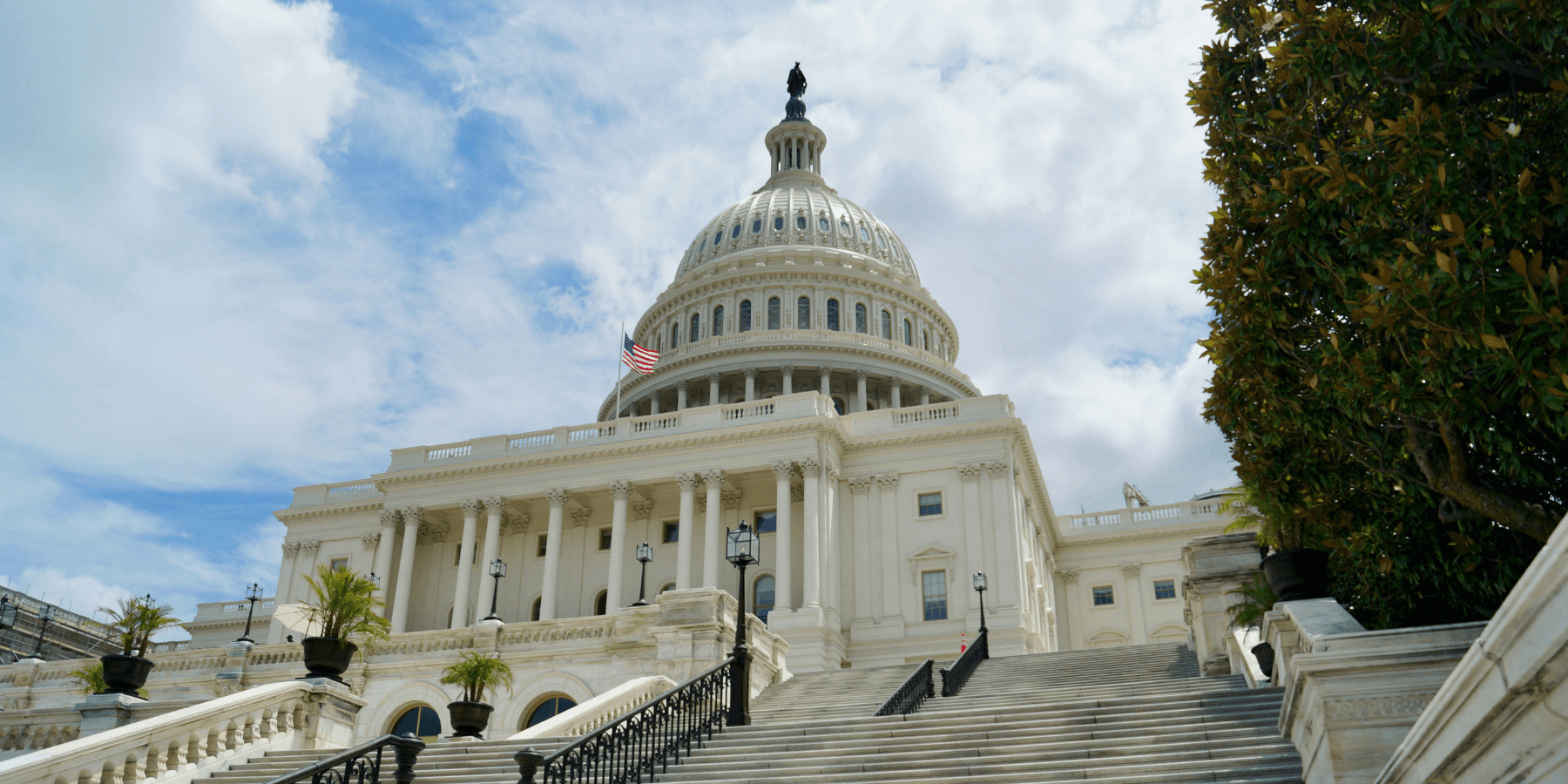
Photo Credit: Samuel Schroth/Unsplash
Trump Signs Spending Bill, Averting Pre-Election Shutdown
President Trump signed H.R. 6500, the Continuing Appropriations and Extensions Act of 2027, preventing a federal government shutdown when existing funding expires at the end of September. The legislation keeps federal agencies funded largely at current levels through December 11 and extends authorities for programs including surface transportation and veterans' services.
The House approved the measure 370-48 after the Senate had already passed it 90-6, reflecting broad bipartisan interest in avoiding a shutdown immediately before the November midterm elections. The agreement postpones rather than resolves the larger fiscal debate, setting up another funding deadline during the post-election period when lawmakers will have to decide whether to approve full-year appropriations or another temporary extension.
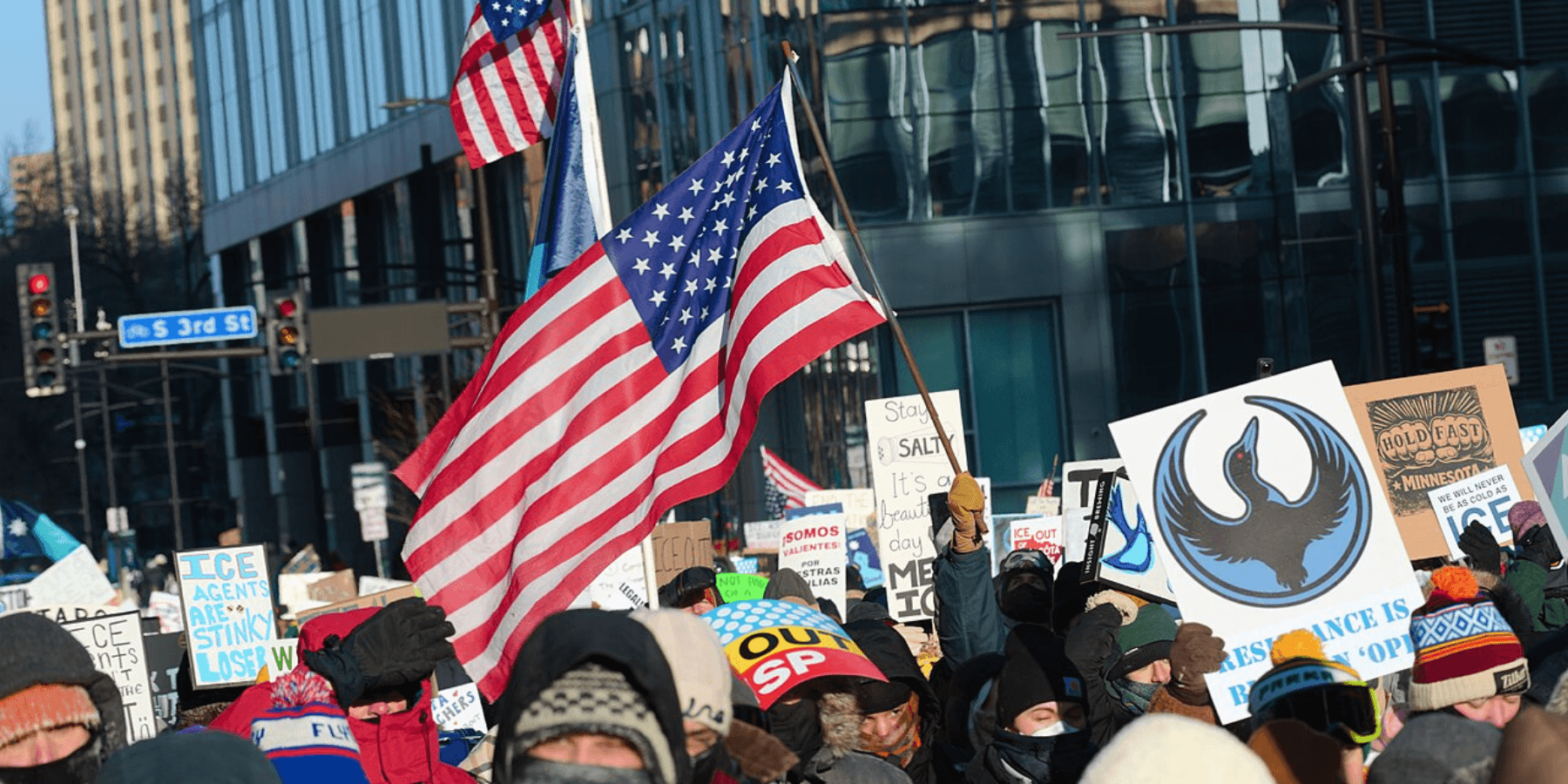
Photo Credit: Fibonacci Blue/Wikimedia (Cropped)
Federal Judge Blocks Trump's New Birthright Citizenship Order
A federal judge in Maryland dealt the Trump administration another setback in its campaign to restrict birthright citizenship. U.S. District Judge Deborah Boardman issued a preliminary injunction blocking enforcement of Trump's newest executive order limiting eligibility for citizenship at birth.
The decision came roughly two months after the Supreme Court rejected Trump's earlier attempt to restrict birthright citizenship. In a 6-3 ruling on June 30, the justices concluded that the previous directive violated the 14th Amendment's Citizenship Clause. The administration's renewed effort therefore returned one of Trump's most prominent immigration policies to the courts, where the constitutional limits of executive authority remain central to the dispute.

Photo Credit: Maxim Klimashin/Unsplash
Markets Rise as Investors Weigh Jobs and Geopolitical Risks
U.S. stocks finished higher Wednesday despite uncertainty surrounding the Middle East and signs of a cooling labor market. The Dow Jones Industrial Average rose 0.6% to 53,061.95, while the S&P 500 and Nasdaq Composite each gained about 0.5%. Nvidia climbed more than 3%, helping technology shares lead the rebound, while the Russell 2000 index of smaller companies advanced 1.1%.
The gains came as investors assessed weaker private-sector hiring. ADP reported that U.S. businesses added only 38,000 jobs in August, the smallest increase in seven months, reinforcing questions about the labor market's momentum. At the same time, geopolitical pressures remained visible in commodities: Brent crude finished around $95.63 a barrel as markets monitored the U.S.-Iran conflict and risks to Middle Eastern oil flows.
Photo Credit: Fré Sonneveld/Unsplash
Extreme Heat Puts Major U.S. Power Grid Under Pressure
An intense heat wave increased the threat of electricity shortages across parts of the Midwest and Mid-Atlantic. The Department of Energy warned of heightened outage risks within PJM Interconnection, the country's largest regional electric grid, which serves approximately 67 million people across a territory stretching from the Washington area toward Chicago.
The warning underscored a growing challenge for the nation's electricity infrastructure as extreme temperatures push air-conditioning demand higher precisely when grids have less room for unexpected generation failures. The immediate question was whether utilities could maintain adequate supplies through peak demand without resorting to emergency measures or outages.
Looking Ahead
Attention now turns to whether the U.S.-Iran confrontation expands further and how disruptions around the Strait of Hormuz affect oil prices and the broader economy. At home, the government-funding agreement removes an immediate shutdown threat but shifts the fiscal fight to December, while the birthright-citizenship dispute appears destined for further litigation. Investors will also be watching upcoming federal employment data for a clearer assessment of the labor market, as utilities contend with the continuing effects of extreme heat.