
Russian Fuel Deal Sparks Bipartisan Backlash, Federal Agents Search Lawmaker’s Home, and AI Stocks Slide as Middle East Tensions Persist
President Donald Trump faced mounting congressional opposition Tuesday over an agreement to bring Russian diesel into global energy markets, while a federal investigation involving Democratic Rep. Ilhan Omar raised questions about law enforcement and political accountability. Kimberly Guilfoyle resigned as U.S. ambassador to Greece amid allegations of improper conduct, and global technology shares fell sharply as investors reassessed the artificial intelligence boom. Meanwhile, renewed attacks in the Middle East kept energy markets unsettled, adding pressure to an already difficult inflation outlook ahead of November's U.S. midterm elections.
-12.png&w=3840&q=90)
Trump's Russian Diesel Agreement Draws Opposition From Both Parties
President Donald Trump's agreement with Russian President Vladimir Putin to allow additional Russian diesel supplies into international markets is facing growing resistance in Congress, with lawmakers from both parties questioning its legality and its consequences for the war in Ukraine.
On Tuesday, six Republican senators and six Democratic senators called on Trump to reverse the arrangement, arguing that easing restrictions on Russian energy exports would provide Moscow with additional revenue while its military campaign against Ukraine continues. Their letter urged the administration to implement tougher economic measures against major purchasers of Russian oil and gas under sanctions legislation signed in September.
The agreement, announced last week, is intended to help ease elevated fuel prices that have become a major economic and political concern in the United States. Oil markets have faced significant disruption from the continuing conflict involving Iran and instability across the Middle East, contributing to higher transportation and energy costs.
However, the proposed arrangement has raised legal questions because federal legislation enacted in 2022 prohibited imports of Russian energy products following Moscow's full-scale invasion of Ukraine. Congressional critics contend that the administration's approach could undermine existing sanctions and weaken Western efforts to restrict Russia's ability to finance the war.
Trump has defended the agreement as a measure to reduce energy costs for American consumers. Critics argue that any near-term price relief must be weighed against the broader national security implications of allowing Russian petroleum products back into international supply channels.
The disagreement also comes amid continuing Russian attacks on Ukrainian energy infrastructure, despite Trump's earlier announcement of an energy-sector ceasefire between Moscow and Kyiv. Those attacks have complicated diplomatic efforts to reduce hostilities and raised doubts about whether limited economic arrangements can produce a durable reduction in fighting.
The immediate question is whether the administration will proceed with the fuel arrangement despite bipartisan opposition and whether Congress will pursue additional measures to enforce existing sanctions.
-18.png)
Federal Search of Rep. Ilhan Omar's Home Intensifies Scrutiny of Justice Department
Federal agents searched the Washington, D.C., home of Democratic Rep. Ilhan Omar of Minnesota as part of a criminal investigation involving potential immigration-related offenses, bringing renewed attention to the Justice Department's handling of investigations involving elected officials.
The court-authorized search took place Monday, with the political and legal fallout continuing Tuesday. The warrant reportedly identified possible violations involving false statements, immigration paperwork and conspiracy. Authorities have not publicly established that Omar committed a crime, and the existence of a search warrant does not constitute a finding of guilt.
Omar, one of the most prominent progressive members of Congress and a frequent critic of President Trump, characterized the search as an attempt to intimidate her and said she would not be silenced. She has accused the administration of using federal law enforcement to target political opponents.
Vice President JD Vance addressed the investigation Tuesday, telling reporters that he had not received advance notice of the search. He said the president and vice president generally sought to remain outside Justice Department investigations and allow legal proceedings to follow the evidence. Vance also referred to allegations involving Omar but did not announce any new findings.
The investigation comes approximately three weeks before the November 3 midterm elections, in which Omar is seeking another term. Its timing has heightened political scrutiny, although no publicly established evidence demonstrates that the search was ordered for electoral purposes.
The case raises questions about the standards governing federal investigations of sitting lawmakers, particularly when the individuals involved are outspoken political opponents of the administration. Investigators must establish the factual basis for any potential charges, while Omar retains the same legal protections and presumption of innocence as any other subject of an investigation.
Further developments will depend on whether prosecutors disclose additional evidence, seek charges or provide more information about the investigation's scope.
-17.png)
U.S. Ambassador to Greece Resigns Amid Allegations of Improper Conduct
Kimberly Guilfoyle resigned Tuesday as U.S. ambassador to Greece following allegations of improper and potentially illegal conduct, creating a diplomatic personnel crisis for the Trump administration.
The resignation was announced by newly appointed White House press secretary Katie Zacharia during her first formal briefing. The administration indicated that Guilfoyle had been asked to step down because of serious concerns surrounding her conduct.
Among the allegations receiving public attention were reports that Guilfoyle had asked Republican donor Eric Deters to pay a personal credit card bill in exchange for access to senior administration officials. Other allegations concerned her interactions with foreign officials and the potential misuse of diplomatic influence.
Guilfoyle has denied wrongdoing and said she intends to vigorously defend her reputation. The accusations remain allegations, and her resignation does not establish criminal liability.
The controversy carries significance beyond the departure of a single ambassador. U.S. diplomatic representatives are expected to conduct official business without creating conflicts between personal financial interests and government responsibilities. Allegations involving financial benefits or access to senior officials can raise questions about ethics requirements, oversight and the integrity of diplomatic operations.
Greece is also an important U.S. partner in NATO and the eastern Mediterranean, where regional security, energy infrastructure and military cooperation remain major strategic priorities. A leadership transition at the American embassy could introduce uncertainty into diplomatic coordination, although routine operations are expected to continue.
The White House has not established a public timetable for naming a successor. Attention will now turn to whether federal ethics officials or law enforcement authorities undertake additional reviews and whether further details emerge about the circumstances surrounding Guilfoyle's departure.
-15.png)
Global Technology Stocks Retreat as AI Investment Concerns Resurface
Global equity markets declined Tuesday as renewed concerns about artificial intelligence investment and semiconductor competition triggered sharp losses in major technology shares.
South Korean semiconductor companies Samsung Electronics and SK Hynix each fell nearly 10% during trading, contributing to a decline of approximately 6% in South Korea's benchmark Kospi index. Japanese technology stocks also came under pressure, while weakness spread into broader global equity markets.
The selloff followed reports of technological progress by Chinese memory-chip manufacturer CXMT, raising questions about the competitive position of established semiconductor producers. Investors have become increasingly sensitive to developments that could alter expectations for the profitability of companies supplying the rapidly expanding AI industry.
Comments from Broadcom Chief Executive Hock Tan also attracted attention after he compared some investment activity in the wider artificial intelligence sector to casino gambling. The remarks reinforced concerns that enthusiasm surrounding AI infrastructure spending may be encouraging speculative behavior in portions of the market.
The decline highlights a growing distinction between expectations for long-term AI adoption and the financial returns that companies must eventually generate from substantial capital investment. Technology firms have committed enormous resources to data centers, advanced processors, networking equipment and electricity infrastructure, making semiconductor demand a central driver of global financial markets.
Government bonds gained as investors shifted toward assets traditionally considered safer during periods of market volatility. Meanwhile, traders continued to evaluate the possibility that the Federal Reserve would leave interest rates unchanged at its next policy meeting later this month.
Attention is also turning to the earnings reports of major U.S. banks, including JPMorgan Chase, Goldman Sachs, Citigroup and Wells Fargo. Their results are expected to provide insight into lending activity, corporate financing and the effects of higher borrowing costs.
Wednesday's U.S. consumer price index report will be another important test for financial markets. Persistent inflation could limit the Federal Reserve's ability to ease monetary conditions, while weaker inflation figures could provide some relief to investors concerned about interest rates and economic growth.
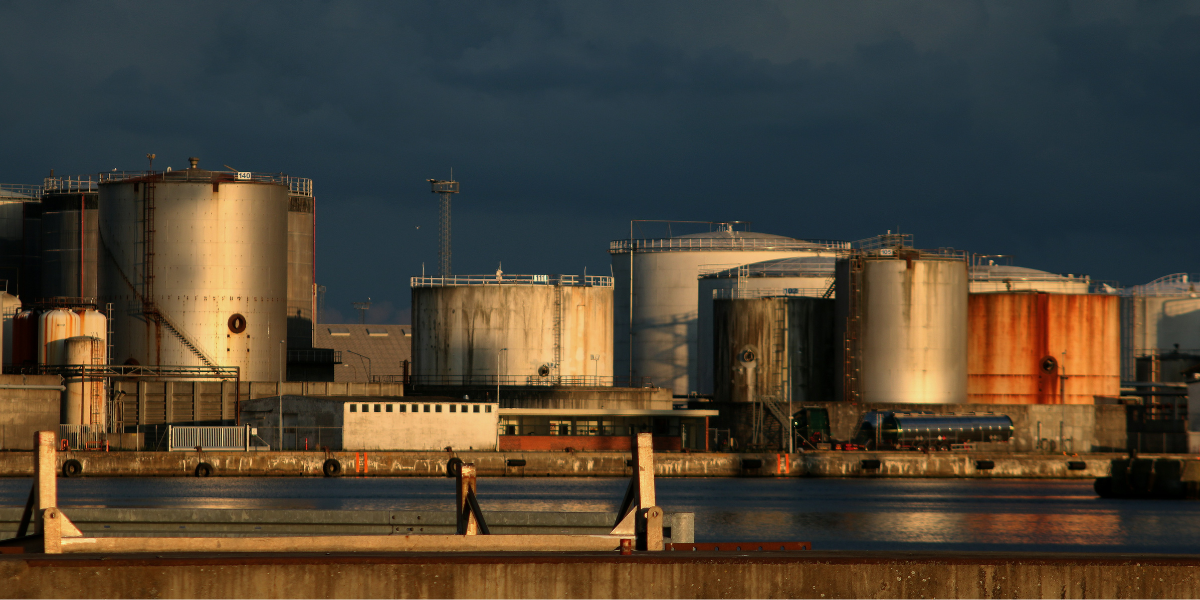
Middle East Attacks Keep Oil Markets Volatile as Inflation Risks Grow
Renewed attacks involving Saudi Arabia and Yemen have intensified concerns about regional security and energy supplies as the conflict involving Iran continues to affect international markets.
Saudi Arabia reported another wave of incoming attacks, while authorities indicated that Riyadh's airport would remain closed for the time being. The Saudi-led coalition supporting Yemen's internationally recognized government reported incoming drones and missiles, although immediate details about interception and damage remained limited.
The developments have added uncertainty to an already strained regional security environment. Iran's Foreign Ministry said Tehran had repeatedly expressed willingness to help facilitate dialogue between Saudi Arabia and the Iran-aligned Houthi movement, but there was no immediate indication of a breakthrough.
For energy markets, the central concern remains the possibility that continued attacks or disruptions could interfere with production, refining operations or transportation routes in a region responsible for a substantial share of global petroleum supplies.
Brent crude futures declined Tuesday as traders weighed potential additional diesel supplies from Russia against the risk of further Middle East disruption. Prices were around $105 per barrel during Asian trading, retreating from elevated levels reached earlier in the week.
The market reaction reflects competing pressures. Additional supplies could ease some immediate shortages, but continuing military activity threatens to sustain higher transportation and insurance costs, complicating efforts to stabilize fuel prices.
Those developments have direct consequences for the U.S. economy. Higher energy costs can increase expenses for businesses and households, affecting gasoline, shipping, food distribution and industrial production. They can also make inflation more persistent, creating challenges for monetary policymakers.
The International Monetary Fund has nevertheless modestly raised its global growth forecasts for this year and next, reflecting continued support from AI-related investment and international trade. At the same time, it has warned about inflation risks, elevated government deficits and the need for central banks to maintain price stability.
The next phase of the Middle East conflict will be closely watched for indications of further attacks, diplomatic engagement or changes in the security of critical energy infrastructure.
Looking Ahead
Wednesday, October 14, will bring a closely watched U.S. inflation report that could influence expectations for the Federal Reserve's October 28 policy decision. Investors will also assess major bank earnings, the direction of semiconductor shares and whether oil prices stabilize following another period of geopolitical volatility.
In Washington, attention will remain focused on congressional efforts to challenge the Russian diesel agreement, possible developments in the investigation involving Rep. Ilhan Omar and the administration's response to the resignation of Ambassador Kimberly Guilfoyle. With the November 3 midterm elections approaching, economic conditions, energy prices and questions surrounding federal governance are likely to remain prominent in the national news cycle.