
Why Hybrids Make Sense for More Drivers
Brian Moody explains why hybrids offer drivers better fuel economy, everyday convenience, and flexibility without the need for charging.
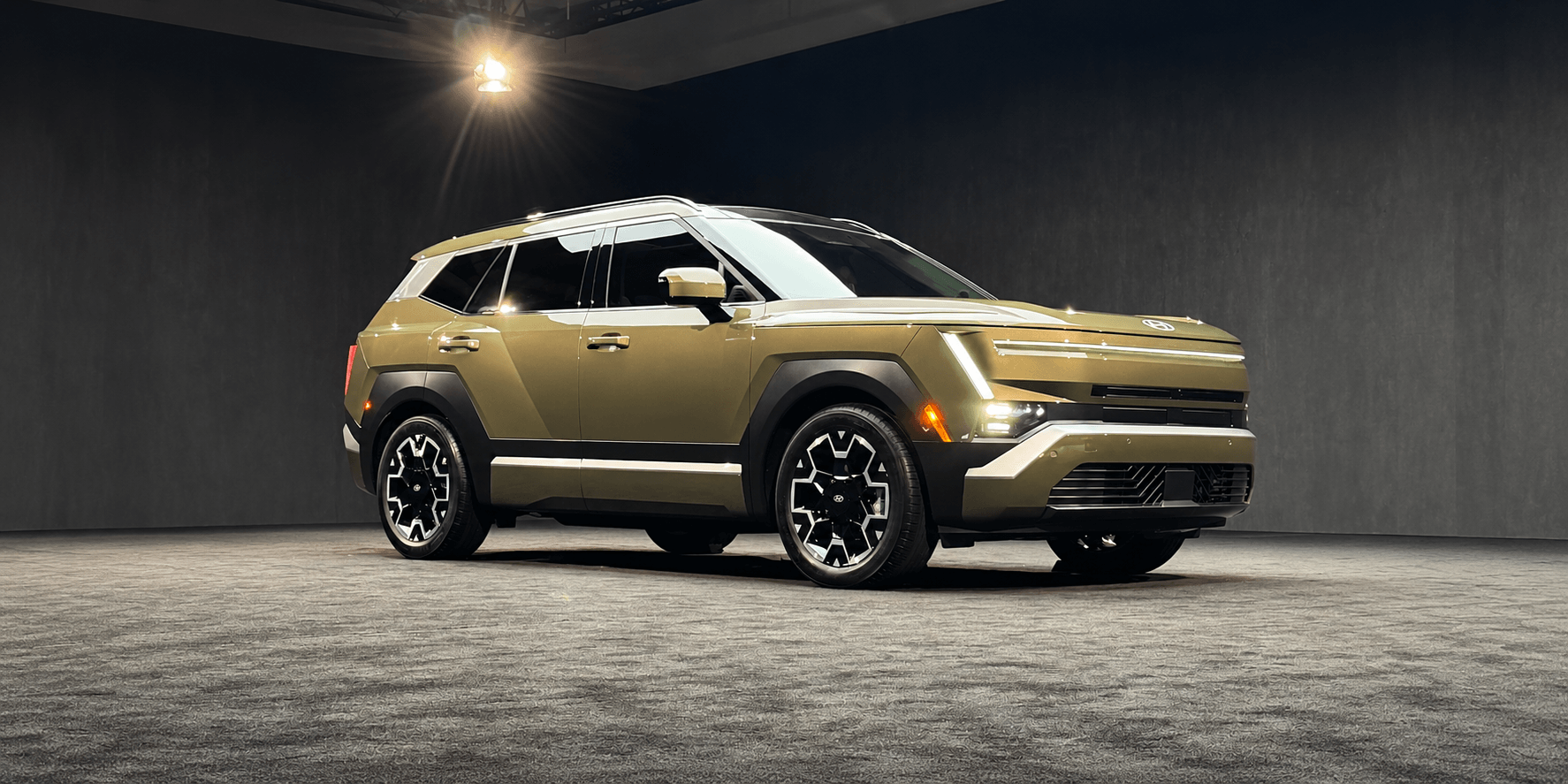
Hybrid vehicles are no longer a niche choice for cautious early adopters. They've become a practical option for drivers who want better fuel economy without changing the way they drive. No charging plans. No range anxiety. Just familiar transportation with improved efficiency.
"Most people who end up with a hybrid in the next 10 years may not even be shopping specifically for one," said Brian Moody, independent automotive analyst and consumer advocate. "Many vehicles, such as the Toyota Camry and Jeep Cherokee, are offered only as hybrids. That's just how they're built now."
Moody, whose career has included leadership roles at several automotive publications, believes much of the appeal comes down to convenience.
"Many consumers like the idea of electrification, but they still want the road trip flexibility and everyday predictability that come with a gasoline backup. Vehicles like the new Nissan Rogue Hybrid and Scout Traveler are excellent examples, but each does it in a slightly different way”, he said.
Rather than focusing on technology for technology's sake, Moody encourages shoppers to consider how they use a vehicle. A commuter driving 30 miles a day has different needs than a parent juggling weekend tournaments, road trips, and an unpredictable schedule. Someone living in an apartment without access to charging faces different considerations than a homeowner with a garage.
Helping Shoppers Cut Through the Noise
Car buyers often enter the process with more questions than answers. They're weighing monthly payments, future resale value, new technology, warranties, and whether they're getting the complete picture.
"A high monthly payment is OK so long as the down payment is low and the payment term is short," Moody said.
Hybrids sit at the center of many of those questions. They lower fuel consumption without requiring charging infrastructure and deliver the range drivers expect from a traditional vehicle. The challenge is understanding how different hybrid systems, warranties, trims, and pricing compare.
"For example, new Toyota vehicles have a 10-year, 150,000-mile warranty on hybrid batteries. That's impressive," Moody noted. Because Toyota introduced the coverage in 2020, many used models benefit as well.
For Moody, the value isn't just in the vehicle itself. It's in helping shoppers understand whether a hybrid is the right choice in the first place.

A Practical Approach to Automotive Advice
Through Super Moody Group and his contributions to outlets including Capital One Auto Navigator and Daily Flash, Moody focuses on making car shopping less intimidating and more transparent.
His philosophy is simple: give consumers the information they need before they become emotionally attached to a vehicle.
"It's not a big surprise that a $200,000 vehicle is fast or luxurious or cool-looking," Moody said. "I want those same qualities in a $35,000 car."
That practical mindset is especially helpful as automakers introduce new technology at a rapid pace.
"In-car AI is another piece of technology shoppers need to understand," Moody said. "Hyundai's new Tucson has the technology built in, but how useful it is depends on the driver. For most people, it makes accessing vehicle features easier and less distracting."
Why Hybrids Aren't Just a Stepping Stone
Electric vehicles have changed the automotive landscape, but Moody doesn't view hybrids as merely a transition to fully electric transportation.
"I think hybrid vehicles are a final destination for many shoppers, not a bridge to electric cars. The new Corporate Average Fuel Economy (CAFÉ) rules are going to bring hybrids into the mainstream even more,” he said.
That perspective helps explain the continued growth of the hybrid market. Many buyers want lower fuel costs and reduced emissions, but they don't want to rethink every aspect of vehicle ownership.
When consumers shop for a vehicle, they're not usually asking which powertrain is most impressive. They're asking which vehicle will make daily life easier, handle weekend responsibilities, and fit comfortably into their budget.
That's why Moody encourages shoppers to focus on their real-world needs:
How far do you drive each week?
How often do you take long trips?
Do you spend significant time in traffic?
Will the vehicle carry children, clients, tools, or sports equipment?
Are you buying new, used, or certified pre-owned?
Those answers matter more than trends.
They also help buyers avoid two common mistakes: choosing a vehicle simply because it sounds technologically advanced or dismissing hybrids because they seem less exciting than EVs. For many households, a hybrid strikes the right balance between efficiency, convenience, and flexibility.
The Real Hybrid Story
As automakers continue expanding hybrid offerings and consumers pay closer attention to operating costs, hybrids are likely to remain a major part of the market. Moody says, “Hyundai has many new models and improvements on the way. Recently, they showed an all-new Tucson SUV (shown above). It’s not a coincidence that they led with a hybrid version of that popular SUV.”
Research tools and online shopping platforms make comparing vehicles easier than ever, but even the best calculator or search filter can't determine whether fuel economy matters more than cargo space, warranty coverage, or long-term ownership costs.
That's where consumer education matters.
Moody's advice isn't about steering everyone toward the same vehicle. It's about helping shoppers ask better questions. A commuter may benefit from a small hybrid sedan. A growing family may need a spacious hybrid crossover. A budget-conscious buyer may discover the best value isn't the newest vehicle, but the one that delivers the strongest combination of reliability, efficiency, and ownership costs.
In the end, the hybrid story isn't really about technology. It's about practicality. Drivers want efficiency without anxiety, innovation without confusion, and value without compromise. Moody's message is straightforward: understand your lifestyle first, then choose the vehicle that supports it.