
Washington Tests New Boundaries as Foreign Tensions and Domestic Battles Converge
The final days of May brought major developments across the United States, as the Trump administration balanced sensitive negotiations with Iran while facing legal challenges over domestic policies. At the same time, court rulings, election disputes, and debates over federal authority highlighted the political and legal battles shaping the nation ahead of the 2026 midterm elections.

Iran Ceasefire Talks Remain Uncertain Amid Military Activity
One of the most closely watched stories remains the evolving U.S. relationship with Iran. American and Iranian negotiators reportedly reached tentative agreements to extend a ceasefire and begin discussions on a broader nuclear framework, though final approval from President Donald Trump remains pending. Officials from both countries have continued negotiations centered on maritime security, sanctions, and Iran's nuclear program.
Despite diplomatic progress, military tensions have not fully subsided. U.S. forces recently conducted what officials described as defensive strikes against Iranian military targets, while Washington simultaneously imposed new sanctions on Iranian oil-related activities. The mixed signals have fueled uncertainty among allies and financial markets, particularly as global attention remains focused on the strategic Strait of Hormuz and its impact on energy supplies.
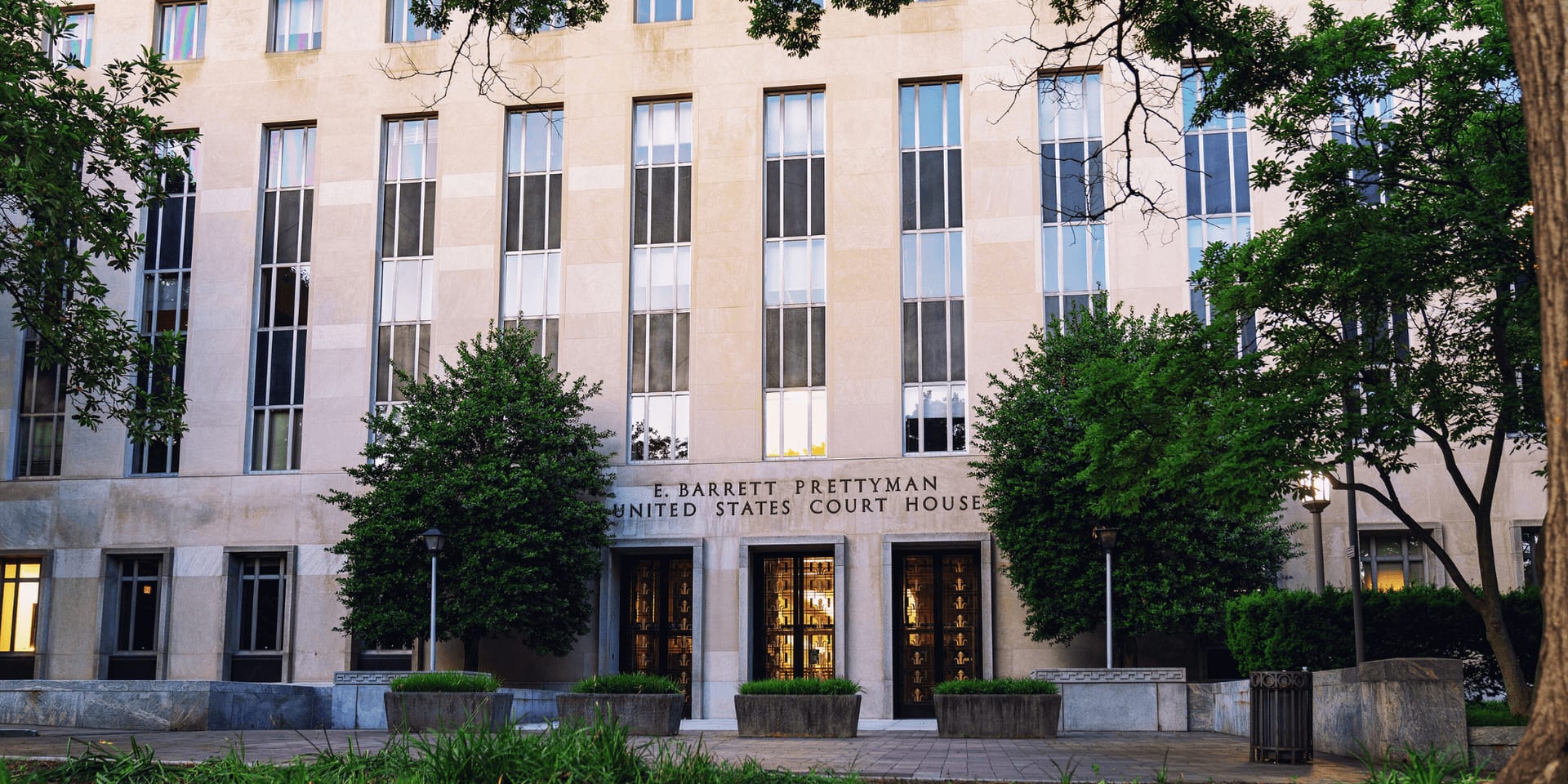
The E. Barrett Prettyman United States Court House building in Washington, D.C., on May 31, 2024
Photo Credit: Tony Webster/Wikimedia
Federal Judge Blocks Controversial “Anti-Weaponization” Fund
A major legal setback emerged for the administration after a federal judge temporarily blocked implementation of a new $1.8 billion Justice Department “anti-weaponization” fund. The program was designed to compensate individuals who claim they were unfairly targeted by government investigations or prosecutions, but critics argued that the initiative lacked transparency and congressional oversight.
The ruling immediately halted payouts while litigation proceeds. The controversy has intensified as some January 6 defendants and political allies of the president have publicly sought compensation through the fund. The dispute is expected to become a significant legal and political battle over executive authority, government spending, and accountability in the months ahead.

Photo Credit: Ed Us/Unsplash
Vaccine Policy Changes Trigger State Challenges
The administration also drew national attention after issuing an executive order directing federal health agencies to reduce the number of recommended childhood vaccinations. The move has generated strong reactions from public health experts, medical organizations, and state governments, many of which argue that the changes could undermine long-established immunization standards.
Several Democratic-led states have already initiated legal challenges, arguing that the federal government cannot unilaterally alter public-health guidance without extensive scientific review. Supporters of the order contend that the administration is responding to concerns about vaccine schedules and parental choice. The legal and medical debate is expected to continue as federal agencies begin implementing the directive.
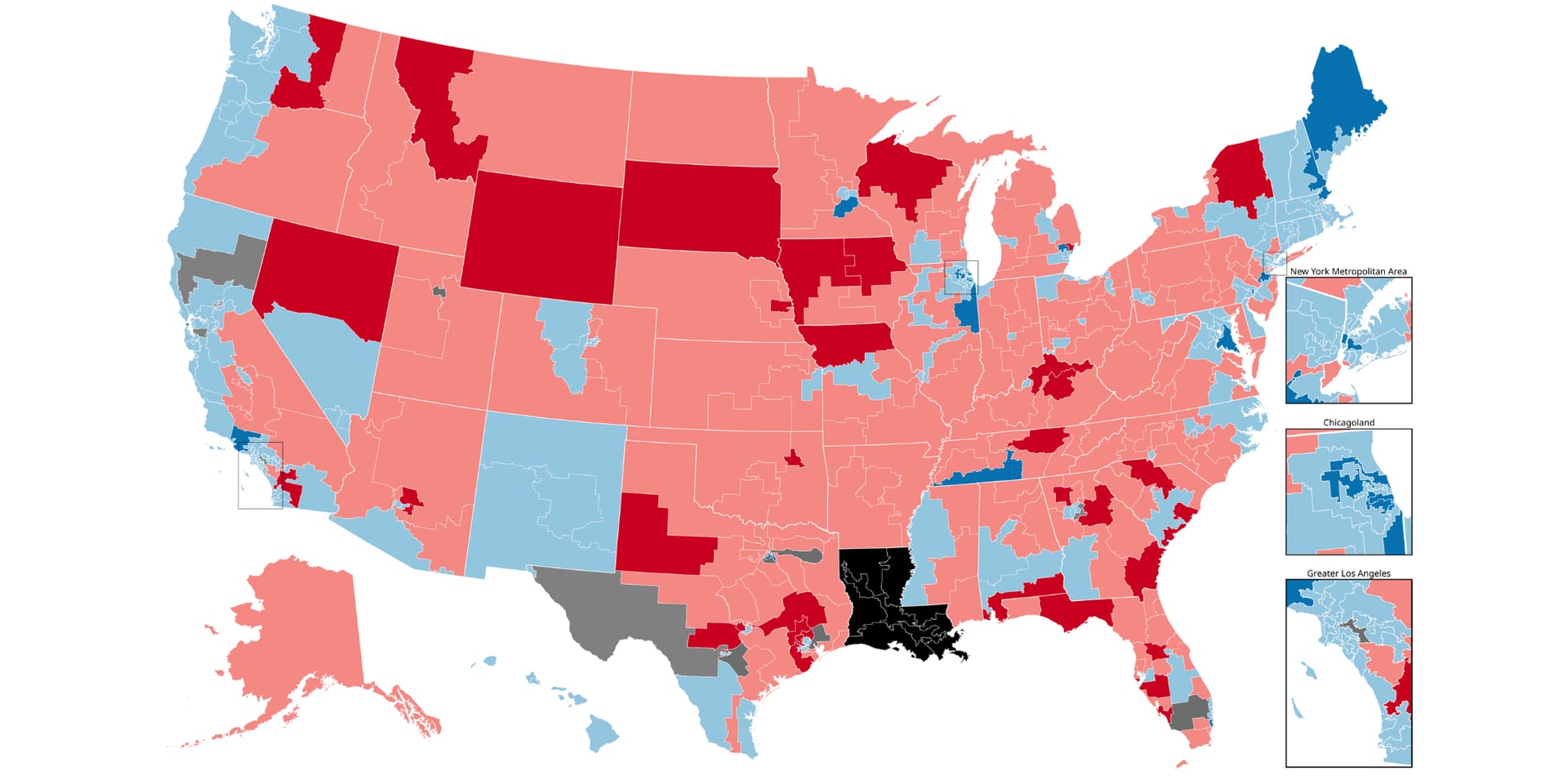
A map of the districts to be used in 2026, and whether there is an incumbent running in the general election in those districts.
Photo Credit: Coolxsearcher1414/Wikimedia
Redistricting Battles Intensify Ahead of Midterms
Election-related disputes remained prominent this week as multiple states faced scrutiny over congressional district maps. In Louisiana, Republican lawmakers approved a revised map that eliminates a majority-Black congressional district, prompting renewed allegations of racial gerrymandering and likely court challenges. Similar redistricting fights have emerged in other states as parties seek advantages before the 2026 midterm elections.
The disputes reflect broader national concerns about voting rights, representation, and electoral fairness. Courts have increasingly become the arena where these conflicts are resolved, with judges weighing competing claims about race, political representation, and constitutional requirements. The outcomes could significantly influence congressional control and state-level political power over the next several years.
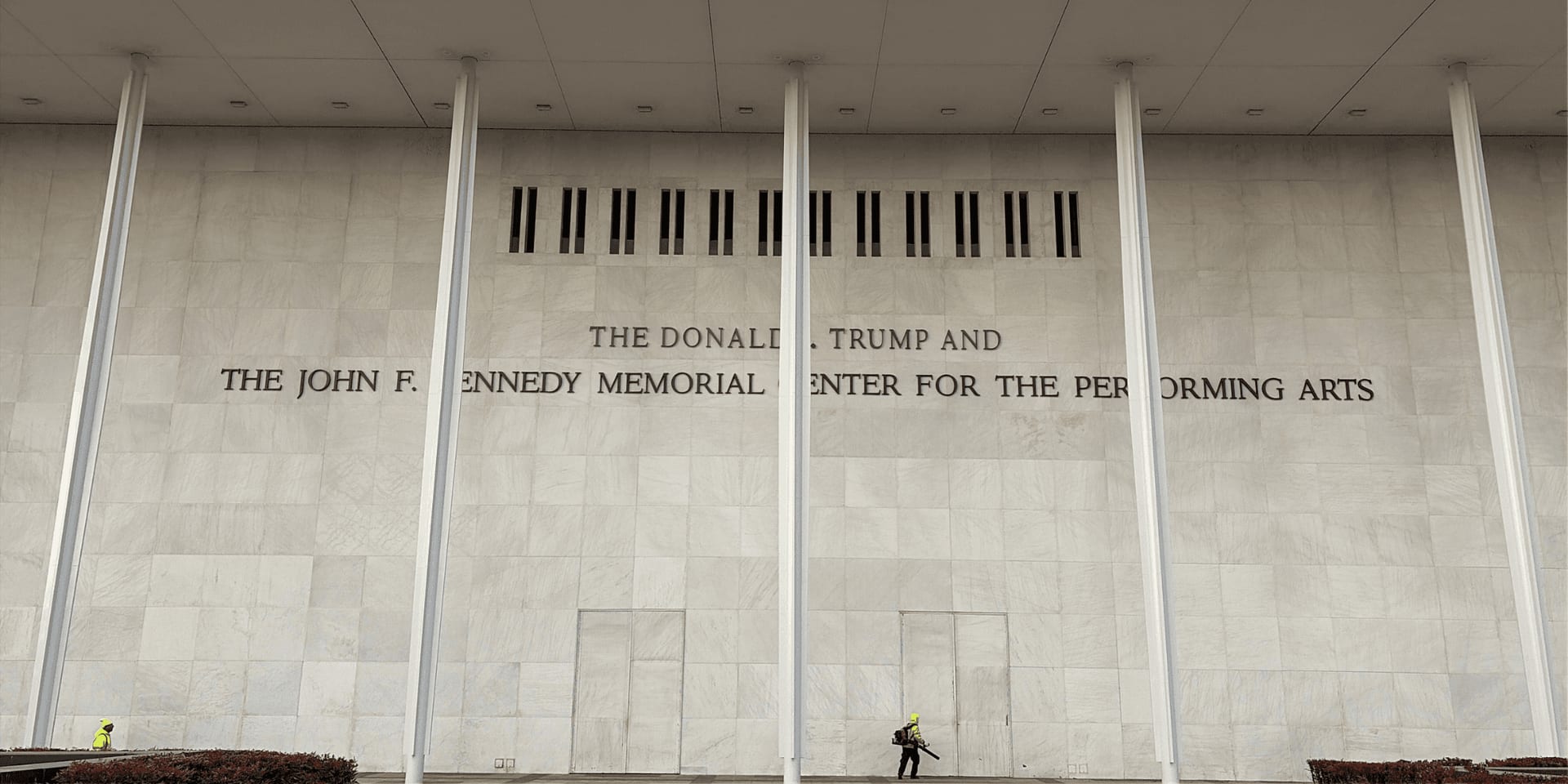
A sign altered in December 2025 marks “The Donald J. Trump and The John F. Kennedy Memorial Center for the Performing Arts”
Photo Credit: Dclemens1971/Wikimedia
Kennedy Center Dispute Highlights Separation-of-Powers Debate
Another symbolic but widely discussed controversy emerged after a federal judge ordered the removal of President Trump's name from a Kennedy Center memorial designation. The court ruled that congressional authorization would be required for such a naming decision, rejecting actions that had associated the president's name with the institution.
The president responded by stating he had little interest in maintaining involvement with the Kennedy Center and suggested returning greater oversight authority to Congress. While the dispute centers on a cultural institution, it has become part of a broader conversation about executive power, federal authority, and the role of public institutions during a politically polarized period.
Looking Ahead
The coming week is likely to bring further developments on several fronts. Negotiators will continue working toward a possible U.S.-Iran agreement, while courts review challenges involving vaccine policy, federal spending programs, and redistricting maps. Congress is also expected to scrutinize executive actions that have generated legal disputes and public debate.
With the midterm election season gradually taking shape and foreign policy remaining a central concern, decisions made in the next several weeks could carry lasting consequences for both domestic governance and America's position abroad. As June begins, the intersection of diplomacy, law, and politics remains at the heart of the national conversation.