
Washington Tightens Its Belt — From Fed Rate Cuts to New ICC Confrontations, U.S. Navigates Economic Stress and Global Fallout
Economic policy shifting, foreign‑policy tensions escalating, and internal political battles intensifying. From potential interest‑rate relief for households to fresh conflict with international institutions, today offers a snapshot of a nation juggling domestic pressures and strategic ambitions.
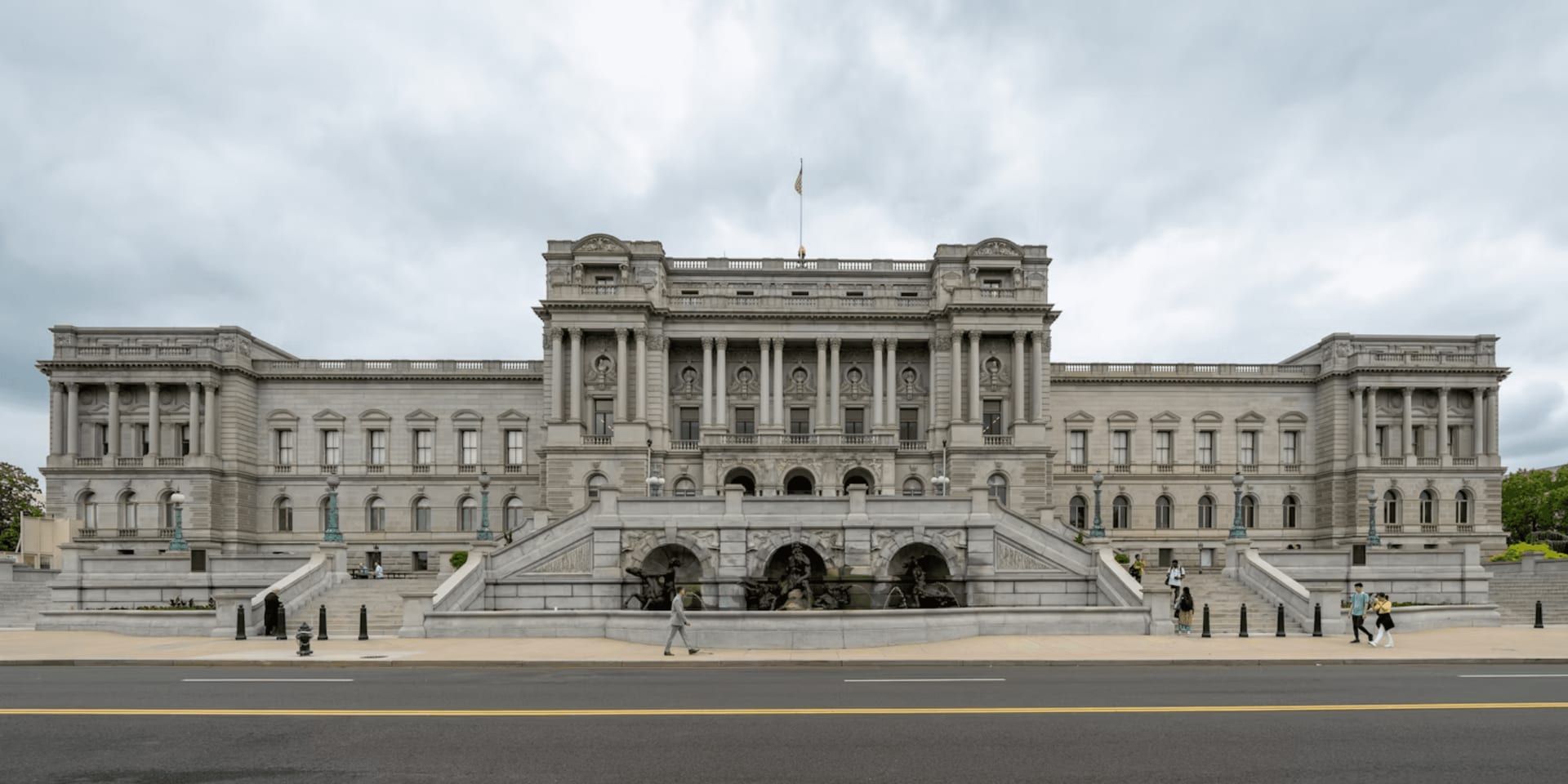
Fed Poised for Third Rate Cut as Economy Shows Signs of Strain
The Federal Reserve is widely expected to cut interest rates by 25 basis points today — marking a third straight reduction in its 2025 cycle — as it seeks to respond to a cooling labor market and persistent inflation above target. The decision reflects growing concern about rising unemployment and slowing job openings, even as economists and markets hope that lower borrowing costs might stimulate consumer spending, mortgages, and business investment. Still, the backdrop is fraught: internal divisions within the Fed and uncertainty over future leadership — potentially shaped by political shifts — raise fears that aggressive rate cuts may re-ignite inflation. The policy move thus walks a fine line between jump‑starting growth and guarding against long-term economic overheating.
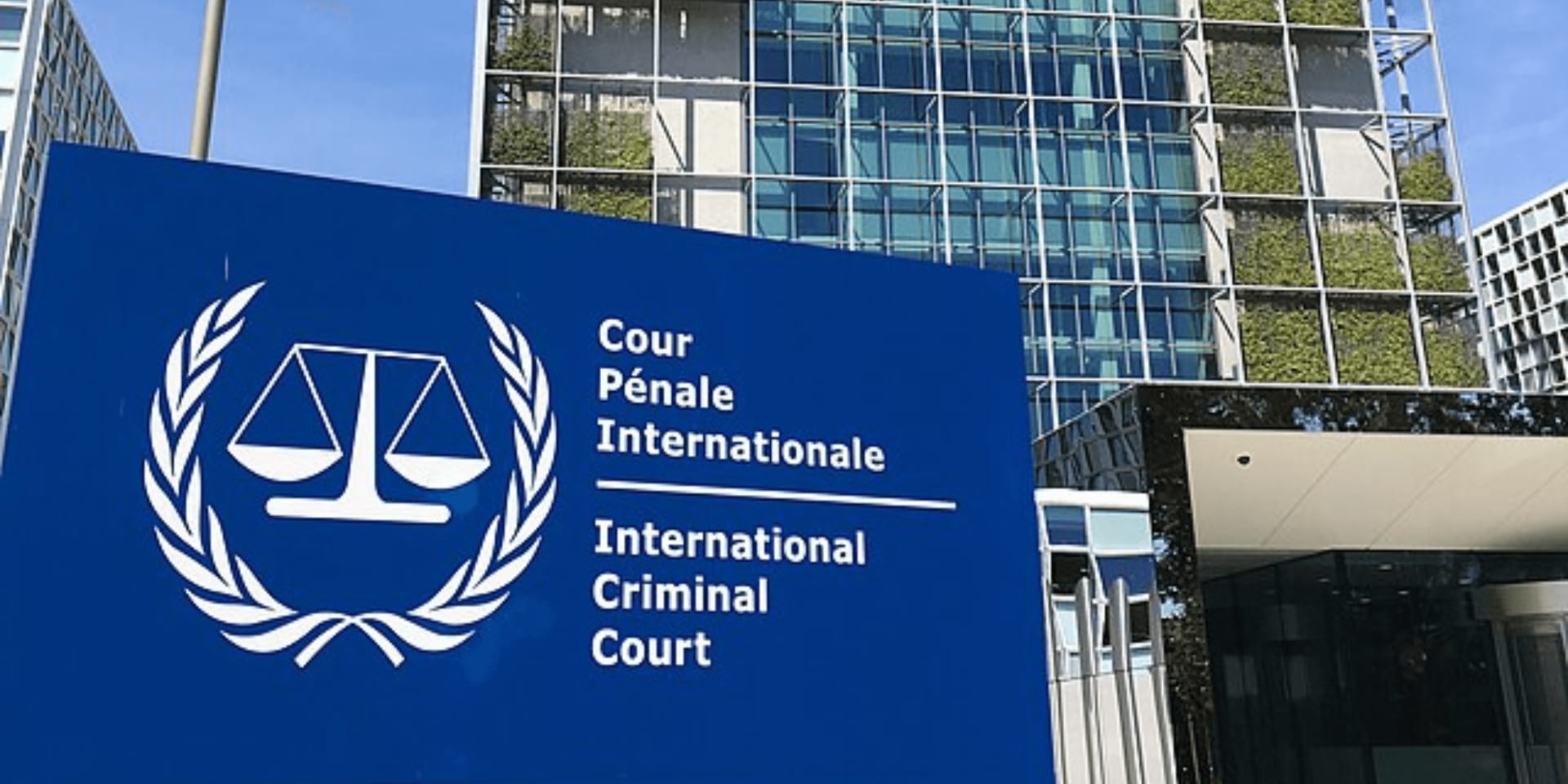
U.S. Threatens Sanctions Against International Criminal Court Unless It Drops Cases Against Top Officials
In a move signaling deepening friction with international justice institutions, the U.S. government has threatened to impose new sanctions on the ICC unless the court amends its founding treaty to explicitly avoid prosecuting former and current U.S. officials. The demand comes amid ongoing concerns in Washington about potential ICC probes of U.S. military actions — particularly in Afghanistan — once the administration changes in 2029.
The administration argues that such prosecutions would threaten national sovereignty, though altering the court’s foundational treaty would require approval from two‑thirds of its member states — a high bar. Critics warn the escalation could further erode U.S. global credibility and deepen tensions with allies who view the ICC as vital to international justice efforts.

Foreign Policy Shift: New National Strategy and Softening on Russia
The recently released 2025 United States National Security Strategy outlines a major shift in American foreign policy, casting aside the post‑Cold War role of global “policeman” in favor of narrower strategic interests — particularly in the Western Hemisphere. This year’s doctrine dials back prior emphasis on confronting Russia directly, glosses over Moscow’s aggression, and instead calls for economic rebalancing with China and increased naval presence to control migration and drug flow. The strategy’s framing of Europe as unreliable and its veiled criticism of mass migration have stirred concern among longtime U.S. allies. Meanwhile, diplomatic tensions persist over the war in Ukraine — a policy dueling between traditional transatlantic cooperation and the newer U.S. direction.
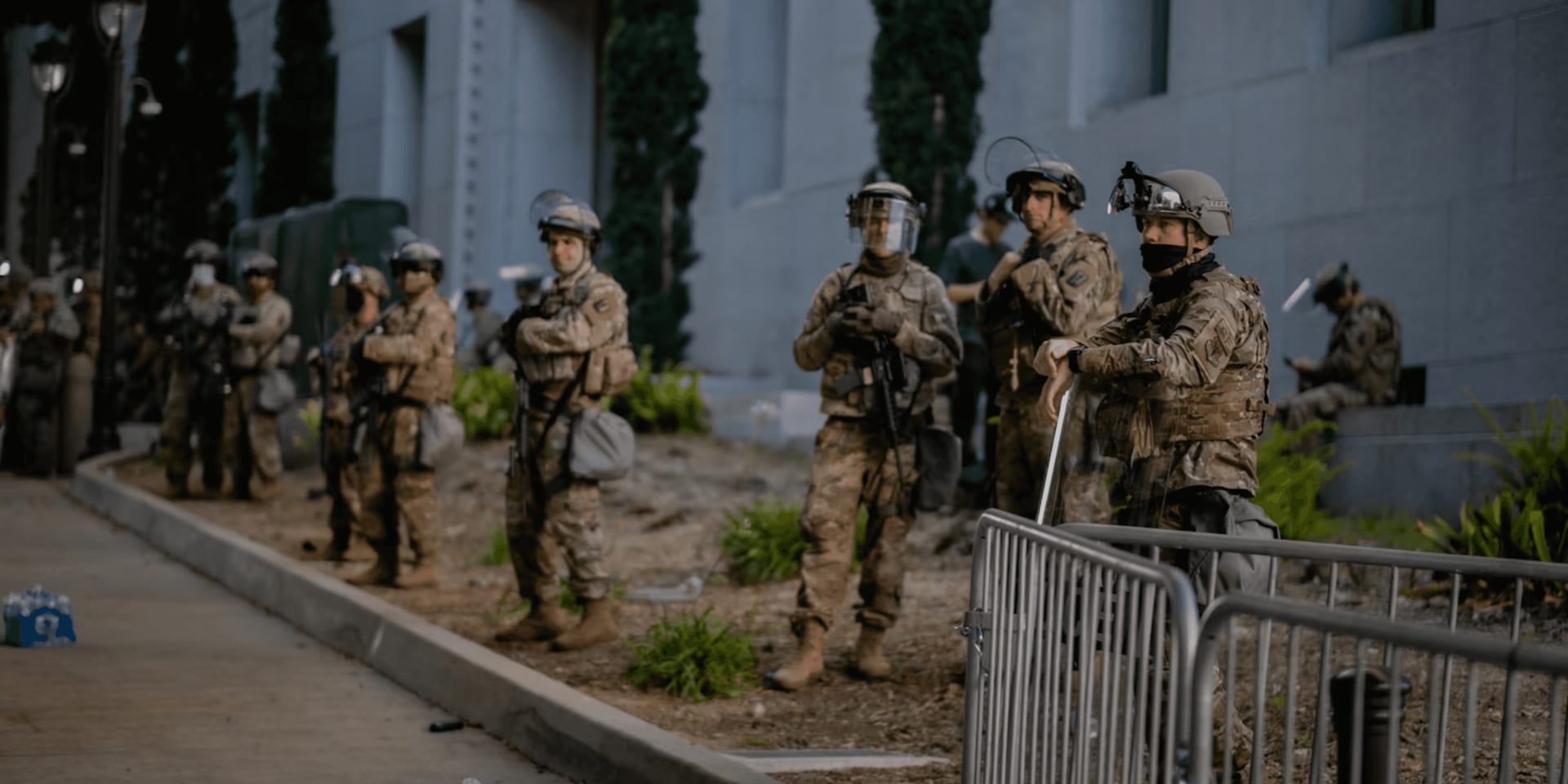
Domestic Backlash: Court Orders National Guard Pullback in Los Angeles Amid Legal Challenges
A federal judge has ordered the administration to end the deployment of the California National Guard in Los Angeles, ruling that the domestic use of military force without state authorization violates legal norms. Although the ruling delays immediate enforcement until Monday, the decision signals growing judicial checks on executive deployments. The ruling arrives amid broader scrutiny of civil‑liberties concerns; critics have argued that expanded use of federal troops in U.S. cities risks undermining constitutional protections. The court’s decision may encourage further legal challenges if similar deployments continue elsewhere.
Domestic Political Push: Affordability Tour, Campaign Shifts, and Legal Surprises
Today also saw former President Donald Trump launching a nationwide “affordability messaging” tour in Pennsylvania, aiming to reset his political narrative after Republican setbacks in recent off‑year elections. He reiterated promises of sweeping tax cuts — including exemptions for tips, overtime, and Social Security income — and pointed to trade and energy policies as levers for lowering costs.
Meanwhile, federal courts have authorized the unsealing of grand‑jury records in the Jeffrey Epstein case, reflecting increasing demands for transparency in high-profile prosecutions. On the political front, shifts in municipal and regional election outcomes — such as in Miami — suggest changes in voter sentiment around affordability and immigration, themes the major parties are now scrambling to address.
Looking Ahead
In the coming days, all eyes will be on the formal announcement of the Fed’s interest‑rate decision — and how financial markets and the public respond. Internationally, U.S. posture toward the ICC and global institutions could further reshape alliances and legal norms. Domestically, enforcement of the ruling on National Guard deployment may set new precedents for national security and civil‑liberty boundaries. The evolving political landscape — from campaign messaging to court rulings — will likely influence how investors, voters, and foreign governments judge the U.S. heading into 2026.