Washington Under Pressure: Economic Worries and Party Divisions Shape America’s Week
The United States ended the week amid rising political tension, economic uncertainty, and escalating legal battles over executive power. Congressional Republicans showed growing resistance to President Donald Trump’s agenda as inflation concerns, trade disputes, and constitutional challenges dominated national headlines. At the same time, debates over federal spending, tariffs, and the direction of the economy underscored broader anxieties about governance and stability heading into the 2026 midterm election cycle.

By
May 24, 2026
Republican Resistance to Trump Emerges in Congress
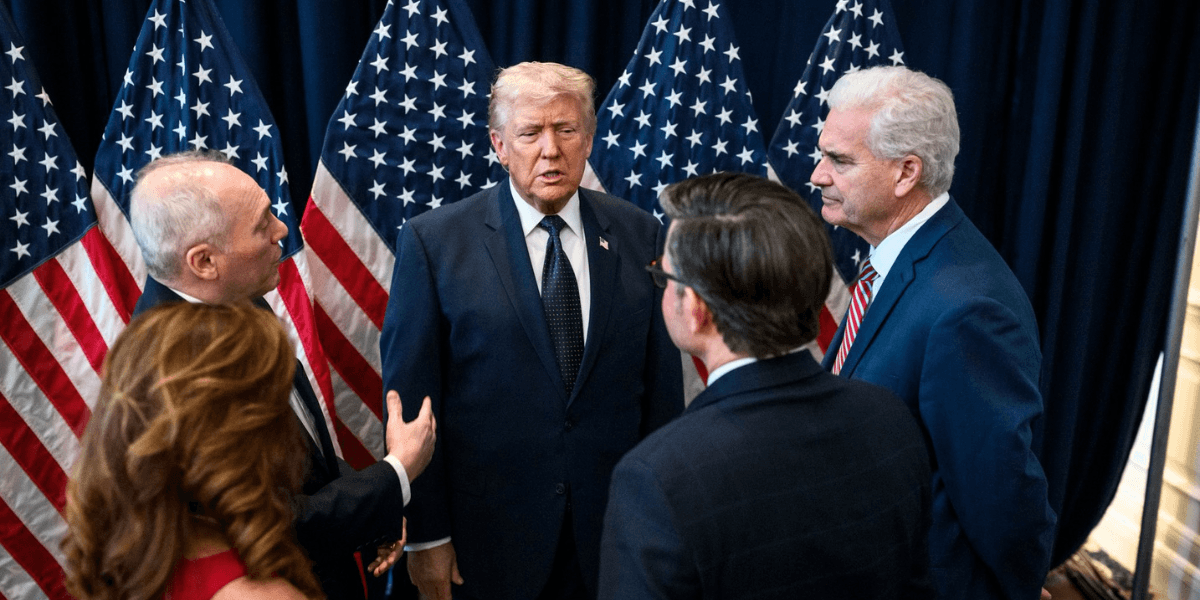
One of the most closely watched developments this week was the growing friction between President Trump and congressional Republicans. Senate Republicans openly pushed back against several White House priorities, including a proposed $1.776 billion compensation fund tied to January 6 defendants and others whom Trump has described as unfairly prosecuted. The dispute delayed movement on a broader $70 billion immigration and border-security package that Republican leadership had hoped to advance quickly.
The internal conflict revealed broader concerns within the GOP about Trump’s political influence heading into the midterms. Some Republican senators warned privately and publicly that controversial proposals and personal political battles could jeopardize vulnerable seats in competitive states. Trump’s endorsement of Texas Attorney General Ken Paxton over Senator John Cornyn intensified those tensions and contributed to fears of deeper fractures inside the party.
The resistance marked one of the clearest signs yet that portions of the Republican Party are increasingly willing to challenge Trump’s directives after years of near-unified support.

Photo Credit: Federalreserve/Wikimedia
Economic Anxiety Deepens as New Fed Chair Takes Office
Economic concerns remained central to the national mood as Kevin Warsh officially assumed leadership of the Federal Reserve. Warsh’s appointment comes during a period of elevated inflation, higher fuel prices, and widespread voter dissatisfaction with the economy. Public polling released this week showed many Americans believe the administration has prioritized immigration and foreign policy over affordability and cost-of-living issues.
Gas prices and consumer costs have remained persistent political liabilities for the White House. Inflation has continued to hover above desired levels, fueled in part by ongoing geopolitical tensions and energy market instability. While the administration has emphasized growth and labor-market resilience, voters across the political spectrum have expressed frustration with housing costs, groceries, and interest rates.
Warsh pledged to preserve the Federal Reserve’s independence while focusing on inflation control and economic growth. His tenure is expected to shape not only monetary policy but also the broader political debate over whether the administration’s economic strategy is succeeding.
Photo Credit: Mathieu Landretti/Wikimedia
Courts Continue to Test the Limits of Presidential Power
Questions about executive authority remained at the forefront of national legal debates this week. Legal experts and judges surveyed in recent reporting expressed concern about what many described as expanding presidential overreach and escalating pressure on democratic institutions.
Much of the scrutiny has centered on the administration’s use of emergency powers to impose tariffs and enact economic policy. Earlier Supreme Court rulings in Learning Resources, Inc. v. Trump determined that the International Emergency Economic Powers Act did not grant the president broad unilateral tariff authority. The decision forced the administration to seek alternative legal pathways for maintaining trade restrictions.
Additional litigation is now challenging newer tariffs imposed under separate trade statutes, setting up continued court battles over the balance of power between Congress and the executive branch. Legal scholars say the disputes could become defining constitutional questions of Trump’s second term, especially as courts weigh how much economic authority presidents can wield without direct congressional approval.
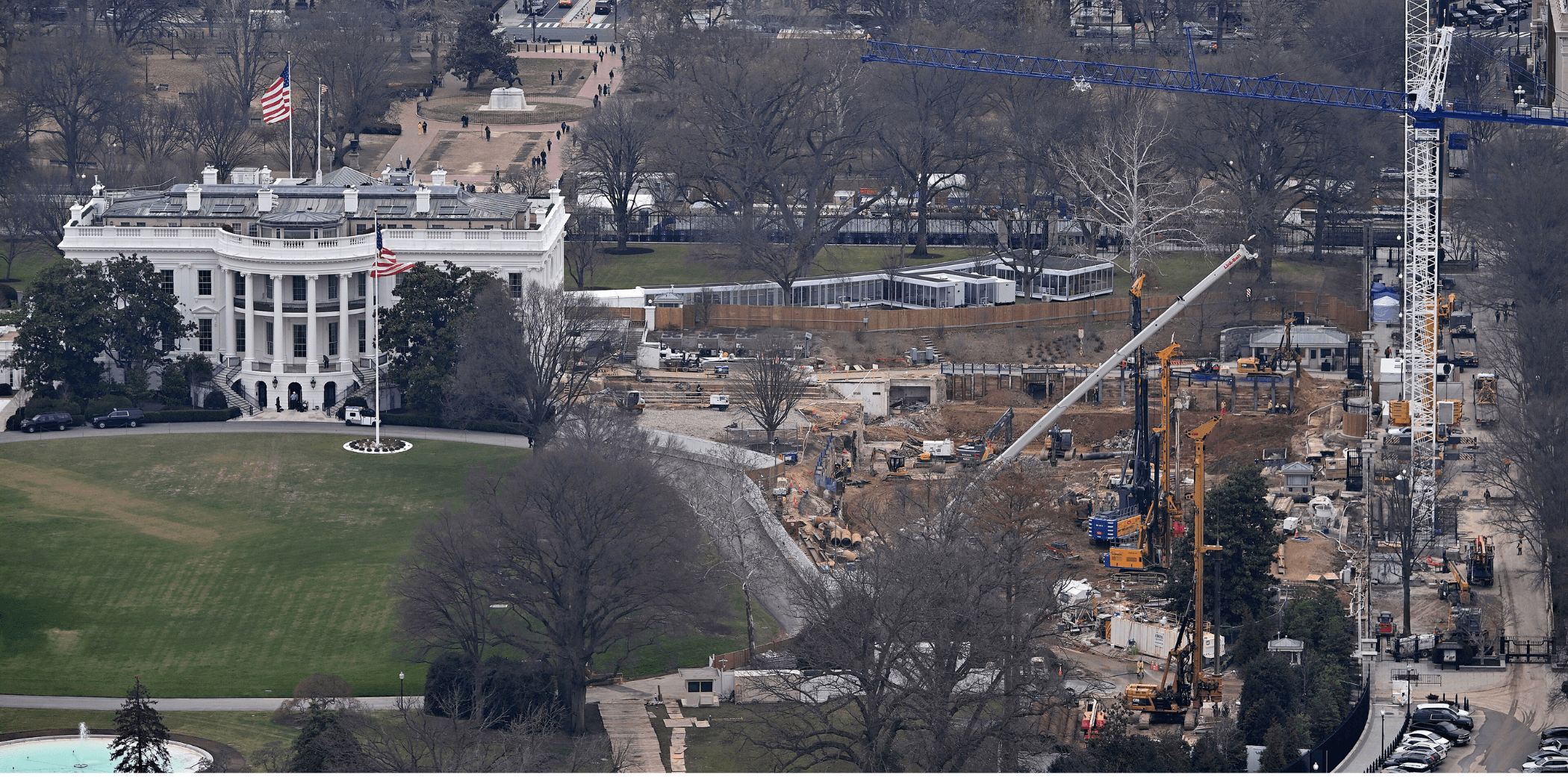
The White House during construction of the State Ballroom on 2026-01-14, Washington, DC
Photo Credit: G. Edward Johnson/Wikimedia
White House Ballroom Project Draws Political Backlash
Another major story this week involved the ongoing controversy surrounding Trump’s proposed White House ballroom project. The president toured reporters through the construction area and promoted the expansion as both a legacy project and a national-security enhancement. However, the proposal has encountered political resistance and legal obstacles as Congress remains divided over funding and oversight.
Critics have questioned the scale, cost, and symbolism of the project at a time when economic concerns dominate public opinion. Polling cited in recent coverage showed a majority of Americans oppose the initiative, which includes plans affecting portions of the East Wing grounds. Congressional negotiations over security-related funding connected to the project have also stalled amid broader budget disagreements.
Supporters argue the ballroom would modernize White House event infrastructure and improve security logistics. Opponents, meanwhile, view it as emblematic of misplaced priorities during a period of economic uncertainty and partisan division.
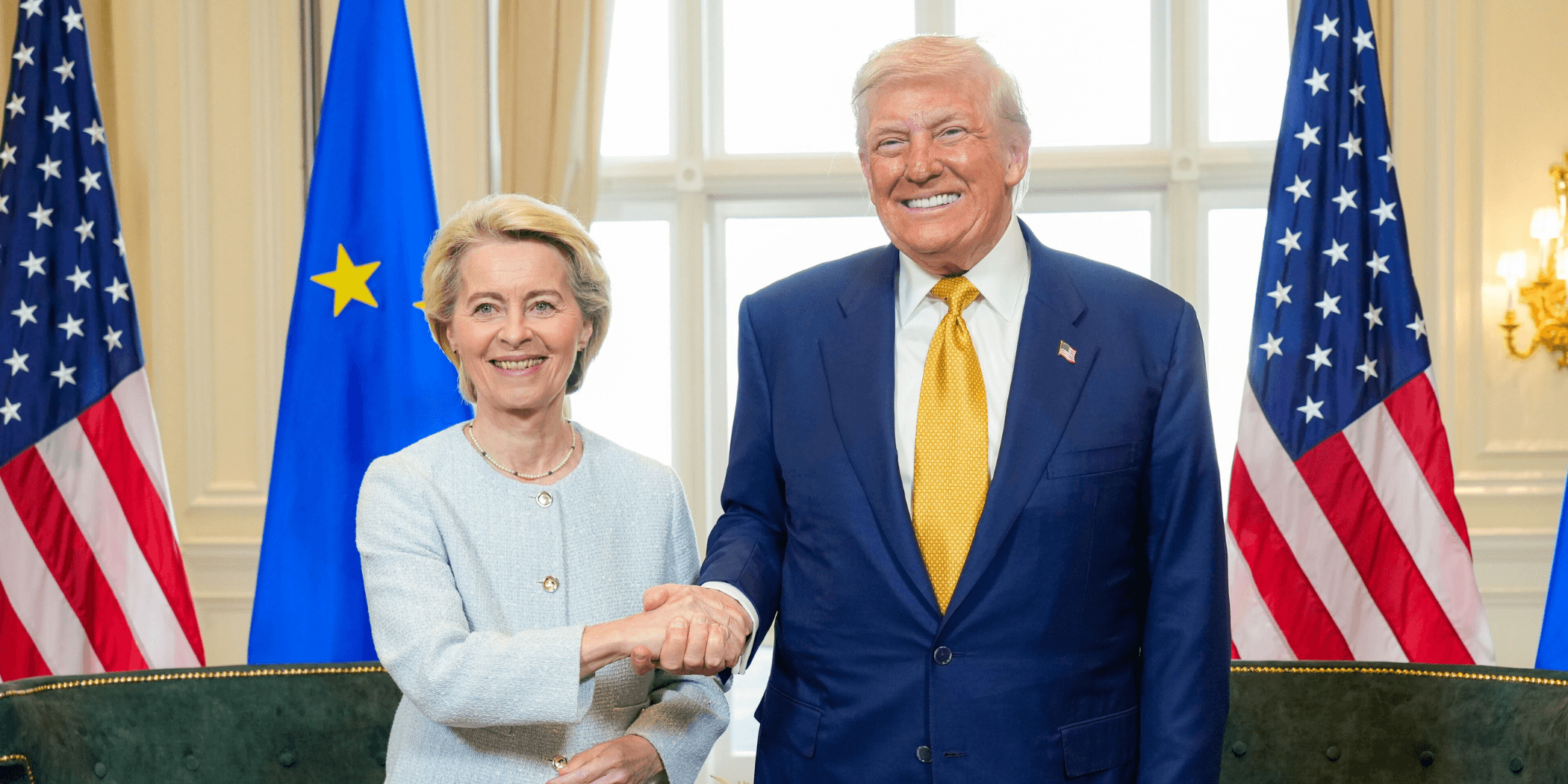
Meeting between Ursula von der Leyen, President of the EC, and Donald Trump, President of the United States - 2025
Photo Credit: Fred Guerdin / European Union, 2025 / EC - Audiovisual Service/Wikimedia
Trade Policy and International Tensions Shape U.S. Outlook
Trade and international economic policy also remained significant national issues. The European Union approved a new trade framework with Washington this week while simultaneously building safeguards against potential future U.S. tariff actions. European officials expressed ongoing concerns about unpredictability in American trade policy and the possibility of renewed tariff escalation.
At home, fallout from earlier tariff rulings continues to reverberate through the economy. Businesses and importers are closely watching pending litigation that could determine whether billions of dollars in tariffs must ultimately be refunded. Economists and legal analysts warn that the outcomes could affect federal revenues, trade negotiations, and consumer prices.
The broader debate over tariffs has become intertwined with larger questions about manufacturing policy, executive authority, and America’s global economic strategy. With ongoing legal uncertainty and international negotiations still underway, trade policy is likely to remain a central issue throughout the summer.
Looking Ahead
Attention in the coming week will focus on whether congressional Republicans can unify around immigration and spending legislation after the recent internal revolt. Economic data releases and Federal Reserve messaging will also be closely watched for signs about inflation and interest-rate policy under the new Fed chair.
Meanwhile, courts are expected to continue handling major cases involving executive authority and tariffs, developments that could carry lasting constitutional and economic consequences. As the 2026 midterm season intensifies, the intersection of legal battles, economic pressure, and intra-party conflict is poised to define the next phase of the national political landscape.