
America at 250: Celebration, Politics, and Extreme Weather Shape Independence Day
The United States marked its 250th Independence Day on Saturday with historic celebrations across the country, highlighted by massive public events in Washington, D.C., and New York City. While patriotic ceremonies and commemorations dominated the day, severe weather, record-breaking heat, and ongoing political divisions also became defining features of the nation's semiquincentennial.
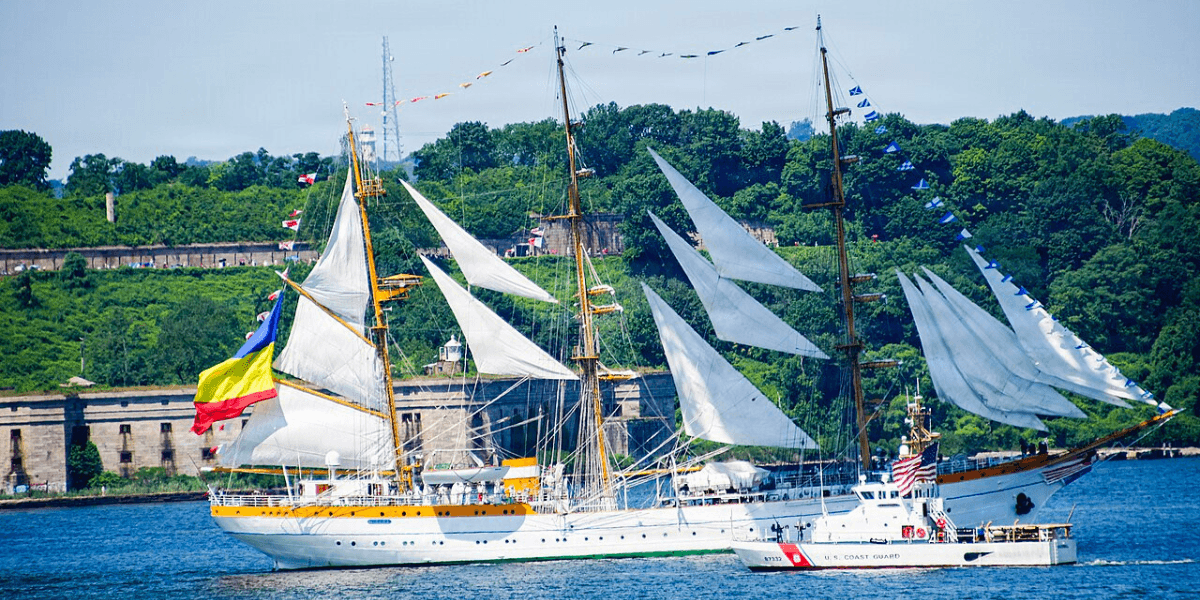
Historic 250th Anniversary Celebrations Draw Millions
Communities nationwide celebrated the nation's 250th birthday, with the largest events taking place in Washington, D.C., and New York Harbor. In New York, the Sail4th 250 celebration featured dozens of tall ships and naval vessels from around the world sailing past the Statue of Liberty, accompanied by military flyovers and performances that attracted enormous crowds despite oppressive summer heat.
The anniversary marked the culmination of years of planning by federal, state, and local organizations. Officials described the celebrations as one of the largest patriotic commemorations in American history, intended to reflect both the nation's founding and its continuing evolution.
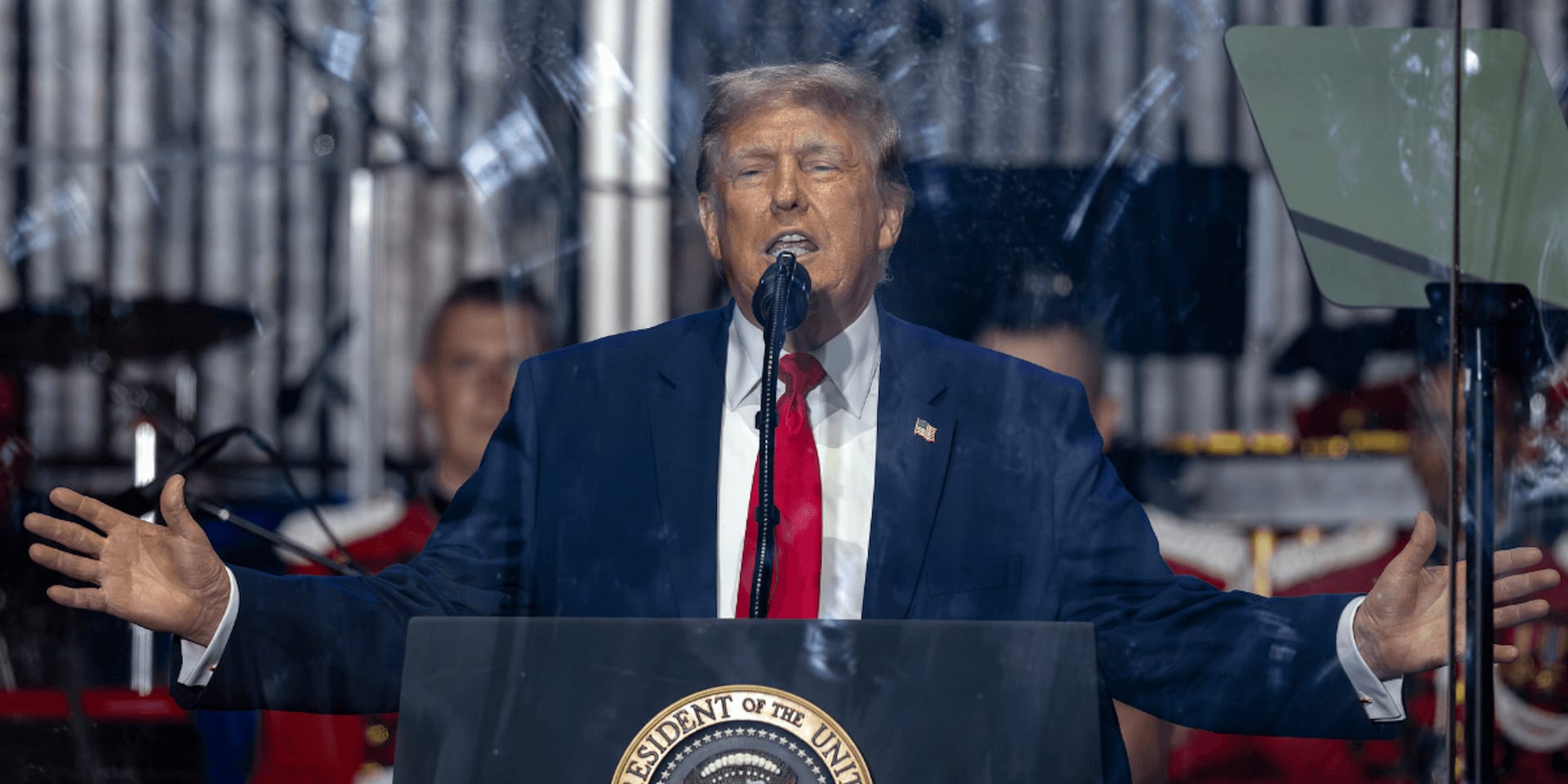
Photo Credits: Brien Aho/Wikimedia
President Trump Delivers America 250 Address
President Donald Trump delivered a nationally televised Independence Day address from the National Mall after severe thunderstorms temporarily delayed the evening program. His remarks celebrated America's founding, highlighted military strength and economic priorities, and repeatedly connected the country's future to his administration's agenda.
The speech blended historical themes with contemporary political messaging, drawing both praise from supporters and criticism from opponents who argued that the anniversary should remain a broadly unifying national celebration. Democrats across the country held separate patriotic events emphasizing constitutional principles and civic participation alongside the official festivities.

Photo Credit: Anthony Quintano/Wikimedia
Extreme Heat and Storms Disrupt Holiday Events
Dangerous weather affected Fourth of July celebrations across multiple regions. Record-breaking temperatures in Washington exceeded 100 degrees, forcing organizers to cancel the city's traditional Independence Day parade and prompting public health warnings. Emergency crews treated dozens of people for heat-related illnesses as other outdoor events proceeded under modified schedules.
Later in the day, severe thunderstorms temporarily evacuated portions of the National Mall before conditions improved enough for the evening ceremonies and fireworks to continue. Elsewhere, storms knocked out power, disrupted travel, and forced changes to holiday celebrations throughout parts of the Midwest and Northeast.
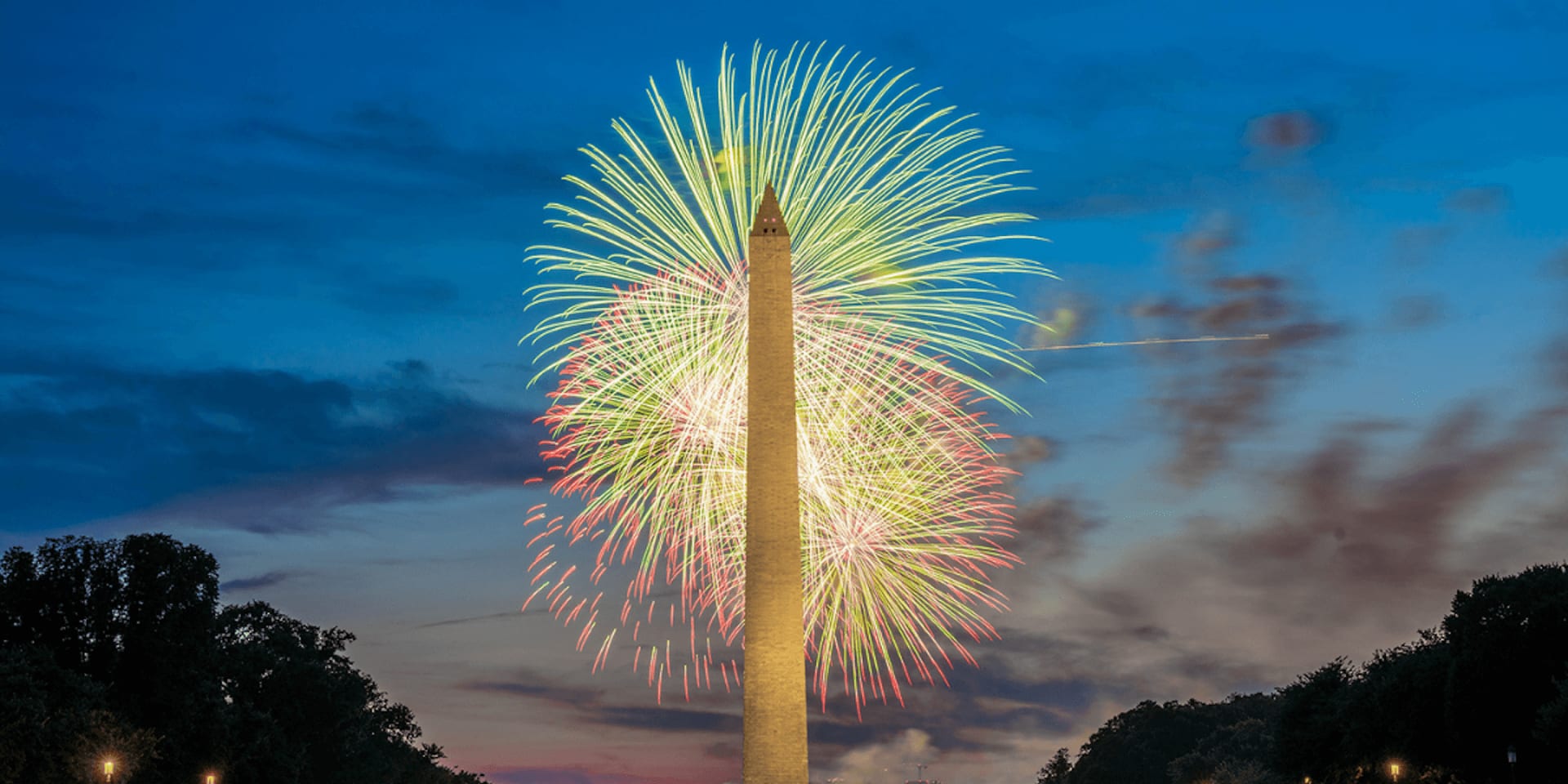
Photo Credit: Anthony Quintano/Wikimedia (Cropped)
Massive Fireworks Displays Raise Environmental Concerns
Communities across the country held traditional Independence Day fireworks shows, with Washington, D.C.'s Freedom 250 celebration featuring one of the largest pyrotechnic displays ever attempted in the United States.
Ahead of the event, National Park Service analyses warned that smoke from the display could temporarily create "very unhealthy" air quality conditions due to elevated fine particulate pollution. Officials advised individuals with respiratory conditions to limit outdoor exposure during and immediately following the fireworks, illustrating the balance organizers faced between staging a historic celebration and addressing public health concerns.

Photo Credit: Library of Congress/Wikimedia (Cropped)
Anniversary Inspires Reflection on America's Past and Future
Beyond the festivities, the nation's 250th anniversary prompted widespread reflection among historians, civic leaders, and Americans about the country's achievements and continuing challenges. Commentators compared the current political climate with previous milestone anniversaries, particularly the Bicentennial in 1976, noting both enduring democratic institutions and persistent national divisions.
Public discussions throughout the day emphasized the significance of the Declaration of Independence while acknowledging ongoing debates over democracy, civic identity, and the nation's future direction. For many communities, the anniversary served as both a celebration of American history and an opportunity to consider the work that remains in fulfilling the country's founding ideals.
Looking Ahead
As the Independence Day celebrations conclude, attention will shift to the political agenda in Washington, implementation of recently enacted federal initiatives, and recovery efforts in areas affected by severe weather. Organizers will also evaluate the success of the nationwide America 250 events as the United States enters the next chapter following its historic 250th birthday.