
Advancing Healthcare Innovation Through Canada–Africa Collaboration
Canada and African health leaders must advance digital healthcare partnerships focused on innovation, workforce support, and system growth.
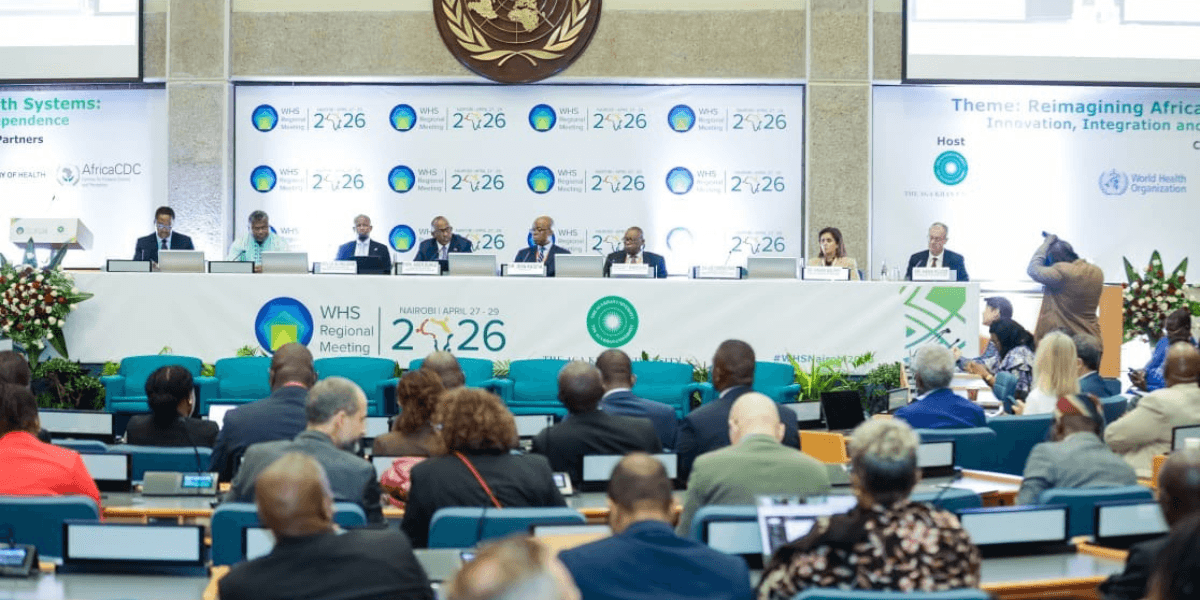
Healthcare leaders, policymakers, researchers, and technology organizations gathered at the World Health Summit Regional Meeting 2026 in Nairobi to discuss the future of healthcare systems across Africa and the role of international collaboration in strengthening long term healthcare delivery. The meeting brought together more than 2,000 participants focused on improving healthcare access, digital integration, workforce support, and sustainable infrastructure development across the continent.
Held under the theme “Reimagining Africa’s Health Systems: Innovation, Integration, and Interdependence,” the summit reflected the growing emphasis on locally driven healthcare strategies supported by global partnerships centered on implementation and operational scalability.
One of the central discussions throughout the event focused on how healthcare systems across Africa are evolving beyond pilot programs toward broader national integration. Governments, health ministries, and healthcare organizations increasingly emphasized the importance of systems capable of supporting long term healthcare delivery through coordinated infrastructure, workforce development, and digital connectivity.
The summit also highlighted the expanding role of African leadership in shaping healthcare priorities and implementation strategies. Discussions frequently focused on the need for healthcare initiatives to align with national frameworks, local governance requirements, and region specific operational needs rather than relying on temporary or isolated solutions.
For Canadian healthcare organizations and technology firms, the summit presented opportunities to participate in partnerships focused on digital health infrastructure, healthcare interoperability, telemedicine systems, and healthcare data management. Canada has developed experience in areas related to secure health information systems and digital health integration, which continue to attract interest from healthcare stakeholders seeking scalable solutions.
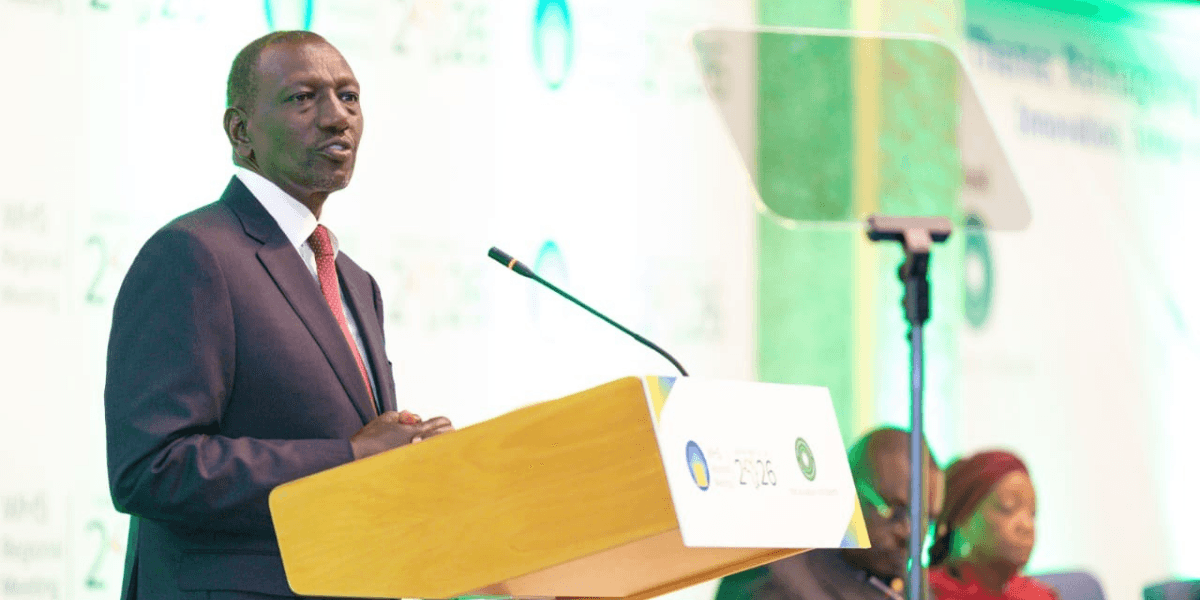
Digital health remained one of the most widely discussed topics during the summit. Healthcare systems across multiple African countries are evaluating technologies designed to improve coordination between hospitals, clinics, community healthcare workers, and regional health agencies. Electronic health records, telehealth platforms, remote diagnostics, and connected data systems were repeatedly identified as areas receiving increased attention from policymakers and healthcare administrators.
Healthcare leaders also discussed the growing importance of data governance and patient privacy standards as digital systems continue to expand. Many participants emphasized that healthcare technology partnerships must include clear frameworks related to data ownership, storage, security, and compliance with national regulations.
Artificial intelligence and digital diagnostic systems were also examined during several summit sessions. Discussions focused primarily on practical healthcare applications, including patient triage support, remote consultation systems, and operational coordination tools designed to improve healthcare delivery efficiency in underserved regions.
Rather than focusing solely on emerging technologies, summit participants repeatedly emphasized the importance of implementation capacity and measurable operational outcomes. Healthcare systems are increasingly evaluating technology based on its ability to support existing healthcare workers, improve coordination, and integrate into long term national healthcare strategies.
Workforce development emerged as another major focus throughout the Nairobi meeting. Several discussions addressed the ongoing shortage of healthcare workers in rural and underserved communities across sub Saharan Africa. Community health workers remain central to many healthcare delivery systems, particularly in areas where access to physicians and specialized medical professionals remains limited.
Participants highlighted how digital tools and remote learning systems may help expand training access and improve operational support for frontline healthcare workers. Mobile learning platforms, digital reporting systems, and remote training programs were discussed as practical methods for improving healthcare coordination without requiring entirely new infrastructure networks.

Healthcare experts attending the summit also noted that strengthening frontline healthcare systems often depends on improving communication, operational consistency, and resource accessibility for healthcare workers already serving local communities. As a result, many implementation strategies discussed during the event focused on supporting workforce efficiency and system integration rather than replacing existing healthcare structures.
The Nairobi summit additionally reinforced the importance of international collaboration in addressing healthcare system challenges that extend across national borders. Public health preparedness, disease surveillance coordination, and healthcare data sharing were identified as areas where partnerships between governments, research institutions, and healthcare technology organizations may continue expanding over the coming years.
The discussions held during the regional meeting are expected to continue influencing upcoming international healthcare forums, including future meetings involving global health agencies and policymakers. Participants indicated that healthcare reform efforts across Africa are increasingly being supported through coordinated regional planning and implementation strategies designed to improve long term resilience.
Organizations participating in the summit generally emphasized that successful healthcare partnerships will likely depend on practical collaboration, transparent governance structures, and systems capable of operating effectively within local healthcare environments.
Neobrand Canada Director Diacre Bayishime stated that organizations focused on operational collaboration and long term implementation strategies are expected to play an increasingly important role in future healthcare partnerships between Canada and African healthcare stakeholders.
More information about Neobrand Canada and its initiatives can be found at:
Website
Instagram
Facebook
LinkedIn
As healthcare systems continue evolving across multiple African regions, partnerships centered on infrastructure development, workforce support, digital integration, and responsible innovation are expected to remain central topics within ongoing international healthcare discussions.