
Strait of Hormuz Talks, Primary Battles, and Economic Uncertainty Shape America’s Headlines
The United States entered another consequential day marked by a mix of geopolitical tension, domestic political maneuvering, and economic unease. Negotiations tied to the ongoing Strait of Hormuz crisis appeared to move closer to a diplomatic framework, while primary elections and early midterm positioning intensified across several states. At the same time, Americans continued to grapple with inflation concerns, elevated borrowing costs, and heightened security anxieties following a recent incident near the White House.
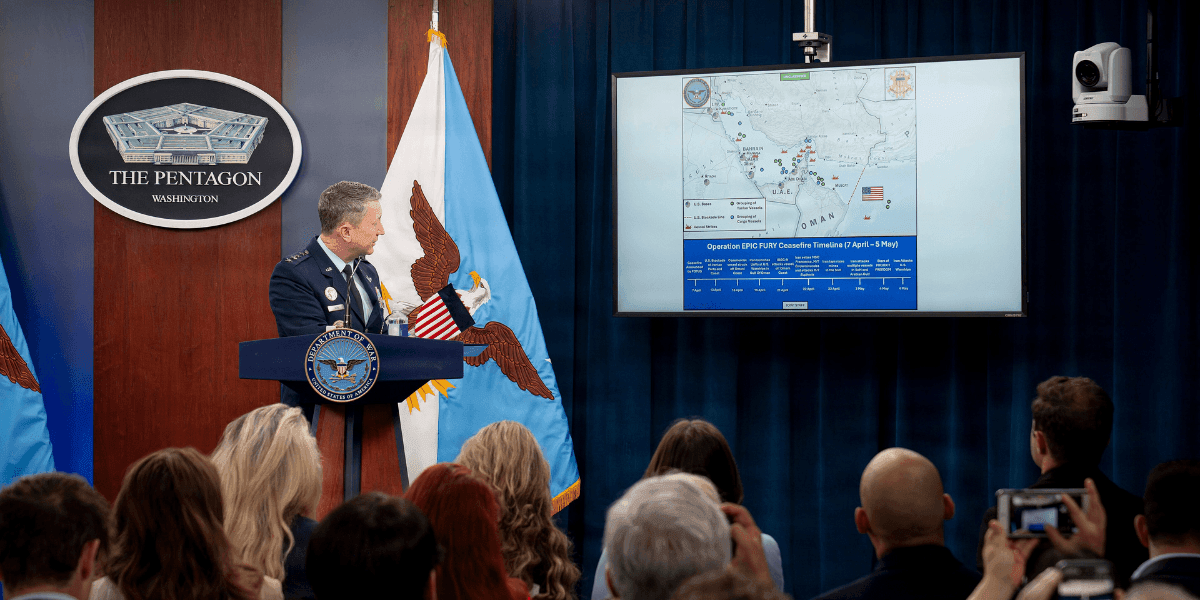
U.S. and Iran Edge Toward Diplomatic Framework After Military Standoff
The Trump administration signaled cautious optimism this week as mediators worked to advance a proposal aimed at restarting formal talks between Washington and Tehran. The negotiations follow days of military escalation surrounding the Strait of Hormuz, where the United States launched “Project Freedom” to protect commercial shipping lanes after attacks involving Iranian missiles and drones.
President Trump stated earlier this week that military operations could wind down if Iran accepts the current framework, though he also warned that hostilities could resume at a “much higher level and intensity” if talks collapse. Secretary of State Marco Rubio confirmed that Operation Epic Fury had concluded, suggesting the administration is attempting to shift from direct military pressure toward negotiated stabilization.
The crisis has already affected global oil markets and shipping costs, with analysts warning that prolonged instability in the Gulf could further complicate inflation and energy prices inside the United States.

Vivek Ramaswamy speaking with attendees at the Ohio State University tour stop of the "This Is The Turning Point" tour at Mershon Auditorium in Columbus, Ohio
Photo Credit: Gage Skidmore/Wikimedia
Ohio and California Races Offer Early Test of the 2026 Political Landscape
Political attention remained focused on a series of high-profile state races that are increasingly viewed as indicators for the broader 2026 midterm environment. In Ohio, former presidential candidate Vivek Ramaswamy secured the Republican nomination for governor and will face Democrat Amy Acton in what is expected to become one of the country’s most watched gubernatorial contests.
Meanwhile, Ohio’s Senate race took shape as Democrat Sherrod Brown and Republican Jon Husted advanced in a contest that could influence control of the Senate. Trump-backed candidates also performed strongly in Indiana primaries, reinforcing the former president’s continuing influence over the Republican Party.
On the West Coast, California’s gubernatorial debate highlighted divisions over taxation, healthcare policy, and energy costs. Candidates clashed over proposals including a billionaire tax and state responses to persistent affordability concerns. The race remains fluid, but strategists in both parties see California and Ohio as key tests of voter sentiment heading into November.

Photo Credit: Jakub Żerdzicki/Unsplash
Mortgage Rates and Energy Concerns Continue to Pressure Consumers
Economic anxieties remained central to the national conversation as mortgage rates climbed again this week. The average 30-year fixed mortgage rate rose to approximately 6.47 percent, according to industry data, extending a period of elevated borrowing costs that has slowed housing activity in many regions.
The Federal Reserve recently kept its benchmark rate unchanged while acknowledging continued inflationary pressures and broader uncertainty tied to geopolitical developments. Analysts increasingly point to the Iran conflict and energy market volatility as major factors complicating the outlook for both consumers and policymakers.
Despite the strain on household budgets, Wall Street remained near record highs today as oil prices temporarily eased on hopes of a diplomatic breakthrough with Iran. Investors appeared encouraged by signs that shipping disruptions in the Gulf could stabilize if negotiations continue.
Still, economists caution that many Americans continue to feel squeezed by housing costs, fuel prices, and wage pressures, even as broader market indicators remain resilient.
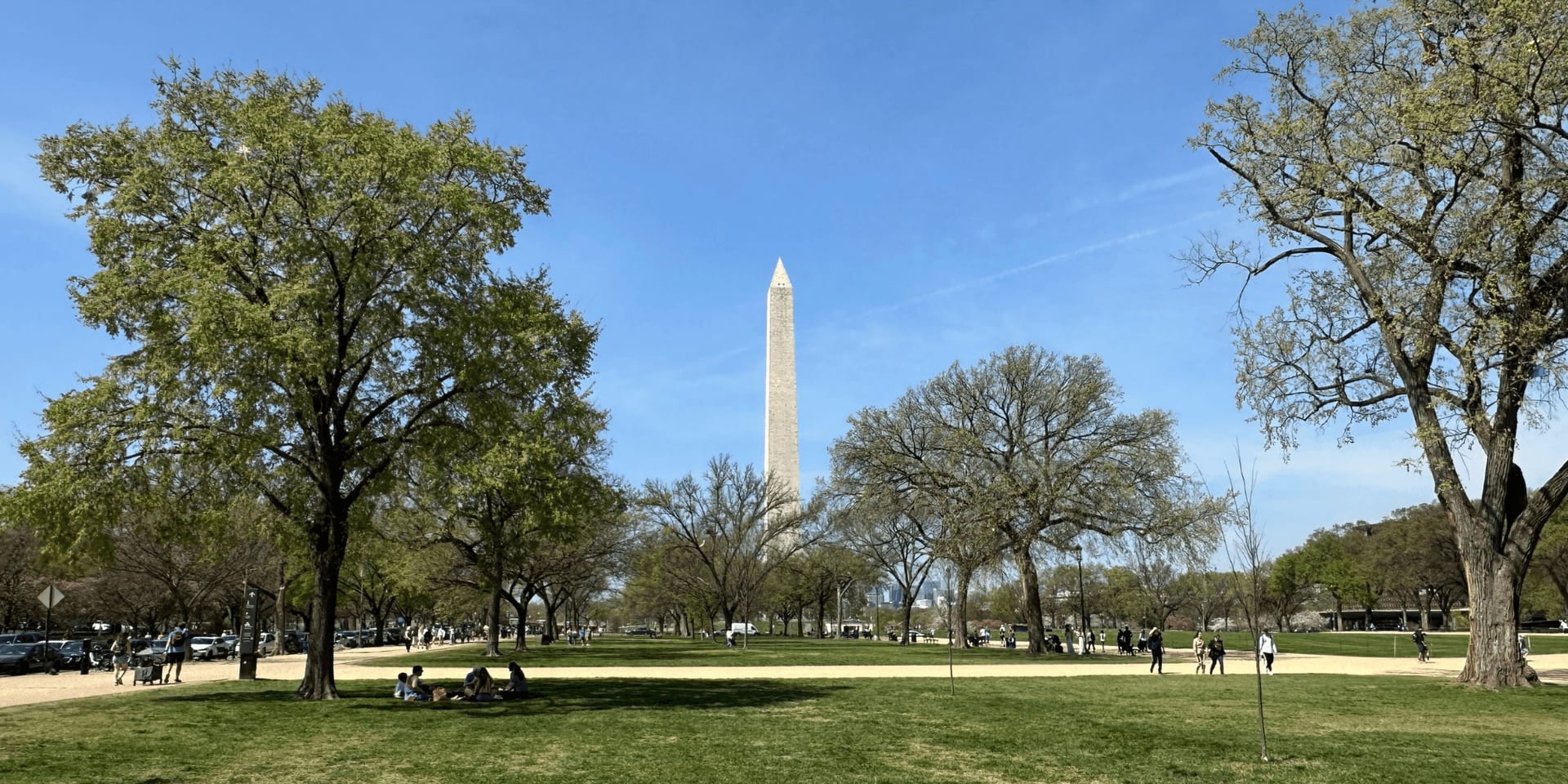
National Mall and Washington Monument
Photo Credit: APK/Wikimedia
Security Concerns Intensify After National Mall Shooting Near White House
Federal authorities continued investigating the armed confrontation that unfolded near the Washington Monument earlier this week, when Secret Service agents exchanged gunfire with a suspect close to the route of Vice President JD Vance’s motorcade. The White House was briefly placed under lockdown during the incident.
Officials said the suspect allegedly attempted to conceal a firearm before opening fire during an encounter with agents. The suspect was wounded, and one bystander sustained minor injuries. Authorities have not publicly confirmed a motive, though prosecutors filed federal charges related to assaulting a federal officer and discharging a firearm during a violent crime.
The incident renewed scrutiny of security procedures in Washington amid an already tense political atmosphere. It also underscored growing concerns about political violence and threats targeting government institutions during an increasingly polarized election cycle.
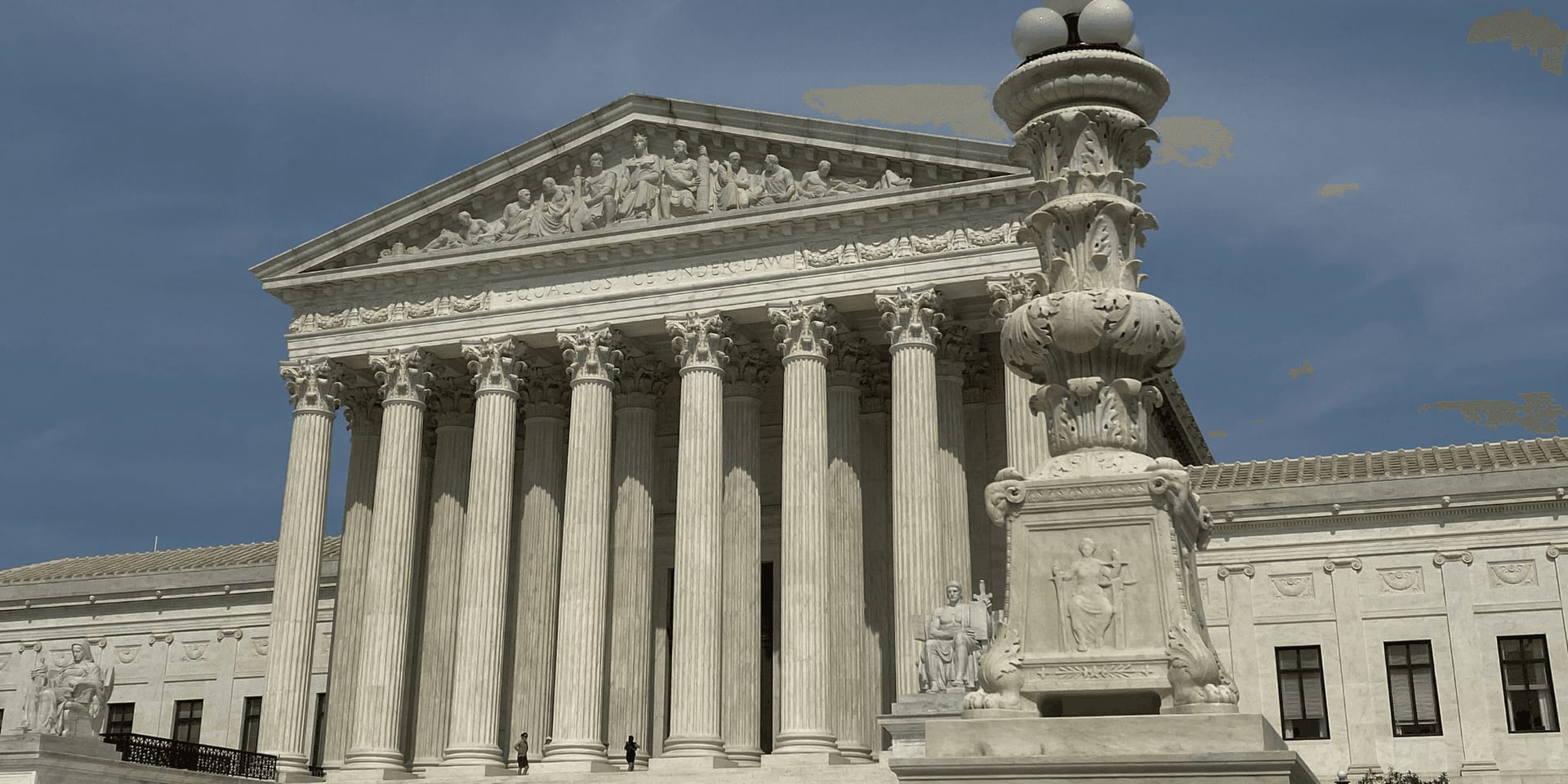
Photo Credit: Brad Weaver/Unsplash
Supreme Court Hears High-Stakes Case on Federal Regulatory Power
The Supreme Court heard arguments this week in a closely watched case that could significantly reshape the authority of federal agencies to regulate industries ranging from energy to technology. At the center of the case is a challenge to longstanding interpretations that allow agencies to define the scope of their own regulatory power under broadly written laws.
Several justices signaled openness to placing new limits on how agencies interpret congressional statutes, a move that could have sweeping implications for environmental rules, financial oversight, and public health regulations. The case builds on recent decisions in which the Court has already shown skepticism toward expansive federal authority.
Legal experts say the outcome could alter how future administrations implement policy, potentially shifting more responsibility back to Congress while constraining executive agencies. Businesses and advocacy groups on both sides are closely watching the case, given its potential to influence everything from emissions standards to consumer protections.
A ruling is expected later this term, and it could become one of the most consequential legal decisions of the year, shaping the balance of power in Washington for decades to come.
Looking Ahead
Attention in the coming days will remain fixed on whether U.S.–Iran negotiations can produce a durable agreement capable of easing military tensions and stabilizing energy markets. Domestically, both parties are preparing for a more intense phase of the 2026 election cycle as additional primaries approach and Senate control hangs in the balance. Economic indicators, particularly inflation and mortgage rates, are also likely to remain central concerns for policymakers and voters alike as the country moves deeper into an already volatile political year.