America’s Oil Shock, Escalating War, and Economic Strain
The United States entered the weekend facing a volatile mix of geopolitical conflict, economic uncertainty, and domestic political tensions. Military developments in the expanding confrontation with Iran dominated headlines, while economists warned that the resulting energy shock is worsening already fragile economic conditions. At the same time, policymakers in Washington grappled with the consequences of rising fuel costs, slowing growth, and political disputes over federal authority and oversight.

By
Mar 14, 2026
U.S. Strikes Key Iranian Oil Hub as War Escalates
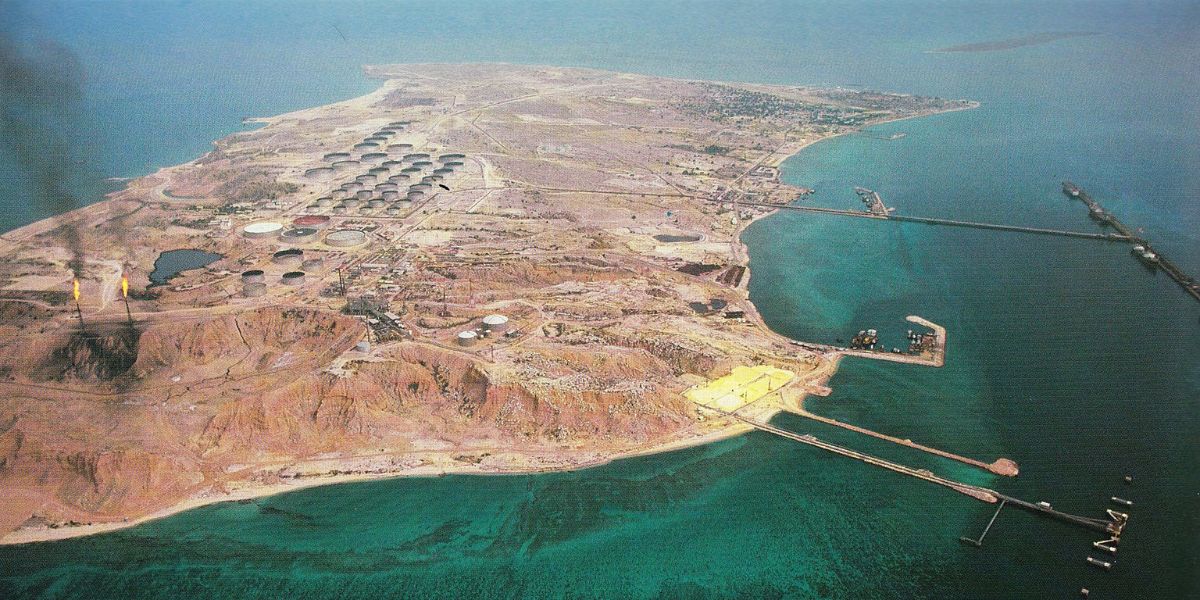
The Trump administration announced that U.S. forces carried out strikes on Kharg Island, a strategic facility that handles roughly 90 percent of Iran’s oil exports. President Donald Trump said the operation had “totally obliterated” military targets on the island, framing the attack as a response to Iranian threats to disrupt shipping in the Strait of Hormuz.
The strike represents a major escalation in the ongoing conflict between the United States and Iran. Although the White House maintained that the attack targeted military infrastructure, the location’s importance to Iran’s energy exports has heightened concerns that the war could further destabilize global oil markets and shipping lanes.
Officials say additional U.S. military deployments to the Persian Gulf are underway as tensions rise across the region. The administration has warned that further Iranian interference with maritime trade could trigger additional strikes against critical infrastructure.
Oil Prices Surge Above $100 as Energy Shock Hits Global Markets
Energy markets reacted sharply to the conflict, with oil prices climbing above $100 per barrel amid fears that the war could disrupt supply from the Middle East. Analysts say the spike in prices is already reverberating through global economies and could significantly affect U.S. inflation and consumer spending.
Higher energy costs are expected to increase transportation and shipping prices across the economy, adding pressure to households already facing elevated living costs. Gasoline prices in the United States have begun rising as the market absorbs the risk of prolonged conflict in a region responsible for a large share of global oil exports.
Economists warn that energy-driven inflation could complicate efforts to stabilize the economy, especially as geopolitical tensions inject new uncertainty into financial markets and trade flows.
U.S. Economy Shows Signs of Slowing Growth
The economic outlook in the United States continues to deteriorate as growth slows and job losses begin to mount. Revised figures show that U.S. GDP expanded at an annual rate of just 0.7 percent in the final quarter of 2025, signaling a sharp cooling from the stronger growth seen earlier in the recovery.
At the same time, the labor market has weakened. Employers shed approximately 92,000 jobs in February, while consumer spending has increasingly shifted toward essential goods such as housing and healthcare rather than discretionary purchases.
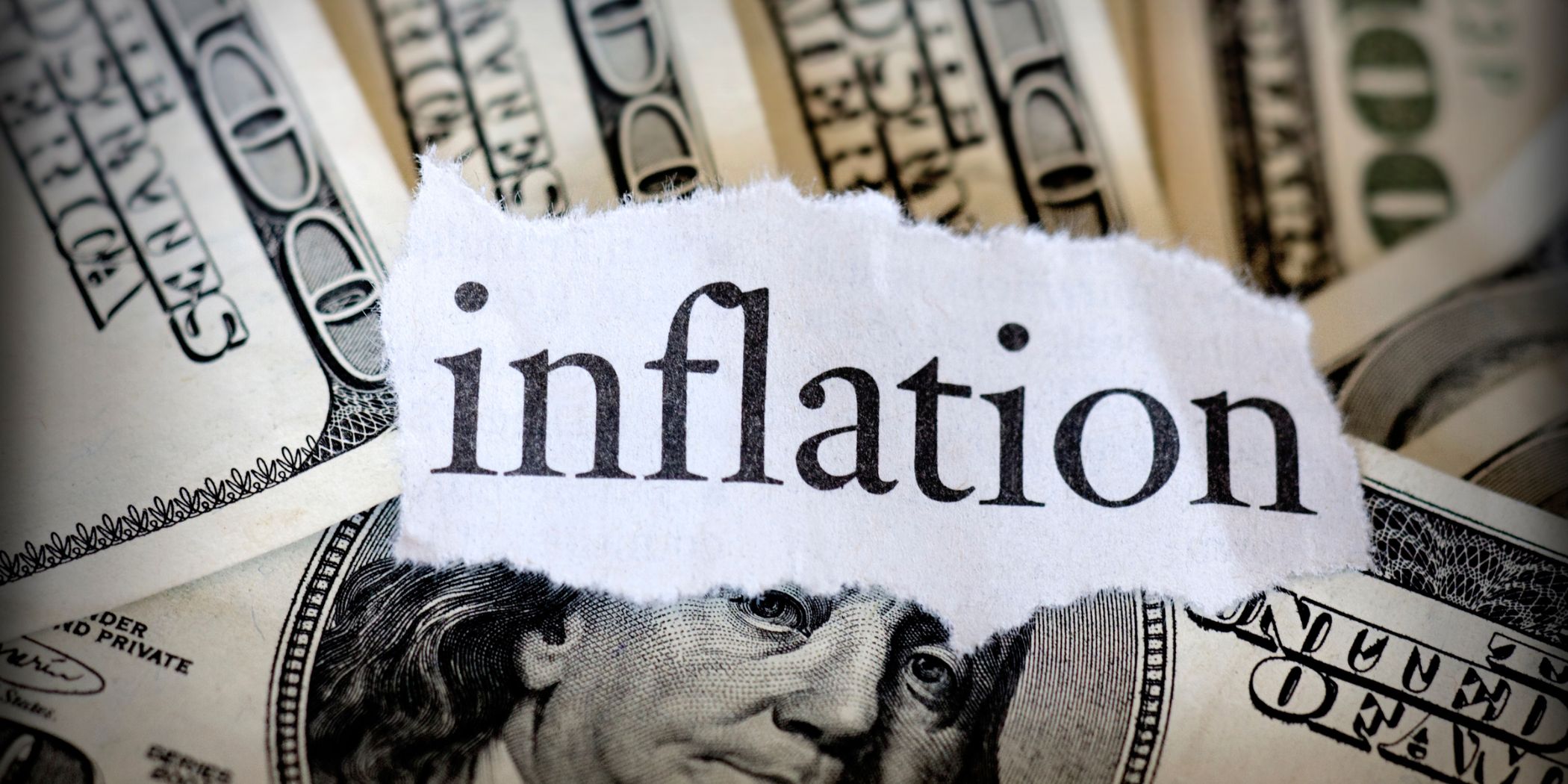
The combination of slow growth, persistent inflation, and rising energy costs has raised fears of stagflation—a period of stagnant economic activity coupled with high prices. Analysts say the situation leaves policymakers with few easy options as economic pressures intensify.
Federal Reserve Faces Limited Options Amid Inflation and Political Pressure
The Federal Reserve is confronting a difficult policy environment as it weighs how to respond to the slowing economy without fueling further inflation. Core inflation remains above the central bank’s preferred target, while rising oil prices threaten to push costs higher in the coming months.
Inside the Fed, officials appear divided over the path forward. Some policymakers favor cutting interest rates to support economic growth, while others worry that loosening policy too soon could reignite inflation.
The debate has also taken on a political dimension. President Trump has repeatedly urged the Fed to lower rates, while the central bank’s leadership transition—expected later this year—adds another layer of uncertainty to the institution’s decision-making.

Justice Department Investigates Major Data Breach at Federal Agency
The Justice Department announced a federal investigation into a major cybersecurity breach affecting a U.S. government contractor that manages sensitive data tied to several federal agencies. Officials say hackers may have gained unauthorized access to internal systems containing government personnel records and administrative data.
Authorities have not yet confirmed the identity of the attackers, but cybersecurity analysts say the scale and sophistication of the breach suggest the possible involvement of a state-backed hacking group. Federal investigators are now working with intelligence agencies and private cybersecurity firms to determine the full scope of the intrusion.
The incident has renewed concerns in Washington about vulnerabilities in government digital infrastructure and the security of contractor-managed data systems. Lawmakers from both parties are expected to push for tighter cybersecurity requirements and stronger oversight of companies that handle federal information.
Looking Ahead
The coming days will likely hinge on developments in the escalating conflict with Iran and its impact on global energy markets. U.S. officials are expected to continue monitoring oil supply disruptions and the security of key shipping routes in the Persian Gulf.
Meanwhile, investors and policymakers will watch closely for new economic data that could confirm whether the U.S. economy is sliding toward a prolonged slowdown. With inflation still elevated and growth weakening, the Federal Reserve’s next policy decisions may prove pivotal in shaping the nation’s economic trajectory in the months ahead.